
DbcultAccessing Vault...
Cult Review
Senior Film Conservator
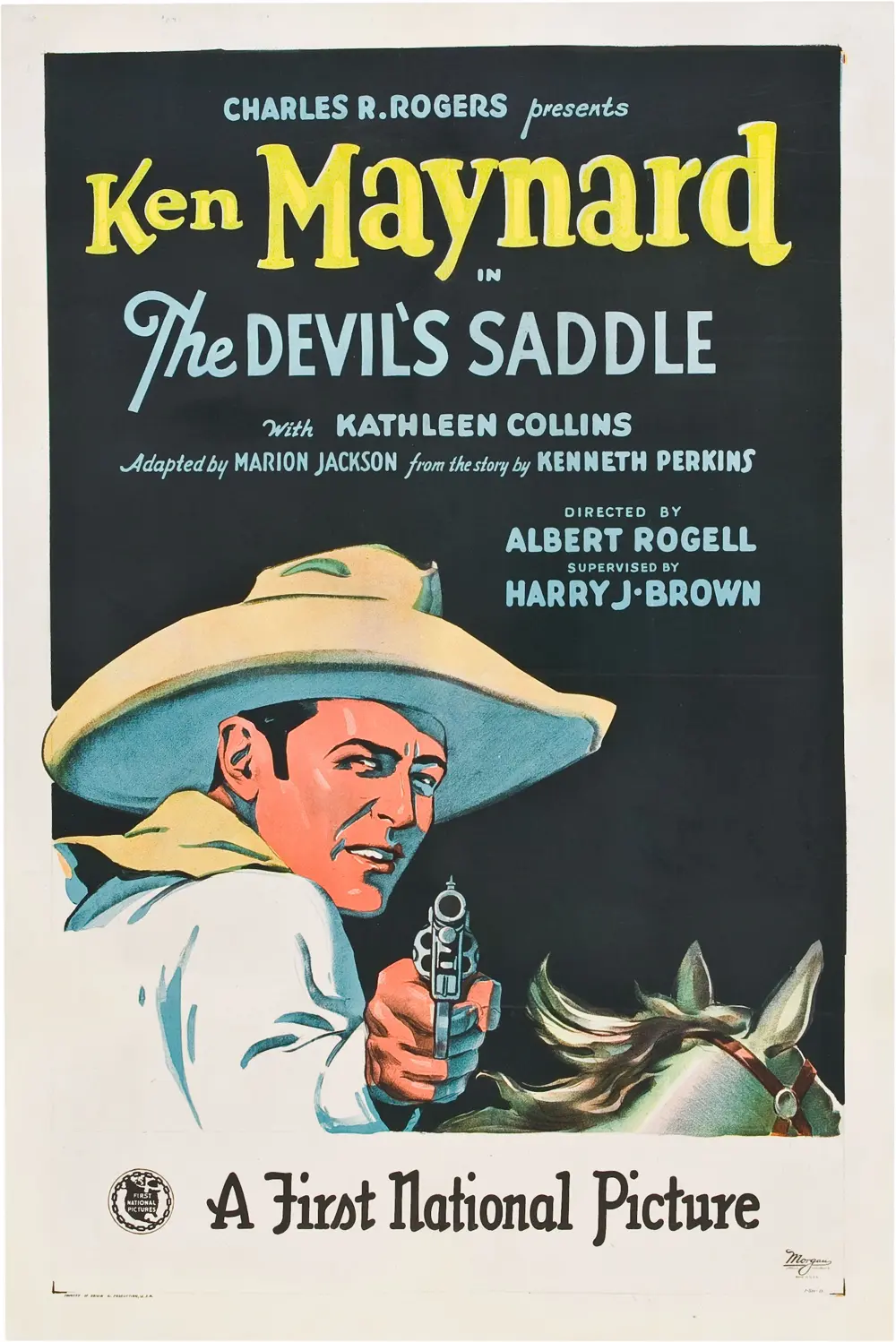
Is The Devil's Saddle worth your time in the modern era? Short answer: yes, but primarily for those who appreciate the raw, unpolished energy of the silent Western era.
This is not a film for those seeking the glossy, high-definition spectacle of modern cinema, nor is it for those who demand a complex, morally ambiguous protagonist. This film is for the historian, the stunt enthusiast, and the viewer who wants to see how 1920s Hollywood grappled with the concept of Indigenous sovereignty and frontier law. It is decidedly NOT for viewers who find silent film pacing to be a chore or those who are sensitive to the dated tropes of early 20th-century characterizations.
1) This film works because of Ken Maynard’s genuine physical prowess and the surprisingly progressive demand for equal justice voiced by the Hopi characters.
2) This film fails because the central misunderstanding is stretched thin, and the middle act relies too heavily on repetitive chase sequences that lack the narrative weight of the opening and closing scenes.
3) You should watch it if you want to see one of the era’s greatest stuntmen at his peak, or if you are interested in the early filmography of Francis Ford.
Ken Maynard was never just an actor; he was a spectacle. In The Devil's Saddle, he brings a level of athleticism that was rare for the time, rivaling the likes of Douglas Fairbanks. Unlike the more reserved performances found in The Ace of Cads, Maynard’s work here is visceral and grounded in movement. When he is on screen, the film vibrates with energy. His horse, Tarzan, is essentially a co-star, providing a level of animal choreography that modern CGI simply cannot replicate with the same soul.
Take, for instance, the scene where Harry cornered the villain near the end. There is no stunt double here. You see the real weight of the struggle. When Harry hog-ties the antagonist, it isn't a clean, choreographed dance. It’s a messy, desperate bit of business that feels authentic to the period. This physicality is what saves the film from its more melodramatic tendencies. It works. But it’s flawed.
One of the most striking aspects of The Devil's Saddle is the Hopi tribe’s demand for legal parity. In many Westerns of this era, such as The Texan, the conflict is often one-sided or purely villainous. Here, writers Kenneth Perkins and Marion Jackson introduce a fascinating thematic layer: the Indians demand the same law for the whites as for themselves. This isn't just a plot device; it's a social commentary that feels ahead of its time.
The scene where the Hopi set fire to the father's house is particularly haunting. It isn't portrayed as a random act of savagery, but as a calculated response to a failure of justice. They gave the white community a chance to police their own. When the community failed, the tribe took action. This nuance elevates the film above the standard 'cowboys and Indians' trope found in lesser works like King of the Saddle.
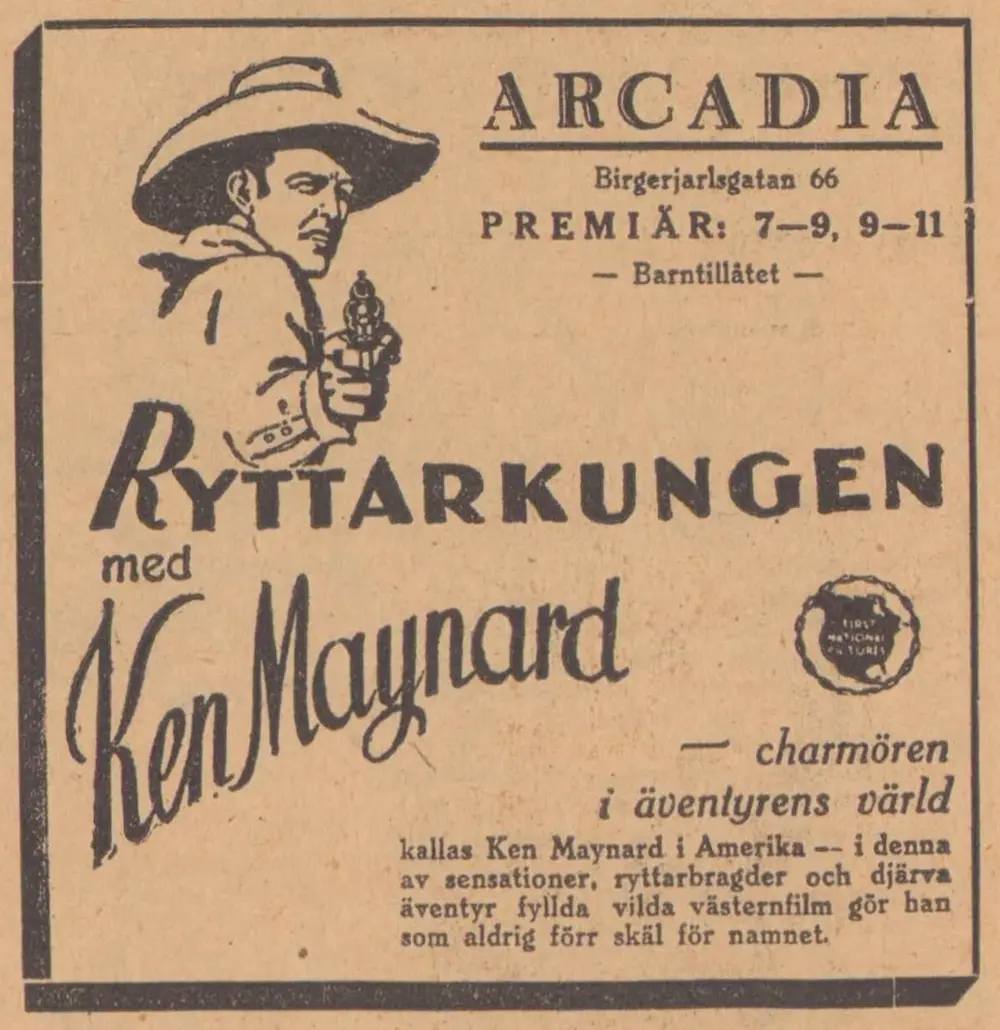
The direction, while sometimes hampered by the technical limitations of 1927, shows flashes of brilliance, likely influenced by the presence of Francis Ford in the cast. The use of the landscape is not just for background; it’s a character. The rocky outcroppings and dusty plains of the Southwest are framed to emphasize Harry’s isolation. It’s a far cry from the urban settings of Trolley Troubles, showcasing the versatility of the era's production designers.
However, the pacing is a legitimate concern. There are long stretches where the plot seems to circle back on itself. The gang of prospectors, while adequately oily, lack the distinct personality that would make them truly memorable villains. They are more of a collective force of greed than individual characters. Compared to the character-driven drama of The Common Law, the antagonists here feel a bit like cardboard cutouts.
The Devil's Saddle is worth watching if you are looking for a historical artifact that bridges the gap between the simplistic Western and the more complex social dramas of the 1930s.
It provides a window into the transition of the Western genre. We see the shift from pure action to a more thematic approach to land rights and justice. While it doesn't always succeed in its ambitions, the attempt alone makes it a significant entry in the silent film canon. It is a rough-hewn gem that requires patience but offers genuine rewards.
Pros:
Cons:
Interestingly, the film places more emphasis on the physical capture of the villain than on the actual legal exoneration of Harry. It’s as if the film suggests that in the West, being right doesn't matter unless you can physically subdue the person who lied about you. This 'might makes right' undertone contrasts sharply with the Hopi's more structured demand for 'the same law.' It’s a fascinating, perhaps unintentional, contradiction that makes the film ripe for analysis.
Also, consider the role of Harry’s father. He is a weak figure, failing to protect his son or satisfy the tribe. This subversion of the 'strong patriarch' trope found in films like The Prince and the Pauper adds a layer of tragedy to the burning of the family home. The house doesn't burn because of an external enemy; it burns because of an internal failure of leadership.
The Devil's Saddle is a gritty, occasionally brilliant, but undeniably dated piece of cinema. It excels when it allows Ken Maynard to do what he does best: move. It falters when it leans too heavily on the cliches of the 'misunderstood hero.' However, the film's willingness to engage with the concept of tribal justice and the failure of white law makes it more than just a historical footnote. It is a visceral experience that, despite its age, still manages to pack a punch in its final act. If you can look past the flickering frames and the silent titles, you’ll find a story that is as much about the soul of the American West as it is about a man on a horse. It’s worth the ride.