DbcultAccessing Vault...
5.4/10
Senior Film Conservator
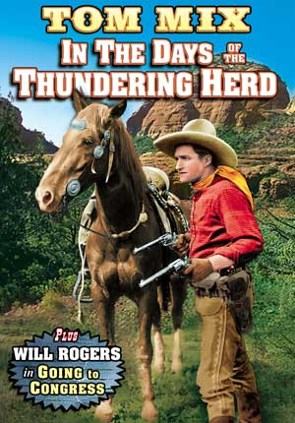
A definitive 5.4/10 rating for a film that redefined the boundaries of cult cinema. In the Days of the Thundering Herd remains a cornerstone of transgressive art.
Stepping back into the nascent days of cinema, we encounter a film that, despite its silent origins and the passage of a century, still manages to resonate with a primal, untamed energy: In the Days of the Thundering Herd. Released in 1914, this early Western epic, a product of the prolific Gilson Willets' pen, plunges audiences into the raw, unforgiving heart of the American frontier. It's not merely a historical artifact; it's a testament to the enduring power of visual storytelling, a rugged tapestry woven with threads of survival, conflict, and the stark beauty of a vanishing world. This isn't a film that whispers its narrative; it roars, much like the very herds it depicts, a visceral experience that captures the brutal majesty of an era long past.
The narrative thrust of In the Days of the Thundering Herd is deceptively simple, yet it unfolds with an almost mythic grandeur. It begins with an act of devastating violence: a wagon train, symbols of pioneer hope and expansion, is mercilessly ambushed by the braves of Swift Wing, a formidable and relentless tribal leader, brought to life with compelling intensity by Red Wing. This opening sequence, even in its silent depiction, must have been harrowing for audiences of the time, immediately establishing the stakes and the unforgiving nature of the landscape. From this inferno of destruction, only two emerge: Tom, portrayed with earnest conviction by John Bowers, and Sally, a resilient figure embodied by Bessie Eyton. Their survival is not a reprieve, but rather the commencement of a desperate odyssey, a struggle for existence against overwhelming odds. They are not merely fleeing; they are seeking to reclaim a semblance of safety in a world that seems determined to deny it.
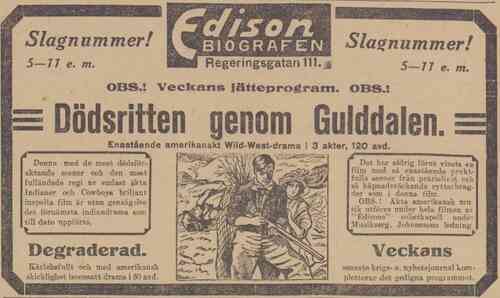
The film then introduces an intriguing element of moral ambiguity and cultural bridge-building in the character of Starlight, played by Gordon W. Lillie, also known as 'Pawnee Bill.' Starlight's intervention, aiding Tom and Sally in their initial escape, is a pivotal moment, shifting the dynamic from pure flight to a more complex interplay of alliances and shared humanity amidst conflict. This interaction, however brief, hints at the nuanced relationships that could exist on the frontier, moving beyond the simplistic 'us vs. them' dichotomy often found in early cinema. Their eventual integration into a group of hunters, a rough-and-tumble collective embodying the rugged individualism of the West, offers a temporary sanctuary. But the peace is fragile, a mere interlude before the inevitable resurgence of Swift Wing's relentless pursuit. This cyclical pattern of attack, escape, and re-engagement forms the core dramatic tension, keeping the audience on edge, anticipating the next confrontation in this sprawling, untamed theater of conflict.
One cannot discuss In the Days of the Thundering Herd without acknowledging its cinematic contemporaries and the broader landscape of early film. While perhaps not possessing the grand narrative sweep of a historical epic like Sixty Years a Queen, or the intricate character studies found in films such as The Life of Richard Wagner, its strength lies in its raw, unvarnished portrayal of action and survival. It stands alongside other early Westerns like Red Powder, contributing to the nascent vocabulary of a genre that would come to define American cinema. The film’s focus on large-scale action sequences, particularly those involving the titular 'Thundering Herd,' positions it as an ambitious production for its time, striving for spectacle without the aid of modern special effects. The sheer logistics of filming such sequences, involving numerous animals and extras, speaks volumes about the dedication and ambition of its creators, particularly in an era where film production was still in its infancy.
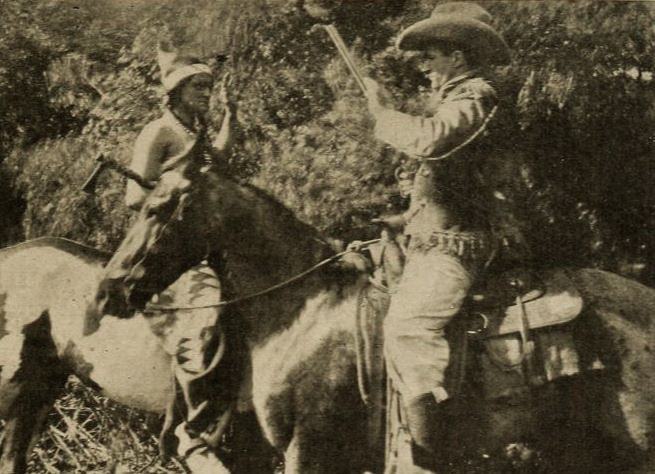
The cast, though working within the constraints of silent film acting, delivers performances that convey the intense emotions and physical demands of their roles. John Bowers, as Tom, embodies the archetypal Western hero—resilient, resourceful, and driven by a fierce will to protect. His interactions with Bessie Eyton’s Sally provide the emotional anchor, her vulnerability contrasting with an underlying strength that makes her more than just a damsel in distress. The film's portrayal of indigenous characters, particularly Red Wing as Swift Wing, is a complex topic through a modern lens, but within the context of early 20th-century cinema, it often aimed for a degree of authenticity, even if filtered through prevailing societal biases. Red Wing's performance imbues Swift Wing with a sense of determined leadership and formidable presence, making him a compelling antagonist rather than a mere caricature. And, of course, the legendary Tom Mix makes an appearance, likely in a supporting role as one of the intrepid hunters. Mix, already a rising star, brought a genuine cowboy authenticity to the screen, his presence adding an undeniable layer of rugged realism and stuntmanship that would soon define his own illustrious career. Even Old Blue, a horse, is credited, underscoring the vital role animals played in these frontier narratives, often becoming characters in their own right, embodying loyalty and strength.
The directorial choices, while perhaps lacking the sophisticated visual grammar of later masterpieces, are effective in conveying the vastness of the landscape and the urgency of the action. The wide-open spaces of the American West are not merely a backdrop; they are an active participant in the drama, a character whose indifference amplifies the human struggle. The use of natural light, the sweeping vistas, and the practical effects employed for the 'thundering herd' sequences all contribute to a sense of scale and authenticity that was groundbreaking for its time. One can imagine the impact of seeing hundreds of buffalo, or horses, charging across the screen, a spectacle that would have captivated audiences accustomed to more confined theatrical experiences. This sense of raw, untamed nature is what sets this film apart from more contained dramas like Such a Little Queen, which focuses on personal resilience within a more intimate setting, or the urban intrigue of The Stranglers of Paris. Here, the struggle is against both man and environment, a relentless test of human spirit.
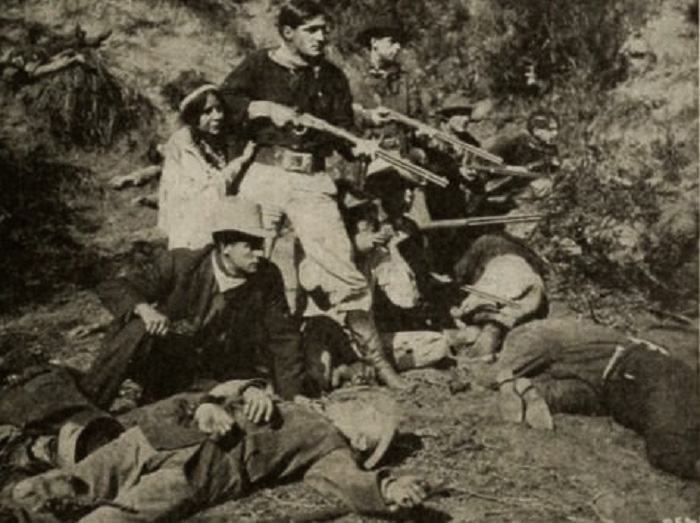
Gilson Willets, the writer behind this epic, crafted a narrative that, while adhering to the conventions of the emerging Western genre, also managed to infuse it with moments of genuine tension and character development. His understanding of the frontier ethos, even if romanticized, allowed for the creation of compelling scenarios that kept the story moving forward. The screenplay, though translated into visual cues and intertitles, must have provided a robust framework for the dramatic arcs of Tom and Sally, and the relentless pursuit by Swift Wing. Willets' work here is foundational, contributing to the narrative templates that would be revisited and refined in countless Westerns to follow. It’s a testament to his storytelling prowess that a plot so straightforward could sustain a feature-length film, maintaining audience engagement through purely visual means. The inherent drama of the pioneer struggle, the clash of cultures, and the vast, untamed landscape provided fertile ground for his imagination.
The enduring legacy of In the Days of the Thundering Herd lies in its contribution to the burgeoning Western genre. It helped establish many of the tropes and archetypes that would become synonymous with the American Western: the brave pioneer, the fearsome indigenous warrior, the loyal steed, and the vast, untamed wilderness. While films like Strike would later push the boundaries of cinematic realism and social commentary, Thundering Herd carved out its niche by embracing the adventure and spectacle inherent in its setting. It’s a foundational text for understanding how the Western evolved from simple chase narratives to more complex explorations of American identity and destiny. The very idea of a 'thundering herd' became a powerful metaphor for the unstoppable forces of nature and history, a visual spectacle that imprinted itself on the collective consciousness of early filmgoers.
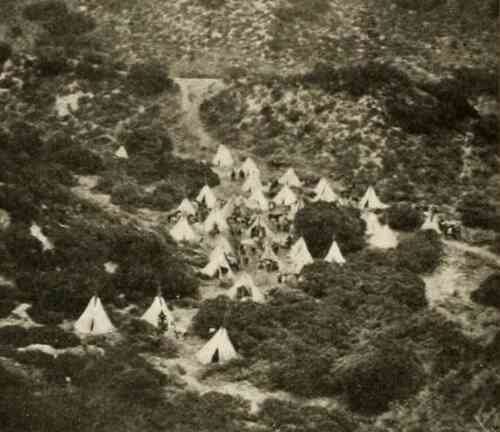
In an era where cinema was still finding its voice, films like In the Days of the Thundering Herd were crucial in demonstrating the medium’s potential for grand storytelling and spectacle. It’s a far cry from the intimate character studies of European cinema like Fedora or the episodic charm of De levende ladder. Instead, it offers a distinctly American vision, a rugged epic of survival and conflict. While modern viewers might initially find the silent film conventions challenging, a patient viewing reveals a vibrant, compelling narrative. The film, in its unadorned honesty, captures a moment in time—both historically, in its depiction of the frontier, and cinematically, in its pioneering efforts to define a genre. It reminds us that even without spoken dialogue, the power of visual storytelling, coupled with compelling performances and a gripping plot, can transport us to another world, another time, and leave an indelible impression. It is, unequivocally, a significant piece of cinematic history, offering a window into the origins of a genre that continues to captivate audiences worldwide.
The film's exploration of themes such as resilience, vengeance, and the tenuous balance between different cultures on the frontier remains potent. While some aspects of its portrayal of Native Americans might be viewed critically today, it's important to contextualize the film within its historical period. It reflects the prevailing attitudes and narrative conventions of the early 20th century, offering a valuable insight into how indigenous peoples were represented in popular culture at the time. The raw energy of the action sequences, the palpable tension of the chase, and the sheer scale of the natural landscapes depicted are achievements that deserve recognition. It's a film that, much like the wild West it portrays, is untamed, ambitious, and ultimately, unforgettable for those willing to look beyond its age and appreciate its foundational impact on cinematic art. It is a vibrant, if sometimes unsettling, snapshot of a bygone era, both on screen and behind the camera.
Ultimately, In the Days of the Thundering Herd is more than just a silent film; it's a historical document, a thrilling adventure, and a foundational pillar of the Western genre. It showcases the early mastery of visual narrative, the power of archetypal characters, and the enduring appeal of the frontier saga. For cinephiles and historians alike, it offers a fascinating glimpse into the origins of American cinema and the birth of its most iconic genre. The echoes of its thundering action and heartfelt performances continue to resonate, proving that some stories, and some cinematic achievements, truly stand the test of time, even a century later. It’s a compelling argument for the timelessness of human drama, regardless of the technological limitations of its creation.
IMDb 6.2
1936
Community
Log in to comment.