DbcultAccessing Vault...
6.5/10
Senior Film Conservator
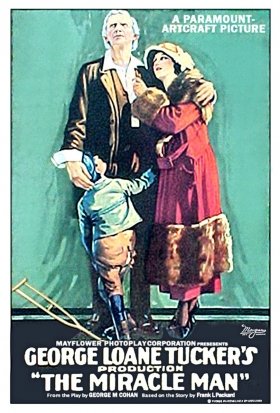
A definitive 6.5/10 rating for a film that redefined the boundaries of cult cinema. The Miracle Man remains a cornerstone of transgressive art.
George Loane Tucker's The Miracle Man remains a tectonic shift in silent cinema's exploration of morality, deploying Lon Chaney's physical genius as the linchpin between exploitation and transcendence. Set against contrasting landscapes—the predatory shadows of Chinatown versus the deceptively serene countryside—the film constructs a laboratory for human transformation where fraud accidentally catalyzes authentic miracles. Tucker orchestrates this duality through visual metaphors: cramped urban frames claustrophobic with moral decay explode into sun-drenched pastoral compositions where redemption becomes physically possible through sheer spatial liberation.
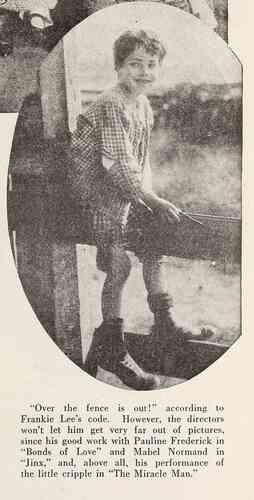
Chaney's Frog emerges as cinema's first psychologically complex antihero, his body a palimpsest of suffering and performance. The notorious contortion scenes—limbs bending at sickening angles—transcend spectacle to become visceral theology. When the Frog 'heals' himself before the astonished crowd, Tucker's camera lingers not on the fraudulent miracle, but on the paralyzed boy's face as synapses of faith ignite. This single edit reorients the entire narrative: the con becomes secondary to the authentic spiritual awakening it accidentally triggers. The boy's subsequent walking isn't portrayed as supernatural, but as psychosomatic breakthrough—a daring suggestion that faith operates beyond religious dogma.
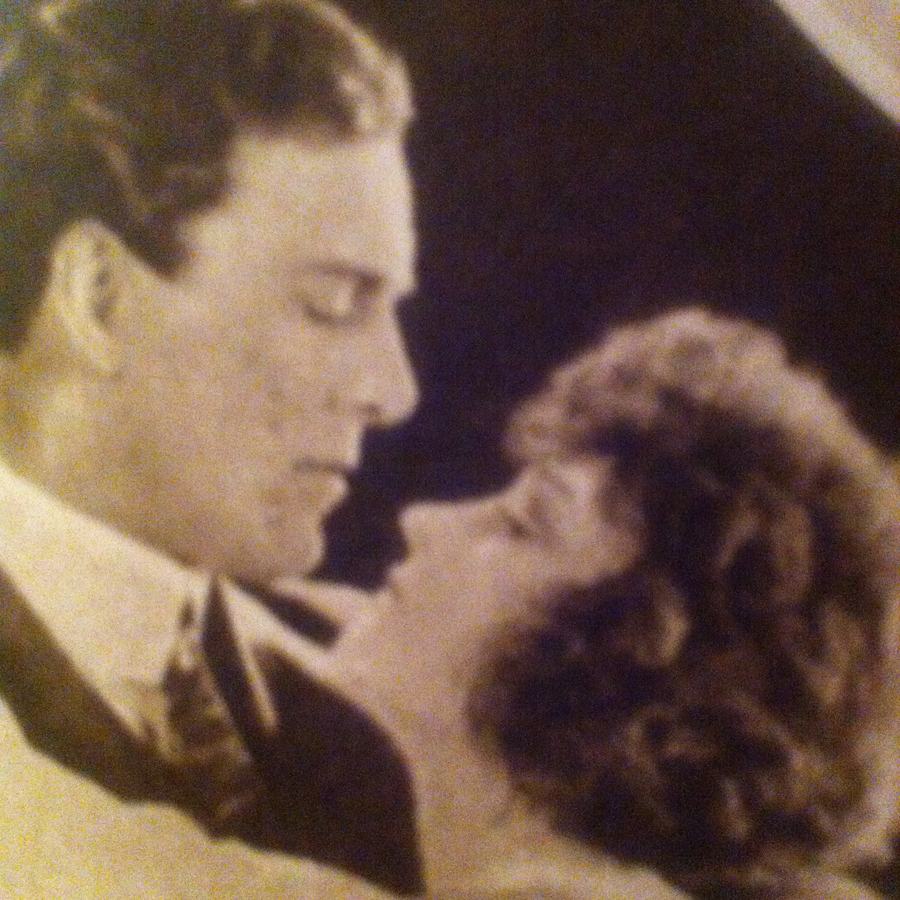
The gang's dynamic functions as a perverse Holy Trinity. Burke (Thomas Meighan) embodies cold intellect—his schemes unfold with chess-like precision until jealousy unravels his calculated persona. Rose (Betty Compson) performs feminine victimhood as weaponized theater, her fake bruises a dark mirror to stigmata. The Dope (J.M. Dumont) floats through scenes in an opioid haze, his eventual clarity arriving through romantic love rather than divine intervention—a secular counterpoint to the film's mystical currents. Their collective corrosion begins not through guilt, but through environmental osmosis: Tucker suggests the pastoral setting itself possesses rehabilitative power, its rolling hills and clean air acting as detoxifying agents against urban poison.
The Patriarch (Joseph J. Dowling) serves as the silent epicenter—a void that reflects others' needs. His muteness becomes the ultimate Rorschach test: pilgrims project messianic qualities onto his silence, while the gang sees only exploitable vulnerability. Tucker's masterstroke lies in never clarifying whether the Patriarch possesses supernatural abilities. His healings occur offscreen, reported through ecstatic testimonials that echo biblical parables. This ambiguity forces viewers to confront their own suspension of disbelief—are we witnessing divine intervention or mass psychogenic illness? The question reverberates through film history, finding echoes in works like Humdrum Brown where charlatanism similarly dances with authentic need.
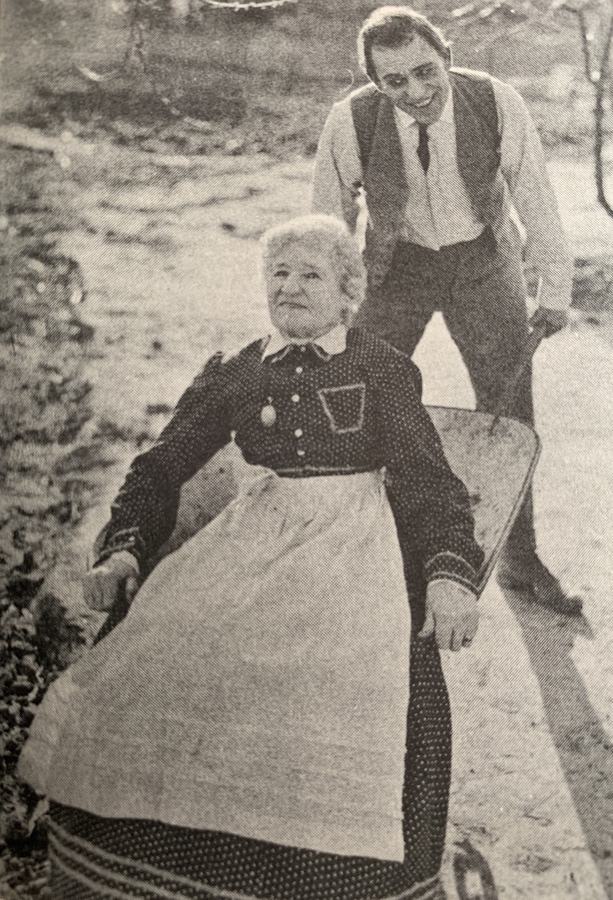
Tucker pioneers psychological symbolism through tactile cinematography. Urban sequences employ jagged shadows and canted angles, the gang often filmed through barred windows or fragmented mirrors. Countryside transitions introduce luminous diffusion—morning mist becomes visible grace, sunlight transforms into benediction. The Frog's metamorphosis receives particular visual poetry: initially shot in isolating close-ups emphasizing deformity, he later appears in two-shots with the widow, their shared frames radiating compositional harmony. When he finally stands upright without contortion, the camera pulls back to reveal his silhouette against a church spire—a secular beatification achieved through human connection rather than divine touch.
The film's moral complexity resonates in Burke's jealousy crisis. As Rose captivates a millionaire admirer, Tucker stages Burke's internal struggle through expressionist techniques: distorted perspectives mirror his unraveling psyche, quick cuts simulate homicidal ideation. His redemption arrives not through prayer, but through ego dissolution—a renunciation of possessiveness that parallels the film's broader theme of relinquishing false selves. This nuanced approach to conversion anticipates later character studies like The Family Skeleton, though Tucker avoids simplistic moralizing by grounding transformations in tangible human relationships.
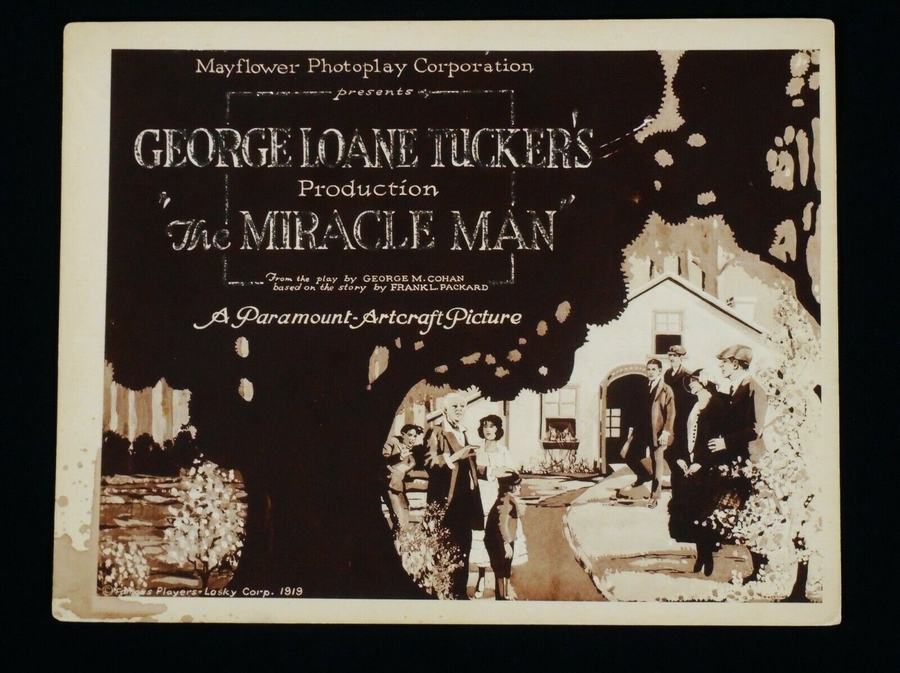
Chaney's physical vocabulary rewrites cinematic language. His contortions transcend spectacle to become theological discourse in motion—each dislocation mirrors the gang's moral distortions. The 'healing' sequence unfolds as grotesque ballet: limbs snap into place with disturbing acoustics (enhanced by title cards emphasizing sound in silence). This performance bridges two worlds: the carnivals of Cetatea Neamtului and the sacred spaces of Renaissance art. When the paralyzed boy rises, Tucker cross-cuts between Chaney's sweat-drenched performance face and the boy's dawning realization—implying that the real miracle occurs in the space between deception and reception.
The aftermath unfolds with brilliant narrative irony. As the Frog basks in accidental sainthood, his discomfort grows—not from guilt, but from the burden of undeserved reverence. His eventual confession to the widow (Ruby Lafayette) becomes the film's spiritual core: two damaged souls finding wholeness through radical honesty. Their dynamic preaches a secular gospel—that family is chosen, not inherited—directly challenging contemporaneous films like Her Official Fathers that privileged biological bonds.
The film constructs a theological marketplace where faith and currency circulate as symbiotic forces. Pilgrims arrive bearing coins and crutches—material offerings exchanged for spiritual capital. Tucker's composition frames donation boxes as modern alms dishes, overflowing with cash that literally funds the gang's redemption. This transactional spirituality reflects America's emerging consumer culture, where even miracles require capital investment. The Dope's subplot extends this metaphor: his addiction begins as economic escape before love becomes the ultimate currency of recovery—a narrative choice critiquing temperance melodramas like Dope that reduced addiction to moral failure.
Rose's journey maps the female conundrum in postwar society. Her performance of victimhood—initially a lucrative con—becomes a cage when genuine affection emerges. The millionaire suitor represents escape into respectability, yet Tucker sabotages this Cinderella trajectory by having Burke's vulnerability trump wealth. Their eventual union lacks traditional romanticism: the wedding occurs after the Patriarch's death, framed against autumnal decay rather than springtime rebirth—suggesting love flourishes in awareness of mortality. This thematic maturity distinguishes it from contemporaneous romances like The Right Direction.
The absence of dialogue births profound theological innovation. The Patriarch's muteness transforms into divine negative space—his most powerful 'dialogue' occurs through touch, foreshadowing methods in Motherhood. Tucker employs title cards sparingly, often using ellipses and fragmented phrases that mimic prayer. This textual minimalism forces audiences to interpret spiritual meaning through gesture and environment—the flutter of a curtain becomes divine breath, the Patriarch's stillness reads as holy presence. Sound manifests visually: when the paralyzed boy's crutch hits the ground, the impact tremors through multiple reaction shots before the title card's delayed 'THUD' achieves auditory resonance in pure silence.
The film's legacy lies in its moral ambivalence. Unlike later redemption arcs, the gang's transformation never fully erases their crimes. Stolen money funds new lives, miracles born from fraud remain valid, and romantic happiness blooms atop unpunished sins. This uncomfortable truth—that grace often operates independently of merit—creates enduring resonance. As contemporary cinema wrestles with complex antiheroes, Tucker's 1919 masterpiece remains startlingly modern in its refusal to offer absolution, instead proposing that redemption lives in the perpetual tension between who we were and who we strive to become.
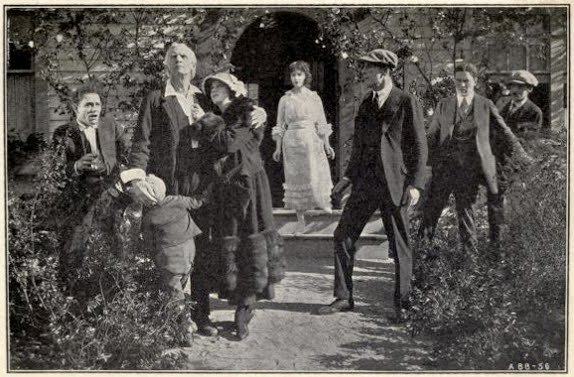
The final tableau—Tom and Rose departing the village—resists closure. Their carriage moves away from the church, not toward some Promised Land. The healing boy waves goodbye, his gait still uncertain. The widow watches her adopted son with protective anxiety. This lingering imperfection becomes Tucker's ultimate statement: redemption isn't a destination, but a continuous becoming. In a cinematic landscape increasingly dominated by moral binaries, The Miracle Man remains a testament to sacred ambiguity—a silent sermon that still preaches volumes about the messy alchemy of human transformation.
IMDb 5.8
1923
Community
Log in to comment.