DbcultAccessing Vault...
Cult Review
Senior Film Conservator
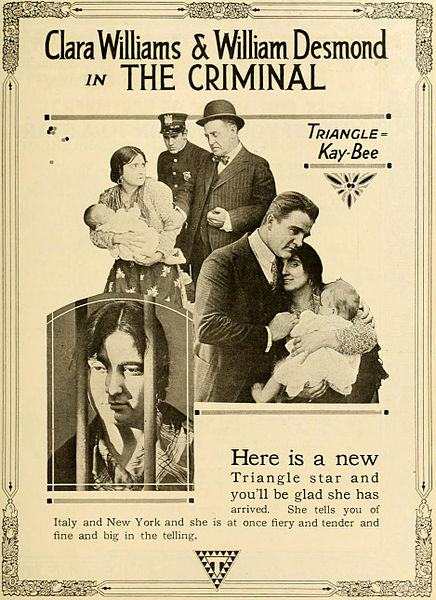
Stepping back into the nascent days of cinema, when flickering images and orchestral swells wove narratives of profound human experience without uttering a single spoken word, we encounter a film that, despite its age, resonates with an astonishingly contemporary relevance: 1916's The Criminal. Directed by an uncredited hand, but undeniably shaped by the pen of C. Gardner Sullivan, this silent melodrama transcends mere historical curiosity, offering a poignant examination of social prejudice, selfless sacrifice, and the enduring power of truth. It's a testament to the emotional potency that early filmmakers could harness, distilling complex moral quandaries into accessible, deeply affecting visual stories. Far from a simple potboiler, this film delves into the very fabric of societal judgment and the often-unseen struggles of the marginalized.
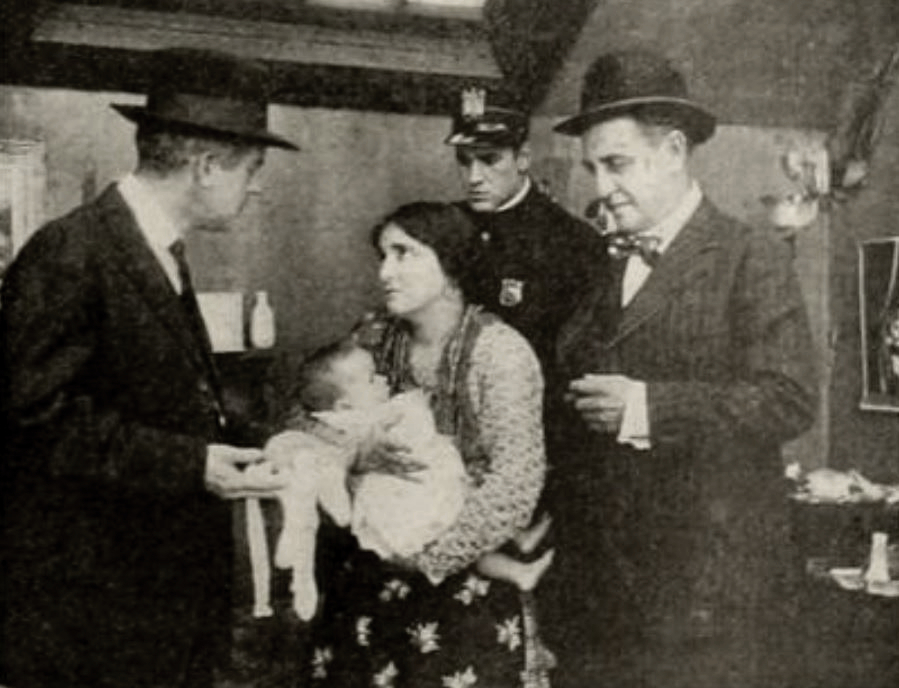
At its core, The Criminal unfurls a narrative centered on a young Italian immigrant girl, a character whose innocence and vulnerability are immediately palpable. Unburdened, or perhaps unblessed, by formal education, and navigating a new world through the lens of inherited superstition, her life is one of quiet struggle and daily toil. Her existence, largely invisible to the bustling metropolis around her, is abruptly, seismically altered by the discovery of an abandoned infant. This isn't merely a plot device; it's a dramatic catalyst that exposes the raw, unvarnished underbelly of urban poverty and the systemic disregard for human dignity. The discovery of the baby, accompanied by a note cruelly branding it illegitimate, sets in motion a chain of events that highlights the brutal realities of a society quick to judge and slow to understand. The film masterfully builds this initial scenario, drawing the viewer into the immigrant's world, a world where survival often dictates morality and where the lines between right and wrong can become tragically blurred by circumstance.
The dramatic irony intensifies as a young newspaper reporter, a familiar face from her work at a local restaurant, becomes the unwitting interpreter of the devastating note. His role as a conduit of information, initially passive, soon transforms into something far more active and ethically charged. The subsequent arrest of the immigrant girl for kidnapping, based solely on her possession of the infant and without a shred of tangible evidence, is a stark indictment of the era's legal and social biases. It underscores how easily prejudice, particularly against the poor and uneducated, could sway justice. Here, the film touches upon themes explored in other contemporary works focusing on social injustice, such as Barriers of Society, where societal structures often condemn individuals based on their station rather than their deeds.
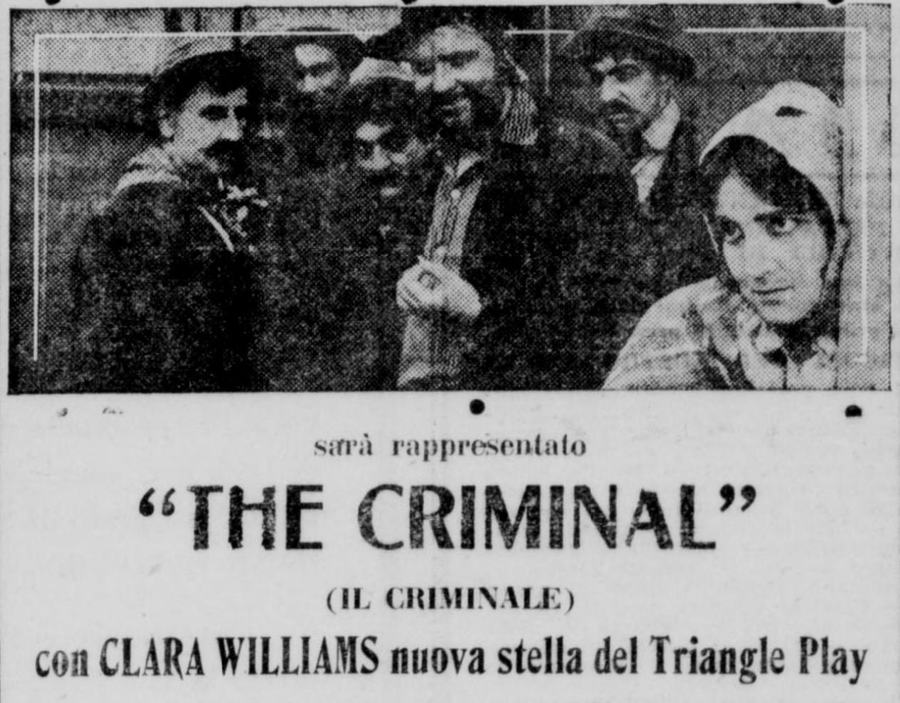
What truly elevates The Criminal beyond a simple crime drama is the protagonist’s heart-wrenching decision. Refusing to reveal the baby's true abandonment and fatherless state, she instead confesses to the fabricated crime of kidnapping. Her motivation is not self-preservation, but an act of profound, almost sacred, maternal sacrifice. Having herself experienced the silent shame of illegitimacy, she understands the societal stigma that would forever brand the innocent child. Her confession is a heroic lie, a desperate attempt to shield the infant from a lifetime of scorn. This theme of a woman's sacrifice for a child, often against overwhelming odds, is a recurring motif in silent cinema, echoed in films like For barnets skyld (For the Child's Sake), where the purity of maternal love triumphs over societal conventions. The raw emotion conveyed through the actress's (presumably Gertrude Claire, though specific roles aren't detailed in the plot) expressions, the subtle gestures, and the deliberate pacing of the scenes would have been crucial in communicating this immense inner turmoil and selfless resolve.
The narrative arc shifts compellingly with the reporter's intervention. Initially a peripheral figure, his journalistic instincts, combined with perhaps a burgeoning empathy, compel him to visit the incarcerated girl. It is within the stark confines of the jail cell that the true drama unfolds, a quiet battle between manufactured guilt and an intuitive sense of deeper justice. The reporter, portrayed by William Desmond, would have had to convey a delicate balance of skepticism and compassion, slowly chipping away at her resolve until the truth, agonizingly, emerges. This scene is pivotal, showcasing the power of human connection and the vital role of investigative journalism in a world where truth can be easily suppressed. It’s a thematic thread that finds parallels in the more adventurous, truth-seeking narratives of the era, such as The Sky Hunters, albeit with a more grounded, social realist approach.
The reporter's subsequent actions—his proposal of marriage and the adoption of the baby—serve as a powerful, if somewhat melodramatic, resolution. This ending, while perhaps idealistic, offers a glimmer of hope and redemption, suggesting that compassion and integrity can indeed overcome societal cynicism. It’s an embrace of unconventional family, a rejection of societal judgment, and a testament to the transformative power of love. Such romanticized conclusions were not uncommon in silent era melodramas, providing audiences with a sense of moral order restored, much like the triumphant conclusions found in films such as The Trey o' Hearts, though the journey to that resolution here is steeped in far more social commentary.
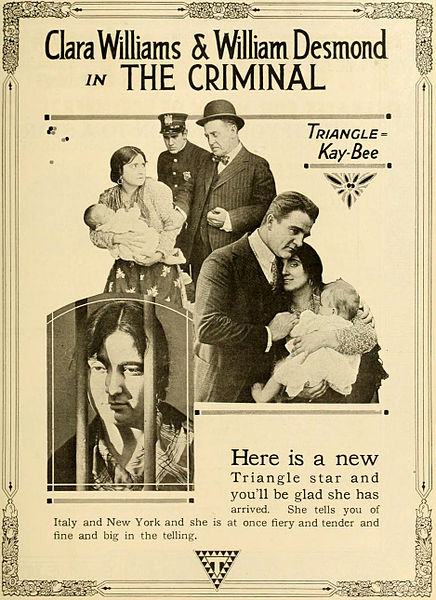
While specific performance details for Joseph J. Dowling, Gertrude Claire, Clara Williams, William Desmond, Enid Willis, Charles K. French, and Walt Whitman are not readily available from the plot synopsis alone, the success of such a narrative hinges entirely on their ability to convey profound emotion without dialogue. The silent film actor’s craft was a unique blend of exaggerated gesture, subtle facial expression, and physical presence. The young immigrant girl's anguish, her fierce protective instinct, and her ultimate resignation to a false confession would have demanded a deeply empathetic and nuanced portrayal, likely from Gertrude Claire or Clara Williams. Similarly, William Desmond's transformation from a detached observer to an impassioned advocate for justice would have required a compelling performance arc. The pacing of silent films, often dictated by intertitles and musical accompaniment, would have been crucial in building suspense during the arrest and trial, and in allowing the emotional weight of the confession scene to fully land.
The cinematography, though likely constrained by the technology of the era, would have played a vital role in establishing the stark environment of the tenements and the cold, institutional setting of the jail. Close-ups would have been employed to capture the raw emotion on the actors' faces, particularly during moments of high drama like the discovery of the baby or the girl's confession. The use of light and shadow could have further emphasized the moral ambiguity and the protagonist's internal struggle, a common technique in early cinema to convey mood and psychological depth.
The Criminal, beyond its dramatic narrative, serves as a potent piece of social commentary. It unflinchingly exposes the precarious position of immigrants in early 20th-century America, often uneducated, misunderstood, and vulnerable to the biases of the legal system. The film highlights the stark class divide and the ease with which the powerful can exploit or condemn the powerless. The very notion of an 'illegitimate' child, carrying a societal stain, speaks volumes about the moralistic judgments prevalent at the time, particularly aimed at women and the working class. This moralistic lens on female experience can be seen in other films of the era that grappled with similar societal pressures, like The Heart of a Painted Woman, which often explored the tragic consequences of societal condemnation.
Furthermore, the film champions the ideal of truth and justice, even when it requires unconventional means to achieve it. The reporter’s transformation from a casual observer to a dedicated advocate underscores the importance of critical inquiry and empathy. It’s a subtle nod to the burgeoning power of the press as a watchdog, capable of uncovering hidden injustices and challenging established norms. This theme of justice prevailing, often through a hero's determined efforts, is a timeless one, echoing through countless narratives from One of Our Girls to more contemporary legal dramas.
While perhaps not as widely known as some of its contemporaries, The Criminal remains a compelling example of early silent cinema's ability to craft emotionally rich and socially resonant stories. It reminds us that fundamental human experiences—compassion, injustice, sacrifice, and the search for truth—are timeless. The film’s power lies in its simplicity, allowing the raw emotion of its premise to shine through. It’s a narrative that would continue to be reinterpreted in various forms throughout cinematic history, proving the enduring appeal of stories where the innocent are wrongly accused and unlikely heroes emerge to right the wrongs.
For enthusiasts of film history, The Criminal offers a valuable glimpse into the narrative conventions and social concerns of the 1910s. It showcases how filmmakers, even with rudimentary technology, could construct intricate moral dilemmas and evoke profound empathy from their audiences. It stands as a testament to the collaborative art of silent film, where the writer's vision, the director's guidance, the cinematographer's eye, and the actors' expressive performances converged to create a powerful, unforgettable experience. This film, like many hidden gems of its era, such as Atop of the World in Motion or The Eternal Question, deserves to be rediscovered and appreciated for its contribution to the evolving language of cinema and its timeless human story. Its blend of melodrama and social realism makes it a fascinating study, demonstrating the nascent medium's capacity for both entertainment and profound commentary.
In conclusion, The Criminal is more than just a historical artifact; it is a vibrant, emotional narrative that speaks to the enduring human spirit in the face of adversity. It's a reminder that sometimes, the greatest acts of love are born from the deepest sacrifices, and that truth, no matter how obscured, often finds a way to surface, guided by courage and compassion.

IMDb —
1921
Community
Log in to comment.