DbcultAccessing Vault...
Cult Review
Senior Film Conservator
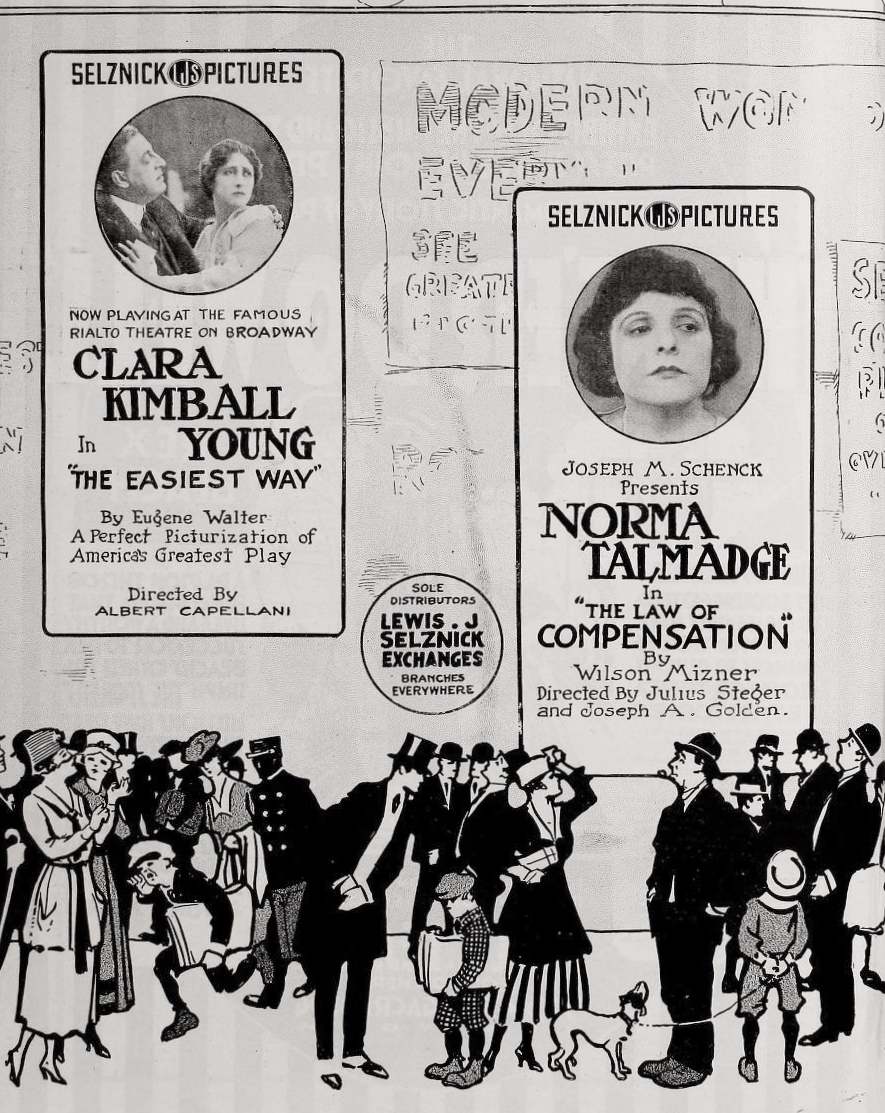
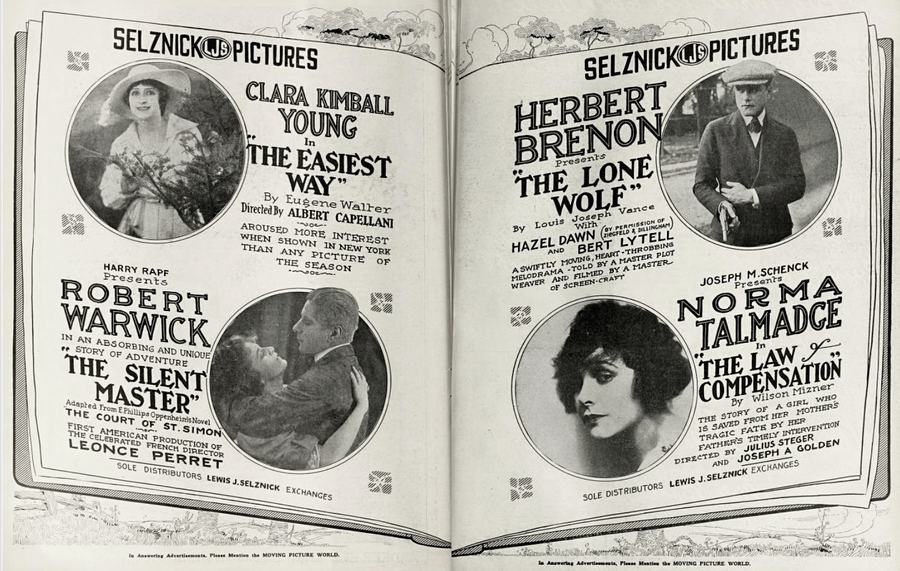
From the shadowy depths of 1917, The Easiest Way emerges as a searing, profoundly human drama, a silent film that speaks volumes about the societal constraints and moral compromises faced by women in an era defined by rigid expectations and burgeoning ambition. Directed with a keen eye for psychological nuance by Albert Capellani and starring the luminous Clara Kimball Young, this cinematic artifact transcends its age, delivering a narrative that is as heartbreakingly relevant today as it was over a century ago. It’s a film that dares to scrutinize the true cost of survival and the elusive nature of 'the easiest way' when every path is fraught with peril.
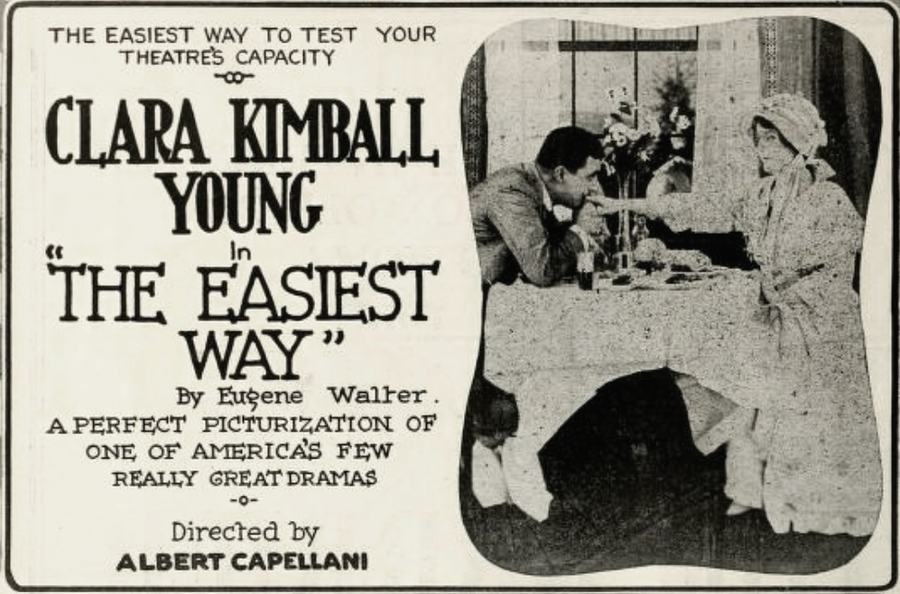
At the heart of this unfolding tragedy is Laura Murdock, a young actress whose life takes an abrupt, devastating turn with the untimely demise of her inebriated husband. This sudden widowhood, rather than offering liberation, thrusts her into the unforgiving crucible of New York's theatrical landscape. Laura, portrayed with an exquisite blend of vulnerability and steely resolve by Young, finds herself caught in a relentless eddy of professional jealousies and political machinations. The stage, meant to be her sanctuary and her platform for self-expression, becomes instead a battleground where talent alone is insufficient to secure one's footing. Her initial forays into the city's vibrant but treacherous entertainment scene are met with a wall of indifference and thinly veiled hostility, each audition a stark reminder of the systemic barriers confronting an unattached woman striving for independence.
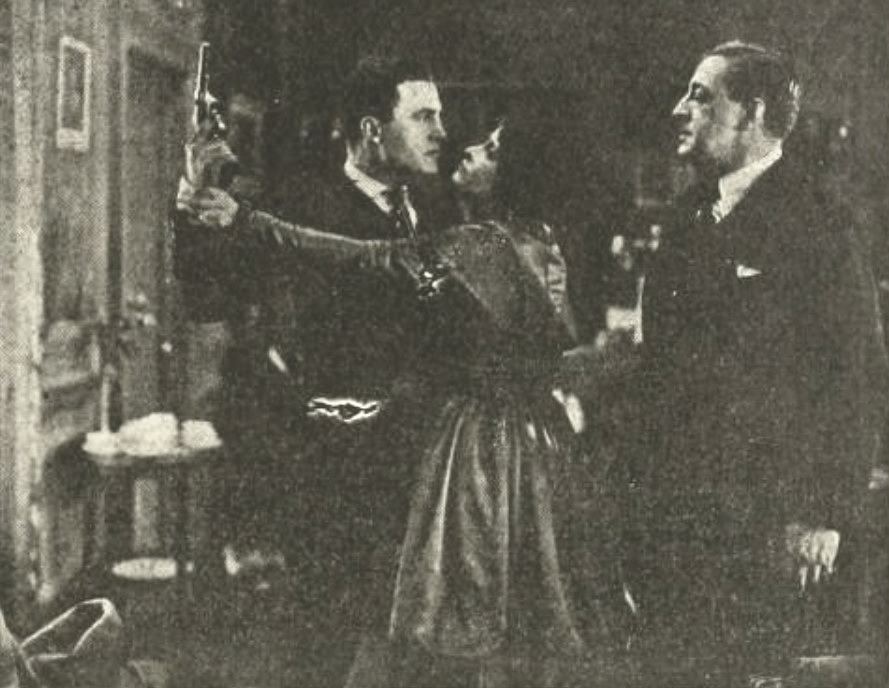
It is within this maelstrom of desperation that Willard Brockton, a powerful and affluent broker, enters Laura’s life, a figure whose presence promises opportunity but ultimately exacts a devastating toll. Initially, Brockton had spurned requests to finance a new production, his interest piqued only when Laura’s striking beauty and undeniable talent cross his path. His subsequent decision to bankroll the theatrical venture is not an act of pure philanthropy, but a calculated investment in Laura herself. He demands, with chilling clarity, that she be granted the lead role, effectively leveraging his considerable financial might to propel her career. This arrangement, however, comes with an unspoken, yet universally understood, price: the “customary reward.” Laura, despite her internal struggle and a fierce desire to maintain her autonomy, finds herself cornered. The allure of professional triumph, juxtaposed with the stark reality of her dwindling resources, forces her into a relationship of dependence, a silent pact that slowly erodes her spirit. This narrative thread, where a woman's professional advancement is inextricably linked to her personal subjugation, resonates with the themes explored in other melodramas of the era, though The Easiest Way renders it with a particularly poignant and unsparing gaze. The transaction is clear, even if veiled in polite society's euphemisms, highlighting the stark power imbalances of the time.
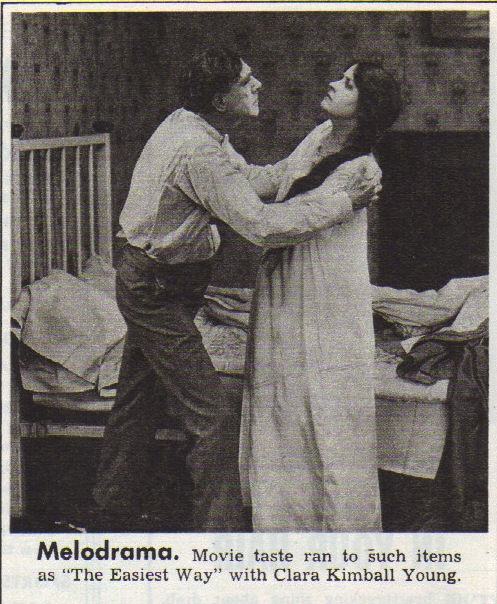
A temporary reprieve arrives in the form of a summer engagement in Denver, a change of scenery that momentarily lifts the suffocating weight of her New York entanglement. Here, amidst the rugged beauty of the West, Laura encounters John Madison, a newspaper writer whose earnestness and integrity offer a stark contrast to Brockton's cynical pragmatism. Their burgeoning romance is a tender blossoming, a fragile hope for a life built on genuine affection rather than transactional dependency. Madison, however, is a man of modest means, unable to offer Laura the material security that has, ironically, become her burden. Brockton's arrival in Denver shatters this idyllic interlude, his contempt palpable as he dismisses the notion of Madison marrying the now 'luxury-loving' Laura. His words are a cruel reminder of the gilded cage Laura inhabits, a cage he himself forged. Despite Brockton's sneering pronouncements, Laura pledges her fidelity to Madison, promising to wait for him. Brockton, ever the manipulator, agrees to inform Madison should Laura ever return to him, a promise that will later become a crucial instrument of her undoing.
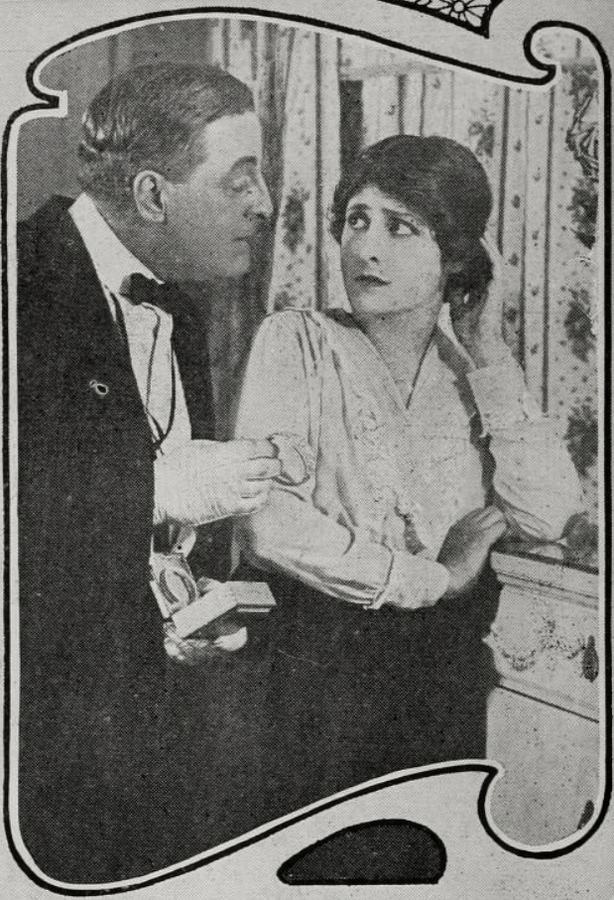
Upon her return to New York, the suffocating grip of Brockton's influence tightens. His insidious network ensures that Laura finds herself professionally blacklisted, every door to legitimate employment slammed shut. Isolated and increasingly desperate, with her financial resources dwindling to nothing and no word from Madison – a silence orchestrated by Brockton's deliberate withholding of the promised letter – Laura succumbs to the inevitable. She renews her fraught relationship with Brockton, seeing it as the only viable course of action, a tragic testament to the systemic lack of options available to women in her predicament. The film masterfully portrays her internal anguish during this period, leveraging Young's expressive performance to convey the profound shame and resignation that accompany her decision. The ultimate act of betrayal, both to Madison and to herself, unfolds when Brockton dictates a letter to Madison, coldly informing him of Laura's return to his care. Laura, in a desperate, almost instinctual act of self-preservation and a lingering flicker of hope, promises to mail it, only to burn the incriminating missive instead. This pivotal moment, a silent scream against her fate, underscores the tragic irony of her situation.
In a cruel twist of fate, Madison, unbeknownst to Laura, strikes gold, transforming his fortunes overnight. He rushes to New York, eager to claim his beloved, only to discover the devastating truth of Laura's renewed bondage to Brockton. Her tearful confession about the burned letter, a desperate attempt to cling to a love that was already slipping away, shatters Madison's idealized image of her. Deserted by both men – one a captor, the other a shattered idealist – Laura's spirit fractures irrevocably. She plunges into the hedonistic maelstrom of Broadway's nightlife, seeking oblivion in its fleeting, artificial pleasures. Yet, the emptiness and superficiality of this world only deepen her despair. The scene where she attempts to lose herself in the dissipation is visually striking, a stark portrayal of a soul adrift. Finding no solace, only profound disgust, she seeks a final, desperate escape in the cold, unforgiving embrace of the river. Her attempted suicide is a powerful, gut-wrenching moment, a culmination of sustained emotional torment and societal abandonment.
Rescued from the brink of death, Laura is taken to a hospital, her life hanging by a thread. Madison is notified, and it is here, in the sterile confines of the hospital, that he finally learns the full, agonizing truth of her valiant struggle to remain true to him against insurmountable odds. The revelation of her desperate fight, her attempts to resist Brockton's influence and to cling to the memory of their love, softens his hardened heart. He rushes to her side, arriving just in time to offer his understanding and, crucially, his forgiveness. In a final, poignant tableau, Laura, released from her torment and finally understood, draws her last breath in the arms of the man who, at last, sees her for who she truly is, not for the choices forced upon her. The film's conclusion is not one of triumph, but of tragic absolution, a quiet, devastating end to a life defined by external pressures and internal fortitude.
Clara Kimball Young's performance as Laura Murdock is nothing short of masterful. In an era devoid of spoken dialogue, Young's ability to convey a spectrum of complex emotions – from ambition and nascent love to profound despair and resignation – is a testament to the power of silent acting. Her expressive eyes, subtle gestures, and nuanced body language create a character who is intensely relatable, drawing the audience into her internal struggles. She embodies the archetype of the 'fallen woman' with a dignity that challenges the judgmental norms of the time, inviting empathy rather than condemnation. The film's direction by Albert Capellani, with its careful framing and deliberate pacing, allows Young's performance to shine, utilizing the visual language of cinema to its fullest extent. The collaboration between Capellani and writers Eugene Walter and Frederick Chapin crafts a narrative that is both melodramatic and deeply psychological, a rare feat for the period. For a similar exploration of a woman's struggle against societal judgment and the sacrifices made for love, one might draw parallels to films like Madame X, though The Easiest Way maintains its unique focus on economic coercion and the theatrical world's pitfalls.
The enduring relevance of The Easiest Way lies in its unflinching critique of societal double standards and the economic coercion that often dictated women's lives. It's a film that asks profound questions about agency, morality, and the true meaning of 'choice' when options are severely limited. The title itself is a poignant irony; for Laura, there is no easy way, only a series of increasingly difficult compromises that ultimately lead to her undoing. The film's commentary on the corrosive nature of wealth when wielded without empathy, and the profound impact of societal expectations on individual lives, remains as potent today as it was in 1917. It stands as a powerful testament to the often-overlooked strength of women caught in impossible circumstances, and the tragic consequences when that strength is finally overwhelmed. The themes of a woman navigating a challenging professional and personal landscape, often against powerful male figures, can be subtly echoed in films like Her Own Way, underscoring a common thread in early cinema's exploration of female resilience.
In its quiet despair and profound humanism, The Easiest Way solidifies its place as a significant piece of cinematic history. It's not merely a melodrama; it's a social commentary wrapped in a tragic love story, a film that challenges its audience to look beyond surface judgments and understand the complex forces that shape a person's destiny. The film's artistic merit, coupled with its powerful emotional resonance, ensures its legacy as a compelling and thought-provoking work that continues to speak to the struggles of ambition, love, and sacrifice in a world that often demands too much.
IMDb —
1917
Community
Log in to comment.