DbcultAccessing Vault...
5.6/10
Senior Film Conservator
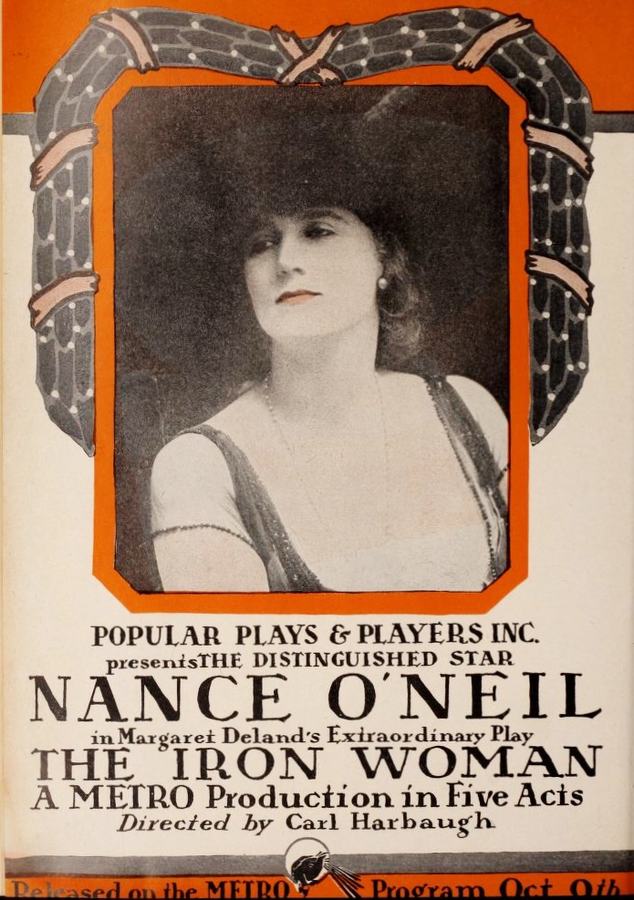
A definitive 5.6/10 rating for a film that redefined the boundaries of cult cinema. The Iron Woman remains a cornerstone of transgressive art.
In the annals of early American cinema, amidst the burgeoning landscape of narrative filmmaking, certain pictures stand as towering testaments to the era's capacity for profound storytelling. Among these, "The Iron Woman", an adaptation of Margaret Deland's celebrated novel, emerges not merely as a melodrama of its time but as a nuanced exploration of character, morality, and the relentless forces that shape human destiny. Directed with a keen eye for emotional resonance and featuring a cast that brings a palpable intensity to their roles, this silent film offers a window into the societal anxieties and moral quandaries that captivated audiences over a century ago. It's a narrative that, despite its period trappings, resonates with a timeless quality, examining the intricate dance between personal ambition and familial duty, between illicit desire and the yearning for redemption.
The film introduces us to Sarah Maitland, a character as formidable and unyielding as the very steel her mill produces. She is a woman of immense will, her life a carefully calibrated symphony of industrial dominion and maternal devotion. Her steel mill, a roaring behemoth of industry, is a physical manifestation of her strength, while her children, Blair and Nannie, represent her softer, more vulnerable side – a future she hopes to mold with unwavering ethical principles. This duality forms the bedrock of her existence, creating a fascinating portrait of a woman who defies conventional gender roles of her time, yet remains deeply invested in the moral upbringing of her offspring. Her commitment to raising Blair and Nannie to be honest and caring individuals underscores her belief in the power of virtue, a belief that will soon be severely tested by the very son she so diligently strives to guide.
The dramatic catalyst arrives in the form of Blair's morally ambiguous actions. Einar Linden, in a performance that deftly navigates the treacherous waters of charm and callousness, portrays Blair as a character whose self-interest tragically eclipses his capacity for empathy. His calculated seduction of Elizabeth Ferguson, the fiancée of his best friend, Dr. David Ritchie (Alfred Hickman), is not merely a youthful indiscretion but a deliberate act of betrayal that shatters the fragile peace of their tight-knit community. This act, culminating in a marriage born of deceit rather than genuine affection, sets in motion a chain of events that will unravel the lives of everyone involved. Vera Sisson, as Elizabeth, embodies the conflicted woman caught between the allure of a superficial passion and the quiet steadfastness of true love. Her initial choice, driven perhaps by a misguided sense of excitement or social aspiration, quickly gives way to a profound sense of regret, a realization that the gilded cage of her marriage to Blair offers no true happiness.
Elizabeth's subsequent plea to David, her former fiancé, to take her back is a moment of raw vulnerability and desperate longing. It's a scene that speaks volumes about the human capacity for error and the yearning for a second chance. However, the path to reconciliation is not straightforward, complicated by societal strictures and the wisdom of experience. Helena (Christine Mayo), David's mother, emerges as a voice of reason and caution, drawing upon her own personal history – a past presumably scarred by similar moral dilemmas – to warn the couple against the perilous consequences of an extramarital affair. Her counsel is not born of judgment but of a deep understanding of the pain and societal condemnation that such a path could bring, a thematic thread that echoes in other melodramas of the era, such as The Galley Slave or even Through the Valley of Shadows, which similarly explore the societal and personal costs of transgression.
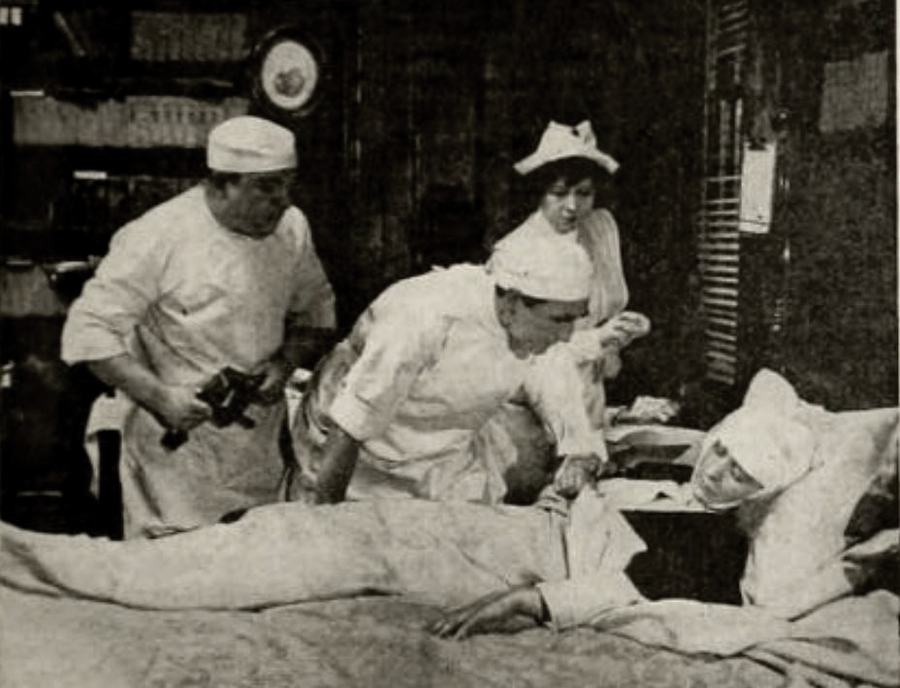
The narrative then escalates dramatically with Sarah's near-fatal accident at her steel mill. This isn't merely a plot device; it's a symbolic confrontation between the 'Iron Woman' and the very industrial force she commands. The mill, a symbol of her strength, becomes the site of her vulnerability, bringing her to the brink of death. Doctors predict her demise, casting a pall of despair over the community. It is in this moment of profound crisis that Dr. David Ritchie, the man wronged by Blair, rises to the occasion. His medical expertise and unwavering dedication not only save Sarah's life but also underscore his inherent goodness and the depth of his character, further highlighting the contrast with Blair's earlier moral failings. This act of heroism is a pivotal turning point, not just for Sarah, but for the moral compass of the entire story.
Blair's subsequent visit to his recovering mother is charged with a newfound sense of remorse and self-awareness. Confronted by Sarah's fragility and the stark reality of his own actions, he undergoes a significant transformation. His vow to divorce Elizabeth so that she can marry David, the man she truly loves, signifies a profound act of redemption. It's a moment where the 'iron' in the family's character, initially embodied by Sarah's strength, is now tempered by Blair's newfound moral fortitude. This resolution, while perhaps fitting the melodramatic conventions of the time, also speaks to a universal truth: that even the most misguided among us can find a path to atonement and self-correction. The film, in this sense, offers a glimmer of hope, suggesting that love, when true and unburdened by deceit, can ultimately triumph.
The performances in "The Iron Woman" are a masterclass in silent film acting, relying heavily on exaggerated gestures, expressive facial movements, and the sheer power of presence to convey complex emotions. Nance O'Neil, as Sarah Maitland, commands the screen with a powerful yet nuanced portrayal of a woman torn between her public persona and her private anxieties. Her physical presence alone conveys the formidable strength implied by the film's title, yet her moments of maternal tenderness and vulnerability are equally compelling. Einar Linden, as Blair, manages to make his character's initial charm believable, which then makes his eventual moral downfall all the more impactful. His transformation from a caddish seducer to a repentant son is handled with a subtlety that belies the often broad strokes of silent acting.
Vera Sisson's Elizabeth is a poignant figure, her internal conflict palpable through her expressions and body language. She captures the essence of a woman grappling with a monumental mistake, her longing for David a visible ache. Alfred Hickman's Dr. David Ritchie is the embodiment of quiet integrity, his stoicism a stark contrast to Blair's impulsiveness. His portrayal of a man wronged, yet capable of immense compassion and heroism, is particularly effective. Christine Mayo's Helena, David's mother, provides a grounding force, her maternal wisdom a beacon in the storm of emotional turmoil. Even supporting roles, like those played by Evelyn Brent and William Postance, contribute to the rich tapestry of the narrative, each actor understanding the unique demands of silent storytelling.
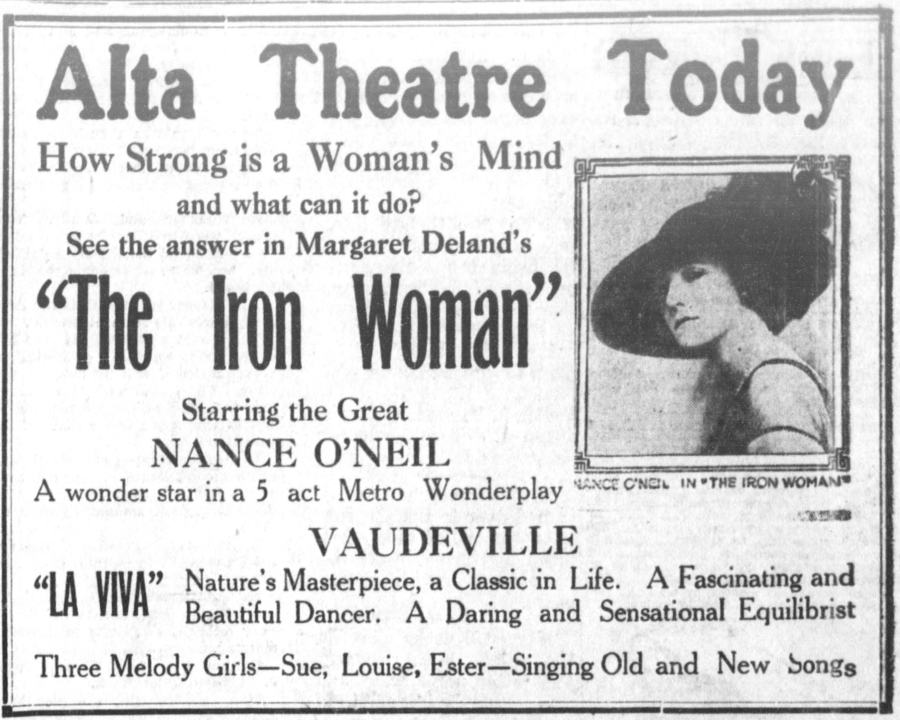
Wallace Clifton's adaptation of Margaret Deland's novel is noteworthy for its ability to distill the essence of the source material into a visually compelling narrative. Deland's original work was celebrated for its realistic portrayal of American life and its exploration of moral dilemmas, themes that Clifton successfully translates to the screen. The writers of this era often faced the challenge of conveying intricate plot points and character motivations without dialogue, relying on intertitles and visual cues. Clifton's script, while adhering to the conventions of the time, ensures that the emotional stakes remain high and the character arcs are clear, allowing the audience to follow the complex interplay of relationships and moral choices. This ability to translate literary depth into cinematic spectacle is a hallmark of successful early adaptations, much like the work seen in The Mill on the Floss.
The direction of "The Iron Woman", while not credited in the provided information, demonstrates a clear understanding of visual storytelling. The staging of scenes, particularly within the steel mill, is effective in conveying both the grandeur and the inherent dangers of industrial life. The use of close-ups to capture the nuanced emotions of the actors, and wider shots to establish the setting and the social dynamics, is indicative of a maturing cinematic language. The film's pacing, crucial in silent cinema, builds tension effectively, leading to the dramatic crescendo of Sarah's accident and Blair's eventual redemption. This careful craftsmanship ensures that the audience remains engaged, even without the benefit of spoken dialogue or a modern, rapid-fire editing style.
Thematic resonance is a powerful aspect of "The Iron Woman." Beyond the surface-level melodrama, the film delves into profound questions about the nature of love, the corrosive effects of deceit, and the possibility of moral redemption. Sarah Maitland, as the titular 'Iron Woman,' represents the struggle of women to assert their agency and power in a male-dominated world, while simultaneously navigating the traditional roles of motherhood and moral guardianship. Her character challenges preconceived notions of femininity, presenting a figure of immense strength and resolve, a theme that can be seen in other films focusing on strong female leads of the era, such as Gold and the Woman or even Such a Little Queen. The film also explores the generational transfer of values, and the painful realization that even the most diligent upbringing cannot entirely insulate children from making their own mistakes.
The industrial setting of the steel mill is more than just a backdrop; it's a character in itself, embodying the raw power and potential danger of progress. The accident at the mill serves as a potent metaphor for the fragility of life and the unforeseen consequences that can arise from both human error and the relentless march of industry. This juxtaposition of personal drama against a backdrop of industrial might adds a layer of depth to the narrative, grounding the emotional turmoil in a tangible, working-class reality that was highly relevant to audiences of the time. This fusion of personal narrative with larger societal forces is a recurring motif in cinematic history, from early industrial dramas to contemporary films.
Comparing "The Iron Woman" to other films of its period reveals its unique strengths. While films like The Squaw Man explored cultural clashes and frontier justice, and Daphne and the Pirate offered lighter adventure, "The Iron Woman" stakes its claim in the realm of serious moral drama. It shares a thematic kinship with films that delve into the complexities of human relationships and the consequences of moral choices, such as The Conquest of Canaan, which also features a protagonist grappling with societal expectations and personal integrity. The film's exploration of redemption, particularly Blair's arc, resonates with the redemptive narratives found in works like Heroes of the Cross, albeit in a more secular, social context.
In conclusion, "The Iron Woman" stands as a compelling example of early silent cinema's ability to craft intricate, emotionally resonant narratives. Its enduring appeal lies not just in its dramatic plot, but in its profound character studies and its timeless exploration of morality, love, and redemption. The film, through its powerful performances and thoughtful direction, transcends its historical context to offer insights into the human condition that remain relevant today. It is a testament to the talent of its cast and crew, and a reminder that even in the nascent stages of filmmaking, artists were capable of producing works of significant depth and impact. For those interested in the evolution of cinematic storytelling and the rich history of melodrama, "The Iron Woman" is an essential viewing experience, a vibrant piece of cinematic heritage that continues to speak volumes about the complexities of life and love in an ever-changing world.

IMDb 6.5
1912
Community
Log in to comment.