DbcultAccessing Vault...
7.5/10
Senior Film Conservator
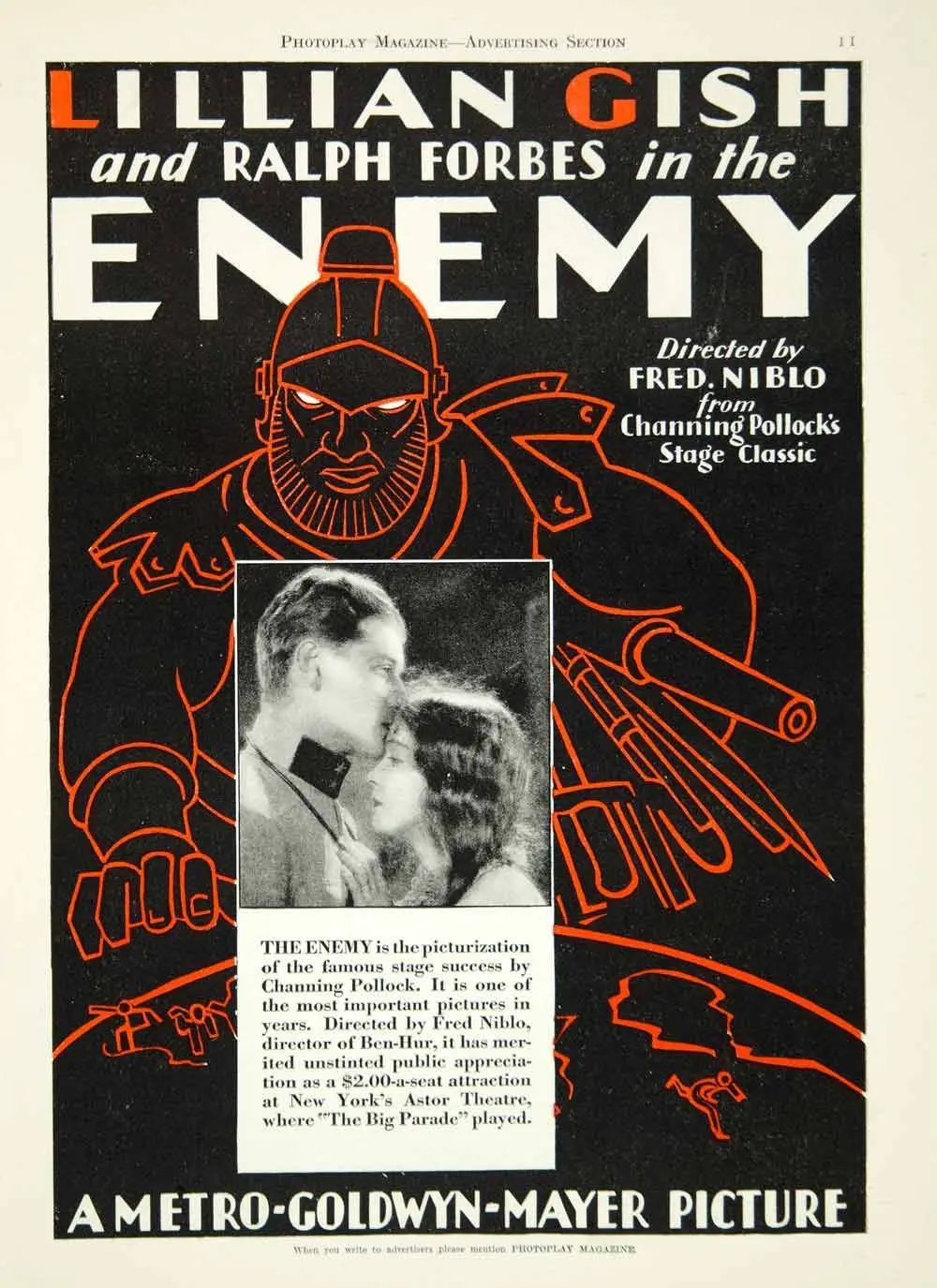
A definitive 7.5/10 rating for a film that redefined the boundaries of cult cinema. The Enemy remains a cornerstone of transgressive art.
Is Fred Niblo’s 1927 anti-war epic still worth your time today? Short answer: Yes, but only if you are prepared for a relentless descent into the psychological and physical degradation of the human spirit. It is not a film for the faint of heart or those seeking the escapism of a typical silent-era romance.
This film is for the serious cinephile, the history student, and anyone who prefers their war stories told through the eyes of the hungry and the forgotten rather than the heroic. It is emphatically not for those who demand fast-paced action or a sanitized version of early 20th-century history.
1) This film works because it refuses to look away from the domestic consequences of geopolitical pride, anchored by a performance from Lillian Gish that is nothing short of transcendent.
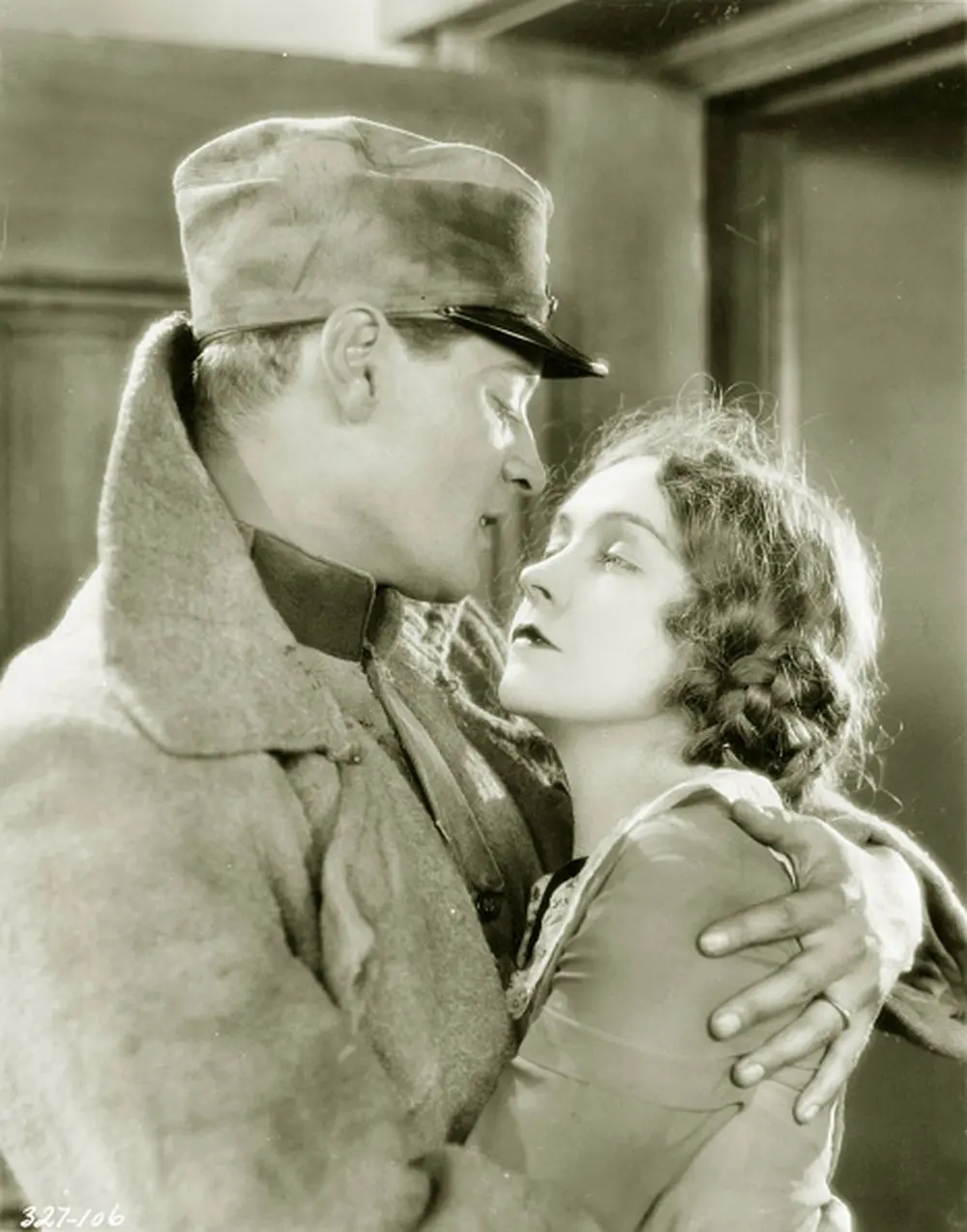
2) This film fails because its middle act occasionally succumbs to the repetitive rhythms of melodrama, losing the sharp edge of its political critique in favor of tear-jerking tropes.
3) You should watch it if you want to understand how silent cinema could be used as a powerful tool for social protest, rivaling the impact of modern anti-war cinema.
The Enemy does something that many films of its era, like The Covered Wagon, avoided: it focuses entirely on the erosion of the civilian soul. While other films were busy mythologizing the expansion of frontiers or the glory of the charge, Niblo and Gish were interested in the price of bread and the coldness of an empty bed.
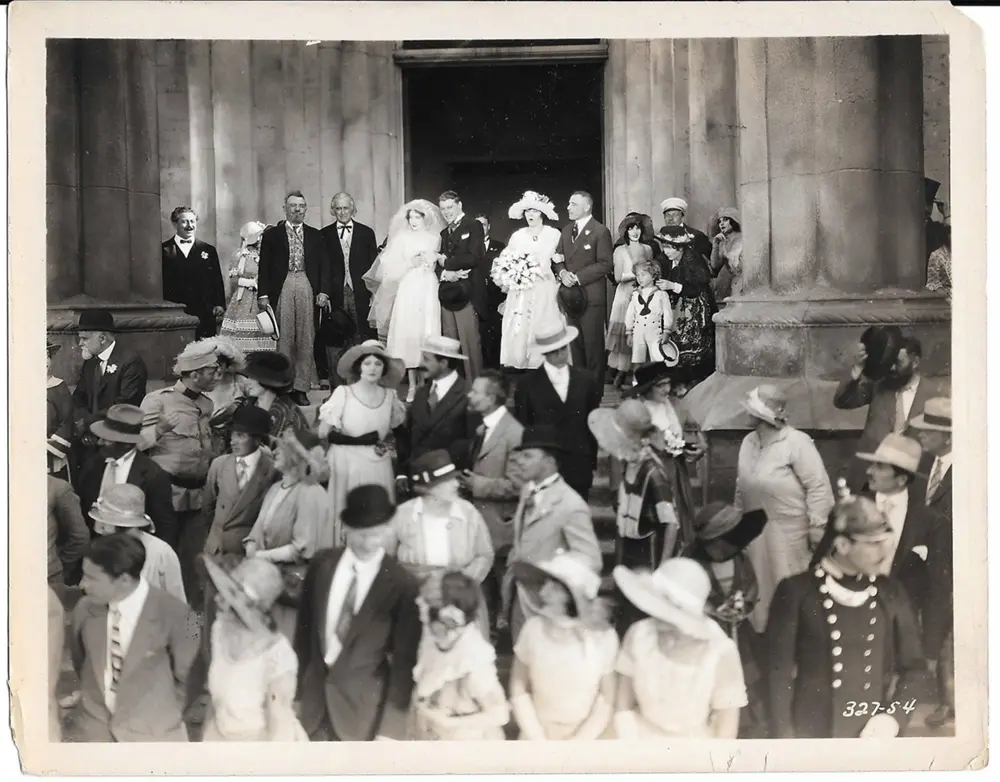
The film’s greatest strength lies in its claustrophobia. We see the world through Pauli’s eyes, and as the war progresses, her world shrinks. The sprawling, comfortable home of the early scenes—filled with light and the intellectual vibrancy of her father’s teachings—slowly transforms into a dark, skeletal cage. The production design here is subtle but effective; notice how the shadows grow longer and the furniture becomes sparser as the family is forced to sell their belongings just to survive.
There is a specific scene where Pauli’s father, the professor, is dismissed from his post. The way Niblo frames this moment—with the professor standing small against the massive, cold architecture of the university—perfectly captures the individual’s helplessness against the state. It’s a brutal observation. The state doesn't just want your body for the front; it wants your mind, and if you won't give it, it will starve you.
Lillian Gish was often typecast as the fragile waif, but in The Enemy, she displays a grit that is terrifying. If you’ve seen her work in Remodeling Her Husband, you know she has range, but here she taps into something primal. Her performance isn't about grand gestures; it’s about the vacancy in her eyes as she waits for news from the front.
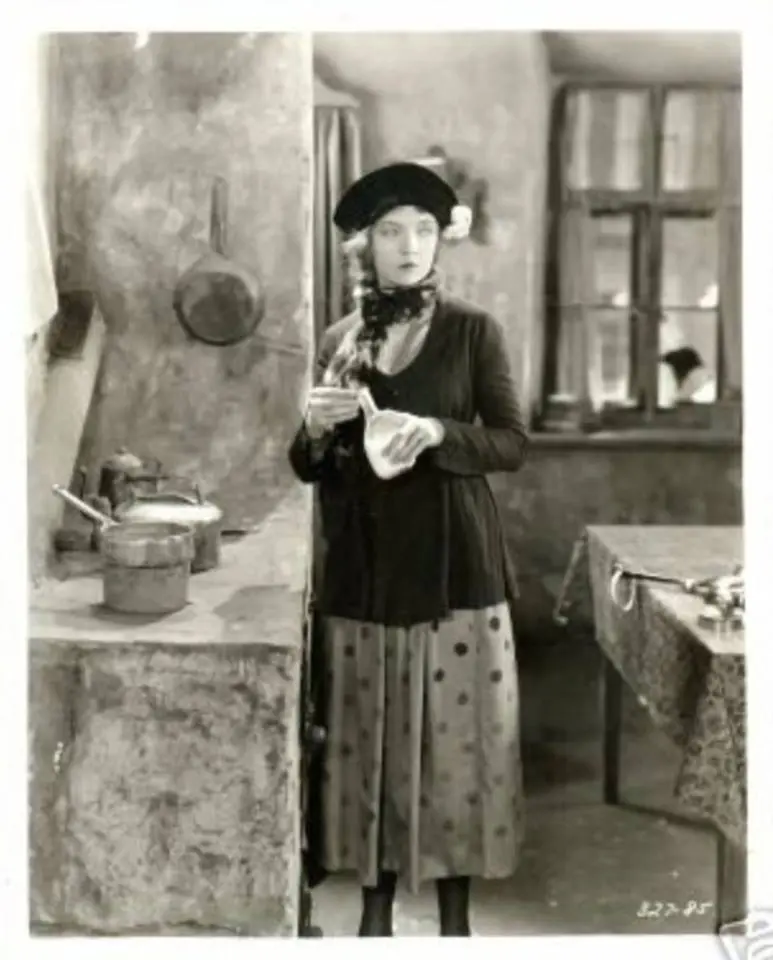
Consider the moment when she is forced to confront Carl’s father. The two represent the extremes of the era: the grieving victim and the profiteering patriarch. Gish doesn't scream. She doesn't have to. The way she holds her shawl around her, as if trying to keep her very soul from escaping, says more than any title card ever could. It is a masterclass in economy of motion.
The supporting cast, including Ralph Forbes and George Marion, do admirable work, but they are often eclipsed by Gish’s gravity. Ralph Forbes, as Carl, manages to convey the hollow shell of a man broken by the front, but the film’s heart remains with Pauli. It is her war, fought in the kitchen and the bread line, that feels most urgent.
Yes, The Enemy is essential viewing for anyone interested in the evolution of the anti-war film. It provides a rare, unvarnished look at the civilian cost of war that was largely ignored by Hollywood in the decades that followed. While it lacks the kinetic energy of a modern blockbuster, its emotional weight is undeniable. It is a film that demands your attention and rewards it with a profound sense of empathy.
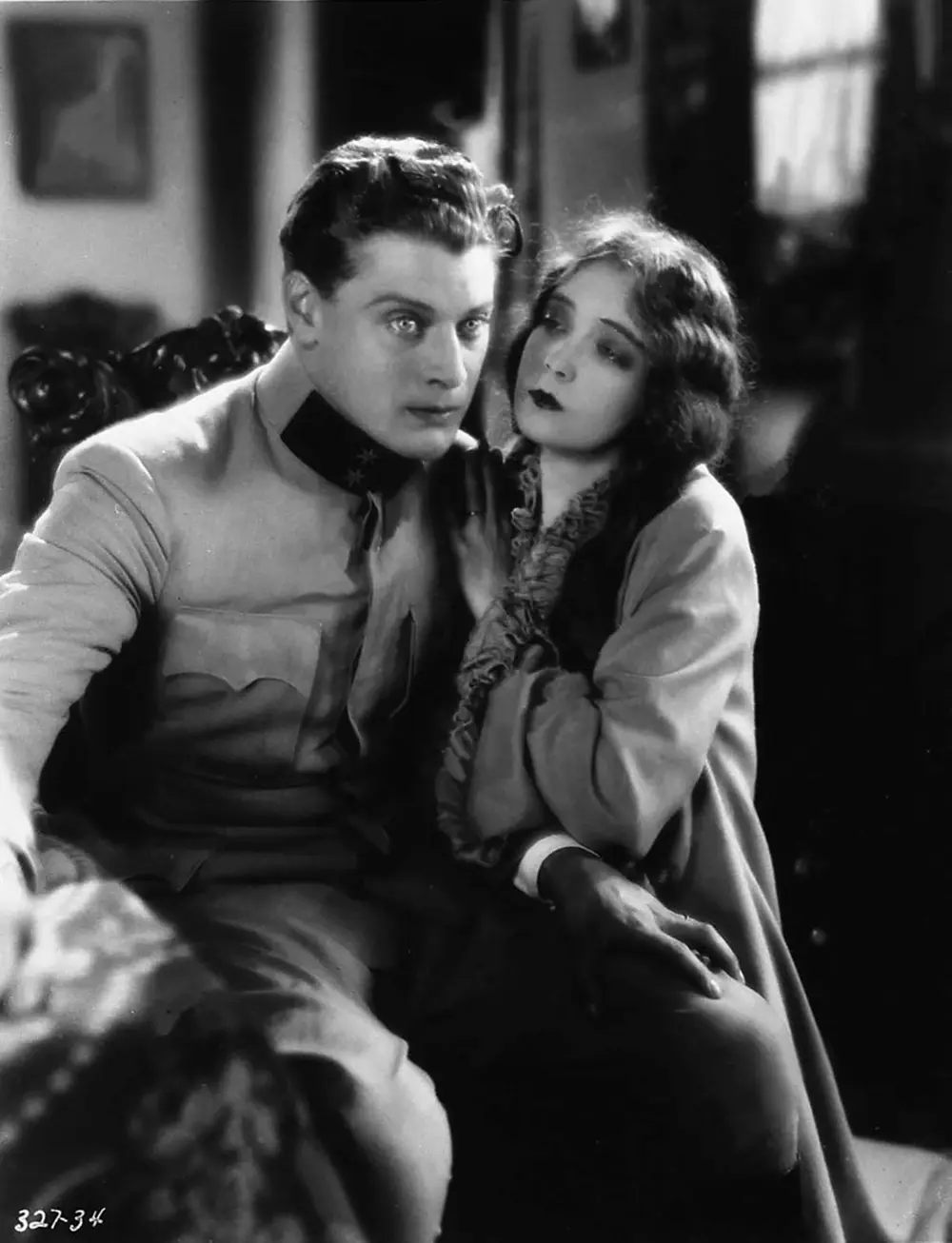
The conflict between the two fathers is the film's intellectual spine. One father teaches that war is an inherent evil, a failure of the human imagination. The other sees it as a necessary, even profitable, inevitability. This isn't just a plot point; it’s a debate that was raging in 1927 and continues to rage today.
The film takes a hard stance. It doesn't stay neutral. It portrays the pro-war businessman not as a villain in a black hat, but as something worse: a man blinded by his own comfort. This makes the eventual tragedy feel more like an indictment of an entire class rather than just a personal failing. It’s a bold move for a film produced in the late 20s, a period often remembered for its optimism.
However, the film occasionally trips over its own earnestness. Some of the arguments between the fathers feel a bit like reading a pamphlet rather than watching a drama. The dialogue on the title cards can be heavy-handed, lacking the nuance found in the visual storytelling. It works. But it’s flawed.
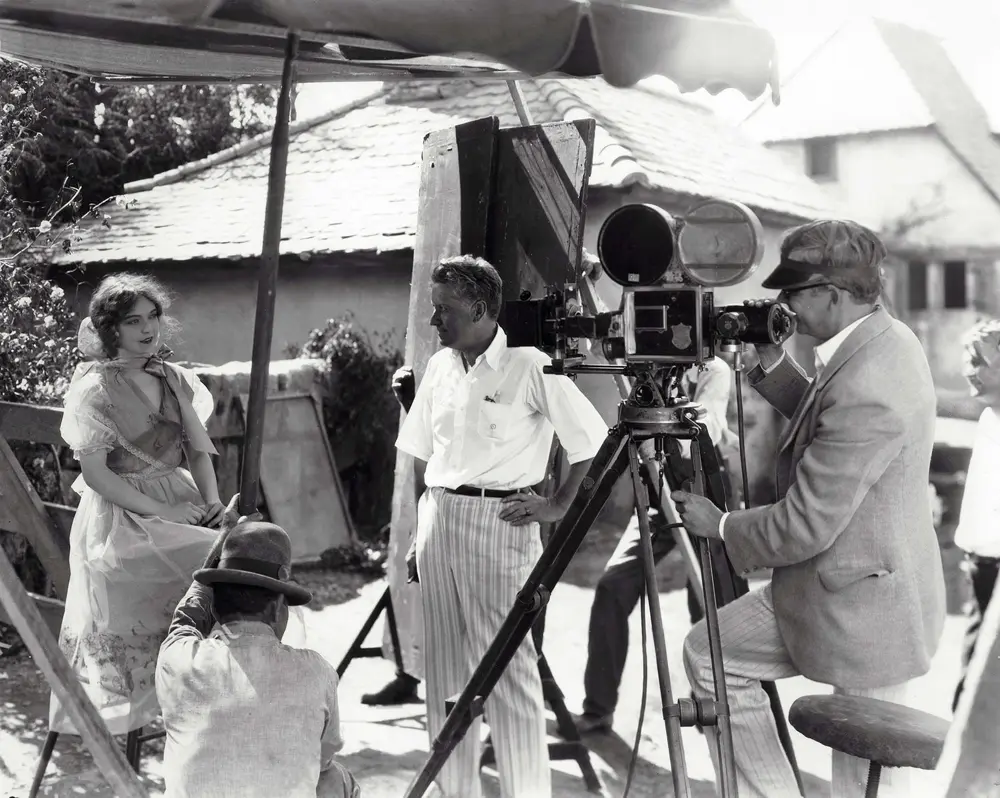
Technically, The Enemy is a sophisticated piece of filmmaking. The cinematography by Silas Hitchcock and Oliver Marsh uses light to tell the story of the family's decline. The early wedding scenes are bathed in a soft, ethereal glow, while the later scenes of poverty are shot with a harsh, high-contrast realism that feels almost like a documentary.
The pacing, however, is where modern audiences might struggle. The film takes its time—perhaps too much time—establishing the domestic bliss of the opening act. This slow burn is intentional, designed to make the subsequent fall feel more painful, but there are stretches in the second act where the narrative momentum stalls. It’s a grueling experience, and by the time the climax arrives, the audience is as exhausted as the characters.
Unlike the more sensationalist dramas of the time, such as The Vortex or Scars of Jealousy, The Enemy avoids easy shocks. It relies on the slow accumulation of misery, which is far more effective in the long run but requires a patient viewer.
Pros:
Cons:
The Enemy is a somber, necessary piece of cinema that strips the 'Great' out of the Great War. It is a film about the enemies we make of our neighbors and the ways in which ideology can blind us to the suffering of those we love. While it may feel dated in its more melodramatic moments, the core of the film—the human cost of institutionalized violence—is timeless.
Lillian Gish proves once again why she was the undisputed queen of the silent screen. Her performance is the glue that holds this harrowing narrative together. If you can handle the bleakness, you will find a film that is as intellectually stimulating as it is emotionally draining. It isn't just a movie; it’s a ghost story about a generation that lost its way in the fog of war.
"The Enemy doesn't just ask for your sympathy; it demands your participation in its misery. It is a grueling, essential testament to the era's social consciousness."
Ultimately, Fred Niblo succeeded in creating a film that transcends its 1927 origins. It serves as a reminder that the true enemy in any war is rarely the person in the other trench, but the hunger, the cold, and the hatred that we allow to take root in our own homes. It is a difficult watch, but a rewarding one for those brave enough to look.
IMDb 4.5
1932
Community
Log in to comment.