DbcultAccessing Vault...
Cult Review
Senior Film Conservator
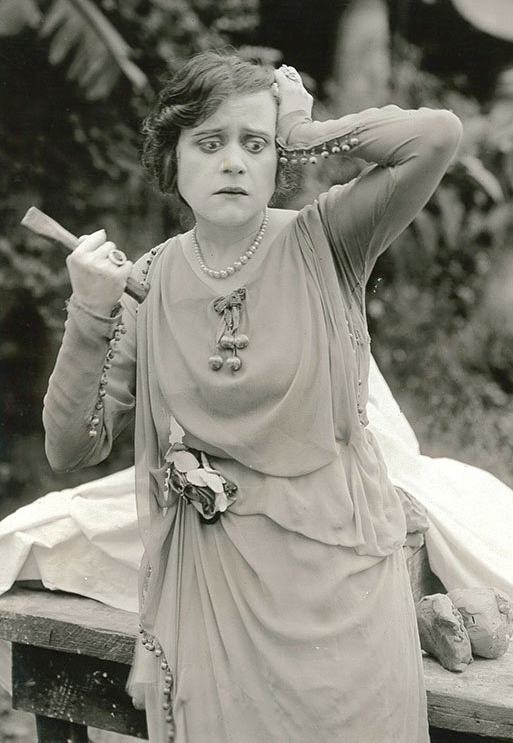
In the annals of silent cinema, few figures commanded the screen with the magnetic, almost primal force of Theda Bara. Her cinematic persona, often steeped in exoticism and femme fatale allure, found perhaps its most compelling and transformative expression in the 1918 drama, The Light. This isn't merely a tale of a fallen woman finding grace; it's a meticulously crafted narrative exploring the profound chasm between societal perception and intrinsic human worth, a journey of spiritual awakening ignited by the crucible of art and sacrifice. The film, penned by a collaborative team including Brett Page, Charles Kenyon, Adrian Johnson, and Luther Reed, transcends its melodramatic roots to deliver a surprisingly nuanced meditation on redemption.
Bara, as Blanchette Dumonde, embodies the very antithesis of wartime virtue. In a Paris consumed by the grim realities of conflict and fervent patriotism, Blanchette is a scandalous anomaly, reveling in her notoriety as "the wickedest woman" in the city. Her open liaison with the affluent, yet utterly possessive, Chabin (Eugene Ormonde) is a defiant rejection of the collective sacrifice and moral rectitude expected of her peers. This initial portrayal is crucial; it establishes Blanchette not merely as a sinner, but as a deliberate provocateur, a woman who has consciously chosen a path diametrically opposed to societal norms, perhaps out of cynicism, perhaps out of a deeper, unacknowledged despair. The camera lingers on her, capturing the subtle defiance in her gaze, the weariness beneath the glitter, hinting at the complex interiority that the narrative will gradually unpeel.
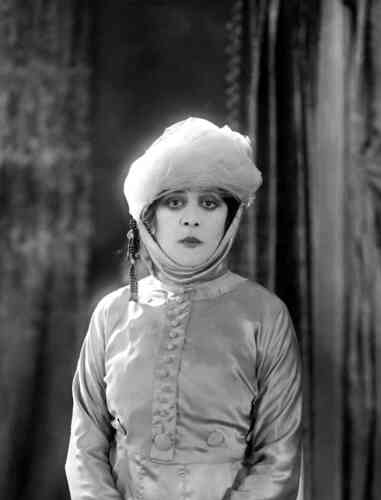
It is into this morally ambiguous landscape that Etienne Desechette (Georges Renavent) enters, a sculptor whose artistic vision penetrates beyond the superficial. Unlike the judgmental Parisian populace, Etienne perceives not the "wickedest woman," but a "great soul" hidden within Blanchette's infamous visage. His request for her to pose for him is not one of exploitation, but of profound recognition – an artist's yearning to capture an intrinsic truth that others are blind to. Chabin, predictably, reacts with jealous fury, viewing Blanchette as his exclusive property, incapable of comprehending the spiritual dimension of Etienne's plea. Blanchette, however, is profoundly moved. Etienne's words are a mirror reflecting a possibility she perhaps dared not acknowledge, a seed of self-worth planted in the barren soil of her public persona.
This flicker of internal transformation compels her to attempt a radical shift: she endeavors to join the war effort as a nurse. Yet, the unforgiving rigidity of institutional morality proves insurmountable. A hospital authority, blinded by Blanchette's notorious past, rebukes her, denying her the chance at conventional redemption. This moment is pivotal, a tragic testament to the destructive power of reputation and the difficulty of escaping a pre-judged identity. Her earnest attempt at altruism is met with cold rejection, driving her back towards the very fringes of society she sought to escape. The narrative here deftly avoids simplistic moralizing, instead portraying a world that actively resists an individual's attempt to evolve.
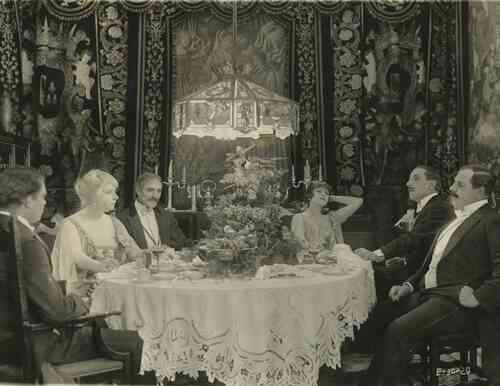
Furious and disillusioned, Blanchette plunges deeper into the demimonde, seeking solace or perhaps further self-destruction in an Apache club. Here, amidst the rough-and-tumble dancers and clandestine atmosphere, she deliberately flirts with Auchat (Robert Walker), a figure embodying raw, untamed passion and danger. When the den is raided, she takes him home, a defiant act that underscores her despair and her rejection of respectable society. The ensuing confrontation between Chabin and Auchat is a brutal, primal display of male possessiveness and aggression, Blanchette caught in the violent eddy of their conflicting desires. This sequence is a masterclass in silent film melodrama, utilizing heightened physicality and stark visual contrasts to convey the characters' visceral emotions.
The true turning point, however, arrives with the return of Etienne from the war, tragically blinded. His physical darkness paradoxically illuminates Blanchette's path to redemption. She takes him to a secluded country cottage, a sanctuary far removed from the judgmental glare of Paris, where she nurses him with an unwavering devotion. This act of selfless care is where Blanchette's true "great soul" begins to manifest, stripped of artifice and societal expectation. In this intimate, isolated setting, a profound bond forms, transcending their previous roles of artist and muse, or sinner and visionary.
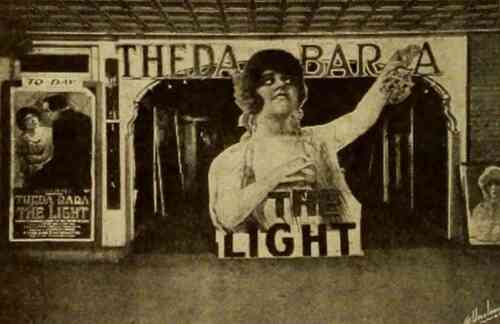
The cottage becomes a crucible for her transformation, culminating in the sublime act of artistic communion. Blanchette poses for the blind Etienne, allowing him to sculpt her image by touch. This is not merely a physical act but a spiritual one; as his hands trace the contours of her face, he is not seeing her notorious past, but feeling the essence of the woman she has become – compassionate, resilient, redeemed. The process of creation becomes a shared journey of healing and revelation. The film suggests that true art can not only reflect reality but also shape it, offering a path to self-discovery and spiritual rebirth. This segment of The Light resonates with a similar profound exploration of spiritual struggle and redemption found in films like Otets Sergiy, where characters grapple with their inner demons and external judgments on a path towards a higher truth.
This fragile idyll, however, cannot last indefinitely. Auchat, a specter from her past life, tracks them down, intent on killing Etienne. Blanchette, now fiercely protective of the man who saw her true self, confronts her past head-on. In a desperate, visceral struggle, she kills Auchat, an act of violence born not of malice, but of a fierce love and a commitment to her newfound reality. This brutal climax serves to underscore the high stakes of her transformation; redemption is not passively received, but actively fought for, often with devastating consequences.
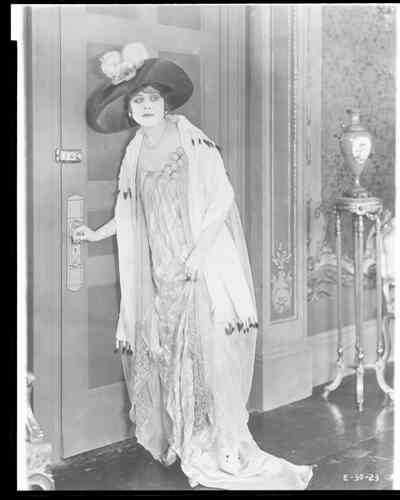
The arrival of Chabin, her former lover, brings the narrative to its poignant resolution. Witnessing Blanchette's genuine happiness, the profound peace that now radiates from her, he makes the ultimate sacrifice. Understanding that her past, and the violent present, would inevitably jeopardize her hard-won future, Chabin tells the police that he killed Auchat, framing it as an act of defense against a robbery. It's a selfless gesture, a final, unexpected act of love that transcends his earlier possessiveness, allowing Blanchette to embrace her new life unburdened. This complex character arc for Chabin adds a layer of unexpected depth to the film, showcasing how even supporting characters can undergo significant, albeit subtle, transformations.
Theda Bara’s performance as Blanchette is nothing short of mesmerizing. Known for her vampish roles, The Light allowed her to demonstrate a remarkable range, moving from defiant cynicism to raw vulnerability, and finally to serene devotion. Her expressive eyes and nuanced gestures convey the intricate emotional landscape of a woman undergoing profound internal change, without the aid of spoken dialogue. It's a testament to her skill that the audience is made to believe in Blanchette's transformation, despite the melodrama inherent in the plot. Georges Renavent as Etienne brings a quiet dignity and spiritual depth to his role, his blindness serving as a powerful metaphor for his inner vision. Eugene Ormonde's Chabin is a compelling study in possessive love and eventual self-sacrifice, providing a crucial counterpoint to Blanchette's journey. Even Robert Walker's Auchat, though a more archetypal figure of danger, serves his purpose effectively as a catalyst for the film's violent climax.
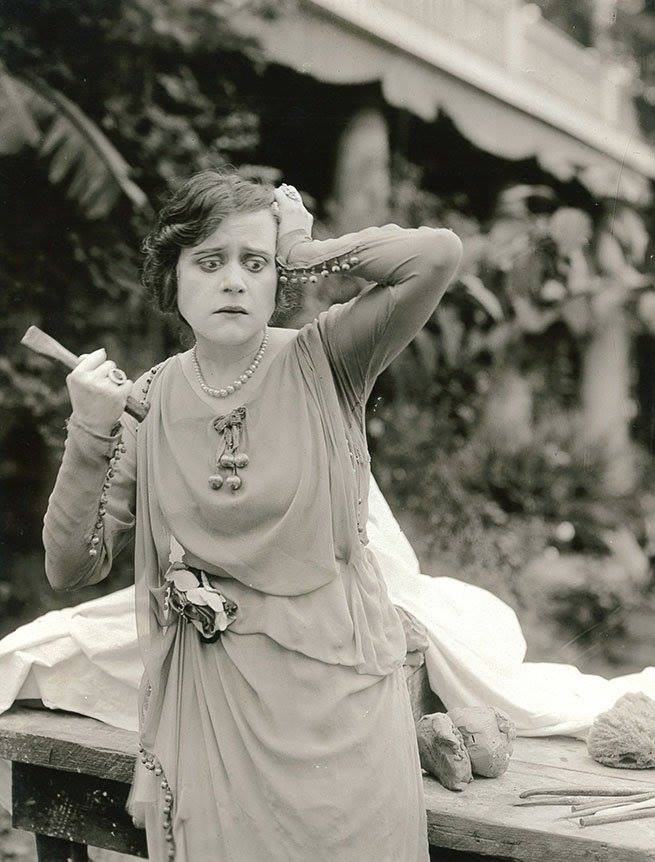
The writers – Page, Kenyon, Johnson, and Reed – crafted a narrative that, while adhering to the conventions of silent era storytelling, manages to infuse its characters with a surprising psychological complexity. The themes of redemption, the power of art to reveal inner truth, and the relentless grip of societal judgment are explored with a dramatic flair that ensures the film remains engaging despite its age. The visual storytelling, typical of the era, relies on strong compositions, evocative lighting, and clear intertitles to propel the narrative and convey emotional states. The use of the country cottage as a symbol of sanctuary and rebirth is particularly effective, contrasting sharply with the chaotic, judgmental urban environment of Paris.
The Light is more than just a historical artifact; it's a testament to the enduring power of narrative to explore the human condition. It challenges viewers to look beyond surface appearances, to question rigid moral codes, and to believe in the transformative potential of love and compassion. Blanchette Dumonde's journey from the "wickedest woman" to a woman of profound inner light is a powerful allegory for finding salvation not in societal approval, but in authentic self-discovery and the selfless devotion to another. Its exploration of art as a means of spiritual insight, and of sacrifice as the ultimate expression of love, ensures its continued relevance. For those captivated by the dramatic sweep of silent cinema and the profound performances of its stars, The Light shines brightly as a compelling, thought-provoking work.
IMDb —
1920
Community
Log in to comment.