DbcultAccessing Vault...
Cult Review
Senior Film Conservator
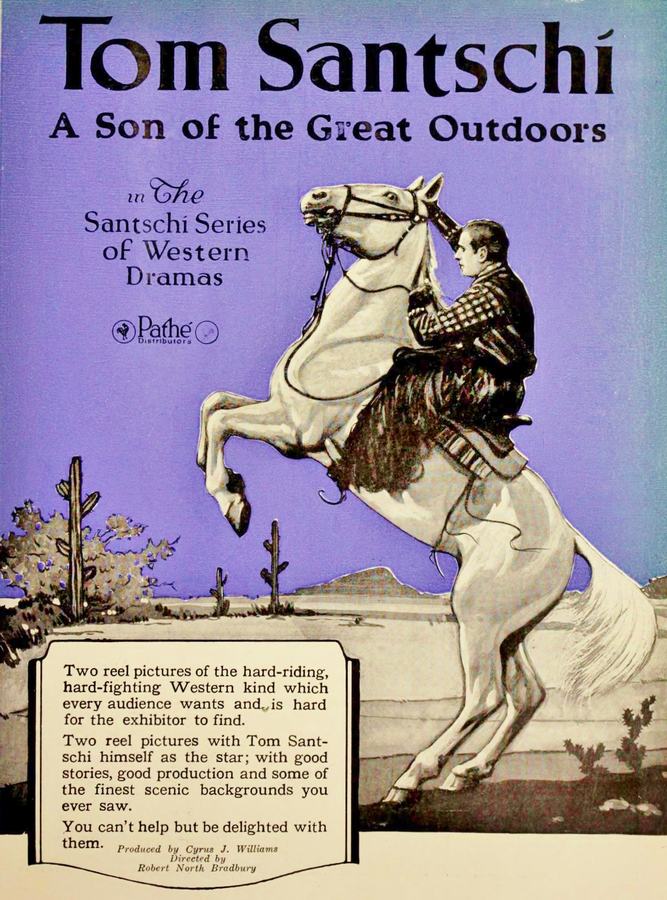
A fistful of alkali, a canteen of guilt, and a blood-debt scribbled on the back of a prayer card—welcome to the cheapest, most spiritually thorny western you’ve never seen.
The Sage-Brush Musketeers arrived in 1933 on the back of a Depression-era release schedule so anemic that even the poster was sepia-tone Xerox. Independent-International slapped it on twin bills with cowboy quickies and forgot it by Friday; critics of the day dismissed it as “oater oatmeal.” Yet here we are, ninety years later, squinting through 4K scans and discovering a film that bleeds existential dread better than any Cormac McCarthy adaptation we’ve since been handed. Robert N. Bradbury—yes, the same workhorse who fathered Bob Steele and helmed Marked Men—shoots this micro-budget revenge tract as if Sam Peckinpah had crash-landed inside a Poverty Row backlot.
Forget three-act symmetry. The narrative limps forward like a foundered mule, and that’s the point. After the off-screen murder of their pal—never shown, only whispered about over flickering campfire—our trio saddle up not for justice but for the abstract ache of something to do before the desert swallows them whole. Every alleged clue dissolves under scrutiny: the killer’s boot-prints morph into coyote tracks; the blood on the harmonica could just as easily be rust. Frank Howard Clark’s dialogue crackles with frontier nihilism: “Ain’t no reward for killin’ the wind,” Rice mutters while chewing a mesquite twig, and the line hangs heavier than any exposition.
The middle stretch is a picaresque ramble through boom-town ruins. One reel detours into a saloon where an impresario screens Der Weltspiegel newsreels on a patched-up sheet, the flickering images of European carnage underscoring how meaningless this local vendetta is on the cosmic scale. Another sequence traps the posse inside a church whose bell clapper has been replaced by a dangling noose—an image so surreal it feels lifted from Buñuel’s Mexican notebooks.
Tom Santschi, a silent-era holdover whose features resemble topographical maps of the Badlands, underplays heroism until it flips into menace. Watch the way his knuckles whiten around a whiskey glass when told the suspect might be his own estranged brother. Frank Rice, usually comic relief in Bobby Bumps knockoffs, here weaponizes his rubbery visage; his nervous grin cracks like lake-bed mud, exposing the terror beneath the jest. Earl Dwire, gaunt as a scarecrow, speaks every line as if already bored with the afterlife.
Vera Sisson’s saloon songbird is the film’s most slippery invention. She enters draped in tattered velvet, crooning a ballad about a “prairie werewolf,” and exits carrying a valise that might contain either stolen gold or her own severed conscience. The camera ogles her legs, sure, but her eyes stare back at us, daring the male gaze to blink first.
Cinematographer Brydon Baker had one Cooper-Hewitt carbon-arc lamp and a sunset—he squeezes them for chiaroscuro worthy of Rembrandt. Silhouettes ride against sodium skies; sage fronds become ink-blots of moral ambiguity. The final standoff was shot day-for-night by underexposing nitrate stock until the white sand turns obsidian. Stars poke through like buckshot holes in black velvet, and you swear you can smell the chill rising off the desert floor.
Compare this to the antiseptic back-lot vistas of The Slim Princess or the cardboard buttes of Jesse James as the Outlaw. Bradbury’s locations—Red Rock Canyon, the burnt-out ghost suburb of Rhyolite—bleed authenticity that no million-dollar set dresser could fake.
Released the same year as the all-singing, all-dancing Oyster Princess, Sage-Brush Musketeers clings to partial sound. Dialogue scenes buzz with that tin-can echo endemic to early RCA Photophone, but Baker intercuts stretches of pure silence, letting ambient wind replace orchestral stings. The effect is uncanny; you become hyper-aware of leather creaks, spurs jingling, the desert inhaling. When a single pistol shot finally cracks, it lands like the cosmos splitting.
Unlike the infant-in-peril histrionics of The Infant at Snakeville, women here are neither symbols of purity nor collateral damage. Sisson’s chanteuse trades sex for information, betrays allies, and still commands our empathy because the film refuses moral taxonomy. Her final close-up—eyes reflecting a campfire that might be hell or merely dawn—lingers longer than the hero’s, suggesting the picture belongs to her spiritual exhaustion more than any masculine revenge.
The payroll was reportedly under eighteen grand. You see it in threadbare costumes, in horses borrowed from a local rental stable, in day-players who glance at the camera. Yet these ruptures intensify the film’s documentary vibe, the sense that we’re watching a crime scene reenacted by actual drifters. When Santschi’s shirt rips during a scuffle, the frayed fabric reveals scarred back skin—an unscripted detail the actor brought home from a prior ranch job. Authenticity seeps through the seams.
Place it beside Overalls, a bucolic comedy that same season, and Sage-Brush feels like a burlap sack of rattlesnakes hurled into a church social. Stack it against In the Hands of the Law, and you realize both share a preoccupation with institutional failure, yet Bradbury’s film distrusts even the concept of law, preferring the cruel arithmetic of vendetta. Its DNA reemerged two decades later in the acid westerns of Monte Hellman; its fingerprints smear across the gun-metal nihilism of Burn 'Em Up Barnes, though the latter had more cash for petrol explosions.
In an era when every streaming western mythologizes the antihero, Sage-Brush Musketeers feels prophetic. Its refusal to hand out catharsis mirrors our doom-scroll age; its thesis that the land itself is the ultimate villain anticipates eco-horror. Re-watch it after a wildfire news cycle and the charred sage becomes a premonition of climate grief.
Only two 16mm showprints survive—one in the BFI vault, another rescued from a shuttered Montana church basement. Neither is complete; missing scenes were described in a 1933 exhibitor’s manual: a flashback of the murdered pal tap-dancing on a bar top, a monologue by a Chinese railroad laborer about “ghost trains.” Until some philanthropist coughs up funds, we piece together the movie in our heads like cinephile archaeologists.
Ignore this flea-bitten artifact and you miss one of the starkest meditations on friendship, failure, and frontier entropy ever spliced. It won’t comfort; it offers no moral, only the echo of spurs fading into heat-shimmer. But its sting lingers, like a cactus spine under skin—tiny, stubborn, aching each time you move. Seek the grainy rips on gray-market sites, project them against your living-room wall, let the dust invade your popcorn, and whisper thanks that cinema once dared to be this raw.
Grade: A- for audacity, B for execution, A+ for haunting your dreams.

IMDb —
1922
Community
Log in to comment.