DbcultAccessing Vault...
5.1/10
Senior Film Conservator
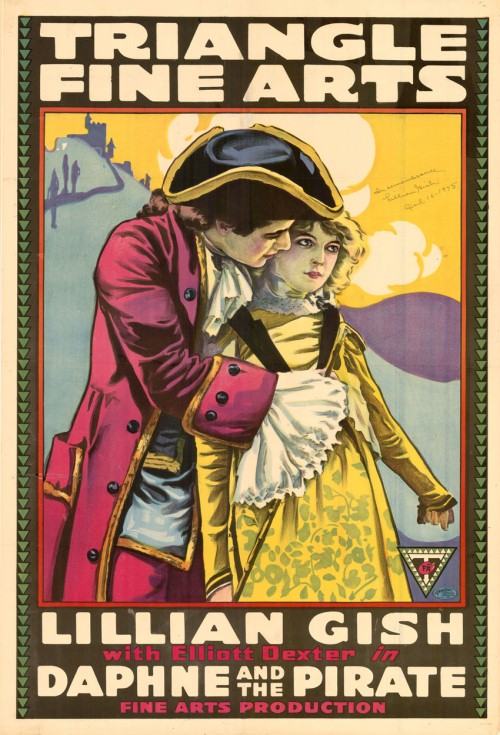
A definitive 5.1/10 rating for a film that redefined the boundaries of cult cinema. Daphne and the Pirate remains a cornerstone of transgressive art.
The annals of early cinema are replete with tales of grand ambition and audacious storytelling, and few figures loom larger in that pantheon than D.W. Griffith. His 1916 production, Daphne and the Pirate, stands as a testament to the era's boundless imaginative spirit, a sweeping romantic adventure set against the opulent yet unforgiving backdrop of 18th-century France and the treacherous Atlantic. This isn't merely a film; it's a vibrant tapestry woven with threads of class conflict, desperate love, and the unpredictable hand of fate, all brought to life through the expressive power of silent film and a stellar ensemble cast.
At its heart, Daphne and the Pirate is a narrative of profound social transgression and its cascading consequences. We are introduced to Philip de Mornay, portrayed with a compelling mix of fervent passion and reckless abandon by Tom Wilson. Philip is a courtier, a man ostensibly bound by the rigid decorum of the French royal court, yet his heart beats solely for Daphne La Tour, the daughter of a nobleman, brought to life with exquisite fragility and burgeoning resilience by Lillian Gish. Their love is a defiant spark in a world obsessed with lineage and societal standing, a love deemed utterly impossible by the unyielding aristocratic hierarchy.
The desperation born of this societal impasse drives Philip to a truly extraordinary, and ultimately perilous, decision. He chooses to hide Daphne, not in some secluded country estate, but within the walls of a brothel. This choice, audacious in its perceived safety from discovery, simultaneously plunges Daphne into a world of profound vulnerability and moral ambiguity. It's a testament to Griffith’s willingness to explore the darker undercurrents of romantic devotion, suggesting that even the most fervent love can lead one down paths fraught with unexpected dangers. Lucille Young, as a secondary character perhaps a madam or another resident, likely adds layers to this clandestine environment, her performance hinting at the complex dynamics within such a hidden society.
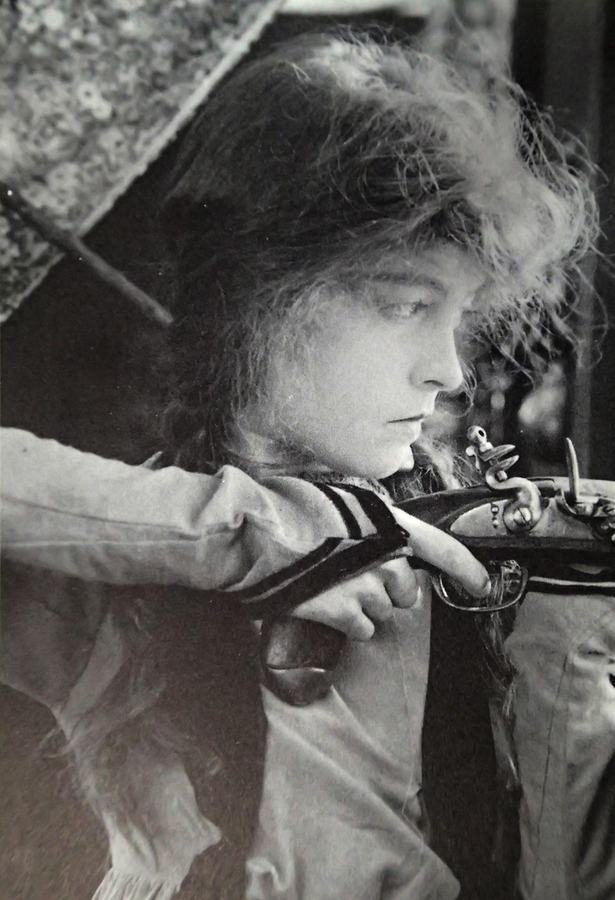
The narrative, however, quickly pivots from this illicit sanctuary. Philip, in a cruel twist of fate, is captured by pirates, his romantic escapade abruptly curtailed by the brutal realities of the high seas. This moment marks a significant shift, propelling the story from a domestic drama of forbidden love into a sprawling epic of maritime adventure and survival. Meanwhile, the brothel, Daphne's temporary and precarious refuge, becomes the target of a military raid. Soldiers, tasked with gathering women for the nascent settlements of Louisiana, sweep through, indiscriminately seizing the girls, including Daphne. This forced migration across the Atlantic is a harrowing journey, one that strips Daphne of her identity and thrusts her into an unknown future, far from the familiar shores of France.
The climax of this initial journey arrives with a dramatic pirate attack at sea. The very forces that claimed Philip now threaten Daphne's new, unwilling existence. It is amidst this maelstrom of cannon fire and cutlasses that fate intervenes with a breathtaking, almost unbelievable, revelation: Philip, her lost lover, is not merely a captive of pirates, but a member of the attacking crew. This moment, a masterstroke of dramatic irony and narrative surprise, sets the stage for a reunion fraught with questions of loyalty, identity, and the very nature of their love. George C. Pearce and Howard Gaye, likely portraying figures of authority or other pirates, would have contributed to the chaotic atmosphere of these naval confrontations, their performances adding gravitas to the high-stakes action sequences.
D.W. Griffith, the film's sole credited writer, masterfully crafts a narrative that, while perhaps melodramatic by modern standards, resonates with timeless themes. His ability to distill complex emotions and grand historical sweep into a visual language was unparalleled in his time. In Daphne and the Pirate, one can observe his evolving command of cinematic grammar: the use of parallel editing to heighten suspense, the strategic deployment of close-ups to reveal character psychology, and the panoramic scope of his outdoor sequences to convey a sense of epic scale. Consider how this film might compare to his earlier, more intimate works like Hoodoo Ann, where the focus is on personal drama, versus the broader historical canvas he paints here.
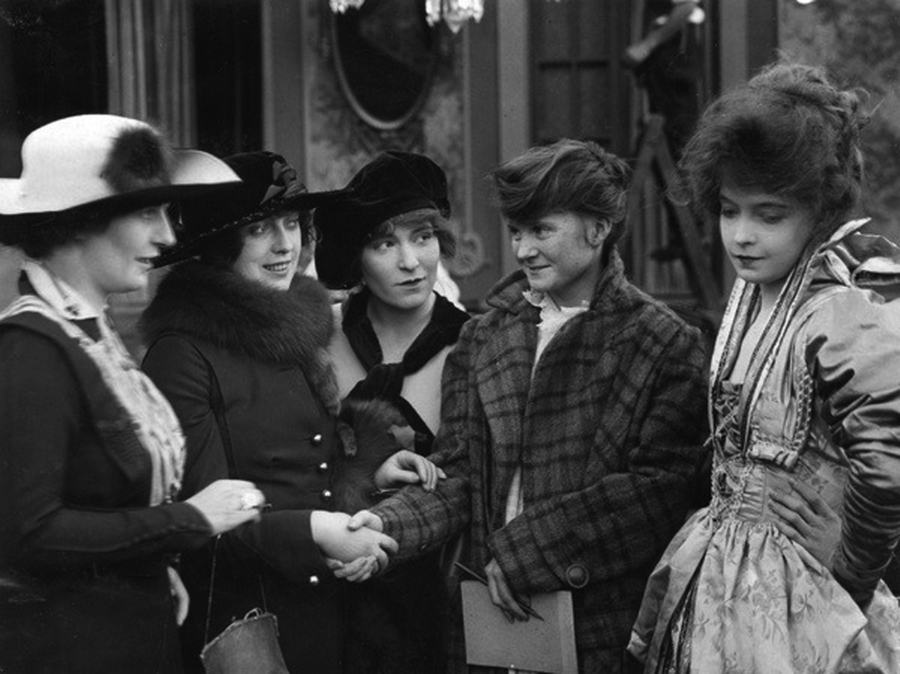
The very absence of spoken dialogue in silent films demanded a heightened reliance on visual storytelling. Actors like Lillian Gish, with her legendary ability to convey a universe of emotion through subtle gesture and facial expression, were indispensable. Her Daphne is not merely a damsel in distress; she is a woman navigating a series of impossible circumstances, her vulnerability underscored by an inner strength that gradually emerges. Pearl Elmore and Jewel Carmen, likely in supporting roles as other women in the brothel or on the ship, would have contributed to the ambient texture of Daphne's perilous journey, their collective presence amplifying the sense of shared fate and hardship.
Griffith's direction also shines in the way he handles the contrasting environments. The stifling opulence of the French court, the illicit secrecy of the brothel, the vast, indifferent expanse of the ocean, and the brutal confines of the pirate ship—each setting is rendered with distinct visual characteristics, contributing to the film's immersive quality. He understood that the setting wasn't just a backdrop but an active participant in the characters' destinies. This meticulous attention to detail, even in the early days of filmmaking, highlights Griffith's pioneering spirit. One might draw parallels to the grand historical settings in When Rome Ruled, though perhaps with a different focus on the human element amidst the spectacle.
The performances in Daphne and the Pirate are central to its lasting appeal. Lillian Gish, of course, is a luminous presence. Her portrayal of Daphne is a masterclass in silent acting, her wide, expressive eyes conveying fear, hope, despair, and ultimately, resolve. She brings a depth to Daphne that transcends the typical damsel archetype, making her a character of remarkable agency despite her circumstances. Her ability to convey complex internal states without uttering a single word is simply breathtaking, solidifying her status as one of cinema's earliest and greatest stars.
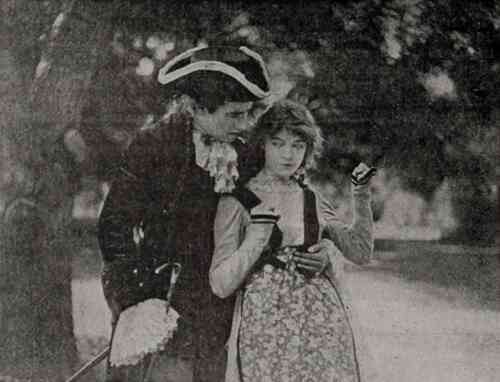
Tom Wilson, as Philip de Mornay, embodies the dashing, impetuous lover who finds himself transformed by hardship. His journey from privileged courtier to hardened pirate is a compelling one, suggesting a man shaped by the crucible of experience. His on-screen chemistry with Gish would have been vital, grounding the fantastical elements of the plot in believable emotional stakes. The moral ambiguity of his transformation – from rescuer to captor – is a fascinating aspect of his character, challenging the audience to question conventional notions of heroism.
The supporting cast, while perhaps less prominent, provides the crucial texture necessary for such an expansive narrative. George C. Pearce and Howard Gaye, likely playing stern military figures or formidable pirate captains, would have brought authority and menace to their roles, driving much of the external conflict. Pearl Elmore and Jewel Carmen, as mentioned, would have fleshed out the world of the brothel and the ship, their presence adding to the sense of shared humanity amidst the unfolding drama. Jack Cosgrave, W.E. Lawrence, Elliott Dexter, Richard Cummings, and Walter Long, all seasoned performers of the era, would have contributed their unique talents to various roles, from fellow pirates to sympathetic soldiers, each face adding a stroke to Griffith's broad cinematic canvas. Joseph Singleton's contribution, though specific character details are scarce, would have undoubtedly added to the authenticity of the period setting, whether as an aristocratic figure or a common seaman.
Beyond the thrilling plot, Daphne and the Pirate delves into profound thematic territory. The film is a poignant exploration of class disparity and the suffocating rigidity of social conventions in 18th-century Europe. Philip and Daphne’s love is a direct challenge to this established order, and their subsequent trials can be seen as the harsh repercussions of their defiance. Their flight from society forces them into liminal spaces – the brothel, the ship, the pirate vessel – where traditional rules no longer apply, and survival dictates morality.

The concept of destiny versus free will is also strongly at play. Daphne is repeatedly swept away by forces beyond her control – first by Philip’s desperate plan, then by the soldiers, and finally by the pirates. Yet, within these constraints, she finds moments of agency, of choices made that define her character. Philip’s transformation into a pirate raises questions about how circumstances can alter a person’s identity and moral compass. Is he a villain, a survivor, or still the same loving man beneath the pirate's garb? This ambiguity adds a layer of psychological complexity that elevates the film beyond a simple adventure story.
Moreover, the film touches upon themes of redemption and the enduring power of love. The unexpected reunion of Daphne and Philip, under such dramatic and morally ambiguous circumstances, forces them to confront who they have become and whether their initial bond can withstand the trials they have faced. It's a testament to Griffith's storytelling prowess that he manages to weave these intricate emotional and philosophical threads into a thrilling, action-packed narrative. The film, in many ways, reflects a broader cultural fascination with historical romances and tales of daring, much like Captain Starlight, or Gentleman of the Road, which explores similar outlaw archetypes.
Daphne and the Pirate, directed by the visionary D.W. Griffith, represents a significant moment in the evolution of cinematic storytelling. While it might not possess the same grand scale or controversial resonance as his later epic, The Birth of a Nation, it showcases his remarkable ability to craft compelling narratives, elicit powerful performances, and push the boundaries of visual expression. The film's use of real locations, elaborate period costumes, and impressive naval sequences would have been groundbreaking for its time, immersing audiences in a world far removed from their own.
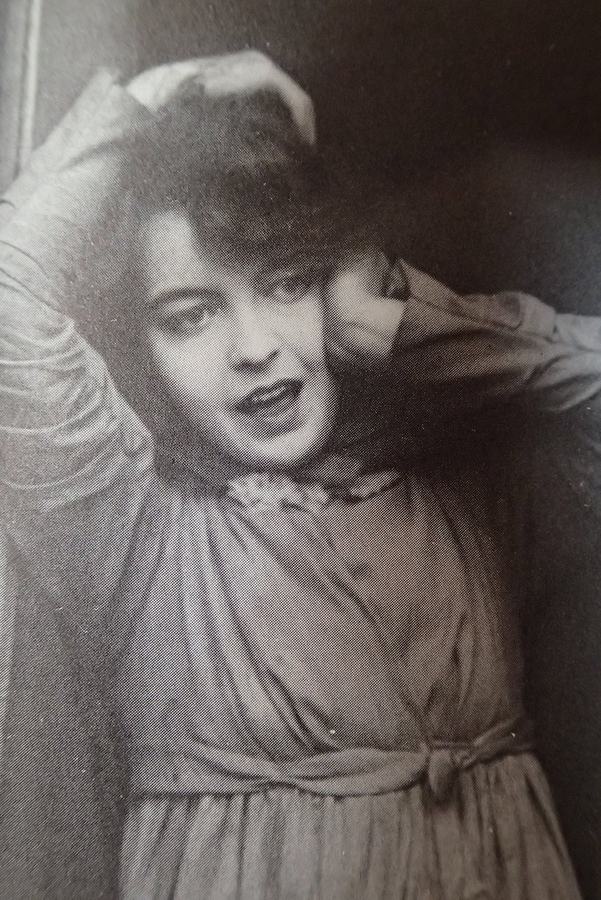
The film also serves as a crucial historical document, offering a glimpse into the popular entertainment of the early 20th century. It reflects the audience's appetite for escapism, for tales of romance, adventure, and triumph over adversity. The collaboration between Griffith and his stable of talented actors, particularly Lillian Gish, was instrumental in defining the very language of screen acting. Their work in films like this laid the groundwork for future generations of performers, demonstrating the profound emotional impact that could be achieved without the aid of spoken dialogue.
When viewed today, Daphne and the Pirate is more than just a historical curiosity; it is a vibrant piece of cinematic art that continues to engage. Its narrative twists, the compelling performances, and Griffith's masterful direction ensure that it remains a fascinating study for film enthusiasts and historians alike. It reminds us that even in cinema's infancy, filmmakers were already grappling with complex human emotions and universal themes, proving that a powerful story, well told, transcends the limitations of its medium.
The intricate dance between love and societal expectation, individual desire and collective morality, resonates as strongly today as it did over a century ago. The film’s bold depiction of a woman navigating extreme peril, finding strength in the face of overwhelming odds, makes Daphne a surprisingly modern heroine. This is a film that deserves to be rediscovered, not just for its historical significance, but for its sheer power as a dramatic and adventurous narrative. It stands as a testament to the fact that silent cinema, far from being primitive, was a sophisticated art form capable of delivering profound emotional and intellectual experiences. Much like other historical dramas of the era, such as The Shadows of a Great City, it uses its setting to amplify human drama, but with a distinct adventurous flair. It's a reminder that truly great storytelling, no matter the era or technology, always finds a way to capture the human heart and imagination.
IMDb —
1928
Community
Log in to comment.