DbcultAccessing Vault...
6.1/10
Senior Film Conservator
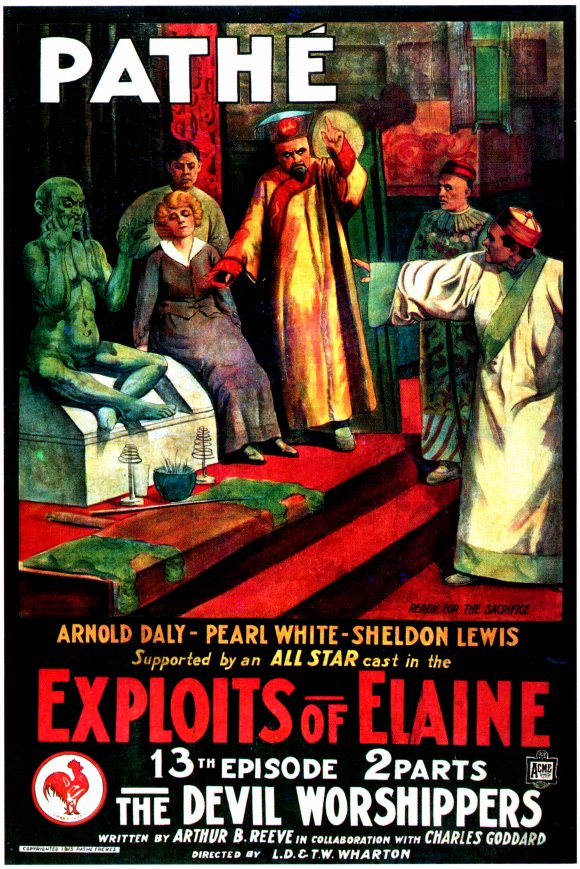
A definitive 6.1/10 rating for a film that redefined the boundaries of cult cinema. The Exploits of Elaine remains a cornerstone of transgressive art.
The opening tableau is a narrow cobblestone lane, rain slashing the blackened windowpanes, a chiaroscuro that immediately signals the film’s gravitas. The camera lingers on a newspaper headline announcing the murder of a prosperous merchant—Elaine’s father—before cutting to the grieving woman in a lace dress, her eyes a stormy testament to loss. Pearl White, in her signature daring, refuses to be a passive victim; she vows vengeance. The silent medium, stripped of dialogue, relies on exaggerated gestures and the weight of silence to convey this resolve, a technique that feels as deliberate as the flick of a detective’s fedora in Les Misérables.
Elaine’s determination is matched by the stoic presence of her ally, the private detective portrayed by Floyd Buckley. His character is a study in understated menace: a trench‑coat draped over a lean frame, eyes narrowed like a magnifying glass. The dynamic between them is a dance of mutual respect and tension, reminiscent of the partnership between Holmes and Watson, yet distinct in its silent choreography. Buckley’s intertitles are sparingly used, allowing the physicality of his performance to carry the narrative weight. The interplay of shadow and light on his face, especially during the rain‑slick interrogation scenes, creates an atmosphere that feels both claustrophobic and expansive, a duality that anchors the film’s suspense.
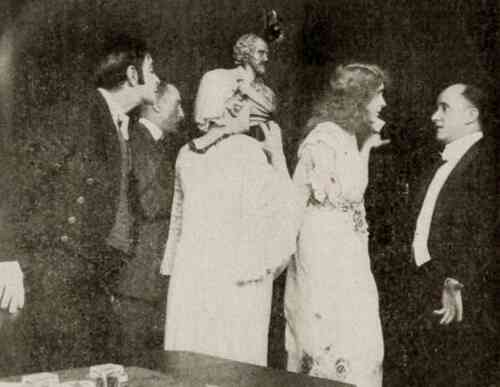
The antagonist, the masked \"Clutching Hand\", is a phantom whose identity is never fully revealed, a deliberate choice that keeps the audience perpetually guessing. The mask itself becomes a symbol—a blackened visage that conceals motive and humanity alike. In a scene where Elaine confronts him in a dim warehouse, the camera zooms in on the glint of steel in his gloved hand, a visual cue that hints at a deeper, more personal vendetta. The film’s use of close‑ups on the mask’s texture—rough, worn, almost alive—creates a sense of dread that is amplified by the low, humming score that runs beneath the action, a score that would later be echoed in the soundtracks of modern noir.
Cinematographically, the film employs a mix of static wide shots and dynamic tracking, a technique that was pioneering for 1912. The director’s choice to frame Elaine in the foreground against a backdrop of looming buildings underscores her isolation in a male‑dominated world. The use of a hand‑cranked camera introduces subtle jitter, giving the film an almost dreamlike quality that mirrors the protagonist’s mental state. The intertitles, written by Basil Dickey and Charles W. Goddard, are concise yet poetic, punctuating the action with phrases like \"justice, if it exists, is a shadow.\" This lyrical brevity enhances the film’s emotional resonance without breaking the silent flow.
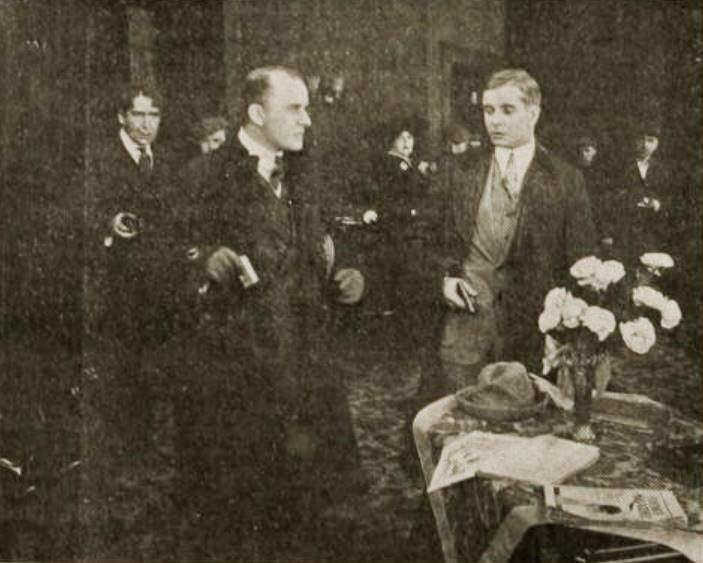
The narrative structure is cyclical, beginning and ending with a newspaper headline, a device that frames the story as a historical event. The climax unfolds in a dramatic confrontation where Elaine and the detective confront the Clutching Hand in a thunderstorm. The storm itself is a metaphor for the turmoil that has built up over the film’s runtime. The use of rain, lightning, and the creaking of the old wooden rafters creates a sensory overload that heightens the stakes. The final reveal, where the mask falls to the floor, exposing the perpetrator’s face, is both a literal and symbolic unmasking of truth, a motif that would echo in later detective narratives like The Evil of the People.
The film’s influence is evident in the way it marries physical performance with atmospheric storytelling. The use of chiaroscuro lighting, combined with the silent medium’s reliance on visual cues, set a precedent for future thrillers such as Les Misérables and The Evil of the People. Thematically, the narrative explores the thin line between justice and vengeance, a theme that resonates with modern audiences who are familiar with moral ambiguity in crime dramas. The film’s pacing—slow, deliberate buildups followed by sudden bursts of action—mirrors the structure of contemporary detective novels, making it a timeless piece that transcends its era.
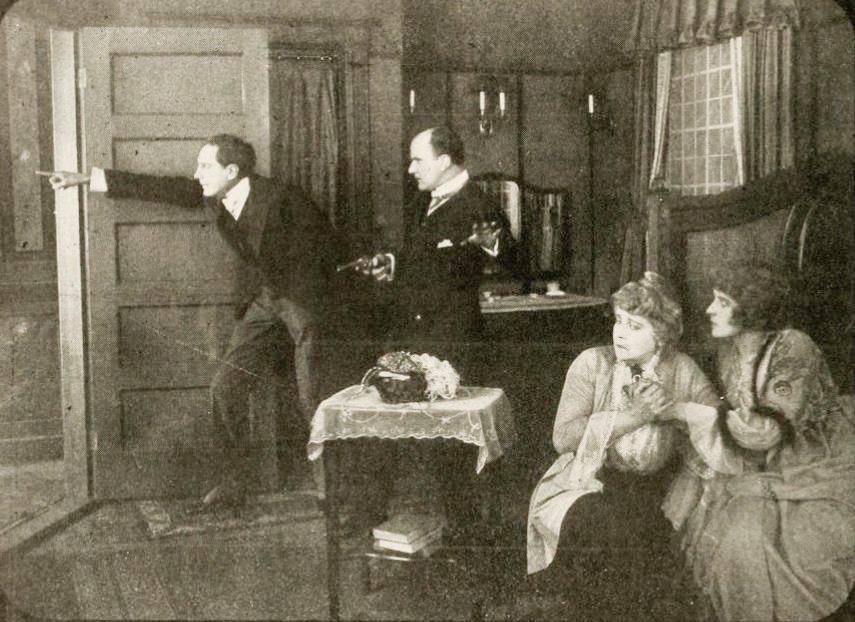
Gender dynamics are subverted through Pearl White’s portrayal of Elaine. She is not a passive figure awaiting rescue; instead, she is the architect of her own destiny. Her interactions with the detective are equal in intensity, and she is the one who ultimately brings the villain to justice. This role reversal is groundbreaking, especially considering the film’s production in the early 1910s. The audience is forced to confront the notion that agency can be female, a concept that would later be echoed in films like Les Misérables where female characters wield significant influence.
Technically, the film’s editing is a study in rhythm. Cuts are timed to the beat of the silent score, creating a visual metronome that keeps the audience engaged. The use of montage to depict the detective’s investigation—clues being pieced together like a jigsaw—adds a layer of intellectual intrigue. Set design is meticulously crafted: the detective’s office is cluttered with newspapers, magnifying glasses, and a single flickering lamp that casts long, ominous shadows. The final scene’s warehouse is a labyrinth of crates, each reflecting the storm’s flash, adding depth to the visual narrative. The overall color palette is dominated by black, white, and the occasional splash of the film’s signature dark orange (#C2410C), which is subtly integrated into the detective’s coat and the newspaper headlines.
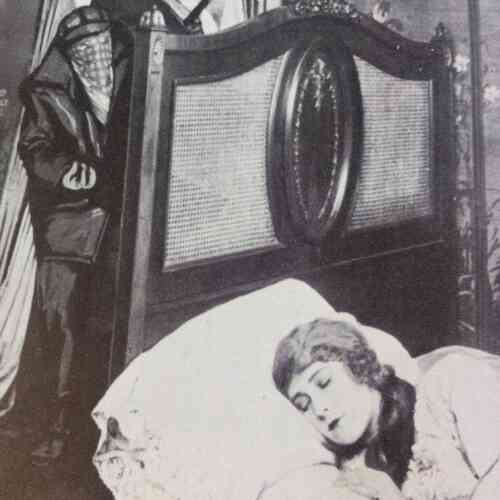
The film’s legacy can be traced through its influence on later detective cinema. The concept of a masked antagonist who hides behind anonymity became a staple in the genre, evident in later works such as The Evil of the People and even modern superhero narratives. The interplay between visual storytelling and intertitles set a standard for silent thrillers, pushing the medium toward more sophisticated narrative techniques. The film’s emphasis on atmosphere over overt action paved the way for the psychological thrillers that would emerge in the 1930s and beyond. Its aesthetic choices—particularly the use of chiaroscuro and the symbolic mask—continue to inspire filmmakers today.
The ensemble cast delivers performances that feel authentic and grounded. Lionel Barrymore’s brief but powerful presence as the corrupt businessman adds a layer of moral complexity. Sheldon Lewis’s portrayal of the nervous sidekick provides comic relief without undermining the film’s tension. Edwin Arden’s role as the newspaper editor, with his booming voice captured in intertitles, anchors the narrative’s journalistic angle. Each actor’s contribution is a thread woven into the film’s fabric, creating a tapestry that is both cohesive and richly textured. The chemistry between Pearl White and Floyd Buckley is palpable, their shared glances and synchronized movements speaking volumes in the absence of spoken dialogue.
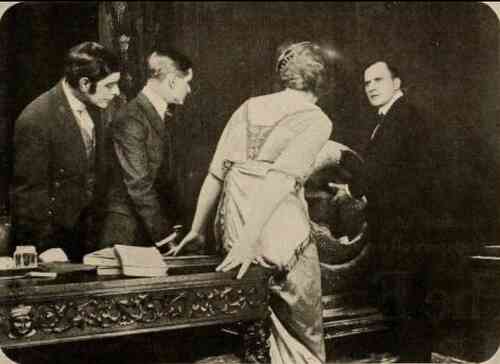
The writers—Basil Dickey, Charles W. Goddard, George B. Seitz, and Arthur B. Reeve—crafted a script that balances suspense with character development. Their intertitles are sharp, often employing wordplay that elevates the narrative. The dialogue’s brevity forces the audience to engage actively, filling gaps with imagination. The writers’ collaborative effort is evident in the seamless transitions between scenes, each building upon the last with precision. Their understanding of the silent medium’s constraints allowed them to create a story that feels both complete and open-ended, inviting viewers to ponder the moral implications of Elaine’s quest for justice.
In sum, \"The Exploits of Elaine\" stands as a landmark in silent cinema, marrying visual innovation with a compelling narrative. Its exploration of justice, agency, and identity resonates across time, while its technical achievements set a benchmark for future filmmakers. The film’s enduring relevance is a testament to the power of silent storytelling, proving that emotion, tension, and artistry can transcend the absence of sound. As contemporary audiences revisit this classic, they encounter a work that remains fresh, engaging, and profoundly human, echoing the timeless allure of early 20th‑century cinema.
IMDb —
1933
Community
Log in to comment.