DbcultAccessing Vault...
6.4/10
Senior Film Conservator
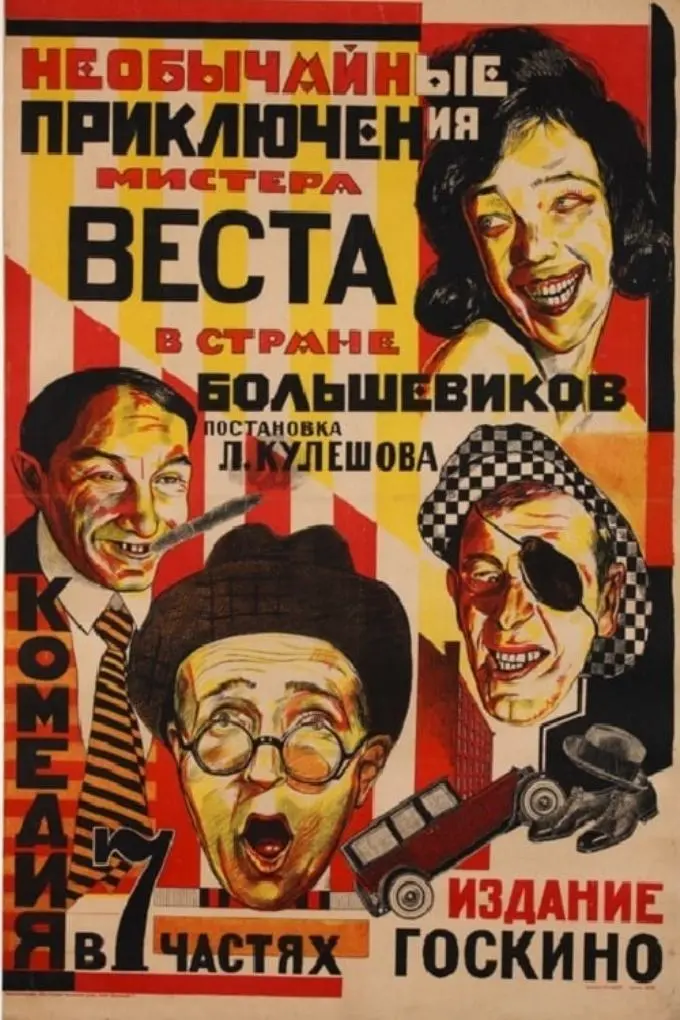
A definitive 6.4/10 rating for a film that redefined the boundaries of cult cinema. The Extraordinary Adventures of Mr. West in the Land of the Bolsheviks remains a cornerstone of transgressive art.
Stepping into the cinematic landscape of 1924, Vsevolod Pudovkin's The Extraordinary Adventures of Mr. West in the Land of the Bolsheviks isn't merely a film; it's a vibrant, audacious declaration. This isn't the grim, ideologically rigid cinema one might mistakenly associate with early Soviet productions. Instead, what unfolds is a brilliantly conceived, uproariously funny, and surprisingly nuanced satire that skewers both Western paranoia and, with a subtle wink, perhaps even the Soviet Union's own nascent self-image. It’s a film that demands to be seen not just as a historical artifact, but as a living, breathing commentary on misinformation, cultural misunderstanding, and the enduring power of a good con.
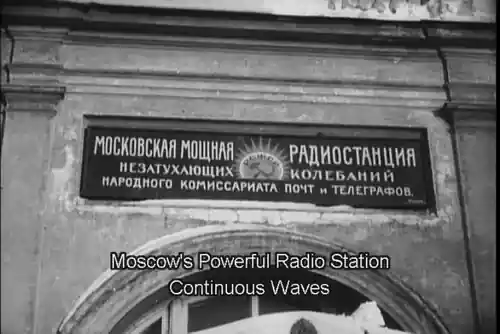
Our protagonist, Mr. West (played with delightful naiveté by Sergey Sletov), is an American businessman, a man of rubber and industry, whose worldview is almost entirely shaped by the sensationalist headlines and lurid caricatures of the Soviet Union prevalent in the Western press. For West, the land of the Bolsheviks is a den of savages, a place where civility has utterly collapsed, and every street corner hides a menace. His faithful, if comically overzealous, bodyguard, Jeddie (Boris Barnet, a master of physical comedy), acts as both his shield and his enabler, constantly validating West's anxieties with his own exaggerated vigilance. This dynamic duo sets off across the globe, not unlike a more politically charged version of a "fish out of water" narrative, reminiscent of the cultural clashes explored in films like A Yankee Go-Getter, though Pudovkin's intent here is far more incisive.
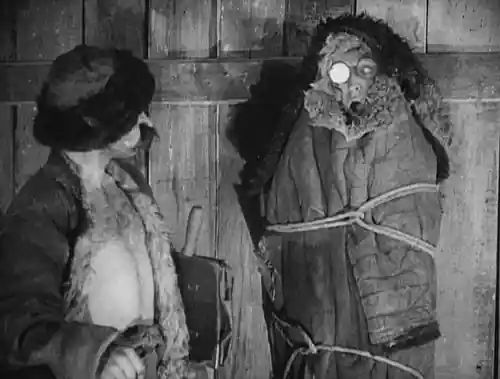
The brilliance of the film lies in its meticulously constructed deception. No sooner has West disembarked than he falls prey to a band of cunning counter-revolutionaries. Led by the charismatic and utterly captivating "Countess" (Aleksandra Khokhlova, a revelation of a performer), this ensemble of rogues understands Mr. West's psychology perfectly. They don't need to invent new horrors; they merely need to stage the ones he already believes to be true. From fake assassinations to staged revolutionary tribunals, every elaborate prank is designed to reinforce West's preconceived notions, milking him for both his money and his gullibility. Khokhlova’s Countess is a fascinating figure – a villain with an undeniable allure, her performance a masterclass in silent film acting, conveying layers of cunning and theatricality with just a glance or a gesture. Her performance is so compelling, it elevates the entire comedic premise, giving it a sophisticated edge that few contemporary satires could match.
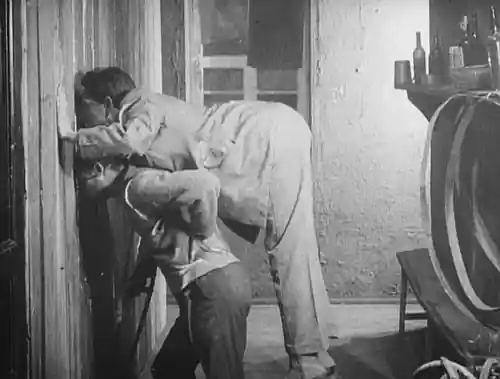
Pudovkin, who also co-wrote the screenplay with Nikolay Aseev, orchestrates this elaborate charade with a deft hand, transforming what could have been a simple farce into a potent commentary on the dangers of unchecked propaganda. West’s journey is not just a physical one across a new land, but a psychological odyssey, a gradual peeling back of layers of manufactured fear. He sees what he expects to see, his reality entirely warped by the distorted lens of Western media. The film masterfully demonstrates how easily perception can be manipulated when biases are deeply ingrained, a theme as relevant today as it was a century ago. This exploration of staged reality and profound deception finds echoes in the intricate plots of films like Garden of Lies, though Mr. West's predicament is infused with a distinct political and satirical bite.

What truly sets Mr. West apart is its audacious comedic spirit. Pudovkin employs slapstick, mistaken identity, and situational irony with a precision that belies the film's early vintage. Jeddie’s attempts to protect Mr. West, often involving absurd disguises and misguided interventions, are a constant source of mirth. The sequence where West is "rescued" by the very people who are scamming him, believing them to be genuine Soviet officials, is a comedic tour de force, highlighting the complete reversal of truth and perception. The film doesn't just poke fun at West; it invites the audience to laugh at the very absurdity of fear-mongering and the ease with which it can be exploited. This lighthearted approach to heavy themes makes the film remarkably accessible, preventing it from feeling didactic despite its clear political agenda.
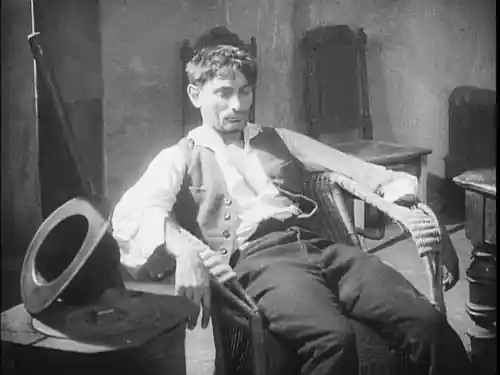
The performances are uniformly excellent, a testament to the talent assembled. Sergey Sletov embodies Mr. West with a wide-eyed innocence that makes his eventual enlightenment all the more satisfying. Boris Barnet's Jeddie is a physical comedy marvel, his every movement conveying a blend of loyalty and utter cluelessness. But it is perhaps Aleksandra Khokhlova's Countess who steals the show, her theatricality and cunning providing the perfect foil to West’s gullibility. The supporting cast, including Vsevolod Pudovkin himself in a minor role, contributes to the vibrant tapestry of characters, each one playing their part in the elaborate charade or the genuine Soviet society West eventually encounters. The film's ensemble work is remarkable, a symphony of expressions and gestures that transcend the silent medium.
Pudovkin's directorial vision is evident in every frame. While often overshadowed by his contemporary Eisenstein in discussions of Soviet montage, Pudovkin's approach here is more narrative-driven, emphasizing character and situational comedy. Yet, his editing is still sharp, propelling the plot forward with a dynamic
Community
Log in to comment.