DbcultAccessing Vault...
5.3/10
Senior Film Conservator
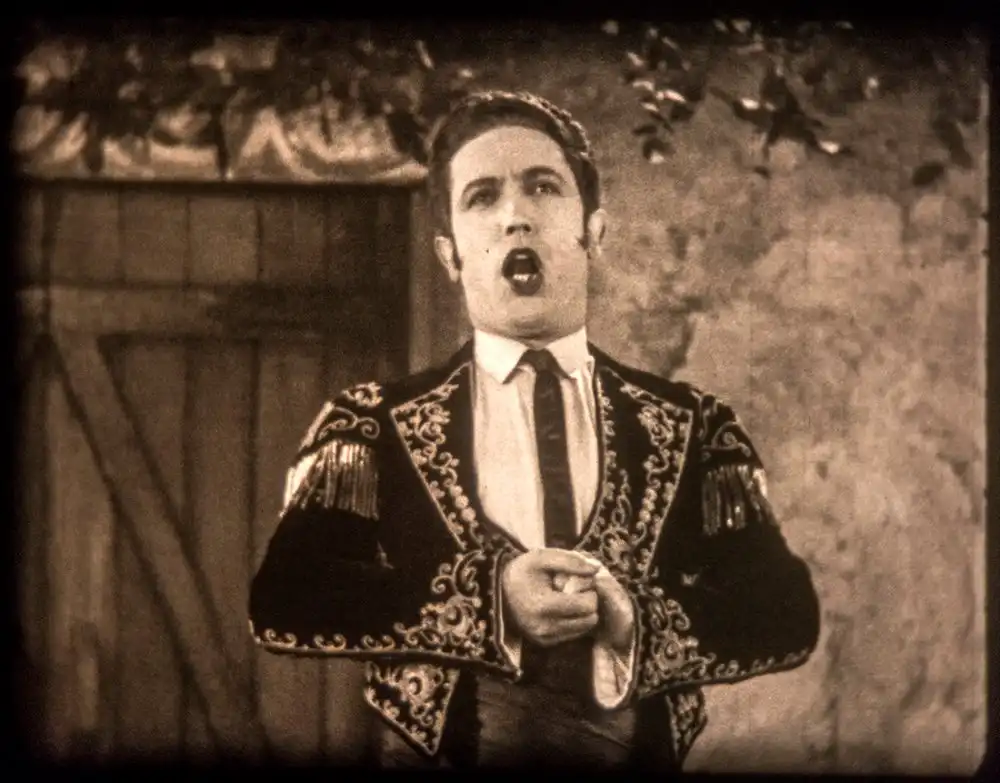
A definitive 5.3/10 rating for a film that redefined the boundaries of cult cinema. The Empress remains a cornerstone of transgressive art.
Step into the hushed grandeur of the silent era, and you’ll often find narratives that, despite their lack of spoken dialogue, resonate with a profound emotional depth and a surprising complexity. Such is the case with The Empress, a cinematic artifact that, even a century after its creation, holds a mirror to enduring human frailties: ambition, vulnerability, and the corrosive power of secrets. It’s a film that doesn't just tell a story; it unravels a moral dilemma with the deliberate pace and dramatic flourish characteristic of its time, yet its core themes feel startlingly contemporary. When we talk about the enduring power of early cinema, works like The Empress are precisely what we mean. They speak to universal truths, stripped bare of modern cinematic artifice, relying instead on the raw power of performance and visual storytelling.
At its heart, The Empress is a searing indictment of the power dynamics inherent in artistic creation and societal structures. The story commences with Louis de Baudry, a painter of considerable renown, basking in the glow of his latest triumph: a portrait, also titled "The Empress," which has garnered both critical acclaim and a lucrative sale. His muse, the captivating Nedra, is invited to share in this celebratory moment, whisked away to a picturesque country retreat. This idyllic setting, however, soon becomes the stage for a harrowing betrayal. De Baudry, far from the noble artist, reveals a predatory nature, forcing his way into Nedra's room, shattering her trust and innocence. This moment of profound violation is then compounded by the opportunistic intervention of Peters, the hotel owner. Armed with a camera, Peters captures a photograph of the two, Nedra's forced smile a stark testament to her trauma, effectively weaponizing her vulnerability. The narrative then fast-forwards a year, presenting Nedra as the picture of respectability, now married to the affluent and unsuspecting Eric Bruce. Yet, the specter of the past, embodied by Peters and his incriminating photograph, looms large, threatening to dismantle her carefully constructed new life. This narrative arc, penned by the collaborative efforts of Frederick Chapin, Holbrook Blinn, and the pioneering Alice Guy, showcases a keen understanding of suspense and psychological tension, building a palpable sense of dread that permeates every frame.
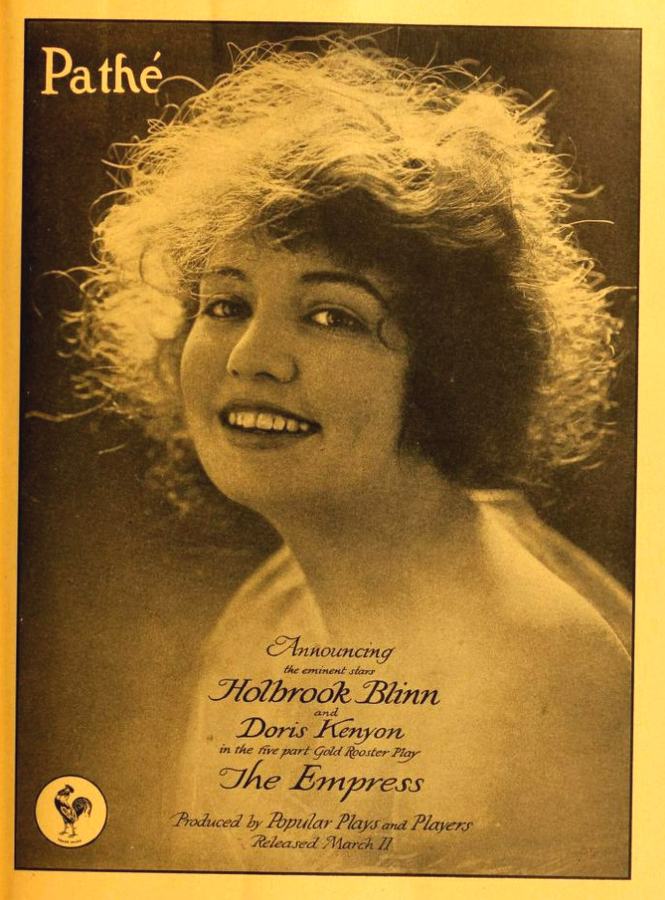
The performances within The Empress are, as expected for the era, often grand and expressive, yet they manage to convey a surprising degree of nuance. Doris Kenyon, in the pivotal role of Nedra, delivers a portrayal that is both fragile and resilient. Her initial scenes depict a luminous innocence, a woman captivated by the artistic process and perhaps, by the artist himself. The shift in her demeanor after the traumatic incident is palpable; her eyes, once alight with inspiration, now carry a haunted quality. Kenyon masterfully navigates the emotional landscape of a woman grappling with shame, fear, and a desperate desire for a fresh start. Her performance during the blackmail sequences is particularly compelling, conveying the suffocating weight of her secret without uttering a single word. It’s a testament to her skill that the audience feels her desperation and the immense pressure she endures. Her acting style, while characteristic of the silent era's reliance on exaggerated gestures, never descends into caricature. Instead, she imbues Nedra with a quiet dignity, even in her most vulnerable moments. This nuanced approach helps ground the melodrama in a relatable human experience, preventing the character from becoming a mere victim.
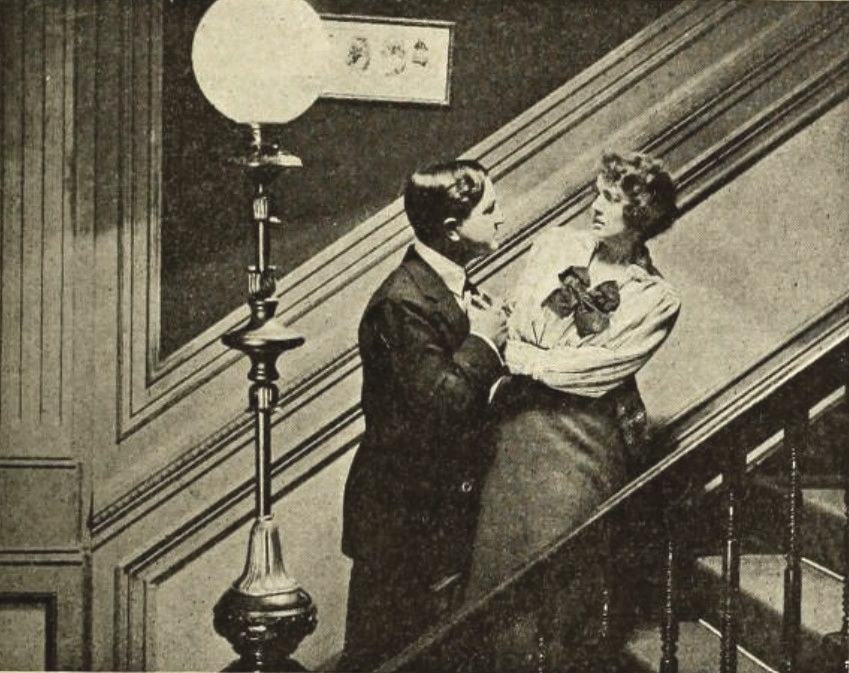
Holbrook Blinn, who also contributed to the screenplay, embodies the morally bankrupt artist Louis de Baudry with a chilling effectiveness. He projects an aura of sophisticated charm that masks a truly predatory nature. Blinn’s de Baudry is not a mustache-twirling villain in the traditional sense, but rather a man whose artistic temperament is corrupted by an inflated sense of entitlement and power. His scenes with Kenyon are uncomfortable to watch, precisely because Blinn makes his character's transgression feel so coldly calculated, rather than a fit of passion. His performance highlights the insidious ways in which power can be abused, particularly in creative relationships where boundaries can become blurred. De Baudry represents a darker side of the creative genius archetype, reminding us that talent does not equate to virtue. Then there's Lyn Donelson as Peters, the opportunistic hotelier. Donelson’s portrayal is a study in quiet menace. Peters isn't flamboyant; his power lies in his cunning and his ability to exploit others' weaknesses. His eyes, often narrowed, convey a calculating intelligence, and his movements are precise, almost reptilian. He embodies the societal underbelly, the individual who profits from the misfortunes of others, and Donelson plays him with a restrained malevolence that makes him all the more unsettling. Finally, William A. Morse as Eric Bruce, Nedra’s unsuspecting husband, provides the necessary contrast. His character represents the idealized societal partner, a man of wealth and presumed integrity, whose blindness to his wife's past underscores the film's commentary on the fragility of reputation and the hidden costs of maintaining appearances.
Thematic resonance is where The Empress truly shines. The film delves deeply into the concepts of exploitation, the precariousness of female autonomy, and the unforgiving nature of societal judgment. Nedra's experience with de Baudry is a stark depiction of artistic power used as a weapon, a theme that, regrettably, remains relevant in discussions surrounding creative industries even today. Her subsequent blackmail by Peters highlights the societal double standard, where a woman's past, even if she is the victim, can be used to destroy her future. This mirrors the anxieties prevalent in the early 20th century regarding female purity and reputation, where a single misstep, or even a perceived one, could lead to social ostracization. The film implicitly critiques a world where a woman's worth is so tied to her unblemished past that she must live in constant fear of exposure. The writers, Frederick Chapin, Holbrook Blinn, and Alice Guy, craft a narrative that, while melodramatic, never shies away from exploring these uncomfortable truths. Their collective vision presents a world where justice is not always swift or clear-cut, and where the sins of others can cast long, dark shadows over innocent lives.
Visually, The Empress employs the rich, expressive cinematography typical of its era. The use of lighting, particularly in the intimate and tense scenes, is masterful, creating stark contrasts that amplify the emotional stakes. Shadows are not just shadows; they are characters themselves, representing the lurking threat of exposure and the darkness that surrounds Nedra's secret. The set designs, from the opulent artist's studio to the quaint country hotel and the lavish home of Eric Bruce, are meticulously crafted, serving not merely as backdrops but as extensions of the characters' psychological states and societal standing. The framing of shots is often deliberate, isolating Nedra in moments of despair or emphasizing the looming presence of her tormentors. While specific directorial credits for the film are sometimes debated given the collaborative nature of early cinema, the overall visual language speaks to a cohesive and thoughtful artistic vision. The editing maintains a steady, suspenseful rhythm, allowing the audience to fully absorb the emotional weight of each scene. The intertitles, crucial to silent storytelling, are effectively deployed, providing necessary exposition without disrupting the flow of the visual narrative. They are succinct, poignant, and often deliver key emotional beats or plot twists with powerful brevity.
Comparing The Empress to other films of its period reveals both its unique strengths and its place within the broader tapestry of silent cinema. The intricate web of blackmail and societal pressure might draw parallels to the convoluted criminal machinations seen in serials like The Vampires: Satanas, though The Empress grounds its suspense in personal trauma rather than grand, fantastical schemes. The theme of a protagonist grappling with a dark secret and seeking redemption or escape from a past injustice echoes the enduring narrative of The Count of Monte Cristo, albeit with a female protagonist whose agency is more constrained by societal expectations. Films like The Mysterious Miss Terry or Charity Castle also feature strong female leads navigating challenging circumstances, but The Empress distinguishes itself by focusing intensely on the psychological toll of a single, devastating incident and its long-term repercussions. It's less about a grand adventure or a quest, and more about the quiet, internal battle for dignity and peace.
The dramatic tension is impeccably maintained throughout the film. From the initial act of violation to the relentless pressure of the blackmail, the audience is kept on edge, rooting for Nedra to find a way out of her predicament. The film expertly builds towards its climax, where the various threads of the plot—Nedra's marriage, Peters' demands, and de Baudry's continued presence—converge. The resolution, without giving away too much, is satisfyingly complex, avoiding simplistic good-versus-evil tropes. It acknowledges the messy realities of life and the often-unforeseen consequences of past actions. The moral ambiguity of some characters, particularly de Baudry, adds layers to the narrative, preventing it from becoming a purely black-and-white morality play. This sophistication in storytelling is a hallmark of truly great silent films, demonstrating that even without dialogue, complex ethical questions could be explored with considerable depth.
Ultimately, The Empress stands as a powerful testament to the enduring appeal of silent cinema. It's a film that speaks volumes without uttering a single word, relying instead on the evocative power of its visuals, the compelling performances of its cast, and a narrative that plumbs the depths of human experience. For aficionados of early film, or anyone interested in the evolution of cinematic storytelling, The Empress offers a rich and rewarding viewing experience. It reminds us that the foundational elements of compelling drama—character, conflict, and consequence—transcend technological advancements. It's a journey into a past era that resonates with timeless truths, a poignant exploration of vulnerability, and a stark reminder of the long shadow cast by secrets and exploitation. If you appreciate cinema that challenges and provokes thought, this silent drama is an essential watch, offering a window into the societal anxieties and human struggles that continue to shape our world.
IMDb 6
1936
Community
Log in to comment.