DbcultAccessing Vault...
5.5/10
Senior Film Conservator
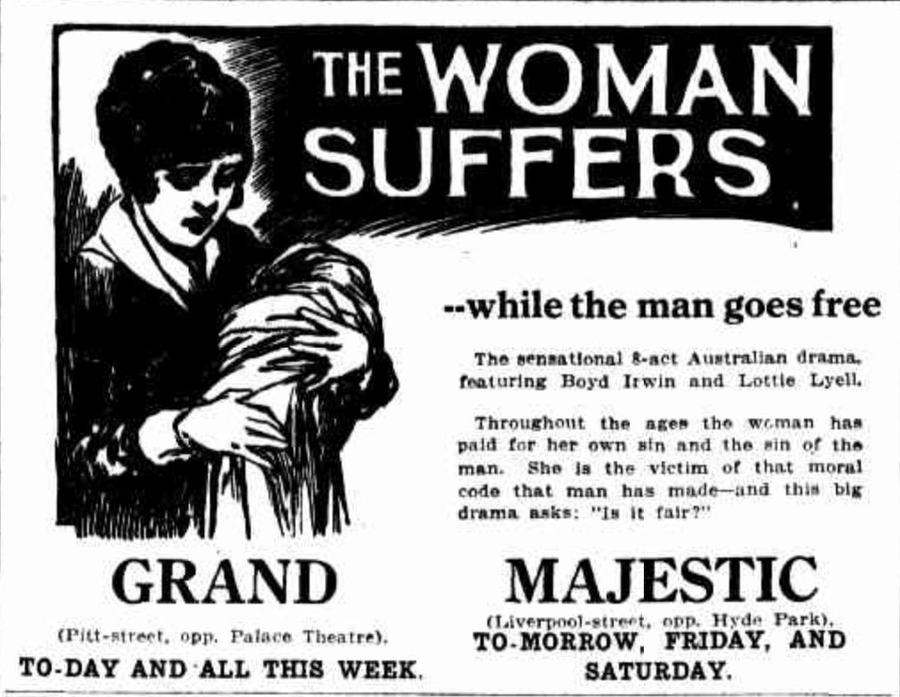
A definitive 5.5/10 rating for a film that redefined the boundaries of cult cinema. The Woman Suffers remains a cornerstone of transgressive art.
Stepping into the flickering, sepia-toned world of early cinema, one often anticipates grand gestures, stark moralities, and the compelling, if sometimes simplistic, narratives that defined an era. ‘The Woman Suffers’, a compelling offering from the prolific mind of Raymond Longford, transcends mere historical curiosity, presenting a searing domestic melodrama that, even a century later, retains a potent emotional resonance. This is not just a film; it is a vital artifact, a mirror reflecting the anxieties, hypocrisies, and rigid societal constructs that governed lives in a bygone age. Longford, a director whose contributions to Australian cinema are often lauded, here crafts a narrative that, while ostensibly simple, delves into the intricate psychological landscape of familial honor, personal betrayal, and the often-brutal consequences of societal judgment.
The film’s dramatic core hinges on a premise as old as storytelling itself: the ruination of a woman’s reputation. Marjorie Morton, portraying the beleaguered Marjory, delivers a performance that, despite the constraints of silent acting, conveys a profound depth of anguish and defiance. Her plight is the catalyst, igniting a whirlwind of familial retribution spearheaded by her brother, Ralph Manton, played with a formidable intensity by Tom Woodville. Woodville’s portrayal of Ralph is particularly striking; he embodies the patriarchal figure consumed by an almost archaic sense of honor, his every gesture radiating a furious indignation. His initial demand for the seducer’s name is not merely a request but a decree, underscored by a societal expectation that women, once ‘fallen,’ must contribute to their own redemption by identifying their undoers. Marjory’s steadfast refusal, a silent act of loyalty that borders on self-immolation, immediately sets her apart from the passive victims often depicted in such tales. It hints at a complexity in her character, a strength born of an unconventional love or perhaps a deeper understanding of the futility of public shaming.
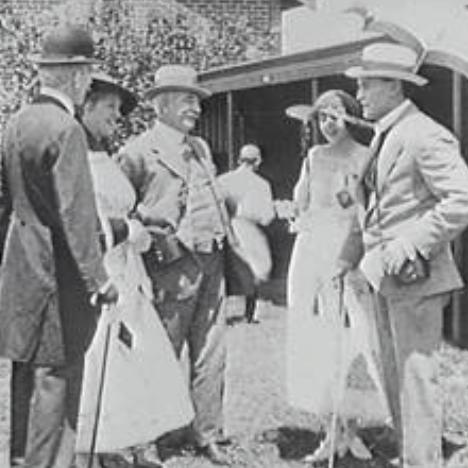
Longford’s direction, while perhaps lacking the overt stylistic flourishes of a Griffith or a DeMille, possesses an understated power, allowing the narrative to unfold with a relentless, almost suffocating inevitability. The pacing is deliberate, building tension through a series of carefully orchestrated revelations and confrontations. One might draw parallels to the slow-burn emotional intensity found in films like Was She Justified?, where the moral quandaries faced by characters are dissected with a similar, unhurried precision. Here, the camera often lingers on the faces of its protagonists, inviting the audience to interpret the unspoken emotions that flicker across their visages—a testament to the power of the actors’ craft in an era before spoken dialogue. The film relies heavily on these visual cues, on the subtle shifts in posture, the intensity of a gaze, to communicate the internal turmoil that words could not yet articulate.
The supporting cast, a veritable ensemble of early cinematic talent, contributes significantly to the film’s rich tapestry. Joe Martar, Harry Beaumont, and Harry Goodfellow, though perhaps not household names today, each bring a distinct presence to their roles, fleshing out the societal milieu in which the central drama unfolds. Evelyn Black and Connie Martyn, alongside the enigmatic Lottie Lyell, further enhance the film's texture, representing various facets of womanhood within this restrictive society. Lyell, in particular, often brought a compelling gravitas to her roles, and her presence here, even if in a supporting capacity, adds another layer of authenticity to the proceedings. Their collective performances paint a vivid picture of a community grappling with scandal, gossip, and the pervasive fear of social ostracization. The film masterfully uses these peripheral characters to underscore the immense pressure Marjory faces, making her quiet defiance all the more remarkable.
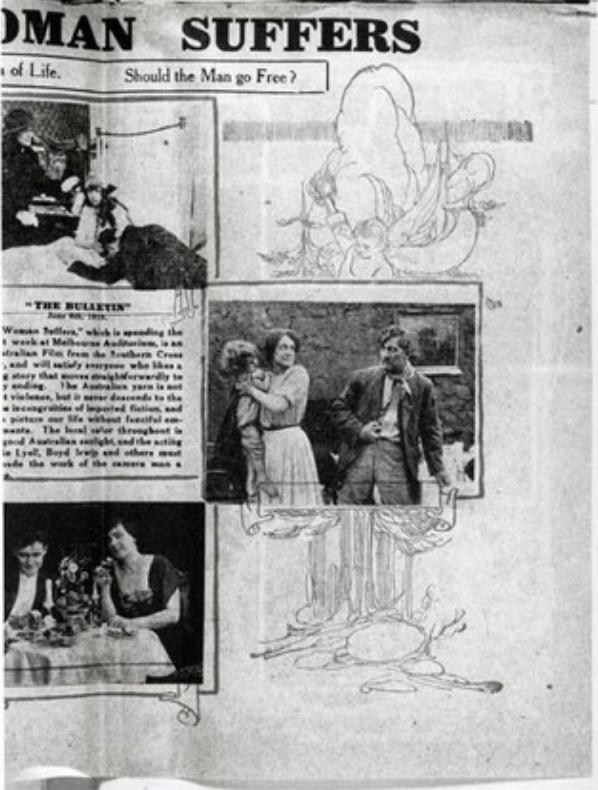
What truly elevates ‘The Woman Suffers’ beyond a mere period piece is its audacious narrative twist. The phrase “the tables are turned” in the plot synopsis hints at a profound subversion, a moment where the hunter becomes the hunted, and the moral high ground crumbles beneath the feet of those who presumed to occupy it. Without revealing the exact nature of this reversal, it’s safe to say that Longford, as both writer and director, demonstrates a keen understanding of dramatic irony and a willingness to challenge the audience’s preconceived notions of justice. This isn't a simple tale of good triumphing over evil, but rather a more nuanced exploration of human fallibility, revealing that even those who champion honor can be tainted by their own flaws and desires. This unexpected shift in power dynamics might remind viewers of the moral complexities explored in films like Slander, where reputations are meticulously built only to be spectacularly dismantled.
The thematic undercurrents of the film are surprisingly modern for its time. It grapples with the double standards imposed upon women, the destructive nature of unchecked male ego, and the often-fragile line between justice and vengeance. Ralph’s relentless pursuit of the seducer is framed as an honorable quest, yet the film subtly questions the purity of his motivations. Is it truly about Marjory’s honor, or is it about restoring his own wounded pride and asserting his patriarchal authority? The film doesn't offer easy answers, instead inviting the viewer to contemplate the intricate web of personal and societal pressures that drive its characters. The suffering implied in the title extends beyond Marjory to encompass the broader societal malaise that perpetuates such injustices.
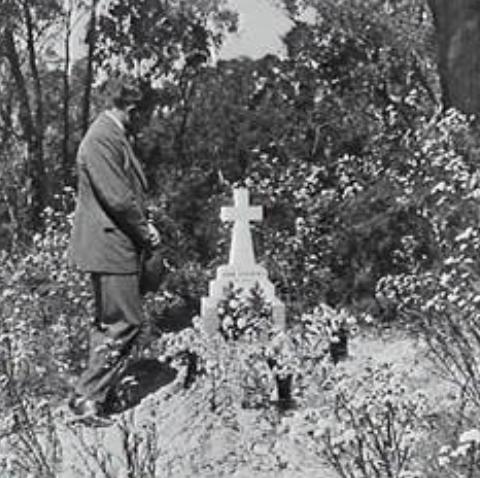
Visually, the film, even in its preserved form, offers glimpses of Longford’s adeptness at composition. While the technological limitations of the era are evident, there are moments of striking imagery—carefully framed shots that emphasize isolation, confrontation, or the sheer weight of a character’s burden. The use of intertitles, the textual explanations that guide the silent narrative, are judiciously employed, providing necessary exposition without overwhelming the visual storytelling. These intertitles, often ornate and declarative, serve as a narrative voice, a direct address to the audience that was a hallmark of silent cinema, guiding their interpretation of the often-subtle visual cues. The black-and-white cinematography, far from being a limitation, enhances the dramatic tension, reducing the world to stark contrasts of light and shadow, mirroring the moral dichotomies at play within the story.
The performances are, of course, central to the film’s impact. Beyond Woodville and Morton, actors like Herbert Walsh, Doris Wadham, and C.R. Stanford contribute to the film’s immersive quality. Each actor, through their nuanced expressions and gestures, manages to convey complex emotional states without uttering a single word. This art of silent acting, often underestimated today, was a highly refined skill, demanding an innate understanding of human psychology and the ability to project it across the screen. Consider the raw intensity of Tom Woodville’s eyes as he confronts the man he believes has wronged his sister, or the subtle tremor in Marjorie Morton’s hand as she steadfastly refuses to betray her lover. These are moments that transcend the technological limitations, speaking directly to the viewer’s empathy.
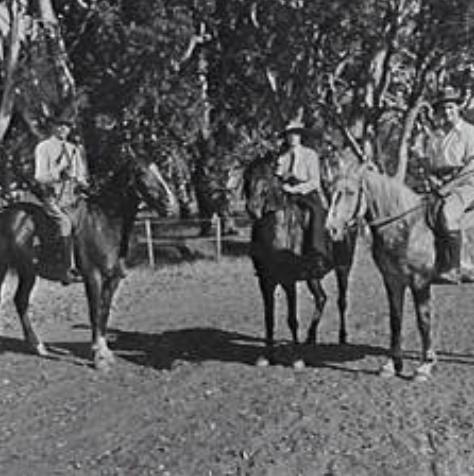
Longford’s screenplay, credited solely to him, is a masterclass in melodramatic construction. He understands the mechanics of building suspense, of introducing complications, and of delivering a satisfying, albeit morally challenging, resolution. The narrative arc is meticulously planned, ensuring that each plot point contributes to the escalating tension and the ultimate denouement. The film does not shy away from the darker aspects of human nature, exploring themes of hypocrisy, betrayal, and the corrosive effects of pride. In this regard, it shares a thematic kinship with other dramas of its time, such as The False Friend, which also delved into the treacherous nature of human relationships and the devastating consequences of deceit. The script’s ability to weave together these complex threads into a cohesive and engaging story is a testament to Longford’s skill as a storyteller.
The societal context of ‘The Woman Suffers’ is crucial for a full appreciation of its daring. In an era where a woman’s virtue was inextricably linked to her family’s social standing, the film’s plot would have resonated deeply with contemporary audiences. The fear of scandal, the pressure to conform to rigid moral codes, and the devastating impact of a ‘fallen’ reputation were not abstract concepts but lived realities. The film, therefore, acts as a powerful social commentary, subtly critiquing the very society it depicts. It forces viewers to confront the inherent unfairness of a system that placed disproportionate blame and punishment on women for acts often instigated or shared by men. This social critique is a hallmark of Longford’s work, as seen in other films where he often explored the struggles of individuals against societal strictures.
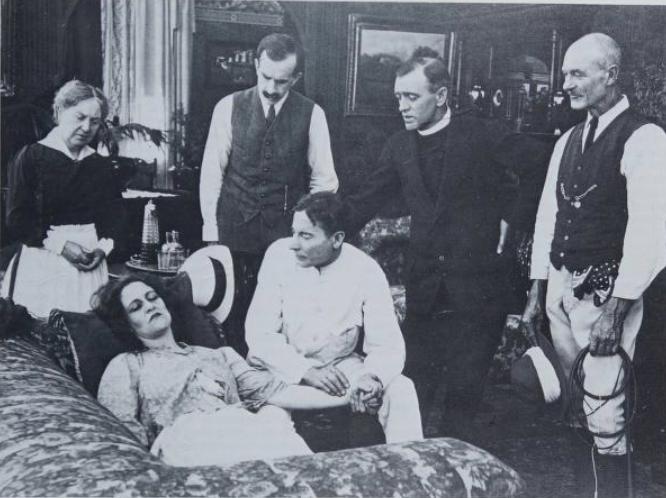
One cannot discuss Longford’s work without acknowledging his significant role in developing Australian cinema. ‘The Woman Suffers’ stands as a testament to his ambition and talent, showcasing a filmmaker unafraid to tackle complex human emotions and challenging moral questions. His collaboration with actors like Lottie Lyell, who was not only a prominent actress but also a significant creative partner, often contributing to screenplays and production, speaks volumes about the dynamic creative environment he fostered. While the film may not possess the grand scale of some Hollywood productions of the time, its intimate focus and psychological depth give it a unique power. It’s a reminder that compelling storytelling doesn't always require lavish sets or massive budgets; sometimes, all it takes is a powerful narrative, strong performances, and a keen directorial eye.
The film’s enduring relevance lies in its exploration of universal themes. The struggle for personal autonomy, the quest for justice, the pain of betrayal, and the complexities of forgiveness are emotions that transcend time and culture. While the specific societal norms depicted may have evolved, the underlying human experiences remain remarkably consistent. The film’s ability to provoke thought and stimulate discussion about these timeless issues is what cements its place as an important work of early cinema. It challenges us to look beyond the surface, to question motives, and to empathize with characters caught in impossible situations. The quiet power of Marjory’s initial refusal, followed by the seismic shift in the narrative’s balance, makes ‘The Woman Suffers’ a truly memorable experience.
In conclusion, ‘The Woman Suffers’ is far more than a historical curiosity; it is a vibrant, emotionally charged drama that speaks volumes about the human condition. Longford’s masterful storytelling, combined with the evocative performances of its cast—particularly Tom Woodville and Marjorie Morton—creates a cinematic experience that is both intellectually stimulating and deeply moving. It stands as a powerful example of early Australian filmmaking, demonstrating that even in its nascent stages, cinema possessed the capacity for profound social commentary and intricate character study. For enthusiasts of silent film, or anyone interested in the evolution of dramatic storytelling, this film is an absolute must-see, a stark reminder of the enduring power of cinema to illuminate the darkest corners of the human heart and the complexities of societal morality. It challenges its audience to reconsider their own judgments and to appreciate the often-unseen struggles that define individual lives. The impact of the film’s final twist ensures its legacy, leaving a lasting impression that echoes long after the final frame has faded.

IMDb 5.9
1930
Community
Log in to comment.