DbcultAccessing Vault...
6.5/10
Senior Film Conservator
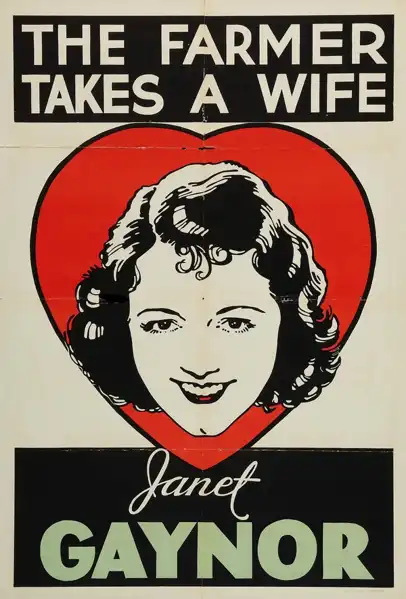
A definitive 6.5/10 rating for a film that redefined the boundaries of cult cinema. The Farmer Takes a Wife remains a cornerstone of transgressive art.
Alright, so you’re looking at The Farmer Takes a Wife from way back in 1935. Is it worth your time today? 🤔 Absolutely, if you’ve got a soft spot for classic Hollywood, especially those gentle, earnest stories from the pre-Code era. If you need explosions or cynicism, maybe skip this one.
It’s a simple story, really. Set on the Erie Canal in the mid-19th century, which, right off the bat, gives it a unique flavor. We follow Dan Harrow, played by a very young Henry Fonda in his very first movie role. You can feel him finding his footing, still a bit raw around the edges, but he brings this wonderful, quiet determination to the farmer wanting his own patch of dirt.
Then there’s Molly Larkins, the cook on a canal boat, played by Janet Gaynor. She’s just a delight. Full of sass and a real zest for the bustling life on the canal. She’s got this great energy that really sparks against Fonda’s more reserved character.
The whole film just *breathes* canal life. The boats chugging along, the lock tenders, the lively songs. It’s not just a backdrop; it’s practically another character. You almost smell the river water and the cooking from Molly’s galley. The details, like how they pass other boats and shout greetings, feel really authentic. 🛶
The conflict, if you can call it that, is Molly’s hesitation to leave her vibrant canal existence for the quiet, perhaps even boring, life of a farmer’s wife. Dan wants a farm. Molly loves the canal. It’s a classic, gentle push and pull, and the stakes feel incredibly personal.
The supporting cast is full of these great, lived-in faces. Andy Devine shows up, all gravelly voice and good-natured bluster. And Slim Summerville, he’s just there, adding his usual quirky charm. They make the canal feel like a real community, not just a bunch of extras.
One scene that sticks with me, it’s when Molly is just staring out at the canal, her face lit by a lantern. You can almost feel her internal debate, the pull of freedom versus the stability Dan offers. It’s a quiet moment, but it speaks volumes without a single word being said.
The music, too, is a big part of it. There are these folk songs that pop up, sometimes sung by the characters themselves. They’re not showstoppers, but they really add to the period feel. They don’t feel forced, which is nice.
There’s a part where some rowdy canal men try to cause trouble, and it feels a little bit like the movie suddenly remembered it needed some *drama*. It’s quickly resolved, though, and doesn’t really detract from the overall gentle pace. The film is at its best when it’s just letting these characters live and interact.
Honestly, the movie gets better once you settle into its rhythm. It’s not trying to be epic. It’s just a charming, heartfelt look at two people figuring things out. It’s a reminder that sometimes, the simplest stories are the ones that stick with you. A really nice little film. ✨
IMDb —
1919
Community
Log in to comment.