DbcultAccessing Vault...
Cult Review
Senior Film Conservator
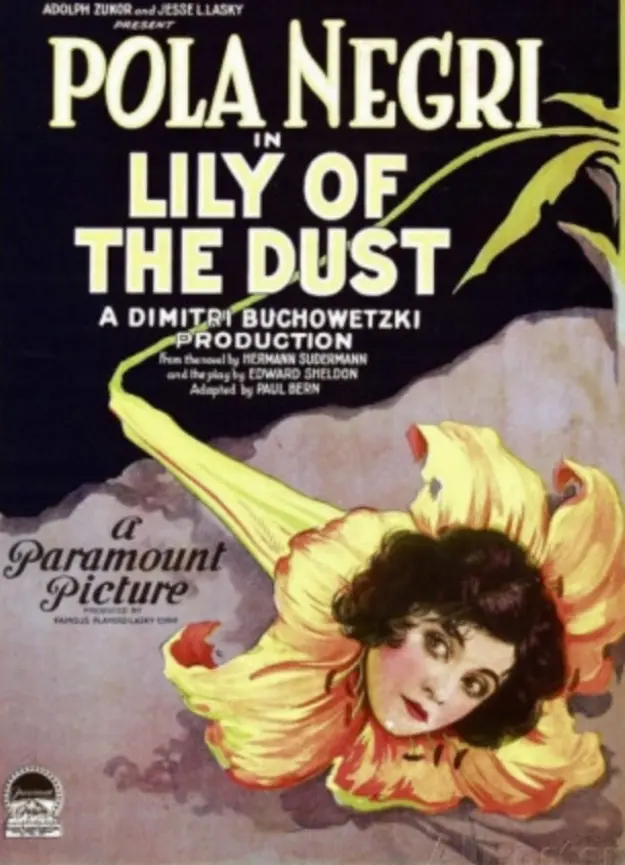
In the silent era of cinema, 'Lily of the Dust' (1924) emerges as a poignant tale of love, loyalty, and the devastating consequences of desire. Directed by a visionary filmmaker, this movie presents a compelling narrative that probes the intricacies of the human heart, set against the backdrop of war.
The story revolves around Lily, an innocent and reserved young librarian, whose life takes a dramatic turn when she captures the attention of several officers stationed at a German garrison. Among them is Lieutenant Prell, who becomes deeply infatuated with her. Their budding romance, however, is disrupted when Lily agrees to marry Colonel Mertzbach, the aristocratic and commanding regimental commander. This union is not merely a matter of convenience or affection; it represents a choice that Lily makes, seemingly driven by a desire for stability and security in a world torn apart by conflict.
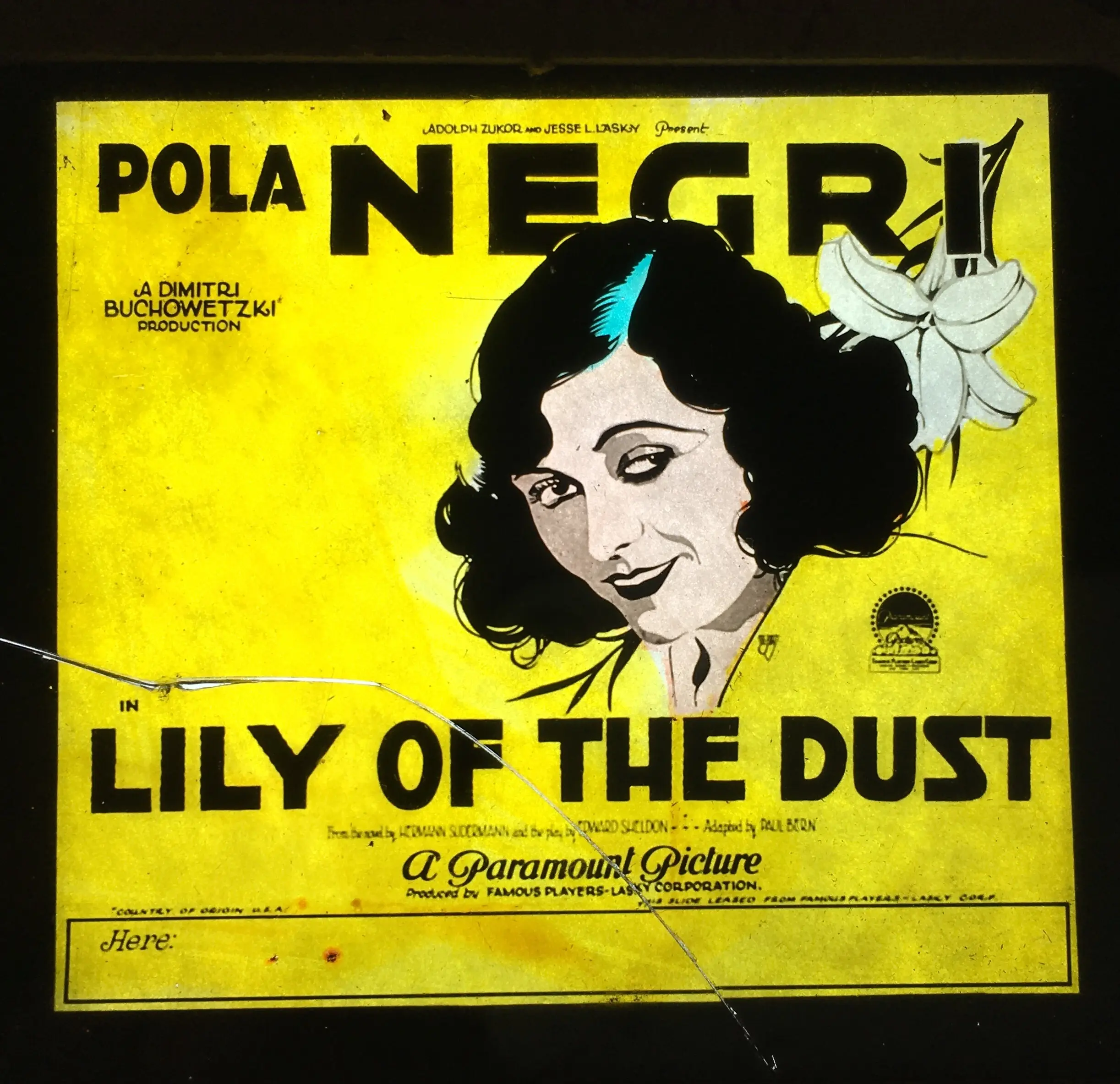
The character dynamics in 'Lily of the Dust' are complex and multifaceted. Lieutenant Prell's relentless pursuit of Lily, despite her commitment to Colonel Mertzbach, serves as the catalyst for the tragic events that unfold. This love triangle becomes a focal point through which the film examines themes of love, duty, and the societal expectations that govern individual choices. Pola Negri's portrayal of Lily brings to the fore a nuanced performance, capturing the turmoil and emotional depth of a woman caught between her desires and her obligations.
The cinematography in 'Lily of the Dust' is noteworthy, with each frame meticulously crafted to evoke a sense of melancholy and foreboding. The use of shadows and light plays a crucial role in conveying the emotional states of the characters, creating a visually stunning experience that complements the narrative. The film's ability to convey emotion without the need for spoken dialogue is a testament to the power of silent cinema.
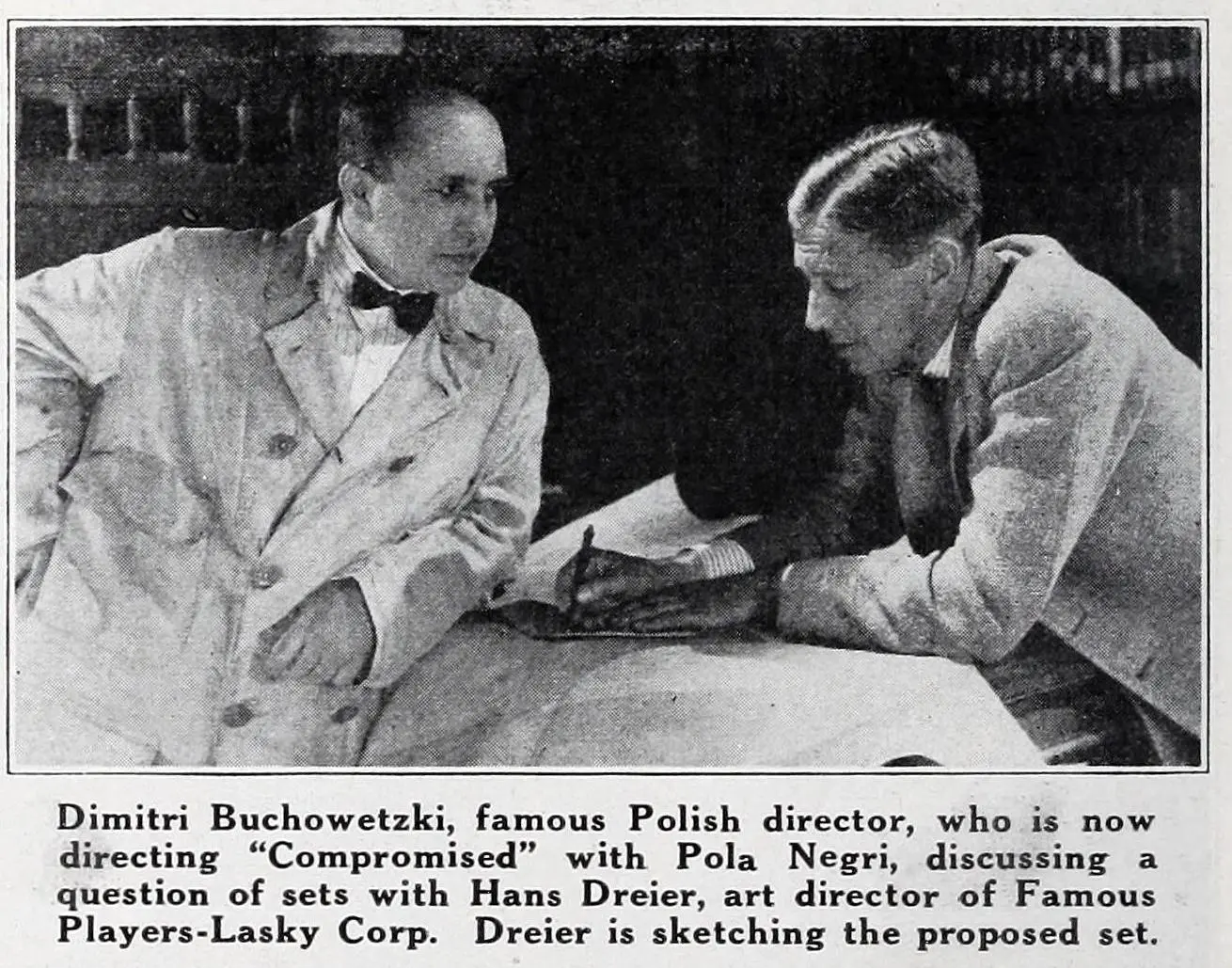
Comparing 'Lily of the Dust' to other films of its era, such as 'Crime and Punishment' (1923) and 'Not Guilty' (1921), it becomes evident that this film shares a thematic concern with the exploration of human psychology and the consequences of one's actions. However, 'Lily of the Dust' distinguishes itself through its unique narrative and the historical context in which it is set, providing a distinctive viewing experience.
The performances in 'Lily of the Dust' are commendable. Raymond Griffith, William J. Kelly, and Noah Beery deliver solid performances that add depth to the narrative. Their portrayals contribute to the film's ability to engage the audience, making the tragic events that unfold feel both personal and impactful.
In conclusion, 'Lily of the Dust' is a masterpiece of silent cinema that offers a compelling exploration of love, loss, and the human condition. Its intricate plot, coupled with outstanding performances and cinematography, makes it a must-watch for film enthusiasts. The film's examination of the complexities of the human heart, set against the backdrop of war, is both thought-provoking and visually stunning. As a cinematic work, it not only entertains but also invites reflection on the universal themes that it explores.
For those interested in exploring more films from the silent era, 'The City of Silent Men', 'A White Wilderness', and 'Locked Lips' offer similar thematic concerns and cinematic techniques. Each of these films provides a unique perspective on the human experience, making them valuable additions to the canon of silent cinema.
IMDb —
1920
Community
Log in to comment.