DbcultAccessing Vault...
Cult Review
Senior Film Conservator
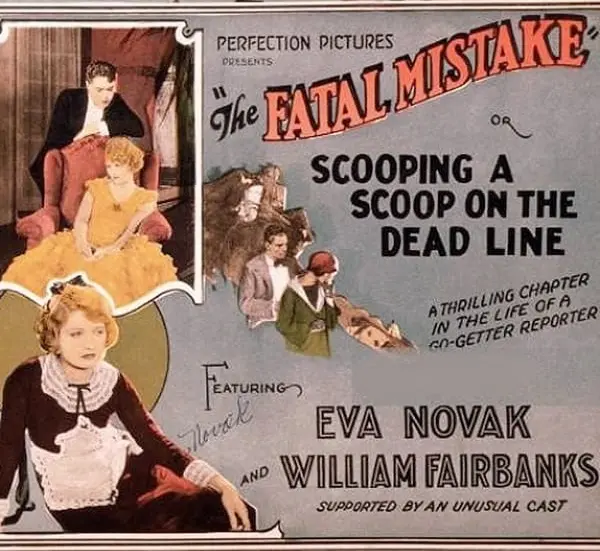
The Cinematic Enigma of 'The Fatal Mistake' (1924)
In the realm of silent cinema, where fortunes of fate and human volition entwine like the tender shoots of a vine, 'The Fatal Mistake' emerges as a fascinating artifact. This 1924 film, helmed by the inimitable Wilfred Lucas, who also penned the screenplay, presents a narrative tapestry woven from the threads of chance, redemption, and love.
The Unlikely Hero
At the heart of this cinematic endeavor is Jack Darwin, portrayed with verve by William Fairbanks. A cub reporter at the Evening Star newspaper, Jack's professional life is turned upside down when he finds himself at the receiving end of an unjust termination. This setback, however, proves to be a blessing in disguise, as it sets him on a path that will lead to his redemption and, unexpectedly, love.
The fortuitous alignment of events begins with Jack's collaboration with Ethel Bennett, an undercover policewoman played with aplomb by Eva Novak. Their partnership is a masterstroke of fate, as they join forces to prevent the theft of the valuable Riko jewels. This crime averted not only marks a professional triumph for Jack but also paves the way for his emotional fulfillment.
A Comparative Analysis
In the context of its era, 'The Fatal Mistake' shares thematic resonances with films like Beasts of Paradise, which also explores the intersection of chance and human agency. Similarly, Are You a Mason? and Those Who Pay navigate the complexities of identity and morality, albeit within different narrative frameworks.
The Performative Core
The performances in 'The Fatal Mistake' are noteworthy, with Fairbanks and Novak delivering captivating portrayals that anchor the film's emotional and narrative arcs. Dot Farley, Bruce Gordon, and Frank Clark provide able support, contributing to the film's textured character study.
In terms of cinematic craftsmanship, 'The Fatal Mistake' exhibits a deft handling of silent film techniques. The direction by Wilfred Lucas is economical yet effective in conveying the story's emotional depth and suspenseful moments.
A Legacy Revisited
When contextualized alongside other silent films of its period, such as Höhenluft and A Bird of Bagdad, 'The Fatal Mistake' demonstrates a keen awareness of the medium's potential for storytelling and emotional resonance. This film, much like The Dentist and Lilith and Ly, leverages the visual language of silent cinema to convey complex narratives and emotional states.
The film's exploration of redemption and love finds echoes in From Two to Six and The Boy Girl, which also navigate the ebb and flow of human relationships and professional aspirations. Furthermore, the thematic preoccupations of 'The Fatal Mistake' are reminiscent of films like Weak Hearts and Wild Lions and Die Gespensteruhr, which similarly probe the frontiers of human experience.
Conclusion
'The Fatal Mistake' stands as a testament to the enduring appeal of silent cinema. This film, with its intricately woven narrative and memorable performances, invites viewers to reflect on the contingencies of fate and the redemptive power of human connection. As a cinematic artifact, it resonates with the timeless themes of love, redemption, and the unpredictable nature of life.
Ultimately, 'The Fatal Mistake' is a compelling addition to the canon of silent films, offering a unique viewing experience that continues to enthrall audiences with its narrative charm and historical significance.
IMDb —
1918
Community
Log in to comment.