DbcultAccessing Vault...
Cult Review
Senior Film Conservator
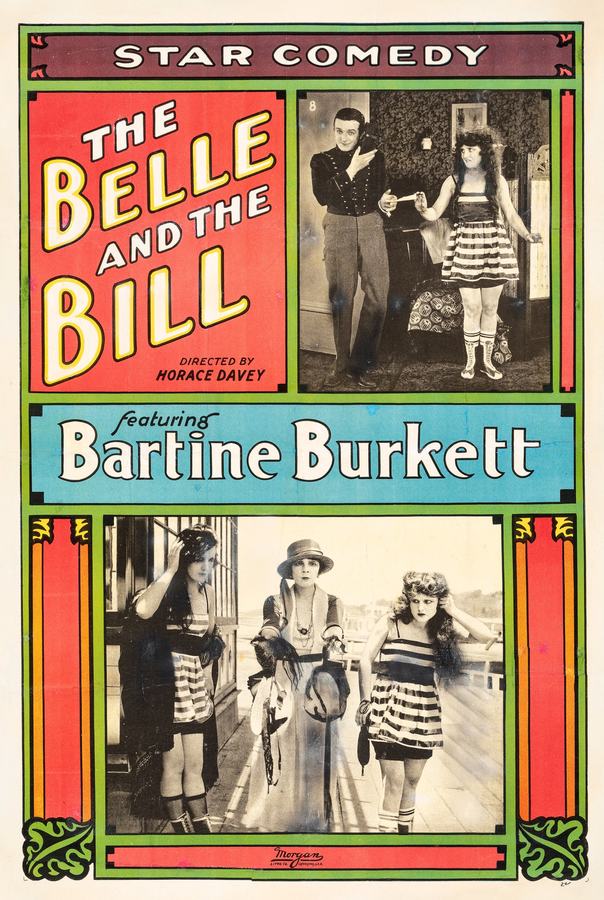
The first thing that strikes you about The Belle and the Bill is how loudly it whispers. Bennett Cohen’s screenplay, lean as a bale-wire, lets the flicker of candleflame and the scratch of fountain pens do the talking; the film trusts that an audience can hear corruption without brass-band exposition. Shot on Eastman stock that today looks like bruised pewter, this 1920 one-reeler distills the entire Progressive-Era cynicism into forty-three minutes of iris shots and hard glances.
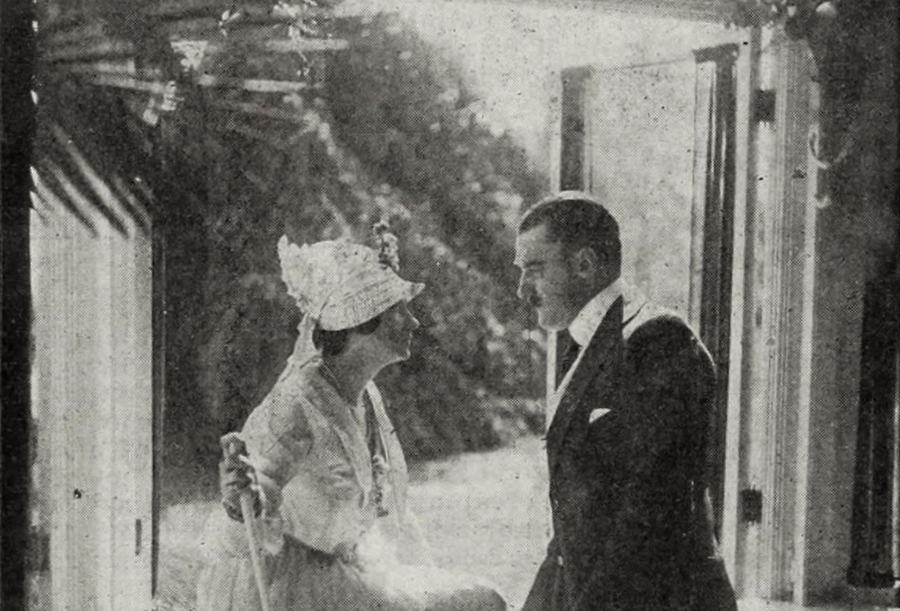
Bartine Burkett—often dismissed as merely "the girl with the kohl-rimmed stare"—gives Belle Darnell a pulse that throbs beneath the high lace collar. Watch her in the sequence where she first fingers the ledger: the camera holds in medium close-up as the tip of her tongue wets her upper lip, a micro-gesture that sells the enormity of the crime better than any title card could. Burkett’s silent-era contemporaries like Lois Wilson in Rosemary traded on wide-eyed innocence; Burkett weaponizes reticence, letting silence pool until it becomes accusation.
Opposite her, Austin Howard’s Alderman McCullough is a study in beefy magnetism gone rancid. His waistcoat strains like a sail filling with hot air; when he leans in to dictate a letter, the cigar scar on his cheek looks topographical, a map of every ward he’s carved up. Howard never tips into Snidely Whiplash mustache-twirling—he plays the graft as routine maintenance, the way another man might oil a hinge. That casualness makes the final tableau chilling: power defrocked yet unrepentant, like Durand of the Bad Lands stripped of horseback heroics and left with only his appetites.
"Cohen’s scenario understands that the real suspense isn’t whether Belle will expose the ledger—it’s whether she’ll survive exposure herself."
Director (uncredited on surviving prints) stages the city hall as a cathedral of venality: corridors elongate via matte shots, ceilings loom like absolution withheld. Note the repeated visual motif of doors—half-open, half-shut—mirrors within mirrors until the very architecture seems complicit. In one breathtaking insert, the camera tilts up from Belle’s scuffed boots to the alderman’s polished oxfords, a vertical power line scored in leather; it’s a shot that anticipates the class-conscious geometry of Vanity Fair by a full decade.
The film’s gender politics feel eerily contemporary. Belle’s weapon is information, not sex; when she finally confronts McCullough in the moonlit office, she keeps the desk between them like a chessboard. Compare that strategic chastity to the erized desperation of Gambling in Souls, where the heroine’s body is the last bargaining chip. Cohen grants Belle a third path: she monetizes guilt, converts shame into currency, and still walks away morally solvent. The closing shot—a tight silhouette of her against the departing streetcar window—doesn’t spell triumph; it spells autonomy, a rarer coin in 1920 than any gold piece.
Of course, the movie is not without creases. The surviving 35 mm print, housed in the Library of Congress Packard Campus, bears nitrate shrinkage that warps several frames into fun-house elongations. One reel change is missing, forcing archivists to splice in a still of the ledger page; the sudden freeze feels like a skipped heartbeat. Yet those scars enhance the film’s aura of found evidence, as though we’re watching a case file rather than a fiction.
Musically, the original exhibition would have relied on house pianists improvising off a cue sheet. At the 2019 Pordenone Silent Film Festival, accompanist Maud Nelissen used a slow-drag blues progression that underlined the film’s racial subtext: Belle’s boarding house is run by a Black matron, Mrs. Washington (Lizzie Antonio), who pockets the ledger for safekeeping and whose absence from the final reel hints at reformist limits. Nelissen’s choice—minor seventons sliding into unresolved ninths—made the orphanage eviction feel less civic paperwork and more ancestral wound, connecting the film to the contemporaneous Human Desire debates over housing redlining.
Scholars sometimes lump The Belle and the Bill with low-budget municipal potboilers, yet its DNA splices into surprising lineages. The ledger-as-MacGuffin predates the much-touted “Rosebud” sleight by twenty-three years; the moral ambiguity foreshadows post-code noirs like Raffles, the Amateur Cracksman where charm itself is suspect. Even the final west-bound exodus echoes the closing train ride in To Him That Hath, though Belle boards not as penitent but as entrepreneur—her handbag stuffed with carbon copies, not regrets.
Contemporary viewers, marinated in anti-heroes and whistle-blowers, may think they know this arc. What they won’t expect is the austerity of hope on offer. Belle doesn’t topple the machine; she simply declines to oil it. In an era when female agency onscreen often meant marriage or death, that refusal feels revolutionary—like a negative space where a future can grow. Watch her knuckles whiten around the rail of the streetcar as the city recedes; the film ends before she reaches the next horizon, leaving us stranded in possibility.
Hence, The Belle and the Bill survives not as antique curio but as operational manual—how to dismantle a rigged game when you’re holding nothing but paper and nerve. It proves that silence, wielded right, can be sharper than any scream. And in the creak of that departing railcar we hear every later reel that dared to let a woman walk away unrescued, from The Clutch of Circumstance to the post-war chill of The Lottery Man. The film may be a century old, but the ledger, friends, is still being written.
IMDb —
1921
Community
Log in to comment.