DbcultAccessing Vault...
5.5/10
Senior Film Conservator
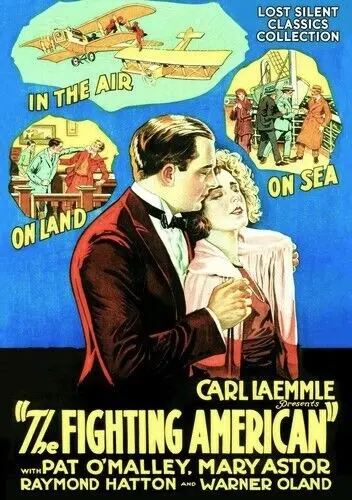
A definitive 5.5/10 rating for a film that redefined the boundaries of cult cinema. The Fighting American remains a cornerstone of transgressive art.
In the pantheon of early 20th-century cinema, certain films stand out for their deft blend of action, romance, and social commentary. The Fighting American (1932), directed by various credited individuals, including Raymond L. Schrock, Harvey Gates, and William Elwell Oliver, is one such movie. This film tells the story of Bill Pendleton, portrayed by Jack Byron, a charismatic college student adept at both flying and football.
Bill's life takes an unexpected turn when he accepts a wager from his fraternity pals that he will propose to any girl in the college they choose. This reckless decision sets off a chain of events that propels Bill and his love interest, Mary O'Mallory (Mary Astor), into a whirlwind romance complicated by deceit, redemption, and ultimately, heroism. The film boasts a talented cast, including Bob Reeves, Clarence Geldert, Soo Hoo Sun, Emmett King, Jane Starr, James Wang, Ed Brady, Taylor Carroll, Frank Kingsley, Warner Oland, Alfred Fisher, Pat O'Malley, and Raymond Hatton.
The narrative navigates through themes of love, betrayal, and personal growth against the backdrop of international intrigue, as Bill and Mary find themselves in China, where Mary's missionary father is stationed. The film's depiction of China and its people is a fascinating aspect, reflecting both the era's fascination with exotic locales and the real-life presence of Western missionaries in Asia during the early 20th century.
Upon closer inspection, The Fighting American reveals itself to be more than just a simple romance or action film. It is a nuanced exploration of character, morality, and the complexities of human relationships. Bill's transformation from a carefree college student to a man capable of deep love and courageous action is at the heart of the story. His journey, coupled with Mary's own path of self-discovery and resilience, offers a compelling portrayal of two individuals navigating the challenges of their relationship and the broader world around them.
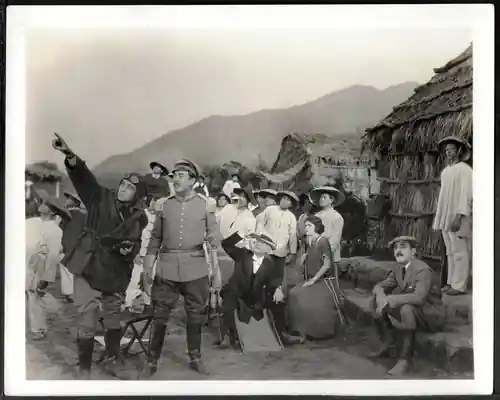
In terms of cinematic craftsmanship, The Fighting American demonstrates a keen sense of pacing, moving smoothly between lighthearted moments of romance and humor to intense scenes of action and suspense. The film's use of location shooting in China adds a layer of authenticity to its settings, while the cinematography effectively captures the drama and excitement of the film's pivotal sequences.
When considering The Fighting American within the context of its era, it becomes clear that the film occupies a unique niche. Released in 1932, it reflects the tastes and sensibilities of audiences during the early years of sound cinema. Compared to other films of the period, such as Love and Doughnuts and The Life of Reilly, The Fighting American stands out for its blend of action and romance, as well as its international setting.
Furthermore, the film's exploration of themes such as redemption and personal growth aligns it with works like Het geheim van het slot arco and The Butterfly Man, which also delve into the complexities of human character and relationships. However, The Fighting American distinguishes itself through its unique blend of genres and its focus on the transformative journey of its protagonist.
In conclusion, The Fighting American is a captivating film that offers a rich viewing experience. Its engaging narrative, combined with its historical context and cinematic qualities, make it a significant work in the history of cinema. For fans of classic films, particularly those interested in the evolution of action-romance movies, this film is certainly worth watching. With its blend of adventure, romance, and personal growth, The Fighting American remains a memorable and impactful cinematic achievement.
The film's availability for viewing would be a boon for film enthusiasts and historians alike, offering a glimpse into the early days of sound cinema and the thematic concerns of the era. As such, The Fighting American stands as a testament to the enduring power of cinema to captivate, educate, and inspire audiences.
IMDb 5.5
1928
Community
Log in to comment.