DbcultAccessing Vault...
6.2/10
Senior Film Conservator
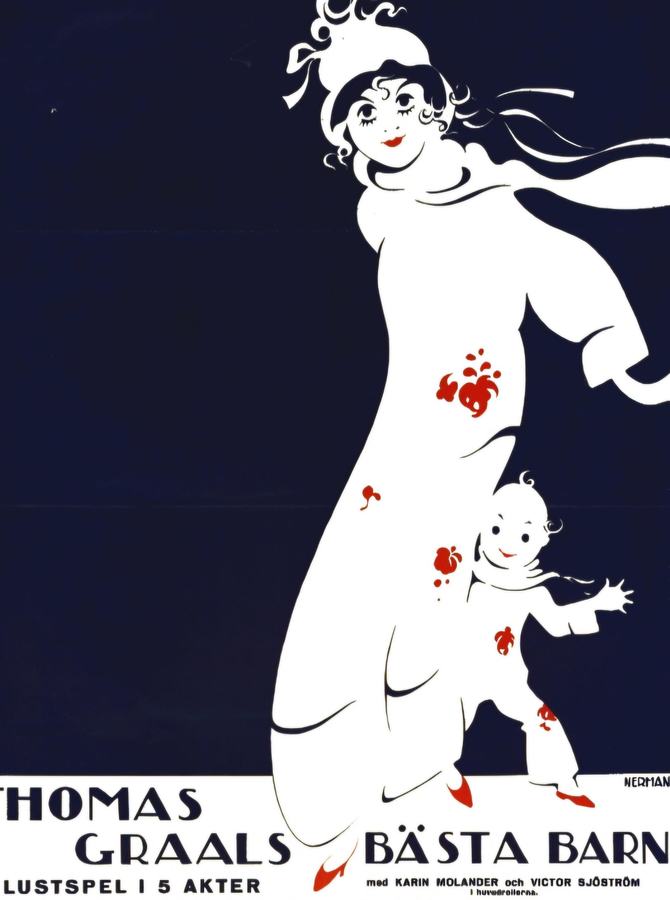
A definitive 6.2/10 rating for a film that redefined the boundaries of cult cinema. Thomas Graals bästa barn remains a cornerstone of transgressive art.
Stepping back into the cinematic landscape of 1918, we encounter a gem of Swedish silent film, 'Thomas Graals bästa barn' (Thomas Graal's Best Child). This delightful sequel to the previous year’s Wanted – A Film Actress, directed by the visionary Mauritz Stiller and penned by Stiller and Gustaf Molander, invites us into the unfolding domestic drama of Thomas and Bessie. Far from a mere continuation, this film carves its own niche, offering a nuanced, often uproarious, exploration of what happens after the 'happily ever after' is supposedly secured. It's a testament to the era's sophisticated storytelling, proving that even without spoken dialogue, the human condition—especially in its most intimate and amusing forms—could be portrayed with profound depth and universal appeal.
The narrative arc of Thomas Graals bästa barn eschews grand, sweeping gestures for the intricate tapestry of everyday life, a choice that imbues the film with an unexpected realism for its time. We are first invited into the chaotic, yet joyous, preparations for Thomas and Bessie’s wedding. These scenes are a masterclass in comedic timing, relying heavily on physical humor and the expressive faces of its talented ensemble. The anxieties, the misplaced items, the well-meaning but often clumsy relatives—all contribute to a vibrant, authentic portrayal of pre-nuptial jitters that transcends the silent film medium. It’s a gentle reminder that some universal experiences, like the stressful excitement of a wedding, remain unchanged across generations and technological advancements in cinema.
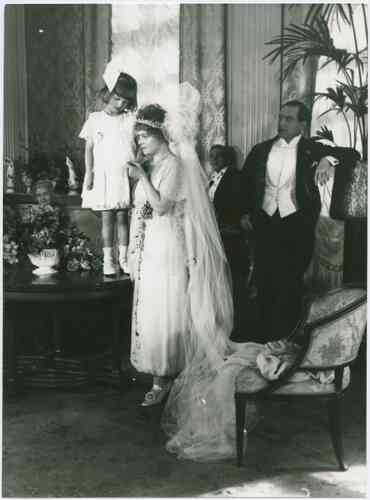
Once the vows are exchanged, the film truly settles into its rhythm, shifting focus to the daily married life of the protagonists. This is where Stiller's direction, coupled with Molander's perceptive writing, truly shines. We witness the small triumphs and tribulations, the tender moments of shared laughter, and the inevitable, often humorous, misunderstandings that characterize any close relationship. The film doesn't shy away from depicting the minor irritations that can surface, but always with an underlying current of affection and ultimate reconciliation. It's this balanced view of marriage, recognizing both its idyllic potential and its practical challenges, that makes Thomas Graals bästa barn resonate even today.
The success of any silent film hinges significantly on the caliber of its performers, and Thomas Graals bästa barn is blessed with an exceptional cast. Victor Sjöström, a titan of Swedish cinema both as an actor and director (though here primarily acting), brings a nuanced portrayal to Thomas, imbuing him with a blend of earnestness, occasional exasperation, and undeniable charm. His expressive face conveys volumes, allowing the audience to intimately connect with his character’s emotional journey. Opposite him, Karin Molander, as Bessie, is equally captivating. She portrays a woman of spirit and warmth, capable of both delightful mischief and deep affection. Their chemistry is palpable, forming the emotional core around which the comedic and dramatic elements revolve.
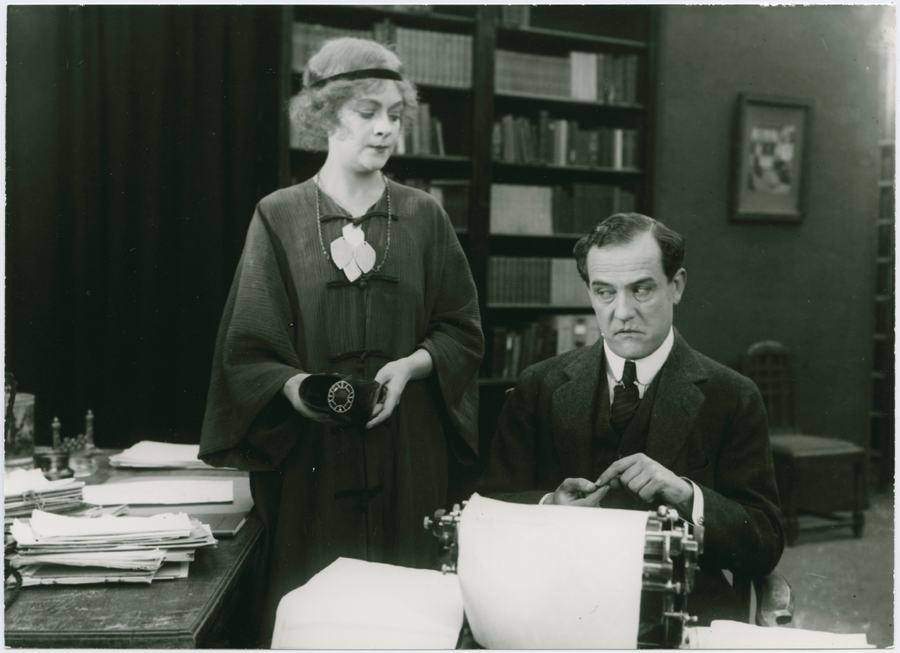
The supporting cast, including Wictor Hagman, Gucken Cederborg, and Gösta Gustafson, among many others, contribute significantly to the film’s rich tapestry. Each actor, from Jenny Tschernichin-Larsson to Walerie Alexandrow-Höök, meticulously crafts their role, often through exaggerated yet believable gestures and facial expressions, typical of the silent era but executed here with particular finesse. Their collective efforts create a believable world, populated by distinct personalities that feel genuinely engaged in the unfolding domestic saga. One might draw parallels to the ensemble work seen in other period pieces, though few achieve the same seamless integration of character into plot without relying on verbose intertitles.
Mauritz Stiller's direction is the invisible hand guiding this comedic ballet. His understanding of visual storytelling, crucial for silent cinema, is impeccable. Stiller utilizes framing, mise-en-scène, and character blocking to convey humor, tension, and affection without the need for excessive intertitles. The pacing is deliberate, allowing moments to breathe and comedic situations to build naturally. He demonstrates a keen eye for detail, ensuring that every gesture, every prop, contributes to the narrative or character development. This meticulous approach to filmmaking is reminiscent of the precision found in early European cinema, setting a high bar for comedic realism.
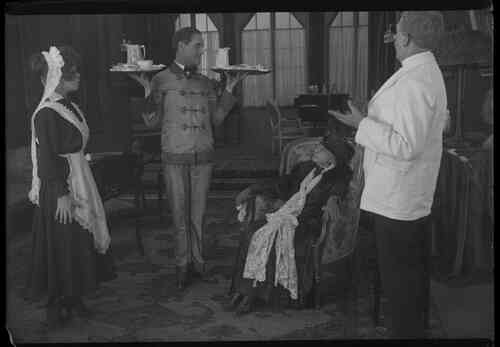
Stiller’s work here showcases a maturity that was perhaps not as fully developed in some of his contemporaries. While films like The Haunted House (if it were a comedy) might rely on broader, more slapstick humor, Stiller’s approach in Thomas Graals bästa barn is more refined, leaning into situational comedy and character-driven gags. This subtlety elevates the film beyond mere entertainment, positioning it as an astute observation of human nature. The collaborative writing with Gustaf Molander undoubtedly contributed to this sophisticated script, ensuring that the comedic elements felt organic and derived from genuine character interactions rather than forced contrivances.
At its core, Thomas Graals bästa barn is a tender exploration of love in its post-honeymoon phase. It delves into the delicate dance of compromise, the art of cohabitation, and the journey of two individuals learning to navigate life as a cohesive unit. The film subtly touches upon the evolving gender roles of the era, portraying Bessie not as a demure, passive wife, but as a spirited partner with her own opinions and a playful defiance. This progressive portrayal of a female character, even within the confines of a domestic comedy, is noteworthy for its time.
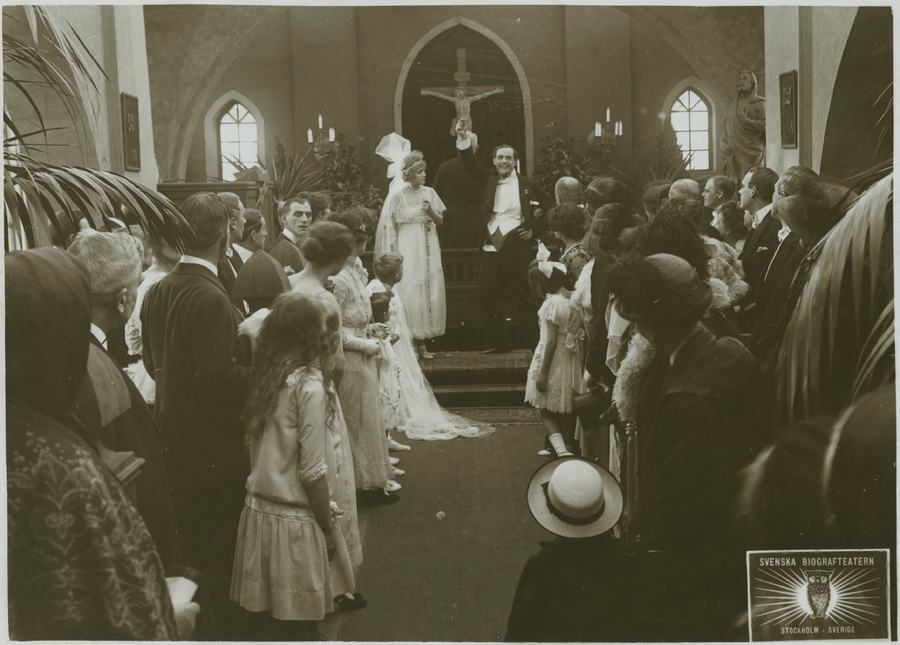
The domestic setting provides a fertile ground for both humor and poignant moments. We see Thomas and Bessie grappling with household chores, managing finances, and even dealing with the occasional intrusion of well-meaning but meddling family members. These universal experiences resonate deeply, making the film remarkably accessible despite its age. It’s a testament to the idea that the specifics of technology or societal norms may change, but the fundamental dynamics of human relationships, particularly within marriage, remain remarkably consistent. This focus on realistic, relatable human interaction sets it apart from more sensationalist narratives of the time, such as perhaps The Pursuing Shadow which likely focused on external threats rather than internal domestic ones.
Swedish cinema during the silent era was a powerhouse of artistic innovation, producing films that garnered international acclaim. Thomas Graals bästa barn stands as a shining example of this period’s strength, particularly in its ability to blend sophisticated comedy with genuine emotional depth. Directors like Stiller and Sjöström (who, as previously noted, also stars here), along with writers like Molander, were instrumental in crafting a distinctive Swedish cinematic identity, often characterized by its naturalistic settings, strong visual storytelling, and nuanced character studies. This film, with its focus on the intimate details of life, contrasts with the grander, often more dramatic narratives found in other European cinemas of the time, or even the adventure serials like Perils of Our Girl Reporters.

The technical aspects of the film are also noteworthy. The cinematography, while perhaps not as overtly experimental as some later silent features, is clean and effective, clearly conveying the narrative and enhancing the comedic elements. The use of intertitles is judicious, providing necessary dialogue or exposition without overwhelming the visual flow. This balance between visual and textual information is a hallmark of well-crafted silent films, ensuring that the audience remains immersed in the story rather than being distracted by excessive text.
While Thomas Graals bästa barn possesses a unique charm, it's illuminating to consider it within the broader context of films from its era. Many films of the late 1910s were grappling with similar themes of romance, societal expectations, and the burgeoning modern world. For instance, while Real Folks (if it shares themes of domestic life) might present a more dramatic or straightforward depiction of family dynamics, Stiller's film injects a distinct comedic sensibility. The lighthearted approach to marital squabbles and reconciliations offers a refreshing contrast to potentially heavier dramas.
Similarly, films like Betty in Search of a Thrill, while perhaps focusing on a more adventurous or individualistic quest for happiness, would likely lack the grounded, relatable intimacy found in Thomas and Bessie's story. The strength of Thomas Graals bästa barn lies precisely in its ability to find profound humor and truth in the mundane, elevating everyday occurrences to cinematic art. It doesn't rely on grand exploits or dramatic twists, but rather on the subtle nuances of human interaction, a characteristic that perhaps aligns it more with the observational qualities of a film like Our Mutual Girl, depending on its narrative focus.
Even when considering films that might seem ostensibly different, such as a historical drama like The Loyal Rebel or a more intense narrative like Eye for Eye, the contrast highlights Thomas Graals bästa barn's unique contribution: its unwavering commitment to portraying the joys and absurdities of ordinary life with an extraordinary touch. It asserts that there is as much drama and comedy to be found in a newlywed couple's shared breakfast as there is in grand historical conflicts. This makes the film a valuable piece in understanding the diverse output of early 20th-century cinema.
The enduring appeal of Thomas Graals bästa barn lies in its timeless themes and its masterfully executed comedy. It’s a film that speaks to the universal experience of embarking on a life with another person, with all its inherent challenges and immeasurable rewards. The performances by Victor Sjöström and Karin Molander remain captivating, their chemistry a guiding light through the film’s narrative. Mauritz Stiller's direction ensures that every scene is purposeful, every comedic beat lands perfectly, and every emotional nuance is clearly conveyed.
For those interested in the history of cinema, particularly Swedish silent films, Thomas Graals bästa barn is an essential viewing. It provides not only a window into the artistic achievements of its era but also a heartwarming and genuinely funny story that transcends time. It’s a film that proves that true artistry can be found in the simplest of premises, elevated by exceptional talent both in front of and behind the camera. It’s a delightful reminder that the best stories are often those that reflect our own lives back at us, with a touch of wit and a generous dose of affection.
In an age where cinematic narratives often lean towards the spectacular, rediscovering a film like Thomas Graals bästa barn is a refreshing experience. It’s a testament to the power of human connection, the resilience of love, and the enduring charm of a well-told story. This film, with its gentle humor and profound insights, remains a true 'best child' of Swedish cinema, offering laughter and warmth to audiences across generations. It’s a delightful journey into the intricacies of the heart, proving that even a century later, the silent screen can speak volumes about the timeless dance of love and marriage.
IMDb 6.4
1930
Community
Log in to comment.