DbcultAccessing Vault...
Cult Review
Senior Film Conservator
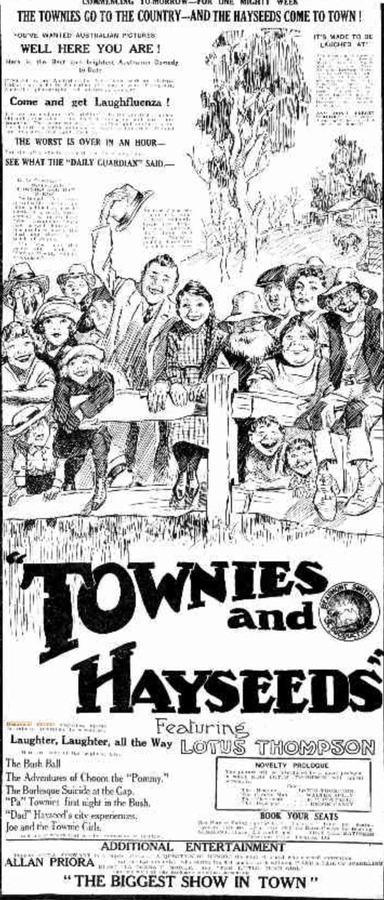
From the opening frame, the camera lingers on the ochre‑tinted hills that cradle the Hayseed farm, a visual hymn to an era when humanity’s pulse matched the earth’s tempo. The aerial sweep, rendered in a muted palette, immediately sets up a visual dichotomy: the sprawling, untamed landscape versus the compact, glass‑encased world the Townies have left behind. This contrast is not merely aesthetic; it functions as a narrative fulcrum that propels the ensuing cultural skirmish.
J.P. O'Neill inhabits his role with a measured swagger, his crisp suit a stark foil to the dust‑caked overalls of the farmhands. O'Neill’s delivery oscillates between biting sarcasm and genuine bewilderment, a duality that feels remarkably human. Pinky Weatherley, meanwhile, exudes a magnetic earthiness; her laughter, captured in a close‑up that frames the creases of her weather‑worn face, becomes a sonic emblem of the Hayseed spirit. When she teaches the Townies to churn butter, her hands move with a practiced grace that transcends mere instruction, turning a simple domestic chore into a ritual of communion.
Ada StClare’s portrayal of the niece is a study in internal conflict. Her eyes flicker between admiration for the pastoral simplicity and an unmistakable anxiety about being stranded far from the conveniences of city life. This tension is palpable during the scene where she attempts to navigate a rudimentary irrigation system; her clumsy gestures are underscored by a soft, almost imperceptible sigh that conveys a yearning for both worlds.
Lotus Thompson, as the lanky farmhand, brings a kinetic energy that borders on slapstick, yet his comedic timing never eclipses the sincerity of his character. In the sequence where he leads the Townies on a midnight trek to fetch a stray goat, his exaggerated gestures are balanced by a subtle undercurrent of melancholy, hinting at a life spent in the margins of progress.
Smith’s screenplay is a deft blend of wit and wistfulness. The dialogue crackles with irony—consider the recurring motif of the Townies attempting to “modernize” the farm by installing a solar panel, only to be thwarted by a sudden storm that renders the panel useless. This comedic set‑piece doubles as an allegory for the futility of imposing technology without understanding context.
The narrative structure is episodic, each vignette building upon the last to reveal deeper layers of character and theme. The barn dance, for instance, is not merely a festive interlude; it serves as a crucible where class distinctions dissolve, allowing the Townies to shed their pretensions and engage in a communal rhythm that transcends socioeconomic boundaries.
The film’s visual language is anchored by a palette of earthy browns, sun‑kissed golds, and occasional splashes of sky‑blue. The cinematographer employs natural lighting to accentuate the textures of the farm—cracked wooden beams, weathered stone walls, and the rustle of wheat fields. In the climactic storm sequence, the use of high‑contrast shadows juxtaposed with the relentless rain creates a visceral sense of chaos that mirrors the internal upheaval of the characters.
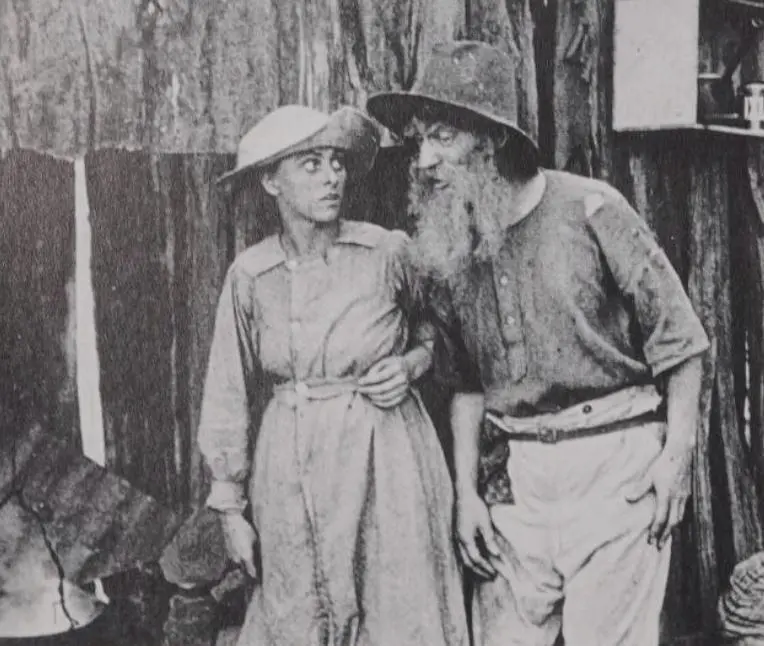
A noteworthy comparison can be drawn to The Buzzard's Shadow, where the director similarly utilizes the environment as a character in its own right. However, Townies and Hayseeds opts for a softer, more lyrical approach, allowing the landscape to act as a silent mediator rather than an antagonistic force.
At its core, the film interrogates the notion of belonging. The Townies, initially arriving with a suitcase full of expectations, gradually confront the dissonance between their self‑constructed identities and the raw authenticity of the Hayseed existence. The narrative suggests that identity is not a static construct but a fluid tapestry woven through interaction.
Nostalgia operates as both a narrative engine and a thematic undercurrent. The Hayseeds embody a romanticized past, yet the film does not shy away from exposing the hardships embedded within that past—limited access to healthcare, isolation, and the relentless toil required to sustain a livelihood. This balanced portrayal avoids the trap of sentimentalism, instead offering a nuanced meditation on the price of simplicity.
When juxtaposed with the visual grandeur of Avatar, Townies and Hayseeds trades spectacle for intimacy, focusing on micro‑interactions rather than epic world‑building. Its thematic resonance aligns more closely with Dangerous Paths, where characters navigate treacherous emotional terrains as much as physical ones.
The film’s comedic timing also bears a faint echo of the slapstick sensibilities found in The Missing Links, though Townies and Hayseeds tempers its humor with a more contemplative cadence, ensuring that laughter never eclipses the underlying pathos.
The director’s choice to linger on quotidian moments—such as the Townies attempting to milk a cow for the first time—imbues the film with a measured pacing that respects the audience’s need to absorb each cultural nuance. This deliberate tempo is reminiscent of the pacing in The Life and Works of Verdi, where scenes unfold like movements in a symphony, each contributing to a larger thematic crescendo.
However, the film avoids monotony by interspersing moments of heightened drama—a sudden barn fire, a heated argument over land ownership—ensuring that the rhythm remains dynamic. The director’s deft handling of these spikes prevents the narrative from slipping into predictability.
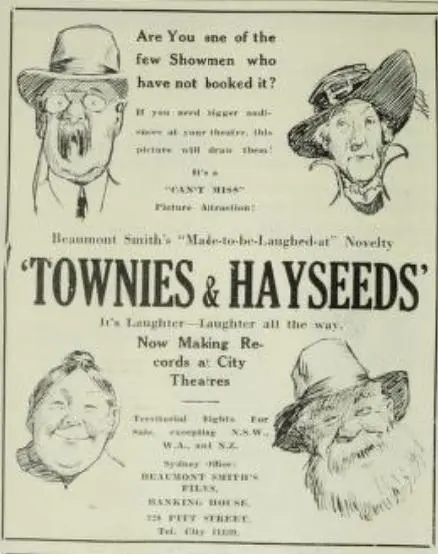
The auditory landscape is a tapestry of ambient farm sounds—creaking hinges, distant animal calls, the rustle of wind through wheat—that serve as a constant reminder of the setting’s omnipresence. The score, composed with a blend of acoustic guitar and subtle fiddle motifs, mirrors the film’s thematic duality: the folk elements echo the Hayseed world, while the occasional synth undertone hints at the Townies’ modern sensibilities.
A standout auditory moment occurs during the sunrise after the storm, where the score swells with a choir-like hum that feels both hopeful and introspective, reinforcing the visual tableau of a sky painted in sea blue (#0E7490) and the lingering amber of dawn.
Every prop, from the hand‑stitched quilts draped over the hayloft to the rusted tractor that sputters to life, is meticulously curated to evoke a lived‑in authenticity. The design team consulted local historians to ensure that the farmhouse’s architecture reflected genuine 19th‑century rural construction, lending the film an air of verisimilitude that deepens audience immersion.
The juxtaposition of the Townies’ polished luggage—gleaming leather, monogrammed tags—against the rough-hewn wooden benches underscores the cultural chasm at the heart of the story. This visual contrast is further accentuated by the strategic use of color: the Townies’ attire often incorporates muted greys and navy, while the Hayseed wardrobe embraces earthy tones, reinforcing their respective affiliations.
The film culminates in a storm‑riven night that forces both camps to confront the fragility of their preconceived notions. As rain pelts the thatched roof and lightning illuminates the silhouettes of the characters huddled together, a palpable tension gives way to a collective sigh of relief when dawn breaks. The sunrise, rendered in a gradient that melds the dark orange of the horizon with the sea blue of the sky, becomes a visual metaphor for the tentative synthesis of urban and rural identities.
The final tableau—Townies and Hayseeds sharing a modest breakfast of fresh eggs and homemade jam—does not promise a permanent merger of worlds, but rather suggests an ongoing dialogue. The lingering shot of the farmhouse, now bathed in warm light, invites the audience to contemplate the possibility that coexistence, however fragile, is attainable.
Townies and Hayseeds stands as a compelling examination of the interplay between modernity and tradition. Its strengths lie in a script that balances satire with sincerity, performances that breathe life into archetypes, and a visual aesthetic that honors the land it portrays. While the pacing may test the patience of viewers accustomed to rapid-fire editing, the film rewards those who appreciate measured storytelling and thematic depth.
For cinephiles seeking a narrative that navigates the complexities of identity without resorting to caricature, this film offers a richly textured experience. Its relevance extends beyond entertainment, prompting reflection on how we negotiate our own cultural inheritances in an increasingly homogenized world.

IMDb 7.5
1919
Community
Log in to comment.