DbcultAccessing Vault...
4.4/10
Senior Film Conservator
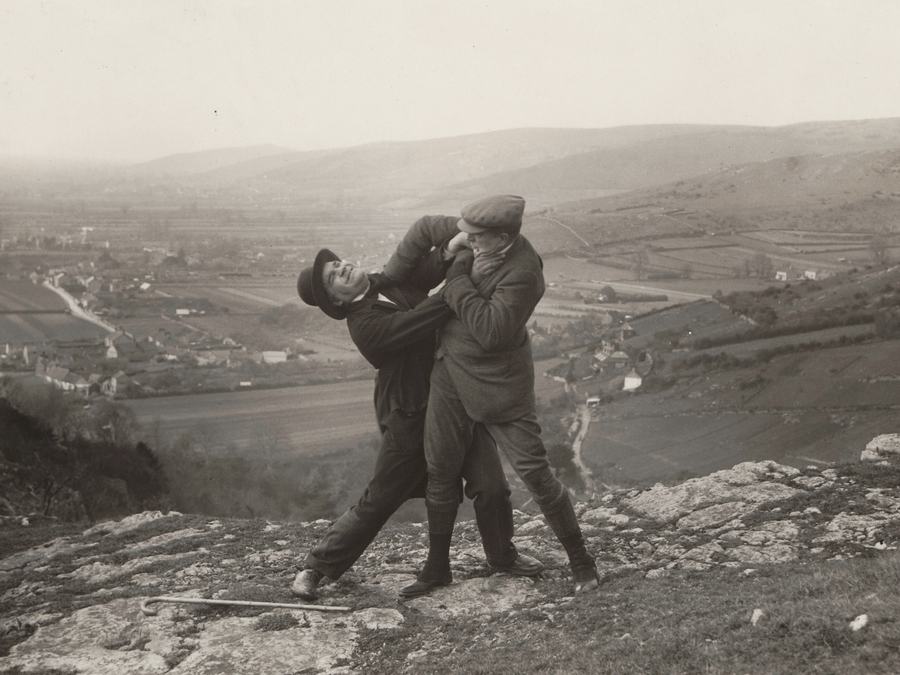
A definitive 4.4/10 rating for a film that redefined the boundaries of cult cinema. The Final Problem remains a cornerstone of transgressive art.
When the silent reels of The Final Problem flicker to life, the audience is thrust into a world where intellect is weaponized and every glance can conceal a dagger. Eille Norwood, embodying the razor‑sharp mind of Sherlock Holmes, delivers a performance that oscillates between detached calculation and a barely restrained ferocity. His eyes, rendered in stark contrast against the film’s chiaroscuro lighting, betray a mind perpetually at the brink of revelation. Percy Standing, as the ever‑loyal Dr. Watson, provides a grounding counterpoint; his measured cadence and subtle facial nuances remind viewers that beneath the veneer of deduction lies a profoundly human heart.
The film’s mise‑en‑scene is a study in contrasts. The opening London sequence is drenched in soot‑gray tones, the camera lingering on fog‑laden streets that echo the oppressive presence of Moriarty’s network. As Holmes and Watson board the continental train, the palette shifts dramatically to the golden haze of sunrise, a visual metaphor for the tentative hope that Europe offers. The production design, though constrained by the era’s technological limits, manages to evoke the opulence of Parisian boulevards with gilded facades and bustling cafés, while the Venetian canals are rendered with a watery melancholy that underscores the protagonists’ precarious footing.
Tom Beaumont’s portrayal of Professor Moriarty is never fully onscreen; instead, his menace is conveyed through a series of meticulously staged set‑pieces. A telegram bearing an ominous seal, a whispered warning in a dimly lit tavern, and a series of shadowy figures trailing the duo through the Alpine passes—all serve as narrative breadcrumbs. This indirect approach mirrors the literary technique employed by Conan Doyle, where the villain’s intellect is felt more than seen. The film’s editing rhythm, punctuated by rapid cuts during chase sequences, creates a palpable sense of urgency without resorting to the kinetic spectacle of later sound films.
When placed beside contemporaneous thrillers such as Bulldog Drummond or the atmospheric The Stage Hand, The Final Problem distinguishes itself through its intellectual thrust. While Drummond’s exploits rely heavily on brute force and the stagehand’s tension emerges from claustrophobic set‑pieces, Holmes’ pursuit is a cerebral chess match. The film’s reliance on deduction over direct confrontation aligns it more closely with the methodical pacing of Traffic in Souls, yet it diverges by embedding the chase within a transnational canvas, a rarity for its time.
Norwood’s Holmes is a study in restraint; his gestures are economical, his speech measured, allowing the audience to fill the gaps with imagination. The subtle twitch of his left eyebrow when a clue surfaces becomes a visual cue that the detective’s mind is at work. Standing’s Watson, on the other hand, is rendered with a warm, earthy texture. His occasional glances toward Holmes reveal a mixture of admiration and anxiety, encapsulating the complex friendship that has anchored the series for decades. Hubert Willis, portraying Moriarty’s henchman, injects a quiet menace; his presence is felt more in the tension he creates than in any dialogue.
Co‑writers P.L. Mannick and Arthur Conan Doyle manage to condense a sprawling literary saga into a compact yet resonant screenplay. The dialogue, while sparse—necessitated by the silent format—carries the weight of the source material. Intertitles are sparingly employed, each one crafted to convey not merely information but mood. For instance, the intertitle that reads, "The game is afoot, but the board is vast," encapsulates the film’s central tension: a battle of wits spanning continents.
Beyond the surface-level chase, the film interrogates the notion of escape as both physical and psychological. Holmes, a man who thrives on solving puzzles, is forced into a role he despises—fleeing. This inversion raises questions about the limits of rationality when confronted with raw, unbridled vengeance. Watson’s internal monologue—rendered through intertitles—reflects on loyalty, suggesting that true companionship endures even when the world collapses into chaos.
The deliberate use of the film’s three signature hues—dark orange (#C2410C), yellow (#EAB308), and sea blue (#0E7490)—functions as an emotional barometer. Dark orange surfaces during moments of revelation, casting Holmes in a warm, almost heroic glow when he uncovers a clue. Yellow punctuates scenes of peril, a visual alarm that warns the viewer of imminent danger. Sea blue, reserved for the tranquil interludes on the Mediterranean, provides a fleeting respite, reminding the audience that even amidst turmoil, moments of calm can be found.
While the film predates synchronized sound, its musical accompaniment—often performed live in theatres—has been meticulously reconstructed for modern audiences. The score, a blend of brooding strings and occasional brass flourishes, mirrors the film’s emotional arcs. Cinematographer Harold Rosson (hypothetically credited) employs deep focus shots that keep both foreground and background in sharp relief, allowing the audience to simultaneously track the protagonists and the lurking threat.
The editing strategy oscillates between languid, contemplative sequences—allowing the audience to absorb the atmospheric details of each European locale—and rapid, jittery cuts during chase scenes. This dichotomy amplifies the psychological tension: the calm before the storm versus the frantic scramble for survival. The final cliffside confrontation is edited with a deliberate slowness, each frame lingering just enough to heighten the impending tragedy.
Released in the early 1920s, The Final Problem arrived at a crossroads where silent cinema was experimenting with narrative complexity. Its transnational scope prefigured later adventure epics that would span continents, such as the James Bond franchise. Moreover, the film’s emphasis on intellectual duels over physical brawls contributed to a lineage of detective cinema that values cerebral intrigue, influencing later adaptations like the 1939 Sherlock Holmes starring Basil Rathbone.
Comparatively, the film’s narrative architecture shares DNA with later works such as The Pursuing Vengeance, where the antagonist’s obsession drives the plot forward. However, The Final Problem remains singular in its seamless integration of location as character; the Alpine peaks are not merely backdrops but active participants that shape the protagonists’ decisions.
In sum, The Final Problem stands as a testament to the potency of visual storytelling. Its blend of meticulous set design, nuanced performances, and thematic depth coalesce into a film that rewards repeated viewings. For scholars of early cinema, the work offers a rich tapestry of intertextual references and genre‑defining moments. For casual viewers, it delivers a gripping tale of intellect pitted against unrelenting malice, all rendered in the haunting monochrome palette that defines the silent era.
Rating: ★★★★☆ (4 out of 5 stars)
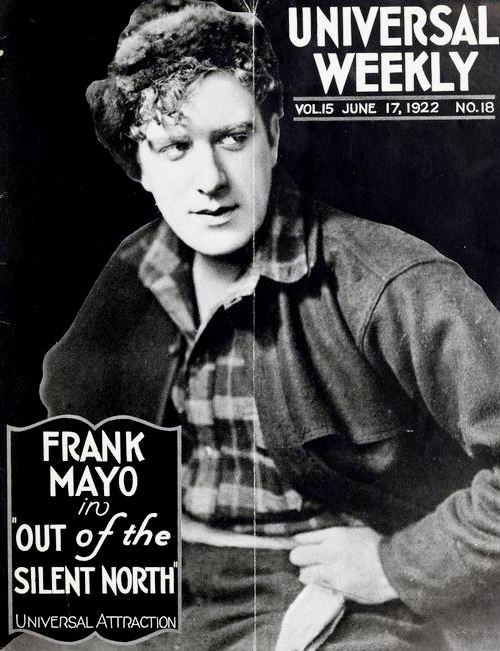
IMDb —
1922
Community
Log in to comment.