DbcultAccessing Vault...
Cult Review
Senior Film Conservator
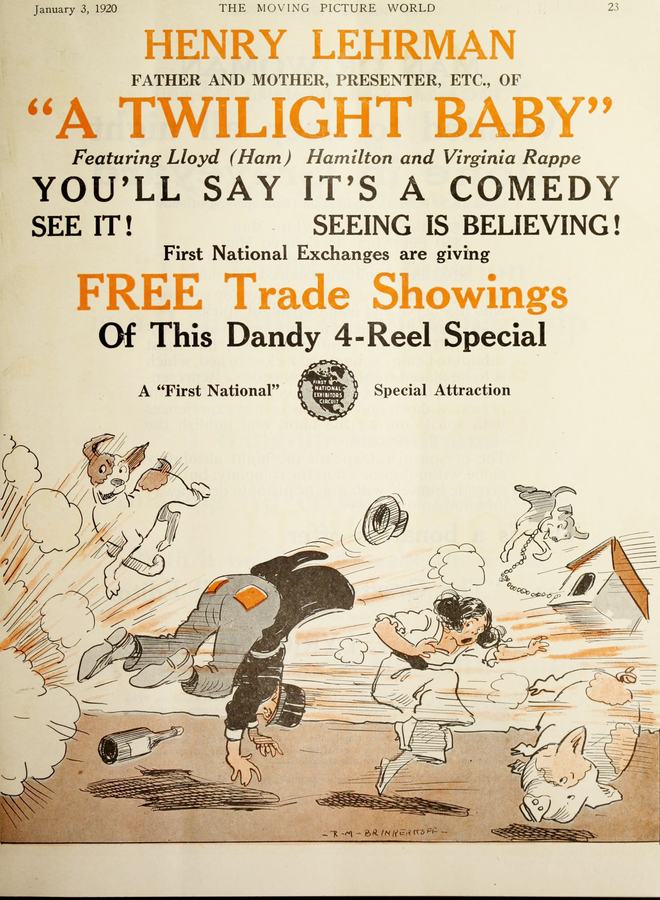
In the pantheon of silent cinema, few figures possess the idiosyncratic charm and kinetic precision of Lloyd Hamilton. His 1920 masterwork, A Twilight Baby, serves as a quintessential artifact of an era where narrative was merely a scaffolding for the architectural beauty of the gag. Unlike the high-octane velocity found in High Speed, Hamilton’s approach is one of deliberate, almost scholarly clumsiness—a ballet of the buffoon that remains staggeringly influential.
To understand A Twilight Baby, one must first dismantle the mechanics of Lloyd Hamilton himself. Dressed in his trademark oversized trousers and a checkered cap that seemed to possess a personality of its own, Hamilton portrayed a character often referred to as 'Ham.' He was the perennial outsider, a man whose very existence seemed to be an affront to the laws of physics. In this film, his interactions with the ensemble—including the stalwart Rube Miller and the nimble Harry McCoy—create a friction that generates both heat and hilarity.
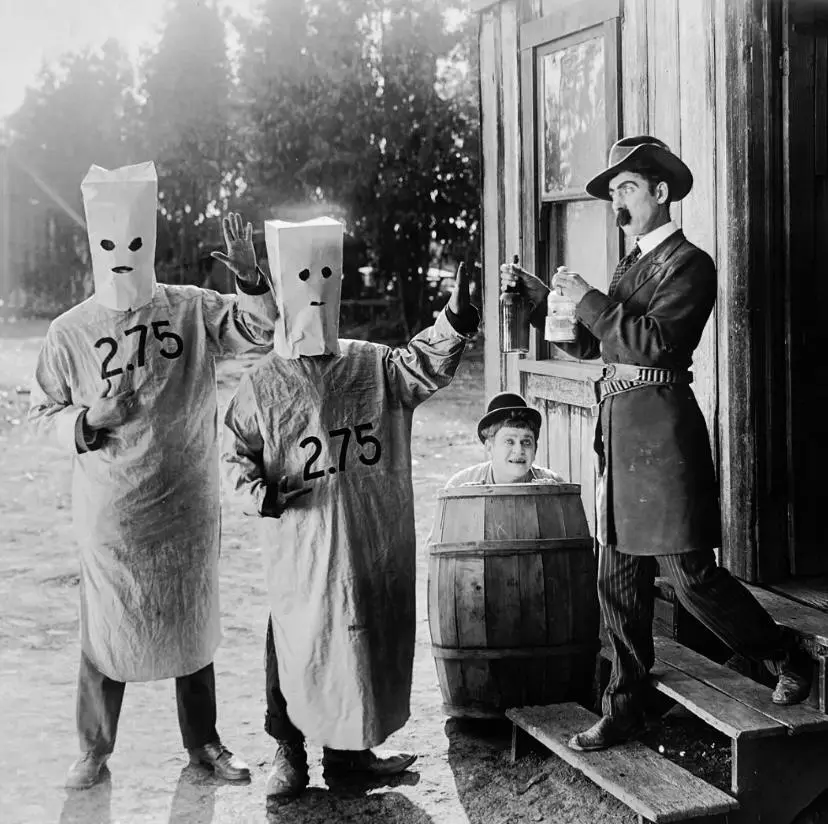
The brilliance of Hamilton lies in his 'shuffle'—that distinctive, side-to-side gait that suggested a man perpetually walking on a ship's deck during a gale. While films like Sins of the Parents dealt in the heavy currency of moral consequence, A Twilight Baby trades in the ephemeral currency of the moment. Every tilt of the head, every frantic adjustment of the necktie, is a micro-drama in itself. Hamilton’s face, a canvas of bewildered innocence, serves as the perfect anchor for the film’s more boisterous sequences.
One cannot discuss A Twilight Baby without acknowledging the presence of Virginia Rappe. Often overshadowed by the tragic headlines that would later define her legacy, Rappe’s performance here is a reminder of her genuine comedic timing and screen magnetism. She provides a necessary grounding to Hamilton’s eccentricity. Where Hamilton is the storm, Rappe is the lighthouse—a steady, radiant presence that allows the audience to navigate the absurdity of the plot.
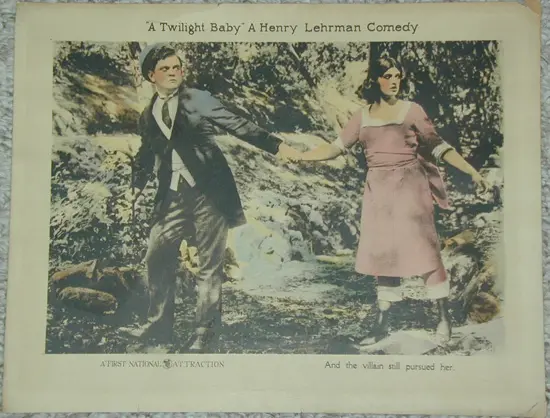
Their chemistry is not the grand, sweeping romance of Fedora, but rather a charmingly domestic sort of friction. Rappe’s ability to play the 'straight man' to Hamilton’s 'Ham' is undervalued; she reacts with a nuanced blend of exasperation and affection that elevates the film beyond mere slapstick. It is a bittersweet experience to watch her in this lighthearted context, knowing the darkness that would soon follow, yet her work here stands as a testament to a talent cut far too short.
The supporting cast reads like a 'who’s who' of the L-KO and Educational Pictures stock companies. Ernest Shields, Charles Dorety, and the legendary Billie Ritchie—often cited as a precursor to Chaplin—populate the fringes of the frame with a frantic energy. The film functions as a clockwork mechanism where every character is a gear. When Harry Todd or Charles Dudley enters a scene, the narrative tension tightens, forcing Hamilton into even more elaborate displays of physical desperation.
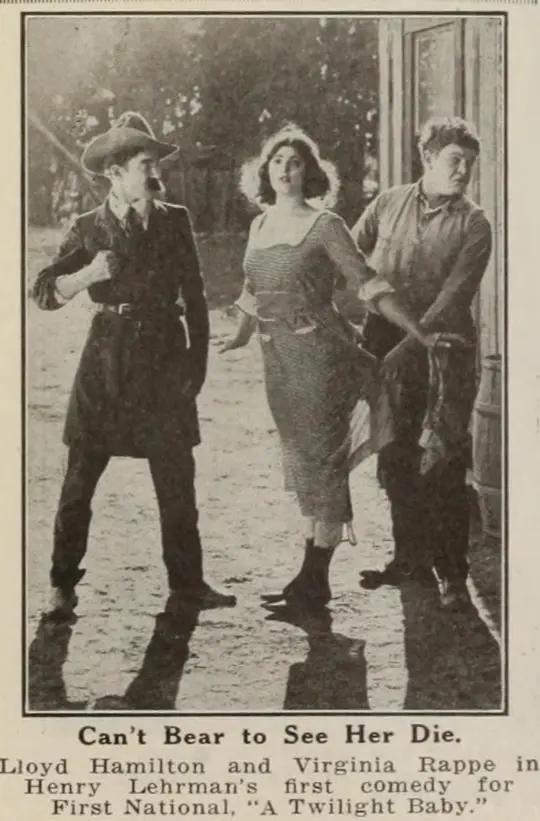
Consider the park sequence, a staple of the era. While The Swagman's Story might use such a setting for pastoral reflection, A Twilight Baby transforms the public square into a battlefield of etiquette. The way Hamilton navigates a simple bench or a chance encounter with a stranger is choreographed with the precision of a Swiss watch. There is a sequence involving a pram that rivals the tension of The Reckoning, though here the stakes are not life and death, but the preservation of one’s dignity—a far more relatable struggle for the common man of 1920.
When we look at the verticality of gags in Rosemary Climbs the Heights, we see a cinema exploring space. A Twilight Baby, however, is obsessed with the horizontal—the chase, the slide, the lateral movement of a man trying to escape his own shadow. It lacks the overt political espionage of The Spy, yet it contains a subtle subversion of social norms that is just as potent. Hamilton’s character is a wrecking ball in the china shop of middle-class respectability.
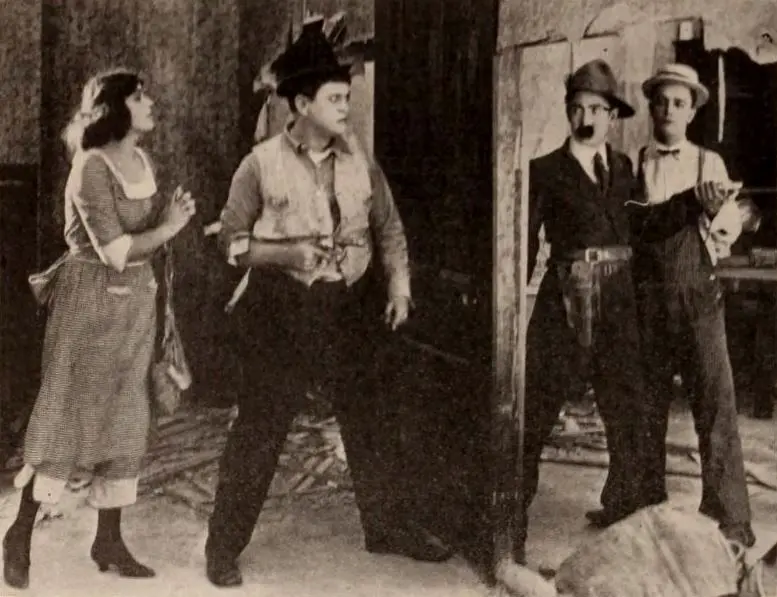
In terms of thematic weight, the film provides a fascinating contrast to The Payment or Scars of Love. While those films delve into the melodrama of the human heart, Hamilton delves into the melodrama of the human body. The 'scars' in a Hamilton short are literal—bruises earned from falls that would make a modern stuntman wince. There is a visceral honesty in this physicality that transcends the scripted word.
The cinematography of A Twilight Baby, though restricted by the technology of its time, exhibits a surprising amount of visual wit. The framing is often wide, allowing the full scope of the physical comedy to breathe—a technique that modern comedy, with its reliance on rapid-fire editing and close-ups, has largely forgotten. The depth of field is used to great effect, with gags occurring in the background while Hamilton maintains his oblivious front-and-center presence. This layering of humor is something we see perfected later in the decade, but its roots are firmly planted here.
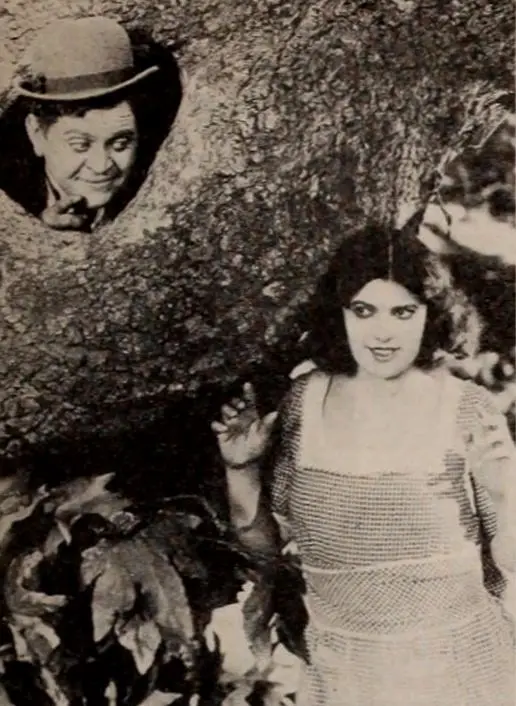
Unlike the serial-like pacing of Elmo, the Mighty, which relies on cliffhangers to maintain interest, A Twilight Baby relies on the internal rhythm of its scenes. It is a film of crescendos. A small mishap with a hat escalates into a full-scale riot, much like the domestic tensions in Bread escalate into tragedy, albeit through a much more humorous lens.
While 1920s American comedy was often seen as insular, there is a universal language in Hamilton’s work that resonates with international efforts like Kadra Sâfa or the existential weight of Livets Stormagter. Slapstick is the Esperanto of cinema. A man falling into a fountain is funny in any dialect, but Hamilton adds a layer of pathos that makes it art. He isn't just falling; he is failing with dignity.
The film also stands in stark opposition to the burgeoning epic scale of movies like Martyrs of the Alamo. While the latter sought to define a nation through historical conflict, A Twilight Baby seeks to define the individual through the lens of the everyday struggle. It is a smaller, more intimate form of storytelling that nevertheless captures the zeitgeist of a post-war world looking for a reason to laugh. It captures the 'desired woman' trope—as seen in The Desired Woman—and turns it on its head, making the pursuit of affection a series of hilarious hurdles rather than a romantic quest.
To watch A Twilight Baby today is to engage in a form of cinematic archaeology. We are looking through the layers of time at a form of entertainment that was meant to be ephemeral but has become, through the sheer force of its creativity, immortal. Lloyd Hamilton may not have the household name status of Keaton or Chaplin, but his influence is woven into the very fabric of screen comedy. His ability to find the 'twilight'—that magical space between reality and the surreal—is what makes this film a masterpiece.
The film concludes not with a tidy resolution, but with a lingering sense of the absurd. It leaves the viewer with a profound appreciation for the craft of the silent comedian—a performer who had nothing but their body and their face to communicate the complexities of the human condition. In the end, A Twilight Baby is more than just a comedy; it is a vibrant, living document of a time when the world was young, the screen was silver, and a man in oversized pants could be the most profound thing in the world.
IMDb 6.2
1934
Community
Log in to comment.