DbcultAccessing Vault...
6.3/10
Senior Film Conservator
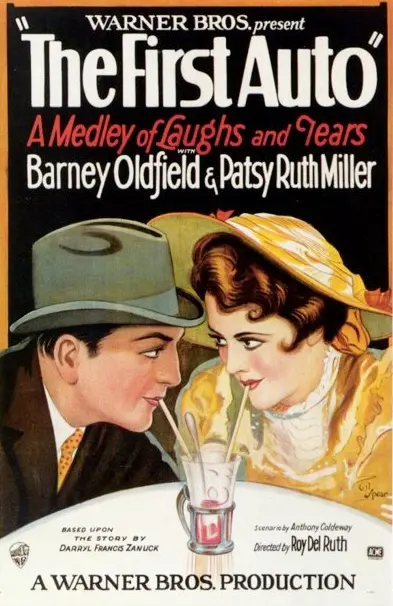
A definitive 6.3/10 rating for a film that redefined the boundaries of cult cinema. The First Auto remains a cornerstone of transgressive art.
Is The First Auto a relic worth unearthing for the modern cinephile? Short answer: yes, but only if you possess a genuine appetite for the structural bones of American melodrama and the flickering shadows of the silent era.
This film is specifically for those who find beauty in the history of industrial transition and the archetypal 'stubborn father' trope. It is decidedly not for viewers who require the frantic editing or psychological complexity of contemporary cinema.
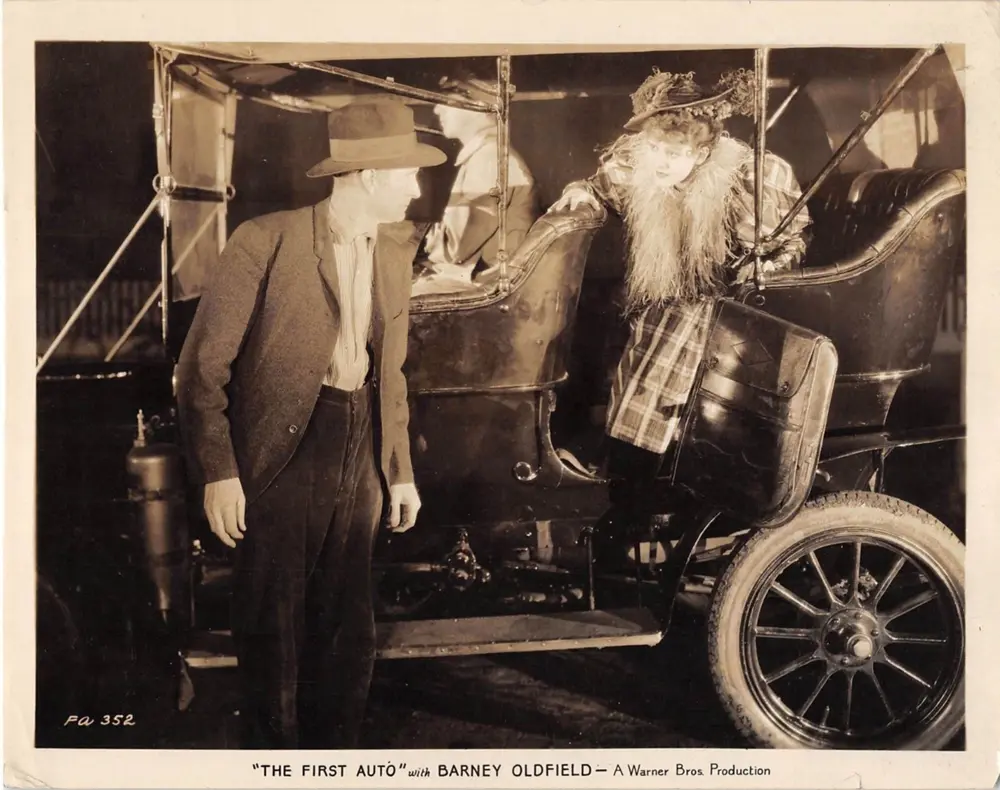
1) This film works because it treats the automobile as a disruptive, almost alien force rather than a modern convenience.
2) This film fails because the pacing in the second act becomes bogged down in repetitive domestic arguments that don't always move the needle.
3) You should watch it if you want to see the literal birth of American car culture captured on film during the very era it was being defined.
The First Auto is a fascinating specimen from 1927, a year that saw the release of giants like Underworld. While other films were exploring the urban rot of gangsters, this film looks backward to the rural soul of America. It captures a specific, painful moment in time: the exact second the horse became obsolete.
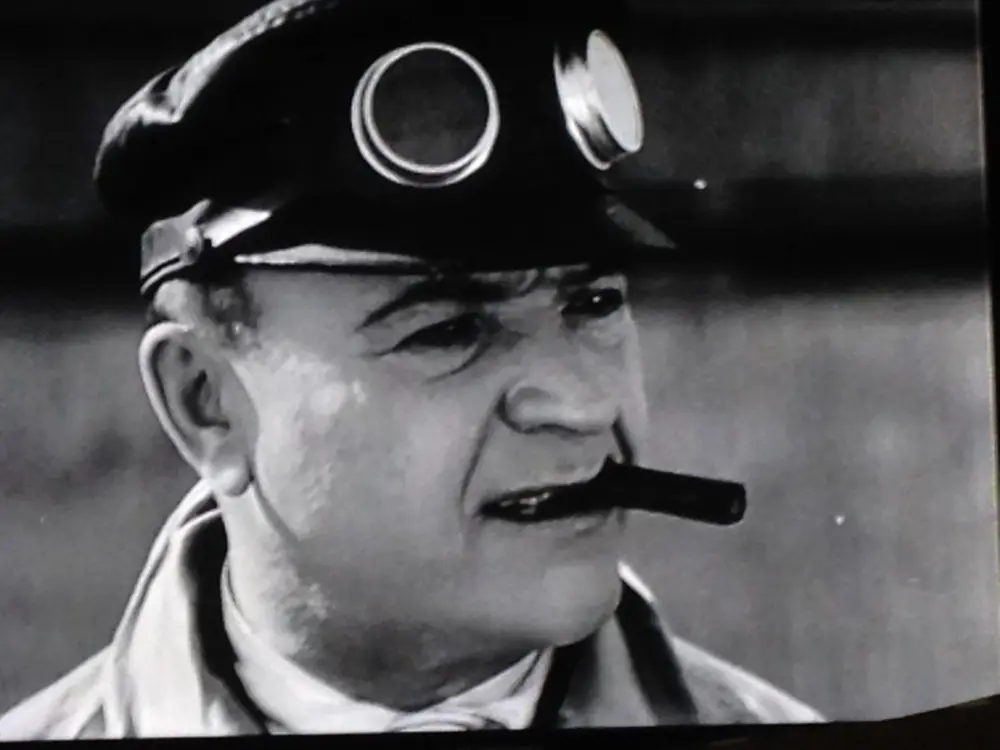
Russell Simpson delivers a performance as Hank Armstrong that is nothing short of granite. His face is a map of 19th-century stubbornness. When he looks at a car, he doesn't see progress; he sees a noisy, oily monster that threatens the dignity of the animal he loves. There is a specific scene where he brushes down his prize horse while a car sputters in the distance, and the look of pure, unadulterated contempt in his eyes is more effective than any dialogue could ever be.
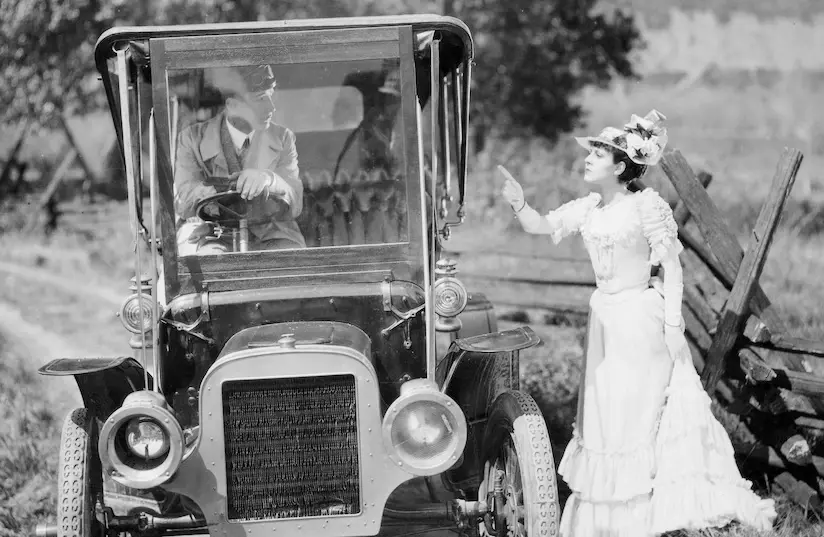
The film excels at making the car feel like an intruder. In the early scenes, the automobiles are shot from low angles, making them look like hulking, metallic beasts invading a peaceful, agrarian paradise. It’s a perspective we rarely see today, as we take the car for granted. Here, the 'first auto' is a character in its own right—and it’s a villain for most of the runtime.
The heart of the film is the relationship between Hank and his son, Bob, played with a wide-eyed enthusiasm by Charles Emmett Mack. Bob represents the youth of 1927—men who were tired of the literal and metaphorical manure of the farm and were looking toward the chrome and steel of Detroit. This isn't just a disagreement about a hobby; it’s a fundamental clash of worldviews.
When Bob leaves for the auto industry, the film takes on a darker, more somber tone. The stables grow quieter, and the father grows more isolated. The screenplay, co-written by a young Darryl F. Zanuck, understands the bitterness of a man who feels the world has moved on without him. It’s a theme Zanuck would revisit throughout his career, but here it feels raw and immediate.
Consider the moment when Bob returns home in a car he helped build. The silence of the film emphasizes the physical distance Hank keeps from the vehicle. He won't even touch the fender. It’s a powerful visual metaphor for a man refusing to touch the future. It works. But it’s flawed. The melodrama is occasionally laid on with a trowel, especially in the female supporting roles, which feel somewhat underdeveloped compared to the central male conflict.
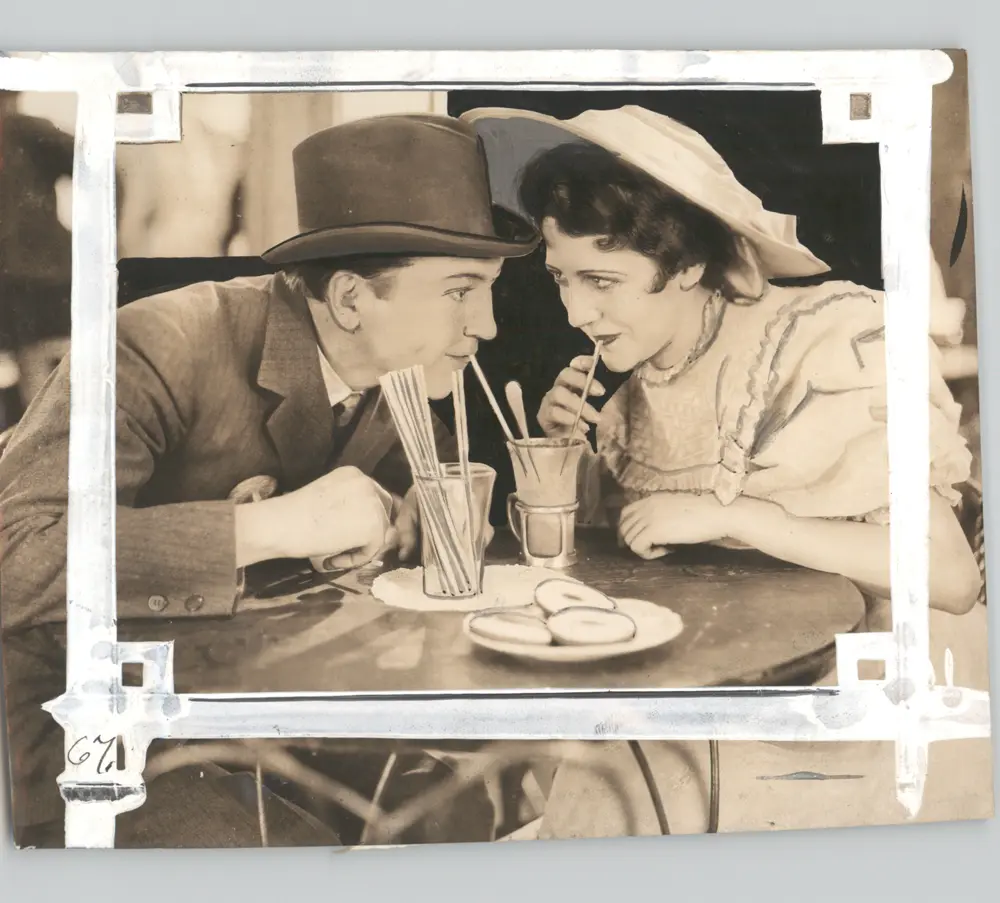
Visually, the film is a masterclass in location shooting for its time. The dusty roads feel real, and the contrast between the organic curves of the horses and the rigid, boxy lines of the early cars is expertly framed. The cinematography doesn't just record the action; it heightens the thematic tension. For instance, the race between the horse and the car is a highlight of 1920s action filmmaking.
In this sequence, the camera is mounted on a moving vehicle, providing a sense of speed that must have been exhilarating for 1927 audiences. Compared to the lavish production values of The Temptress, The First Auto feels more grounded and rugged. It’s a blue-collar film about blue-collar anxieties. The editing by the uncredited cutters keeps the race sequence tight, cutting between the straining muscles of the horse and the vibrating pistons of the engine.
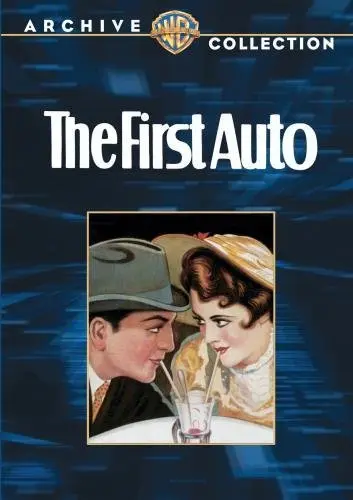
One surprising observation is how much the film respects the horse. Often in films about progress, the old ways are mocked. Here, the horse is shown as a noble, beautiful creature, which makes Hank’s eventual loss feel much more tragic. The film doesn't celebrate the death of the horse era; it mourns it, even as it acknowledges the car's inevitability. This nuance is rare for the period.
The First Auto is worth watching for anyone interested in the social history of the United States or the evolution of the silent drama. It provides a unique window into a world that was disappearing even as the cameras were rolling. While the acting style is occasionally exaggerated—as was the custom—the emotional core remains surprisingly relevant in our current age of rapid AI and technological upheaval.
If you are a fan of rural dramas like Tol'able David, you will find much to admire here. The First Auto shares that film's sense of place and its interest in the struggles of the common man. It is a slow burn, but the payoff is a poignant look at the cost of progress.
Pros:
Cons:
The First Auto is a rugged, deeply felt piece of silent cinema that manages to be more than just a historical curiosity. It is a film about the pain of change, a theme that never goes out of style. While it lacks the avant-garde flair of something like Kino-pravda no. 21, it makes up for it with heart and a clear, focused narrative. It’s a loud, clattering, beautiful mess of a movie that deserves to be remembered. It isn't perfect, but its flaws are as human as the characters it portrays. If you can handle the silence, the reward is a powerful glimpse into the engine that built the modern world.
IMDb —
1925
Community
Log in to comment.