DbcultAccessing Vault...
6.3/10
Senior Film Conservator
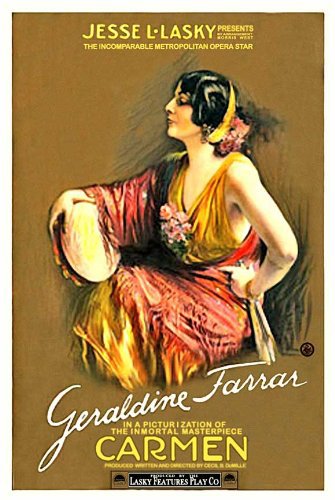
A definitive 6.3/10 rating for a film that redefined the boundaries of cult cinema. Carmen remains a cornerstone of transgressive art.
🔥 Smoldering Seville: A Fever Dream Etched in Nitrate
DeMille’s 1915 Carmen arrives like a match struck inside a powder keg—its very frame rate jittering with illicit desire. From the first iris-in on Geraldine Farrar’s untamed brows, the film dispenses polite exposition the way a flamenco dancer discards worn-out shoes: swiftly, audaciously. Seville’s arcaded streets are rendered in chiaroscuro so tactile you can taste the dust, while the director’s fondness for vertical compositions turns every cathedral spire into a silent judge of mortal appetites.
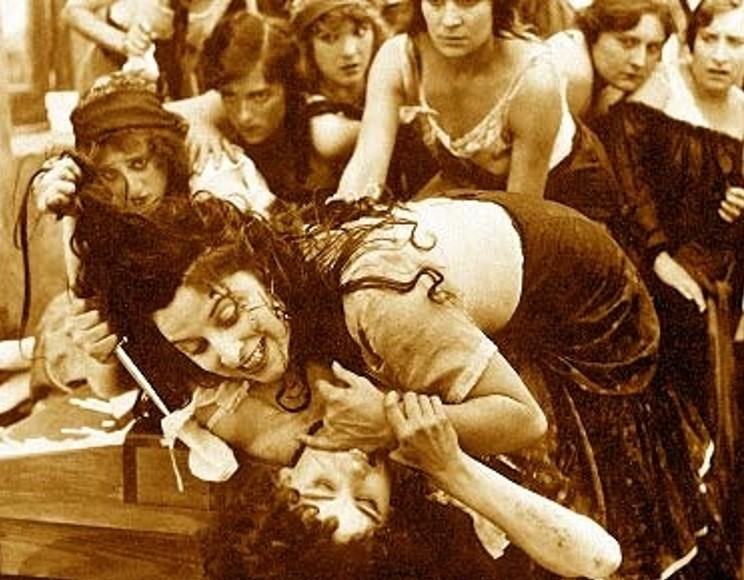
Where later melodramas might linger on backstory, this Carmen trusts Mérimée’s archetypes and accelerates into moral free-fall. The titular gypsy doesn’t merely seduce; she weaponizes empathy, convincing José that betraying the uniform is an act of authenticity. It’s a seduction not of flesh alone but of ideology—libertinage disguised as liberation.
Farrar, already a Metropolitan Opera diva, translates vocal magnetism into pure ocular music. Watch how she lowers her chin half an inch, the black lace mantilla framing eyes that glitter with proto-feminist defiance. The camera, star-struck, creeps closer, closer, until the edges of the frame seem to blush. When she tosses the rose at José’s polished boots, the gesture lands with the finality of a gavel—court adjourned, verdict rendered.
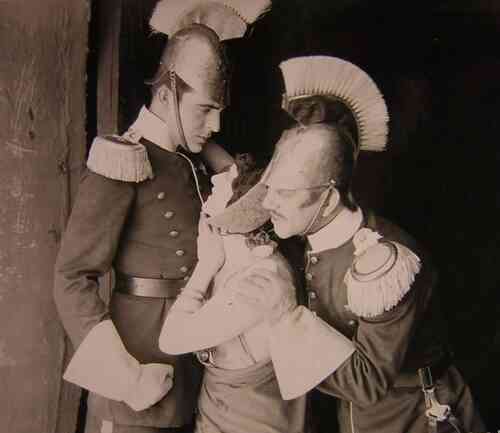
In the seguidilla scene she twirls, skirts blooming like blood in water, each freeze-frame worthy of a Symbolist canvas. No CGI, no Technicolor—just silver halides quivering at 18 fps, yet the moment feels more vivid than any 4K restoration you’ll stream tonight.
Opposite her, Raymond Hatton’s José begins as ramrod-straight iconography, epaulettes gleaming like cathedral candle-snuffers. By the final reel his tunic is unbuttoned, the once-proud shako crushed beneath bandit boots. Hatton lets his jaw quiver, eyes oscillating between adoration and murderous entitlement. The transformation is so incremental you only notice the abyss when he’s already kneeling in it.
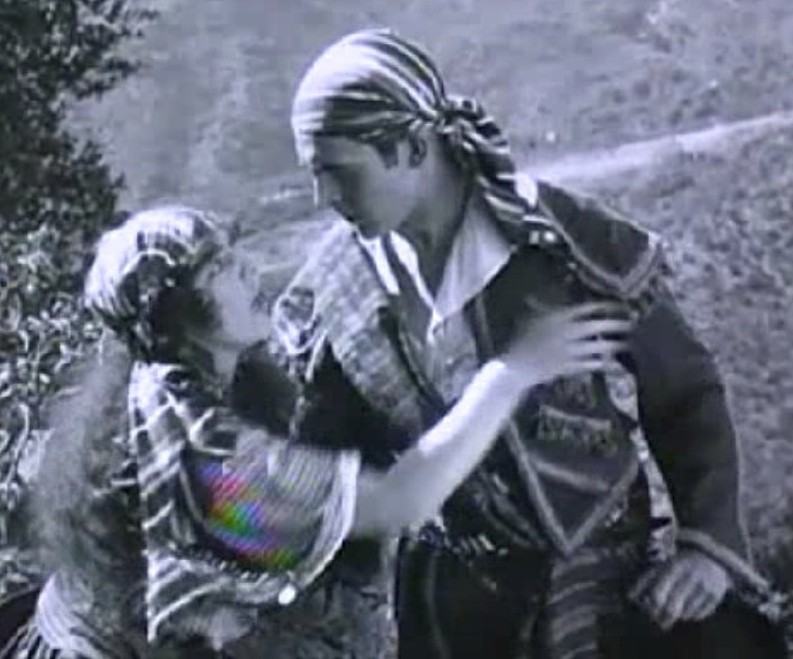
Compare this arc with Without Hope where the male lead’s corruption is telegraphed via cigar smoke and sneering side-lit smirks. DeMille’s patience feels almost novelistic, trusting the viewer to read the micro-shifts in posture.
Cinematographer Alvin Wyckoff employs arc lamps like a Caravaggio on cocaine. Interior tavern scenes drown in top-down pools, faces half-devoured by shadow, evoking the confessional secrecy of smugglers’ oaths. Exterior sierras blast white-hot daylight, the bleached rocks a blank canvas onto which José projects his feverish jealousy. When Carmen toys with Escamillo’s crimson cape, the sudden splash of saturated hue amidst monochrome feels transgressive, almost surreal—an early experiment with what later auteurs term ‘selective color’.
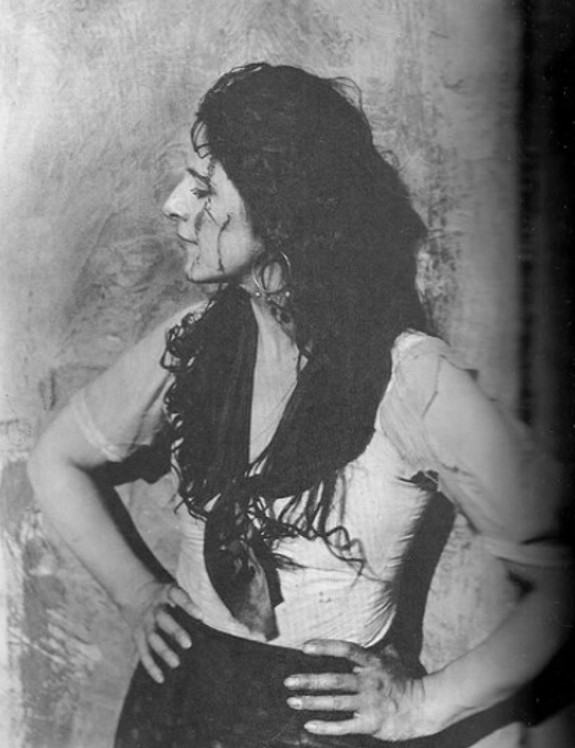
Long before his biblical epics, DeMille fuses erotic spectacle with moral inquiry. Notice the crucifix necklace that slips from Carmen’s bodice during the card-reading scene; it glints between her fingers like a moral coin she refuses to trade. The director cuts to a church fresco of the Madonna, implying a sisterhood the Church would excommunicate. Such dialectics—sacred vs profane, law vs outlaw—would resurface in The Port of Doom, yet never again with this feral intimacy.
Adapting Mérimée’s novella plus Bizet’s opera into a 55-minute silent required surgical brevity. William C. de Mille (Cecil’s elder brother) jettisons secondary ballads yet retains narrative vertebrae. Intertitles are haiku-sharp: ‘A kiss—then chains.’ The absence of sung arias shifts emphasis from musical rapture to visual choreography; Farrar’s hips become the orchestra, her raised eyebrow the crescendo.
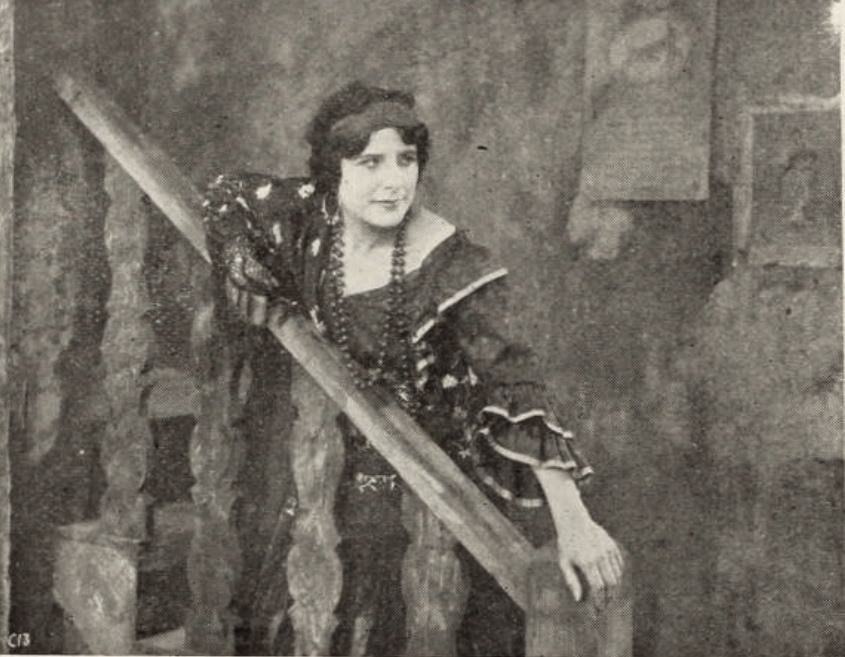
Modern viewers might flinch at the ‘sultry gypsy’ stereotype, yet Farrar’s Carmen undercuts it by owning narrative agency. She chooses Escamillo not for love but strategic mobility, a woman surfing patriarchal currents rather than drowning in them. When José demands fidelity at knifepoint, she laughs—an existential refusal that prefigures La Belle Russe’s femme fatale yet exceeds mere vampishness. Her death is not punishment but punctuation: the period that ends a sentence she authored.
Pedro de Cordoba’s toreador appears sparingly, yet each entrance is framed like a movie star arriving at a premiere—cape swirling, crowd roaring. DeMille shoots from the arena’s sandy floor, the camera peering up at Escamillo against a sky rendered blinding white. The result: a secular deity who exists only in spectacle, cinema’s first lesson that charisma is 80% backlighting.
Original screenings boasted live orchestras ripping through Bizet’s motifs. Today’s viewers often confront the film mute, a void that paradoxically amplifies tension. Try syncing a remixed flamenco percussive track—each heel strike lands like a second hand ticking toward José’s psychotic snap. The exercise reveals how DeMille’s montage anticipates rhythm: cuts on spinning skirt hems, on drumbeats, on the whip-pan that signals moral vertigo.
Stacked against Scotland Forever’s patriotic bombast or The Great Circus Catastrophe’s slapstick chaos, Carmen feels like a velvet-gloved slap—erotic, exotic, economically vicious. Its success green-lit Hollywood’s appetite for continental literary adaptations, paving the road toward Martin Eden and beyond.
A 35mm print survives at MoMA, struck from a lavender-tinted dupe. While Kino released a serviceable 2K in 2019, the yellow cigarette burns during act transitions remain stubbornly absent. Streamers beware: many public-domain uploads run at incorrect frame rates, flattening Farrar’s hypnotic sway into Keystone-speed farce. Purists should seek the 2012 Union Square projection with live accompanist Ben Model; rumor claims even the ushers wept during the final stabbing silhouette.
Because every era needs a parable warning that desire without empathy is just another brand of colonialism. Because Farrar’s smile cuts deeper than 4K clarity ever could. Because DeMille, before epics swelled him, distilled sex and death into an essence potent enough to intoxicate a century later. Watch Carmen with lights off and volume loud; let the guttering projector flicker become your own conscience ticking. When the last card reads ‘The end of Carmen—of José, the beginning,’ you’ll realize the camera has been staring at you all along, waiting to see which role you choose to play.
IMDb —
1924
Community
Log in to comment.