DbcultAccessing Vault...
5.8/10
Senior Film Conservator
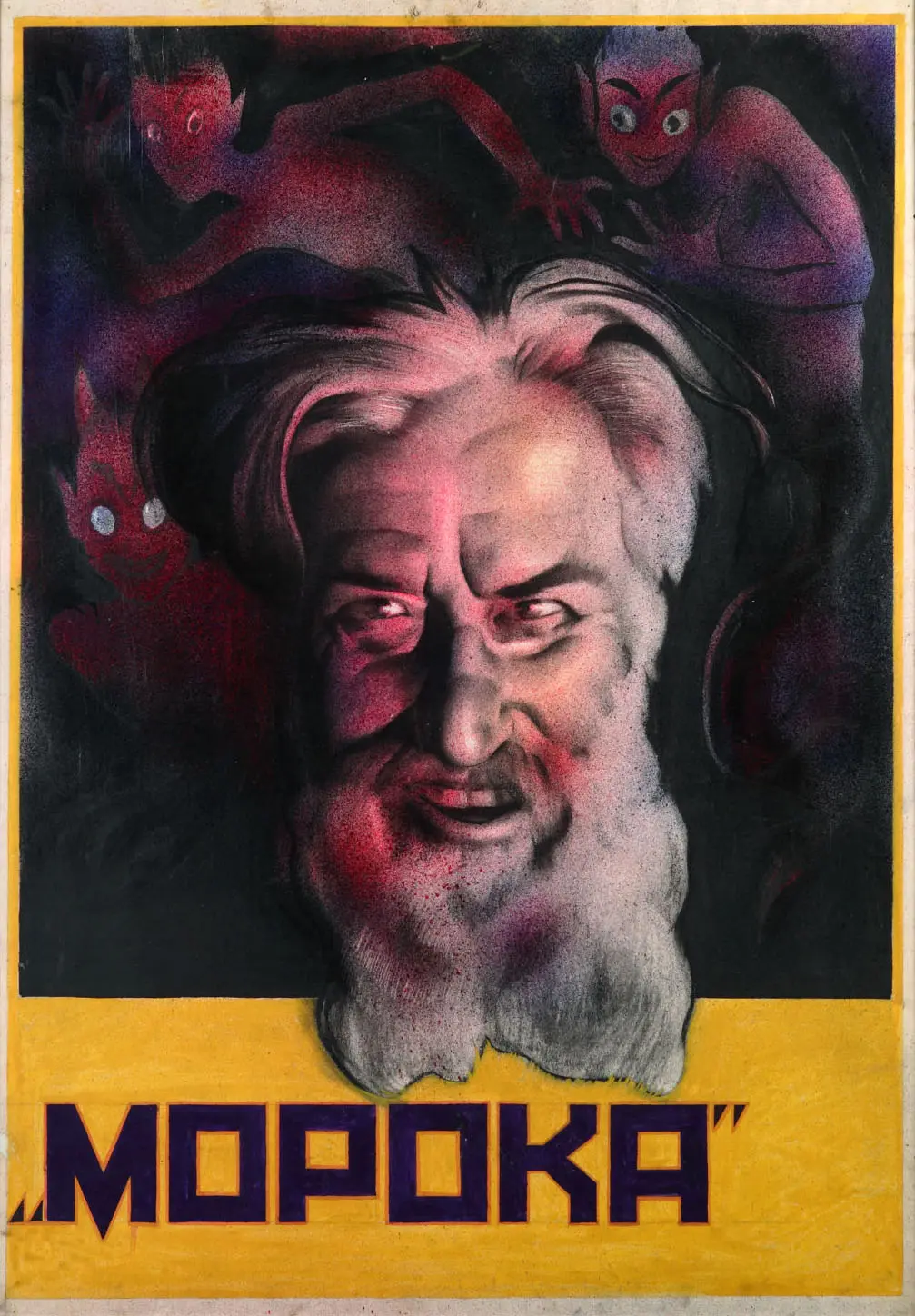
A definitive 5.8/10 rating for a film that redefined the boundaries of cult cinema. Moroka remains a cornerstone of transgressive art.
In the pantheon of early Soviet cinema, the names Eisenstein, Vertov, and Pudovkin often cast such long shadows that equally compelling works are frequently left in the dark. Moroka, a 1925 silent drama directed by Yuri Zhelyabuzhsky, is a prime example of a film that deserves a modern reassessment. It is a work that eschews the grand, sweeping montages of the revolutionary avant-garde in favor of a claustrophobic, deeply felt humanism. To watch Moroka today is to witness the birth of a specific kind of cinematic psychological realism, one that would eventually be stifled by the rigid requirements of Socialist Realism in the decades to follow.
The title itself, Moroka, translates to a 'muddle,' a 'bother,' or a state of confusion. This is not merely a plot point; it is the film’s entire aesthetic philosophy. Zhelyabuzhsky, who began his career as a photographer and cinematographer, brings a painterly eye to the screen. The rural settings are not romanticized. There are no sweeping, idyllic vistas of the Motherland here. Instead, we are treated to the grit of the soil, the smoke of the izba, and the weary lines on the faces of the peasantry. The cinematography utilizes a proto-noir sensibility, using natural light to create deep pockets of shadow that seem to swallow the characters whole.
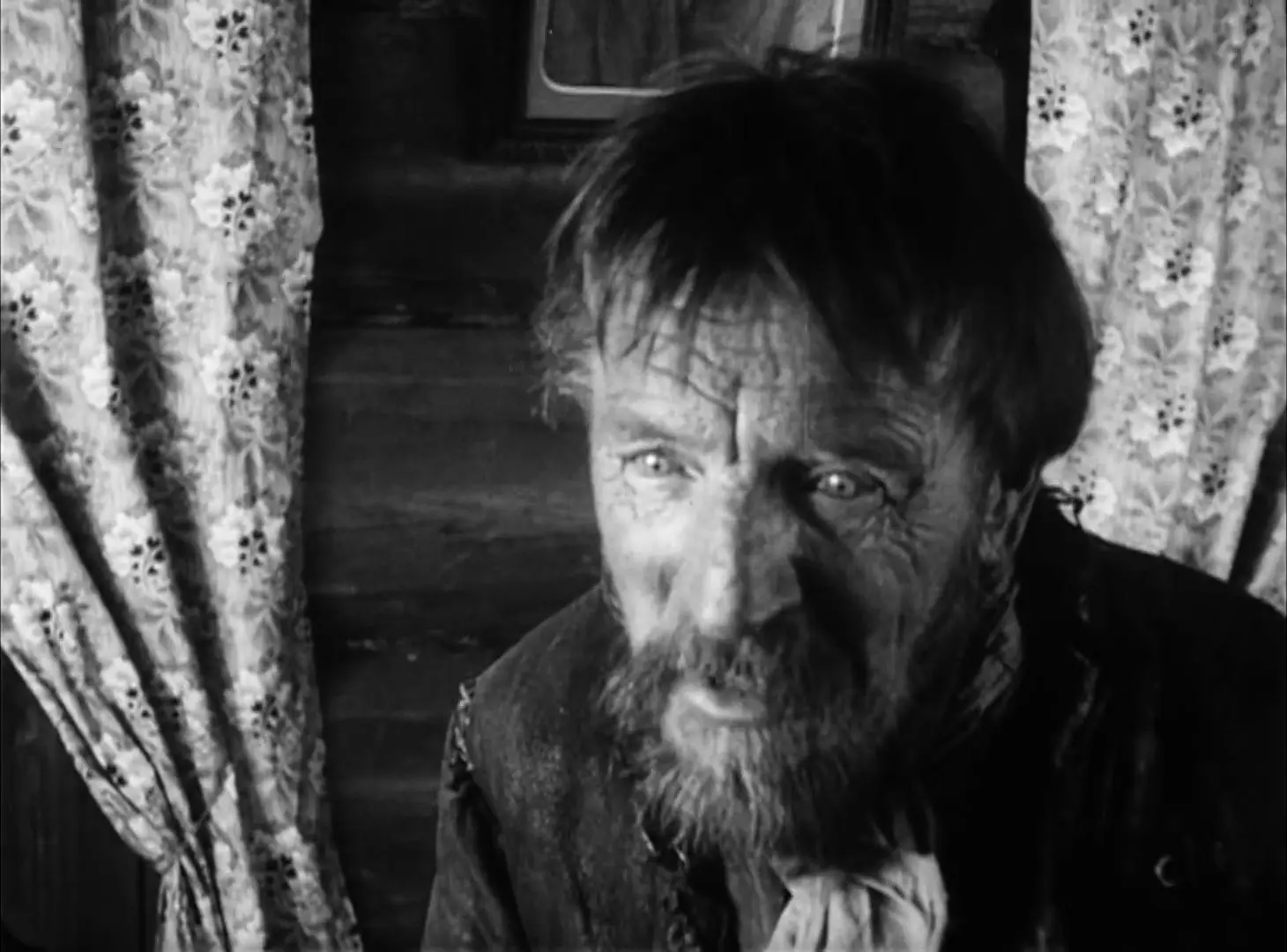
The pacing of the film is deliberate, almost agonizingly so. It mimics the slow, rhythmic grind of village life, where time is measured not by clocks but by the rising sun and the seasonal harvest. For a modern audience accustomed to the breakneck speed of contemporary editing, Moroka requires a recalibration of the senses. However, for those willing to lean into its tempo, the rewards are immense. The film builds a sense of dread that is almost palpable, a feeling that the 'muddle' of the characters' lives is a trap from which there is no escape.
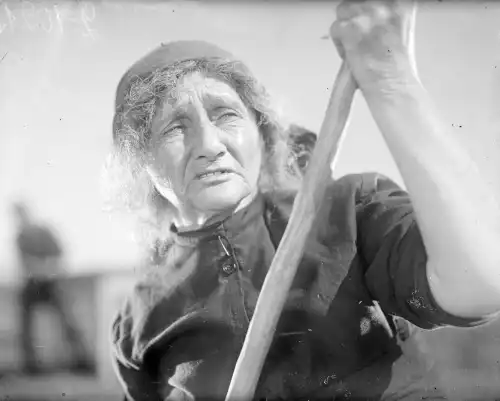
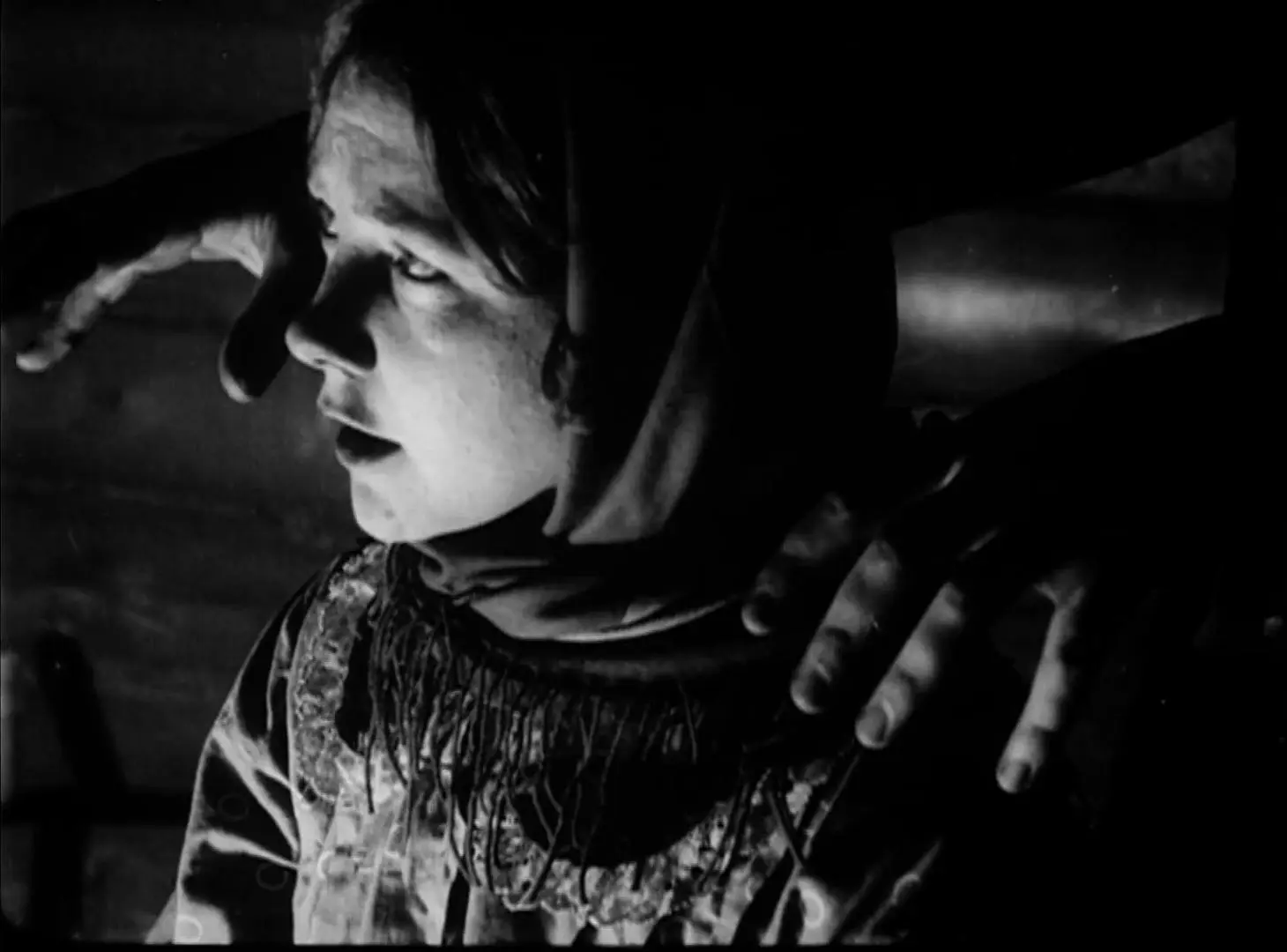
At the heart of the film’s success is the performance of Tatyana Barysheva. In an era where silent film acting often veered into the melodramatic and the hyperbolic, Barysheva provides a performance of startling subtlety. Her face becomes a landscape of its own, capable of conveying complex internal conflicts with the flicker of an eyelid or the tightening of a jaw. She portrays a woman caught in the middle of a shifting social order, balancing the demands of her heritage with the terrifying uncertainty of the new Soviet reality.
Ivan Kachalov and Aleksandr Zhukov provide strong support, representing the opposing forces of the old world and the new. Their interactions are fraught with a tension that is never fully resolved, reflecting the genuine social anxiety of the 1920s. Unlike later films that would present the 'New Soviet Man' as a flawless hero, Moroka allows its characters to be flawed, frightened, and profoundly confused. This leads me to my first strong opinion: Moroka is a far more honest depiction of the post-revolutionary period than the more famous masterpieces of the era precisely because it refuses to offer easy answers.
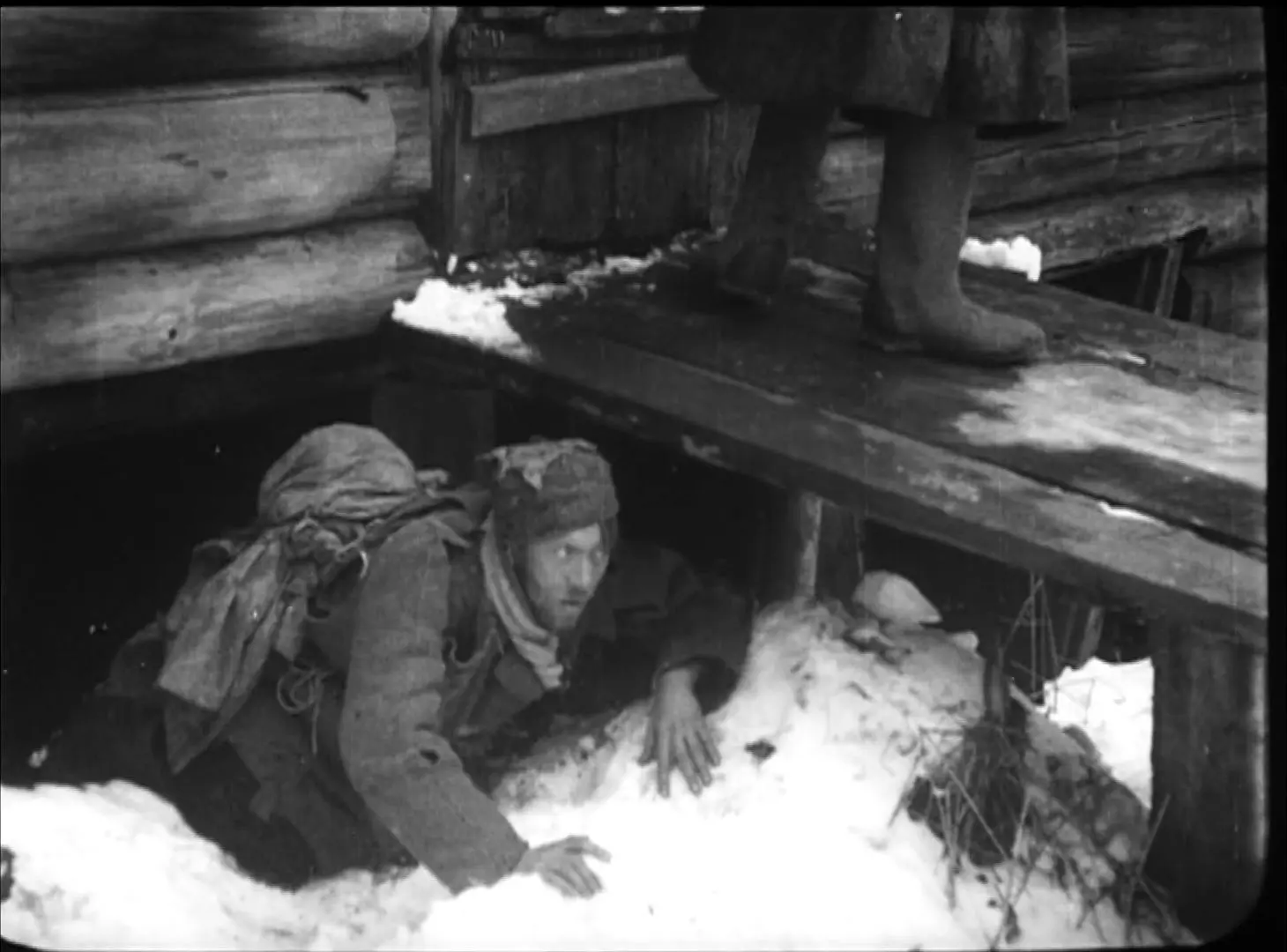
Yuri Zhelyabuzhsky’s direction is marked by a fascination with the material world. He lingers on objects—a worn-out tool, a piece of bread, a religious icon—giving them a weight that feels almost spiritual. This focus on the 'thingness' of the world grounds the drama in a tangible reality. The writing by D. Rudensky avoids the pitfalls of didacticism. While the film clearly operates within the framework of its time, it prioritizes character over ideology. The narrative structure is episodic, yet it feels cohesive due to the recurring motif of the 'muddle'—the fog of misunderstanding that prevents the characters from truly connecting with one another.
"The brilliance of Moroka lies in its silence; it speaks through the shadows of what remains unsaid between a dying tradition and a birth that is as painful as it is promising."
When discussing the heavyweights of 1920s cinema, Victor Sjöström’s The Phantom Carriage is often cited for its technical innovation and moral weight. While Moroka lacks the supernatural elements of Sjöström’s work, it shares a similar preoccupation with the soul's survival in a harsh environment. Where The Phantom Carriage uses double exposure to visualize the spirit, Moroka uses the absence of light to visualize the psychological void. Both films are essential viewing for anyone interested in the development of cinema as a serious art form, but Moroka feels more grounded, more anchored in a specific, terrifying moment of human history.
While The Phantom Carriage deals with individual redemption, Moroka deals with collective paralysis. The 'muddle' is not just a personal failing; it is a systemic one. This leads to my second major stance: Zhelyabuzhsky’s visual language in this film predates the atmospheric dread of the German Expressionists while maintaining a uniquely Slavic sense of fatalism that makes it a singular achievement.
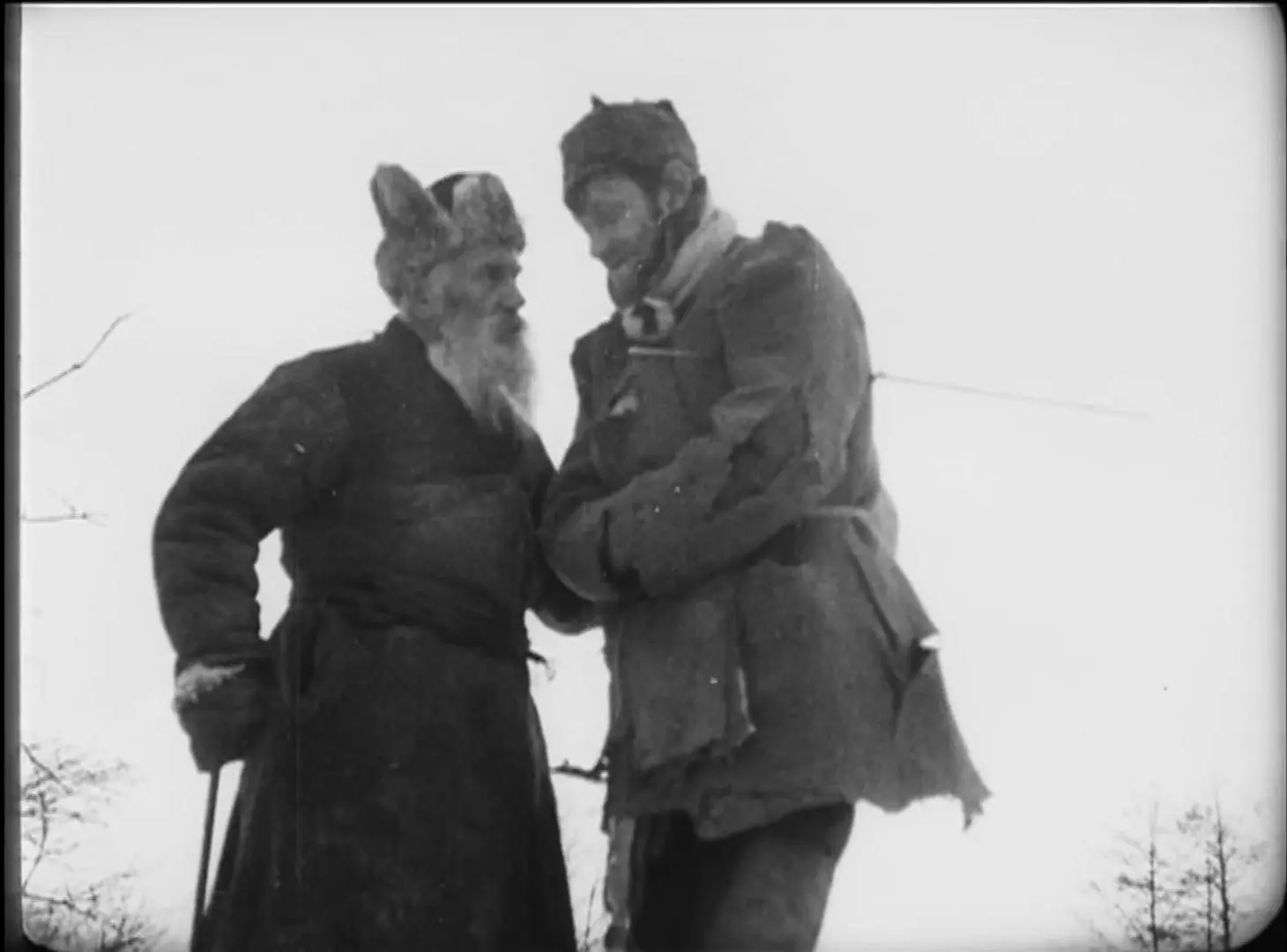
The technical prowess displayed in Moroka is even more impressive when one considers the limitations of the era. The film was produced by Mezhrabpom-Rus, a studio known for its slightly more commercial and international outlook compared to the state-run giants. This allowed for a level of technical experimentation that is evident in the film’s lighting and set design. The use of depth of field is particularly noteworthy; Zhelyabuzhsky often places a character in the foreground in sharp focus while the 'muddle' of the village continues in the blurred background, effectively visualizing the character's isolation.
To understand Moroka, one must understand the New Economic Policy (NEP) era of the Soviet Union. It was a time of relative cultural freedom, a brief window before the iron curtain of Stalinist censorship descended. This film captures that window perfectly. It is a work of art that is allowed to be uncertain. It is allowed to show the peasant not as a revolutionary icon, but as a human being struggling with the sheer difficulty of existence. This honesty is what makes the film so resonant nearly a century later.
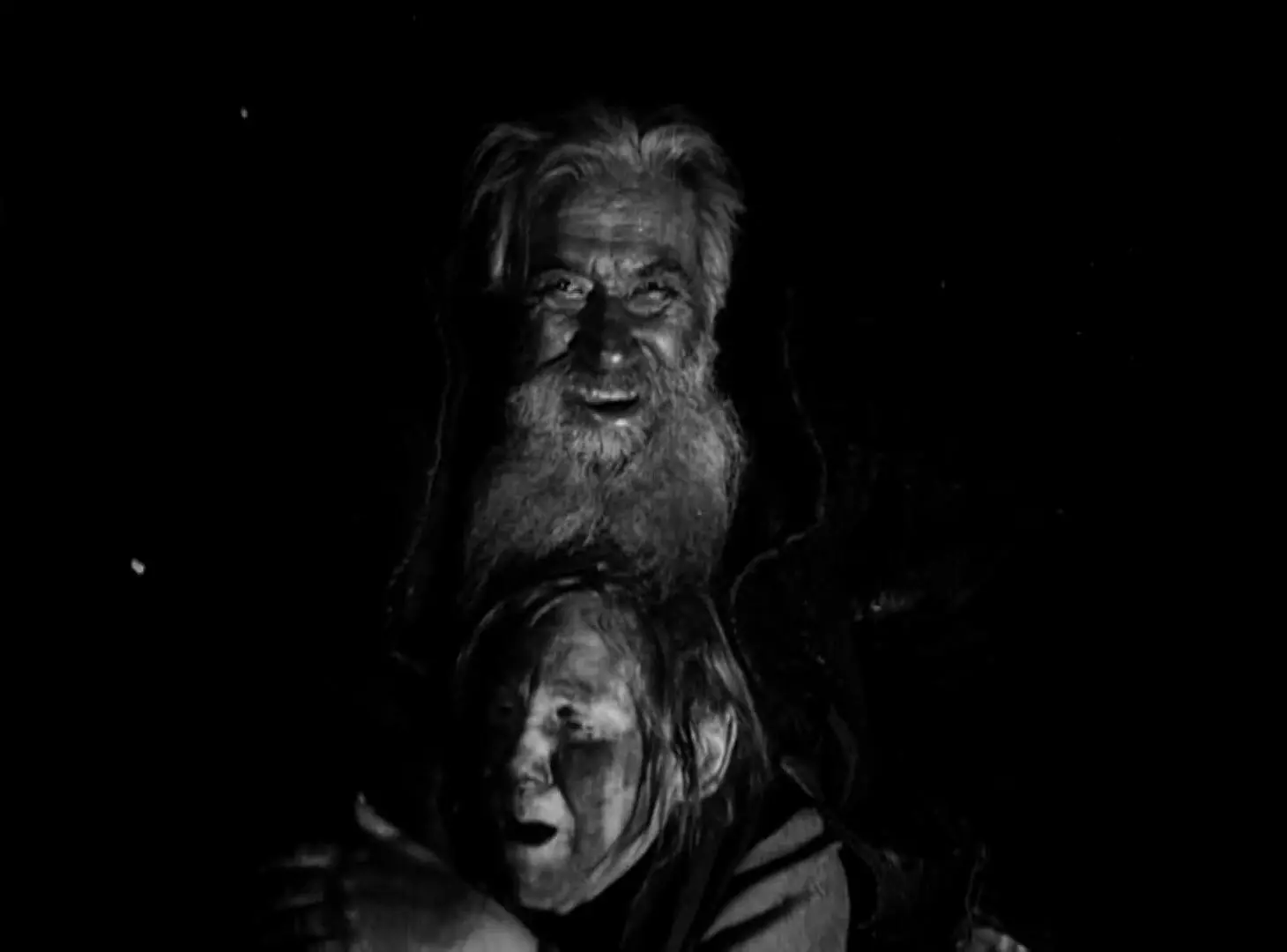
The 'muddle' described in the film is not just the confusion of the 1920s; it is the confusion of any era where the old structures have crumbled and the new ones have yet to take firm root. In that sense, Moroka is a universal story. It speaks to the anxiety of the unknown and the human tendency to cling to the familiar, even when the familiar is no longer sustainable. The tragedy of the film is that the characters are so mired in their 'moroka' that they cannot see the path forward, even when it is laid out before them.
In conclusion, Moroka is not a film that should be relegated to the dusty shelves of film historians. It is a living, breathing piece of cinema that offers profound insights into the human condition. It challenges the viewer to look past the surface of 'propaganda' and find the beating heart of a story about survival, change, and the persistent fog of the human soul. The performances, particularly by Barysheva, are world-class, and the directorial vision is as sharp as any of the more celebrated masters of the silent era.
If you are a student of cinema, or simply a lover of stories that refuse to simplify the complexities of life, Moroka is essential viewing. It is a reminder that even in the darkest 'muddle,' there is a flicker of human truth waiting to be captured by the camera's lens. It is a film that demands your attention, your patience, and ultimately, your respect. It stands as a testament to a brief moment in time when cinema was a wild, uncharted frontier, and directors like Zhelyabuzhsky were its most daring explorers.
The legacy of Moroka is one of quiet brilliance. It does not shout its message; it whispers it through the shadows and the silences. In the grand narrative of film history, it is time for this particular 'muddle' to be cleared, and for Moroka to take its rightful place as a cornerstone of early cinematic realism. It is a haunting, beautiful, and deeply necessary film that continues to resonate long after the final frame has faded to black.
IMDb 4.2
1919
Community
Log in to comment.