DbcultAccessing Vault...
5.2/10
Senior Film Conservator
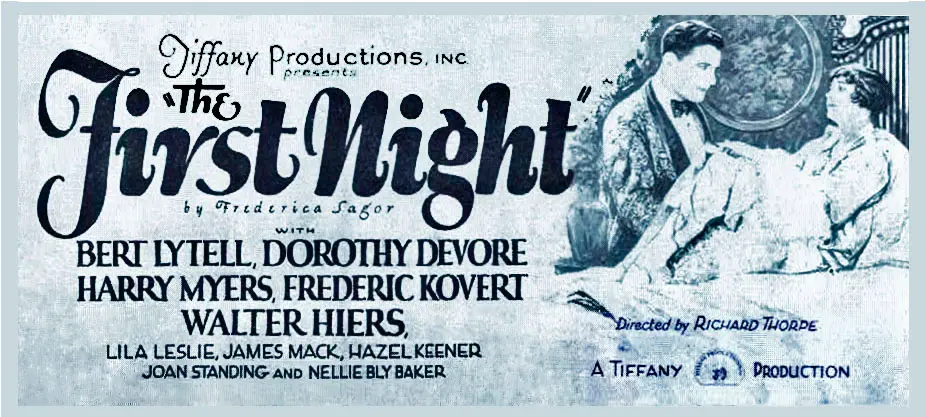
A definitive 5.2/10 rating for a film that redefined the boundaries of cult cinema. The First Night remains a cornerstone of transgressive art.
Is 'The First Night' worth watching today? Short answer: yes, but with significant caveats that demand a specific kind of viewer. This silent-era relic is not for the faint of heart, nor for those accustomed to the rapid-fire narratives and complex character arcs of contemporary cinema.
It's a curious artifact, a window into a bygone era of comedic storytelling, and for that alone, it holds a certain undeniable allure. This film is unequivocally for silent film enthusiasts, film historians, and those with a genuine curiosity about the foundational elements of cinematic comedy. It is decidedly NOT for the casual viewer seeking modern pacing, high production values, or a laugh-a-minute blockbuster experience.
This film works because of its period charm, the surprisingly effective physical comedy from its ensemble cast, and its unintentional yet poignant commentary on societal pressures surrounding marriage in the early 20th century.
This film fails because its narrative simplicity often borders on thinness, its humor can feel dated and repetitive to a modern audience, and its technical limitations, while historically significant, occasionally detract from immersion.
You should watch it if you appreciate historical cinema, are willing to engage with a different mode of storytelling, and can overlook its pacing and comedic sensibilities that are firmly rooted in the 1920s.
'The First Night' is less a narrative masterclass and more a delightful, if at times perplexing, exercise in early cinematic farce. Directed with a clear understanding of the era's visual storytelling conventions, it plunges us headfirst into the chaotic inaugural evening of newlyweds Arthur (Bert Lytell) and Evelyn (Hazel Keener). The premise is simple: the couple desires a quiet, intimate start to their marital journey, but fate, in the form of intrusive relatives and a meddling household staff, has other plans. It’s a classic setup, one that still resonates, though its execution here is distinctly a product of its time.
The film’s comedic engine is driven almost entirely by misunderstanding and escalating physical gags. We see Arthur’s exasperated attempts to usher away a particularly persistent aunt, played with delightful officiousness by Lila Leslie, whose presence feels like a physical manifestation of societal expectation. Her facial expressions alone, magnified by the lack of dialogue, convey a formidable, unyielding will that is genuinely amusing. The humor, while broad, often lands due to the commitment of the performers.
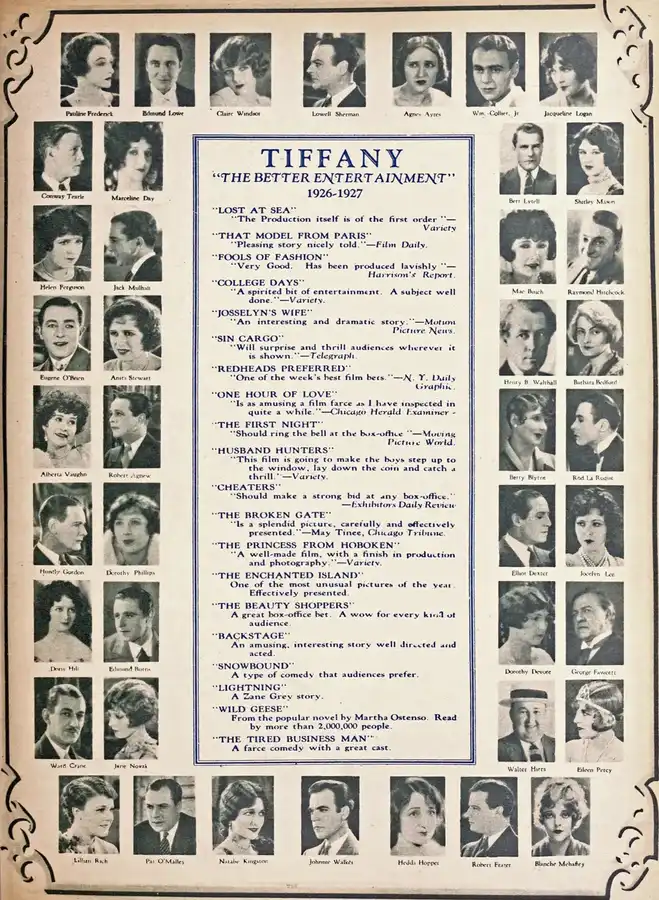
One could argue that the film’s reliance on broad physical comedy, while a product of its time, often feels more like a blueprint than a polished performance. There are moments when the gags stretch beyond their natural comedic life, leading to a slight drag in pacing. However, for every extended sequence, there's a moment of surprising subtlety, a fleeting glance or a perfectly timed double-take that reminds us of the nascent artistry at play.
The writers, Esther Shulkin and Frederica Sagor Maas, crafted a scenario brimming with potential for slapstick. While the plot itself is light, their ingenuity lies in creating situations that allow for maximum visual comedy. The idea of a mischievous butler, Reginald (James T. Mack), whose every attempt to help only exacerbates the chaos, is a stroke of genius. Mack's performance is a standout, embodying the 'helpful nuisance' archetype with an almost balletic grace in his clumsiness. His scenes with the visiting, eccentric magician (Frederick Ko Vert) are particularly memorable, transforming simple household chores into grand, albeit disastrous, spectacles.
The strength of 'The First Night' truly lies in its ensemble cast, who navigate the demanding world of silent film acting with varying degrees of success, but always with palpable energy. Bert Lytell, as the beleaguered husband Arthur, carries the emotional weight of the film with remarkable skill. His facial expressions, ranging from bewildered exasperation to tender affection for Evelyn, are clear and expressive, never devolving into mere mugging. He grounds the escalating madness with a relatable sense of 'everyman' frustration.
Hazel Keener, as Evelyn, provides an excellent counterpoint. Her character's journey from hopeful bride to amused conspirator in the chaos is well-charted through her nuanced gestures. There’s a particular scene where she attempts to discreetly hide a misplaced wedding ring, her eyes darting around the room, that speaks volumes without a single intertitle. It's a testament to her ability to convey complex emotions through purely visual means.
The supporting cast, too, shines in their respective roles. Harry Myers, as Evelyn’s perpetually flustered father, delivers a performance that borders on caricature but remains endearing. His physical comedy, particularly in a scene involving a collapsing armchair, is expertly timed. Dorothy Devore and Joan Standing, in their roles as gossiping neighbors or bridesmaids, add layers of social commentary, their exaggerated reactions to the unfolding drama serving as a Greek chorus of sorts. Their ability to convey judgment and amusement solely through their gaze is a fascinating aspect of silent film acting.
I find myself drawn to the performances of these character actors, often more so than the leads. Walter Hiers, appearing briefly as a bewildered police officer, manages to steal his scene with just a few confused glances and a hesitant, almost apologetic, posture. This is where the human element truly triumphs over any technical or narrative shortcomings: the raw, unadulterated commitment of these performers to their craft.
From a technical standpoint, 'The First Night' offers a fascinating look at the nascent stages of cinematic production. The cinematography, while not groundbreaking, is competent, utilizing standard framing and lighting techniques of the era. Close-ups are employed effectively to highlight key emotional reactions, particularly during moments of heightened comedic tension or quiet intimacy between Arthur and Evelyn. The use of intertitles is, as expected, pervasive, guiding the audience through the plot and providing crucial dialogue or exposition. However, their frequency sometimes breaks the visual flow, a common challenge for silent films.
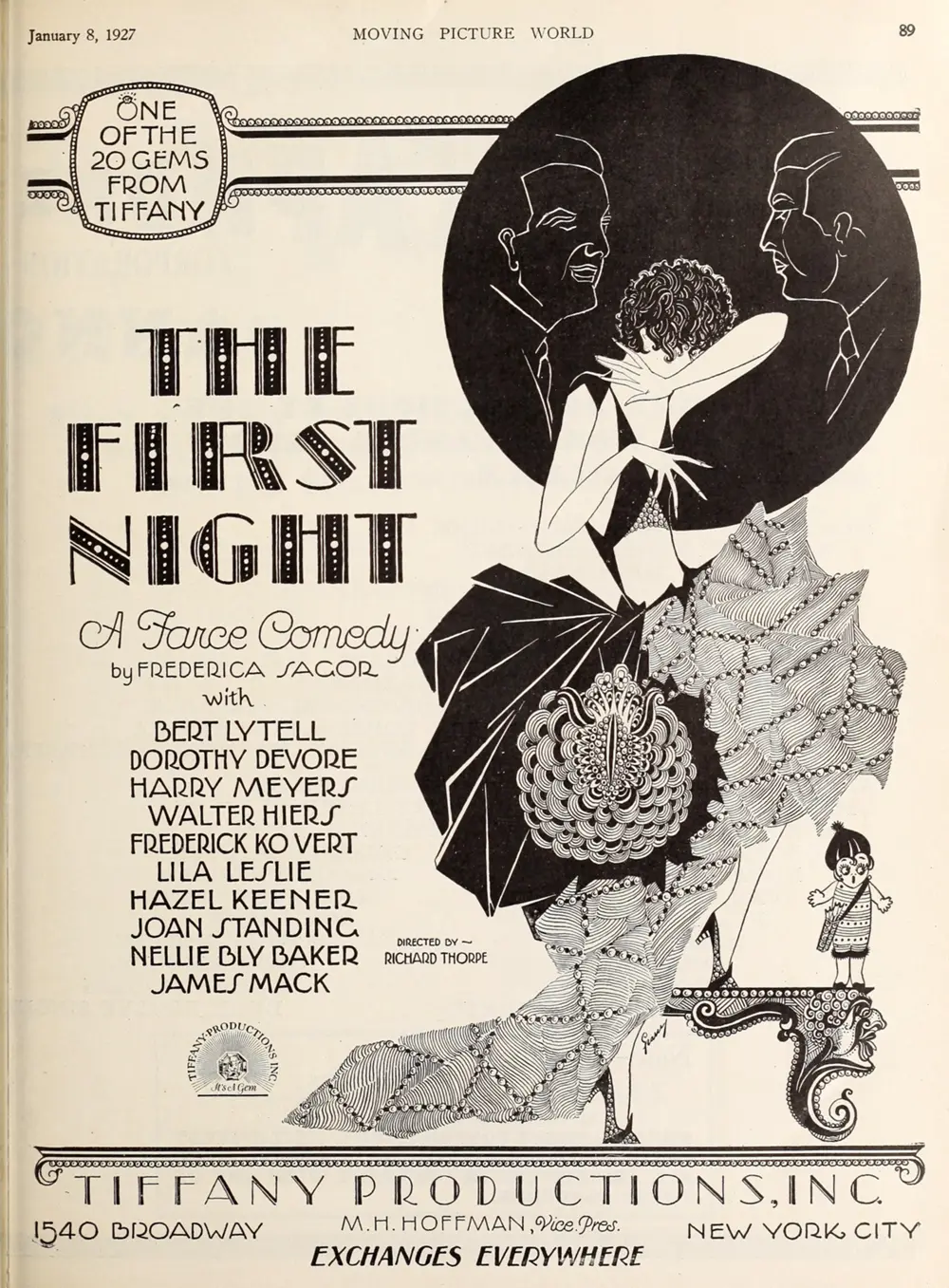
Pacing is a double-edged sword. While the film manages to maintain a certain energy throughout its runtime, propelled by the constant influx of new comedic complications, there are segments that feel drawn out. A particularly extended sequence involving the search for the lost wedding ring, while central to the climax, could have benefited from tighter editing. This is not uncommon for films of this period, where narrative efficiency was still being refined.
The tone is consistently light-hearted and farcical, never veering into genuine drama despite the potential for marital discord. The film understands its lane and sticks to it, delivering a series of escalating comedic set pieces. This unwavering commitment to its comedic tone is admirable, even if it occasionally sacrifices deeper emotional resonance. It works. But it’s flawed.
While many praise the era's technical limitations as charming, I find them occasionally distracting, pulling me from the narrative. The flickering image, the sometimes grainy texture, and the rudimentary set designs, while historically authentic, demand a certain level of patience and suspension of disbelief from a modern viewer. It’s a testament to the performances that they manage to cut through these limitations and still engage the audience.
The true star here isn't the lead couple, but the subtle, almost accidental commentary on societal pressures hidden beneath the slapstick. The film unintentionally skewers the notion of the 'perfect' wedding night, revealing it to be an impossible fantasy when confronted with the messy reality of family and human fallibility. It’s a delightful subversion, even if it wasn't the primary intention.
I'd argue that 'The First Night' is far more effective as a historical document than as a purely entertaining film for today's casual audience. Its value lies not just in its story, but in what it tells us about the evolution of film, performance, and comedic timing. It's a foundational text, a stepping stone, rather than a definitive statement.
Furthermore, the film’s portrayal of domestic chaos, while exaggerated for comedic effect, feels surprisingly contemporary in its exploration of boundaries and personal space. The invasive nature of the relatives in The First Night could easily be transposed to a modern family gathering, highlighting a timeless human struggle. This makes it more than just a dusty old film; it’s a mirror, albeit a funhouse one.
Compare its understated social critique to the more overt class commentary seen in films like Disraeli or the domestic dramas of its time. 'The First Night' achieves its commentary almost by accident, through the sheer force of its characters' exasperation, which is, in my opinion, a more profound comedic achievement.
‘The First Night’ is a delightful, if imperfect, relic from the silent era. It’s a film that demands a specific kind of engagement – one rooted in historical appreciation rather than purely contemporary entertainment values. While its narrative simplicity and dated humor might test the patience of some, its committed performances, particularly by Bert Lytell and James T. Mack, offer genuine moments of comedic charm and insight into early film acting. It’s a fascinating look at how comedic tropes were established, and for that alone, it warrants a viewing. It won't redefine your understanding of cinema, but it will certainly offer a chuckle and a valuable glimpse into the past. For film buffs, it’s a worthwhile, if not essential, watch. For everyone else, approach with an open mind and a healthy dose of historical context.
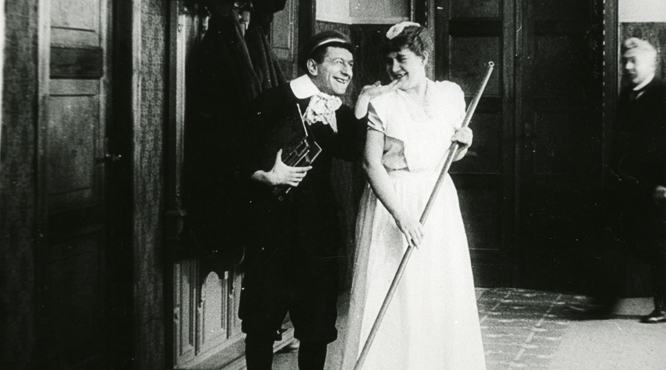
IMDb 5.6
1916
Community
Log in to comment.