DbcultAccessing Vault...
Cult Review
Senior Film Conservator
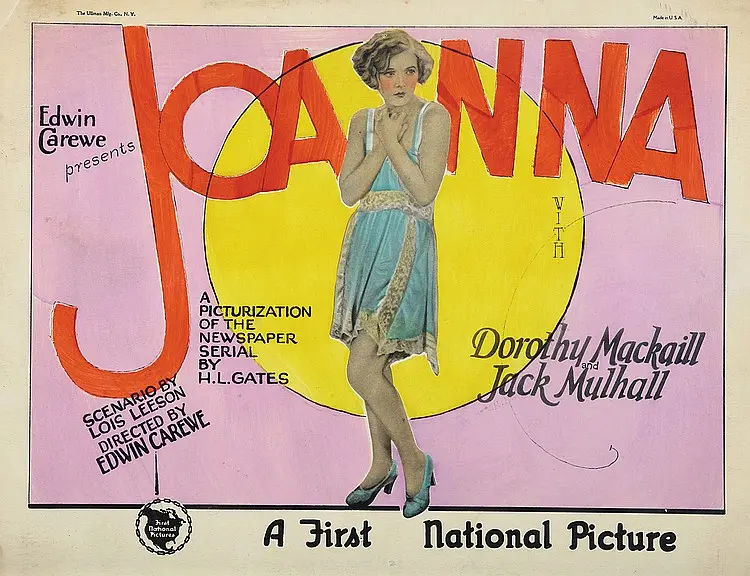
The 1920s, often romanticized as the Roaring Twenties, was an era of profound social and cultural upheaval, a decade where traditional strictures loosened and a new generation, epitomized by the flapper, danced to the beat of its own drum. It was into this vibrant, yet often superficial, milieu that the film Joanna sashayed onto screens, offering a fascinating glimpse into the intoxicating blend of newfound freedom and age-old societal expectations. At its heart, this silent drama presents a compelling character study of Joanna Manners, a woman whose dazzling exterior—a million-dollar figure, million-dollar looks, and a literal million dollars in cash—belies a deeper yearning for genuine connection in a world obsessed with appearances. Her story is not merely a romance; it is a trenchant social commentary, a mirror reflecting the era's fascination with wealth, status, and the often-perilous pursuit of true love amidst a sea of opportunism. The film, in its quiet yet powerful way, challenges viewers to look beyond the surface, questioning the true cost of affluence when it comes at the expense of authentic human relationships.
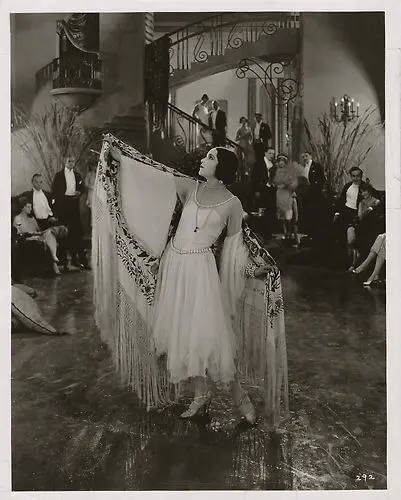
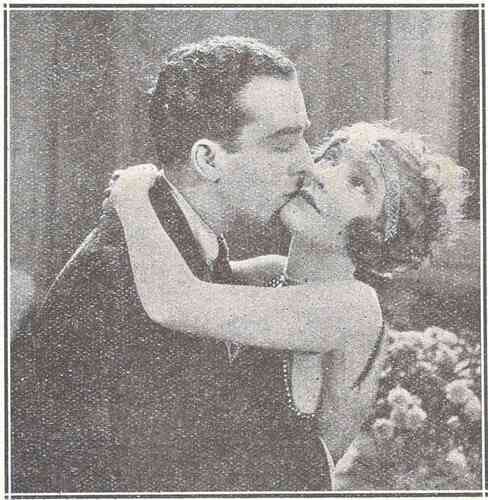
Lillian Langdon, in the titular role of Joanna Manners, delivers a performance that transcends the limitations of silent cinema, imbuing her character with a palpable blend of vivacity and underlying vulnerability. Joanna is not simply a caricature of the wealthy flapper; she is a complex individual, navigating a world where her immense fortune attracts a specific, often predatory, kind of attention. Her initial portrayal is one of carefree indulgence, a woman seemingly impervious to the concerns of ordinary life. Yet, beneath the veneer of parties and lavish spending, there’s an unspoken loneliness, a longing for something more substantive than the fleeting adoration of her hangers-on. This internal conflict is exquisitely conveyed through Langdon's expressive eyes and nuanced body language, a testament to her skill in an era where gestures were paramount. Her world is a revolving door of superficiality, until the arrival of John Wilmore, portrayed with understated integrity by Bob Hart. Wilmore is Joanna's antithesis: a man utterly devoid of material wealth, without even a dime to his name, much less a pot to put it in. What he possesses, however, is an unshakeable moral compass and an authenticity that instantly captivates Joanna. Their connection is immediate and profound, a stark contrast to the transactional relationships Joanna has grown accustomed to. This romantic entanglement becomes the central pivot of the narrative, highlighting the chasm between their respective social strata and the formidable obstacles that stand in the way of their happiness. It's a classic tale of rich girl meets poor boy, but handled with a sophistication that prevents it from descending into mere melodrama, instead elevating it to a thoughtful exploration of love conquering societal divides.
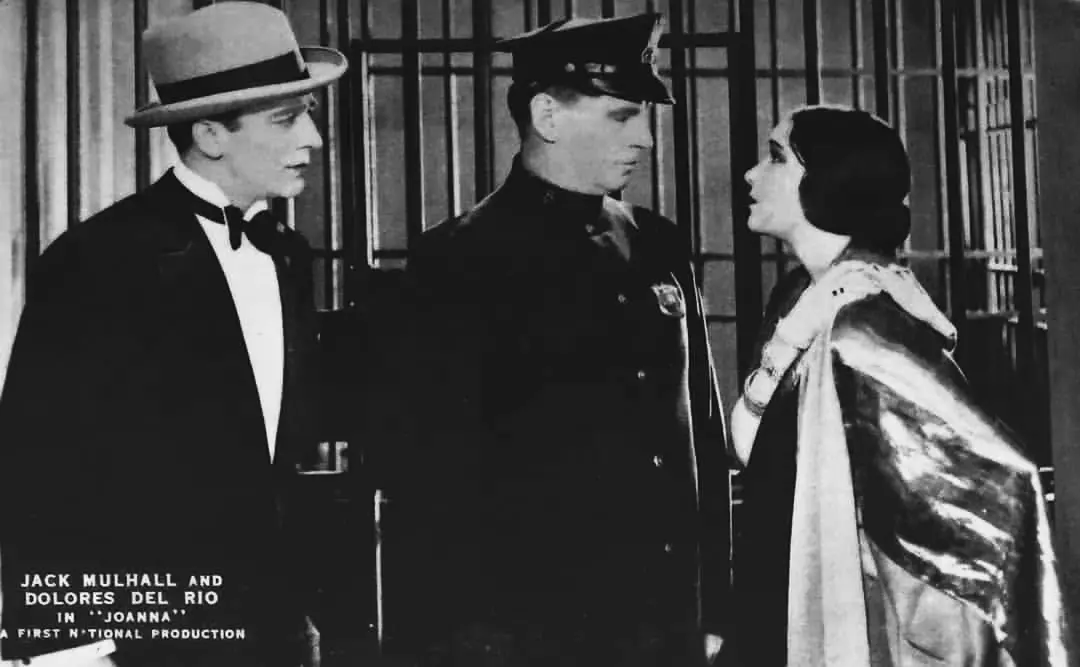
The brilliance of Joanna lies not only in its central romance but also in its vividly drawn supporting cast, a veritable rogues' gallery of gold-digging gigolos and hustlers who orbit Joanna's fortune like moths to a very lucrative flame. This ensemble cast, featuring talents like Rita Carewe, Dolores Del Río, George Fawcett, Paul Nicholson, Jack Mulhall, Dorothy Mackaill, Edwards Davis, and John T. Murray, collectively creates a palpable atmosphere of avarice and social climbing. Each character, though perhaps given limited screen time, contributes to the oppressive pressure Joanna faces, making her decision to pursue John Wilmore all the more courageous. They are the embodiment of the era's darker undercurrents, the parasitic elements feeding off the excesses of the Jazz Age. Their objections to John are not rooted in genuine concern for Joanna's well-being, but in a cynical calculation of their own dwindling prospects. They see John as an interloper, a threat to their comfortable existence, and their machinations to separate the lovers form a significant portion of the film's conflict. Dolores Del Río, even in what might be a smaller role, likely brought her characteristic intensity, while George Fawcett's presence would have added a certain gravitas to the older, more established figures of this opulent society. The film’s portrayal of this cynical coterie is remarkably unsparing, painting a stark picture of how wealth can corrupt and distort human relationships. It reminds one of the societal critiques found in films like The Prodigal Liar, where characters are often driven by self-interest and material gain, exposing the moral compromises made in the pursuit of affluence. The collective performance of this ensemble cast effectively elevates the stakes, making Joanna's choice between her fortune and her heart a truly monumental one.
The screenplay penned by Lois Zellner and Henry Leyford Gates is a masterclass in silent film storytelling, relying on strong character arcs, clear motivations, and dramatic irony to propel the narrative forward. In an age without spoken dialogue, the writers had to craft scenarios where actions spoke louder than words, and intertitles provided just enough exposition without bogging down the visual flow. They skillfully navigate the nuances of class distinction, portraying the superficial glamour of Joanna's world against the quiet dignity of John's. The plot, while seemingly straightforward—rich girl falls for poor boy—is imbued with layers of social commentary that resonate even today. The directorial vision, though not explicitly attributed to a single name in the provided information, is evident in the film's pacing, its visual compositions, and its ability to evoke strong emotions without the aid of sound. The use of close-ups to capture the subtle shifts in Lillian Langdon’s expressions, the wide shots establishing the opulence of Joanna’s parties, and the careful editing to build tension are all hallmarks of effective silent film direction. The visual grammar of the film is articulate, allowing the audience to fully grasp the emotional beats and the underlying social critique. The film understands the power of contrast, juxtaposing scenes of lavish indulgence with moments of quiet introspection or desperate struggle. This visual storytelling, combined with the sharp writing, ensures that Joanna remains an engaging and thought-provoking experience, demonstrating how a well-conceived script can transcend technological limitations.
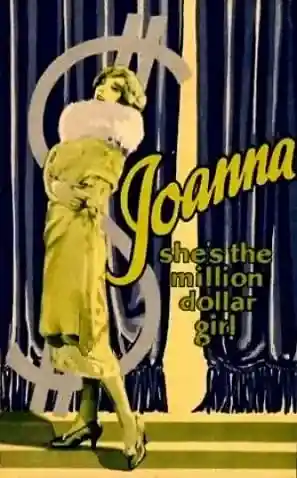
The performances in Joanna are a testament to the unique artistry of silent cinema, where actors relied solely on their physicality and facial expressions to convey complex emotions. Lillian Langdon, as Joanna, is simply mesmerizing. Her portrayal is not just of a beautiful socialite, but of a woman undergoing a profound transformation. We witness her initial exuberance, her flirtatious charm, but also her growing disillusionment with her shallow surroundings. The subtle tightening of her jaw, the momentary sadness in her eyes, the way her posture shifts from confident to contemplative—these are the brushstrokes of a truly gifted silent actress. Bob Hart, as John Wilmore, provides a steadfast and earnest counterpoint. His performance is characterized by a quiet strength and an unwavering moral conviction. He doesn't need grand gestures; his integrity shines through in his gaze and his calm demeanor, making him a compelling romantic lead who earns Joanna's affection through sheer force of character rather than material appeal. The chemistry between Langdon and Hart feels genuine, built on shared glances and unspoken understanding, a rare feat in any cinematic era. Beyond the leads, the supporting cast, including the inimitable Dolores Del Río and Dorothy Mackaill, contribute significantly to the film's rich tapestry. Del Río, even in the early stages of her career, often brought an exotic allure and dramatic depth to her roles, and her presence here, however brief, would undoubtedly add a layer of intrigue to the ensemble. Mackaill, known for her vivacious screen presence, would have perfectly embodied the spirited, often competitive, nature of the flapper set. George Fawcett and Edwards Davis, seasoned character actors, lend authority and a touch of the old guard's disapproval to their roles, effectively embodying the societal forces arrayed against Joanna and John. Each actor, through their distinct style, contributes to a cohesive and believable world, making the film's emotional impact all the more resonant. Their ability to communicate so much without uttering a single word is a powerful reminder of the profound expressiveness inherent in silent filmmaking.
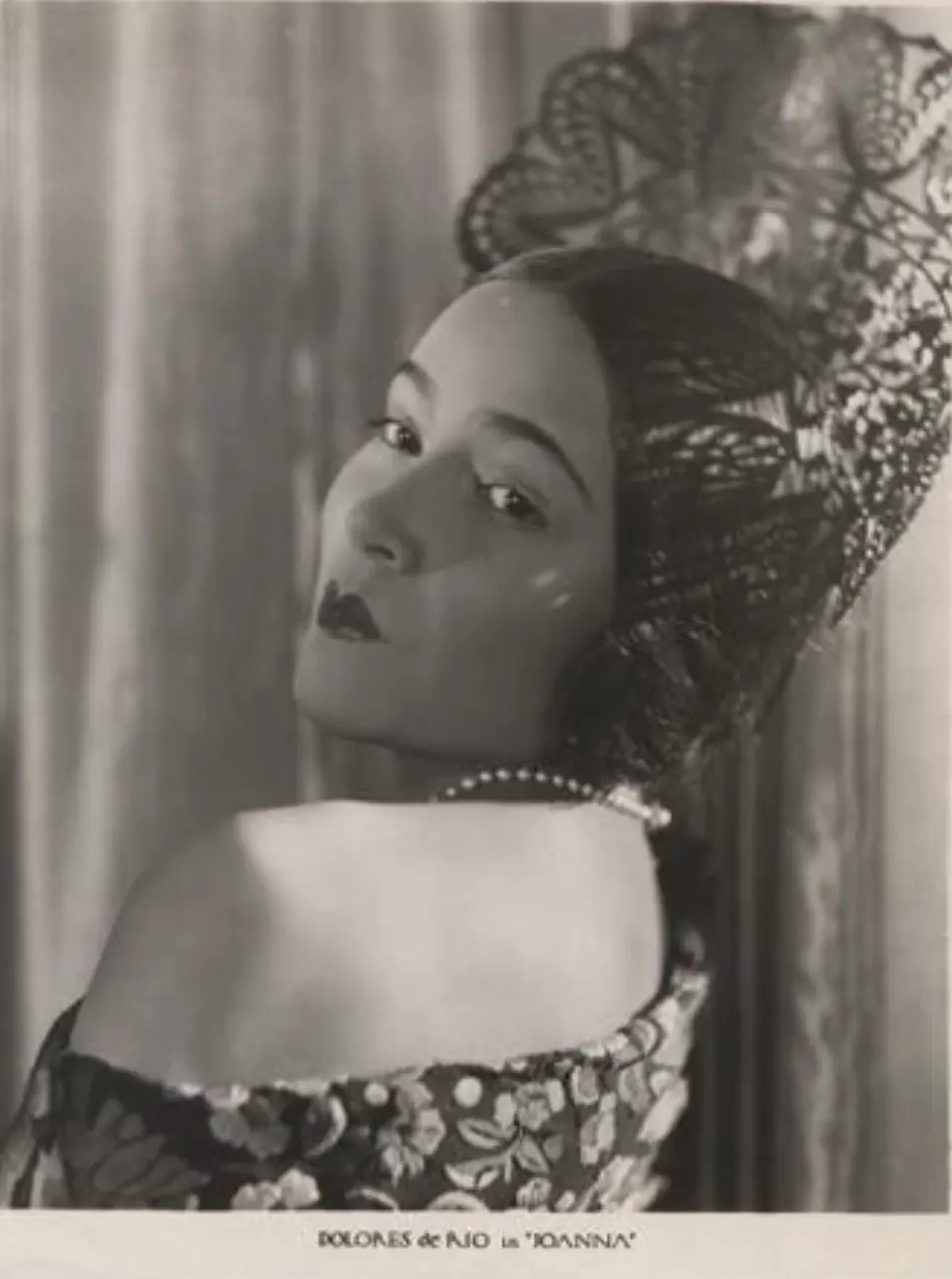
At its core, Joanna delves into the perennial conflict between material wealth and genuine affection, a theme that remains as relevant today as it was in the Roaring Twenties. The film masterfully explores the intoxicating, yet ultimately corrosive, power of money. Joanna's fortune, initially a source of freedom and power, gradually reveals itself to be a burden, attracting a swarm of insincere admirers who value her assets more than her character. This critique of superficiality and the pursuit of wealth for its own sake is a powerful undercurrent throughout the narrative. It’s a theme that echoes in other contemporary films, such as The Yellow Traffic, which often explored the darker side of societal ambition and moral decay, albeit often through more sensationalized lenses. Joanna, however, handles this with a more nuanced touch, focusing on the protagonist's internal struggle. The film posits that true value lies not in bank accounts or social standing, but in integrity, compassion, and authentic connection. John Wilmore, despite his penury, embodies these virtues, offering Joanna a glimpse into a life free from pretense and calculation. The social commentary extends to the portrayal of class distinctions, highlighting the stark inequalities of the era and the prejudices that often accompanied them. The objections to Joanna and John's relationship stem directly from these ingrained class biases, illustrating how societal norms can dictate personal choices and happiness. The film doesn't shy away from depicting the hypocrisy of the wealthy elite, whose outward displays of refinement often mask a ruthless pursuit of self-interest. In this regard, it shares thematic DNA with films like Old New York or even Forbidden Fruit, which also dared to critique the moral fabric of society and the constraints placed upon individuals by social expectations. Joanna, through its elegant narrative, suggests that true liberation comes not from material abundance, but from the courage to defy societal pressures and embrace genuine love, regardless of its economic implications. This timeless message ensures its continued resonance, inviting viewers to reflect on their own values and priorities in an ever-materialistic world.
Beyond the compelling narrative and stellar performances, Joanna offers a rich visual experience that transports audiences directly into the heart of the Roaring Twenties. The cinematography, while adhering to the technical constraints of the era, is remarkably evocative, using lighting and composition to enhance the storytelling. The film skillfully captures the opulence of Joanna's world, from the glittering ballrooms to the lavish interiors of her mansion. The art direction, with its meticulous attention to period detail, is a feast for the eyes. The costumes are particularly noteworthy, showcasing the iconic flapper fashion with its dropped waistlines, short hemlines, and elaborate headpieces, all designed to reflect Joanna's status and the rebellious spirit of the age. Each outfit worn by Lillian Langdon is not just a costume but a character statement, evolving with her emotional journey. Similarly, the sets are more than just backdrops; they are extensions of the characters' personalities and social standing. The contrast between Joanna’s extravagant surroundings and John’s humble existence is visually underscored, reinforcing the central theme of class disparity. The film's visual style helps to immerse the viewer in the historical context, providing a tangible sense of the era's aesthetic and social conventions. It's in these details that a silent film truly comes alive, allowing the audience to fill in the gaps with their imagination, guided by the filmmakers' careful construction of every frame. The visual storytelling techniques employed—from carefully framed two-shots to dynamic crowd scenes—ensure that the narrative momentum is sustained, even without audible dialogue. The use of light and shadow, a hallmark of early cinema, is also effective in creating mood and emphasizing dramatic moments, adding depth to the emotional landscape of the film. This visual richness makes Joanna not just a story, but a historical artifact, a carefully preserved window into a bygone era.
Joanna, while perhaps not as widely known as some of its more celebrated contemporaries, holds a significant place in the tapestry of silent American cinema. It represents a particular strain of storytelling prevalent in the 1920s, one that blended social drama with romantic escapism, often with a moralistic undertone. The film's portrayal of a strong, independent female protagonist, albeit one constrained by her wealth, aligns it with other films of the era that explored changing gender roles and women's burgeoning autonomy, such as Flying Pat, which also featured a strong female lead navigating new social landscapes. Its exploration of class conflict and the corrupting influence of money places it in dialogue with a larger cinematic tradition that extends from early melodramas to more sophisticated social commentaries. The themes it tackles are universal, ensuring its continued relevance for audiences interested in the social history of cinema. While it might not have the epic scope of a D.W. Griffith production or the overt stylization of European art films, Joanna offers a candid and engaging look at the human condition within a specific historical context. It serves as a valuable document of the acting styles, storytelling conventions, and social concerns of its time. For enthusiasts of silent film, discovering a gem like Joanna is akin to unearthing a forgotten treasure, offering fresh insights into the richness and diversity of early cinematic art. Its ability to communicate complex ideas and emotions without dialogue is a powerful reminder of the ingenuity and artistry that defined the silent era. The film’s longevity in critical discourse, even if not in mainstream remembrance, speaks to its underlying quality and the timeless nature of its central conflict.
In conclusion, Joanna is far more than just a period piece; it is a compelling cinematic experience that transcends its silent origins to deliver a powerful and resonant message. Through the captivating performance of Lillian Langdon and the earnest portrayal by Bob Hart, the film crafts a romance that feels both deeply personal and broadly symbolic. It’s a narrative that forces us to question the true meaning of wealth and happiness, urging us to look beyond superficial glitter to find genuine worth. The sharp writing by Lois Zellner and Henry Leyford Gates, combined with the evocative visual direction, creates a world that is both historically specific and universally relatable. The film's critique of the societal pressures and the parasitic nature of some human relationships in the face of immense wealth remains poignant and relevant. For anyone seeking to understand the social dynamics of the Jazz Age, or simply to enjoy a well-told story of love against the odds, Joanna offers a rich and rewarding viewing experience. It stands as a testament to the enduring power of silent cinema, proving that even without a single spoken word, a film can speak volumes about the human heart and the complex world it inhabits. This is a film that deserves to be rediscovered, appreciated not just for its historical significance, but for its timeless exploration of values that continue to challenge and inspire us. So, if you're looking for a film that combines period charm with profound thematic depth, give Joanna a watch. You might just find yourself swept away by its silent eloquence and its enduring message.
IMDb —
1922
Community
Log in to comment.