DbcultAccessing Vault...
7.9/10
Senior Film Conservator
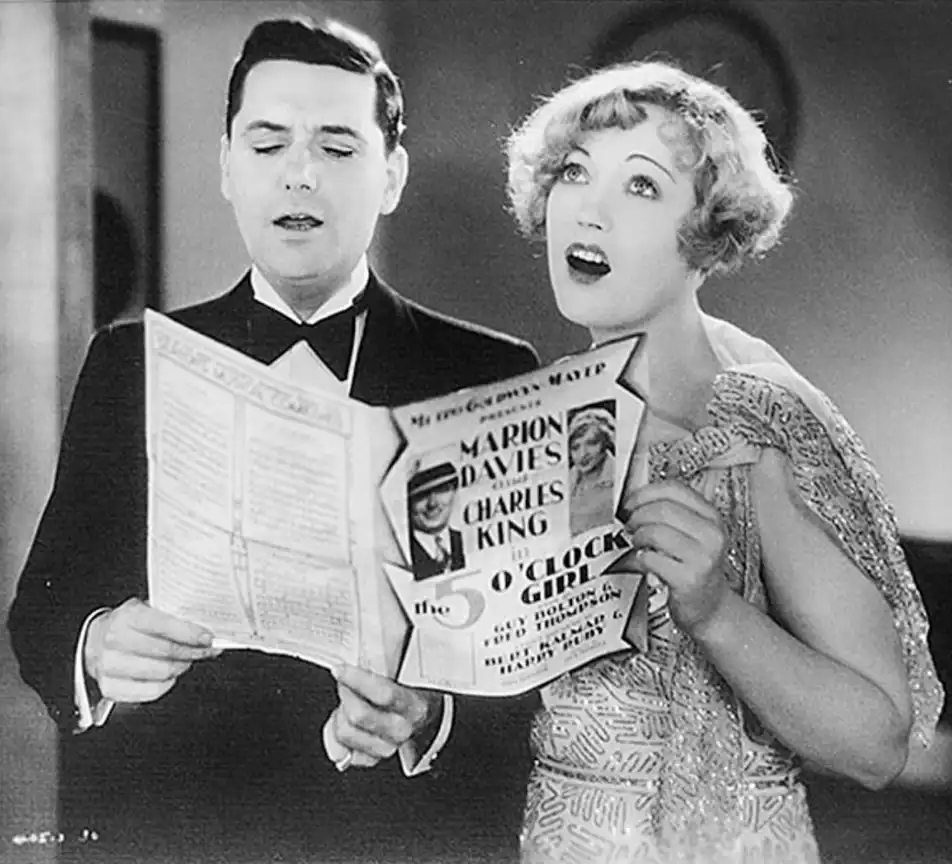
A definitive 7.9/10 rating for a film that redefined the boundaries of cult cinema. The Five O'Clock Girl remains a cornerstone of transgressive art.
If you are looking for the polished wit of 1930s screwball comedy, The Five O'Clock Girl will likely frustrate you. However, for those interested in the sheer charisma of Marion Davies or the clunky, fascinating birth of the 'talkie,' it is a necessary watch. It is primarily for fans of early musical theater and those who enjoy seeing a silent film star grapple with the microphone. Modern audiences used to snappy pacing will find the dead air between lines a bit grueling.
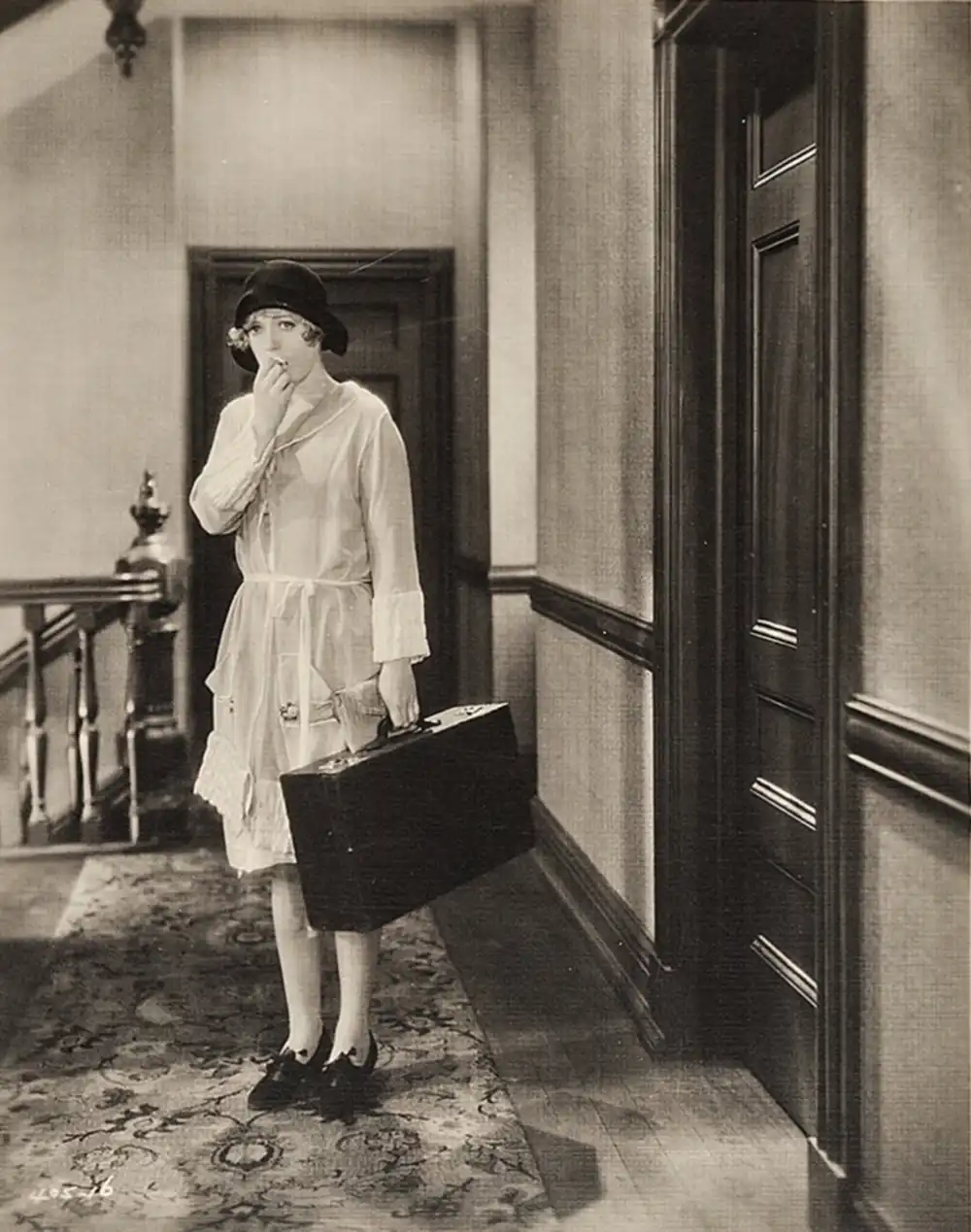
The heart of the film lies in the dry cleaning shop where Pat (Marion Davies) works. The most engaging sequences involve Pat trying on the various gowns and furs brought in by the local elite. There is a specific scene involving a heavy, sequined flapper dress where Davies spends several minutes doing an impersonation of a haughty socialite. You can see her silent film roots here; her face is incredibly expressive, and her physical comedy—mimicking the stiff walk of a wealthy client—is much more effective than the scripted jokes.
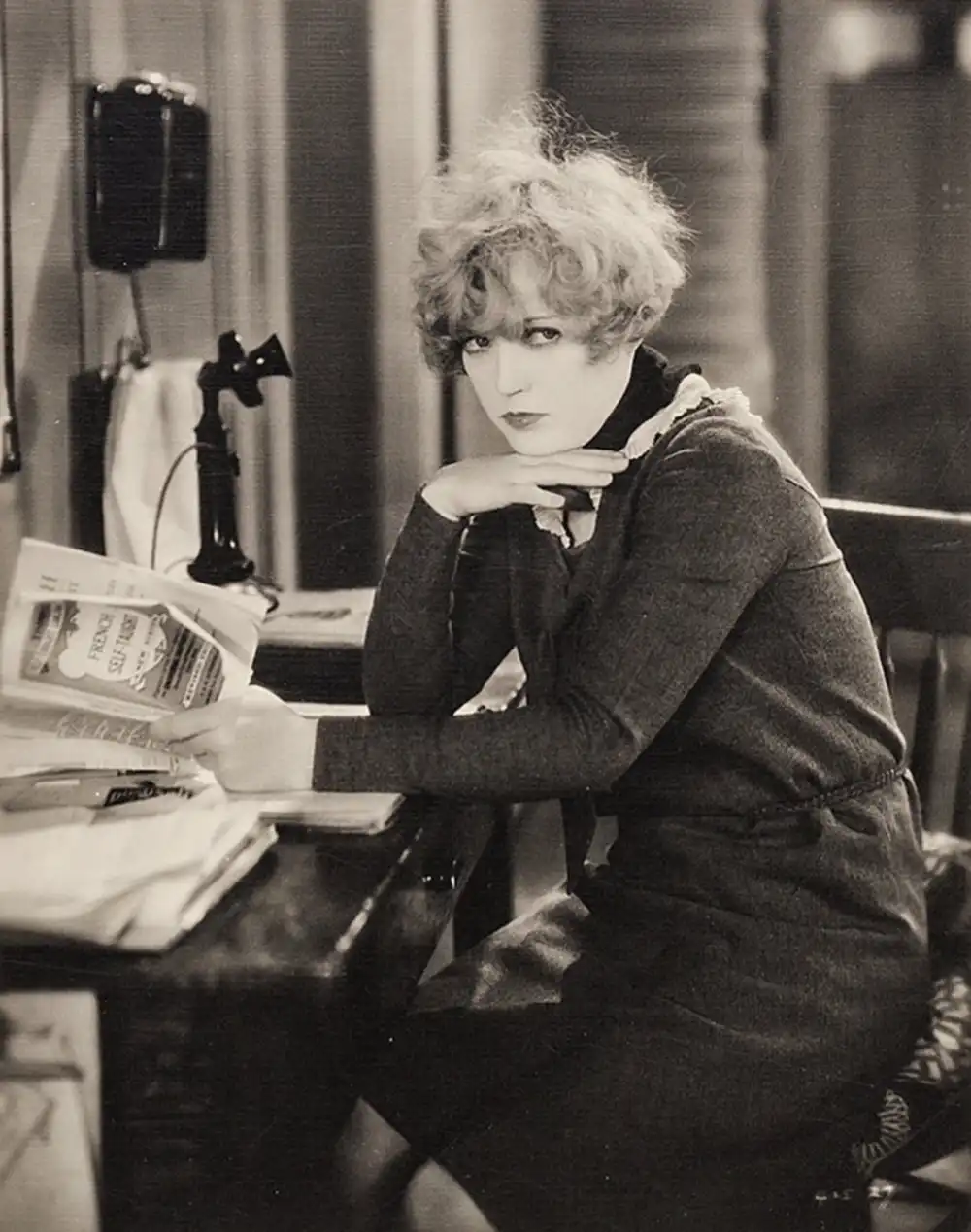
Davies has a natural lightness that survives the heavy-handed direction. While she was often pushed into prestige dramas by William Randolph Hearst, she was always best at this kind of working-class playfulness. Her Pat is cynical yet romantic, a combination that feels more modern than the film around her. However, there are moments where the camera lingers just a few seconds too long on her reaction shots, a common hiccup in 1929 as editors were still figuring out the rhythm of spoken dialogue.
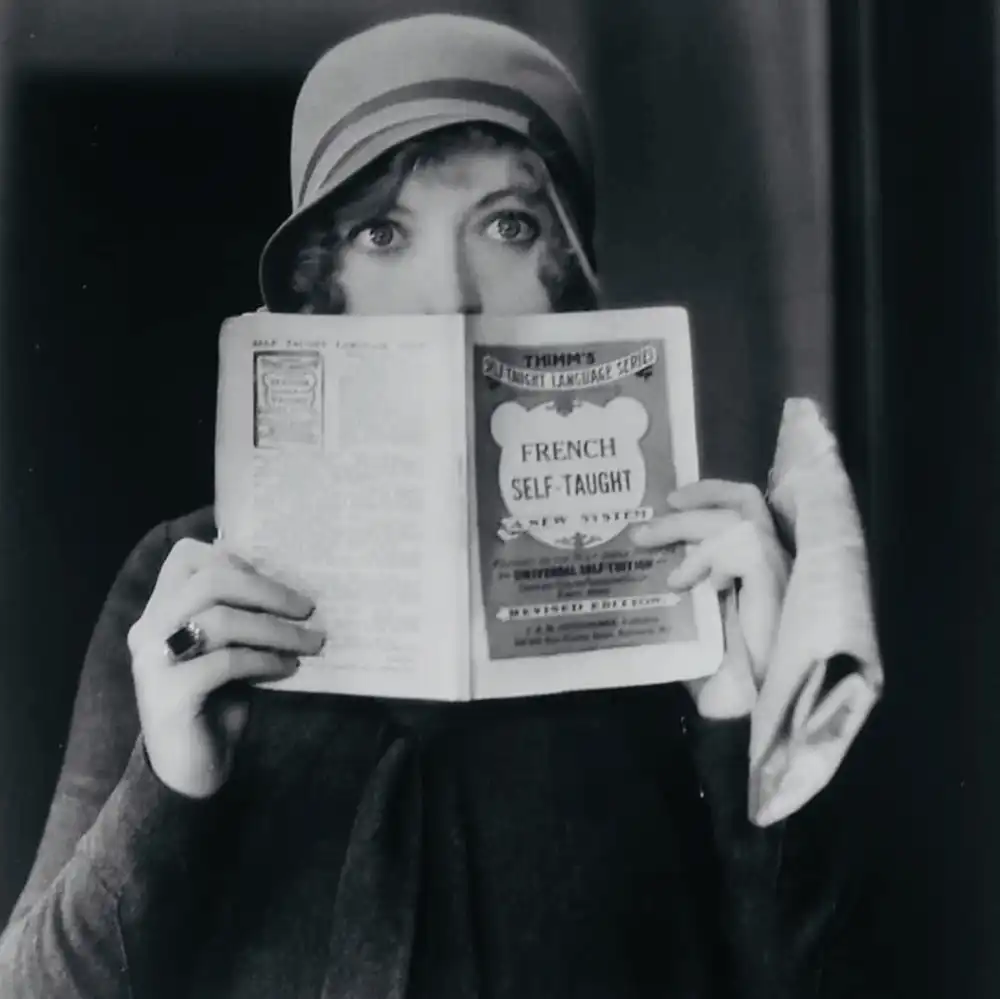
A very young Joel McCrea plays Gerry, the plumber. It is a bit jarring to see him here, years before he became the rugged icon of films like The Cowboy and the Lady. He is undeniably handsome but feels somewhat stiff, likely intimidated by the boom mics hanging just out of frame. His chemistry with Davies is sweet, if a bit chaste, and they suffer from the era’s tendency to have actors stand perfectly still while delivering lines to ensure the audio remained clear.
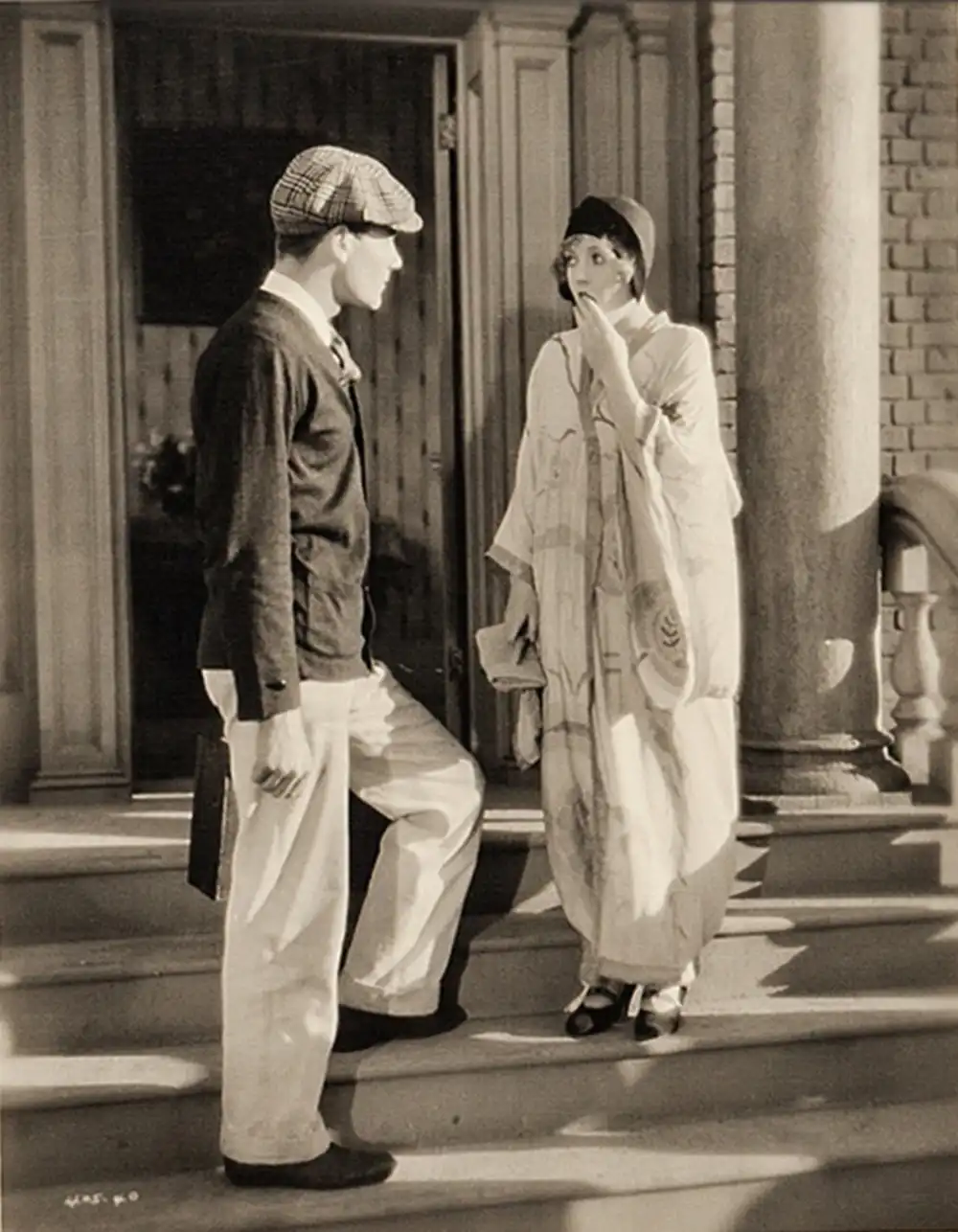
The supporting cast adds some much-needed texture. Polly Moran, a frequent collaborator of Davies, brings her usual chaotic energy. There is a brief scene in the back of the shop where Moran and Davies argue over a misplaced silk scarf that feels genuinely improvised and lively, providing a sharp contrast to the more formal, staged musical numbers. William Austin also turns in a reliable performance, though his brand of bumbling humor feels a bit dated compared to the more grounded work of the leads.
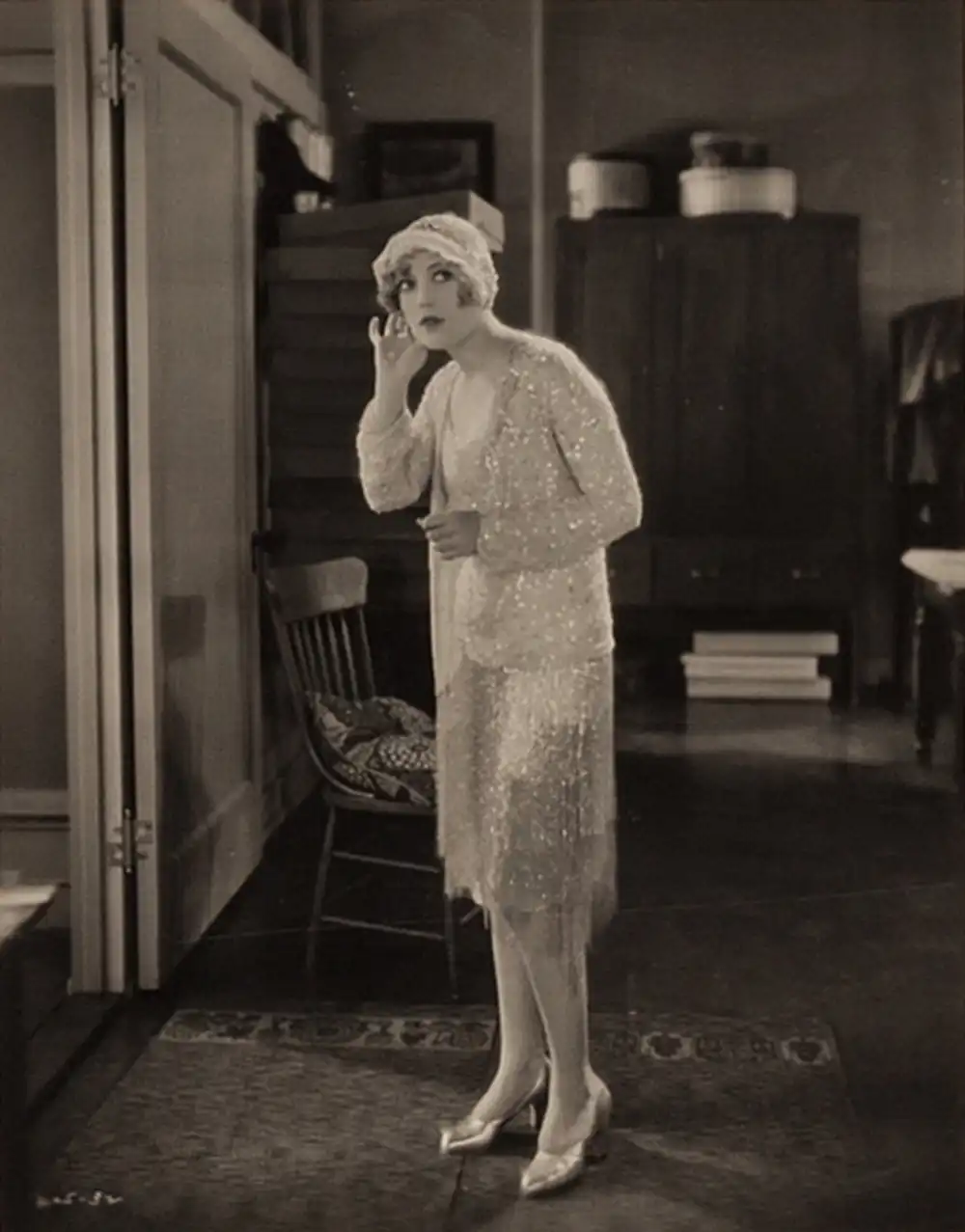
Visually, the film is a mixed bag. The interior of the cleaning shop is cluttered and realistic, with steam rising from the presses and rows of hanging garments creating a sense of depth. However, when the film moves to more 'glamorous' locations, the sets feel flat and stagey. The lighting in the shop scenes is surprisingly moody, using the natural shadows of the hanging clothes to hide the limitations of the early sound stages.
The sound quality itself is the film’s greatest hurdle. In 1929, the technology was still primitive. You can hear the 'hiss' of the recording equipment during the quieter moments, and the musical numbers lack the punch of later 1930s productions like Now We're in the Air. The songs are pleasant but unmemorable, serving more as bridges between the comedic setups than as showstoppers in their own right.
The Five O'Clock Girl is not a masterpiece, but it is a fascinating document of a star in transition. It works best when it stops trying to be a Broadway musical and starts being a Marion Davies comedy. The plot is thin, and the pacing is occasionally glacial, but the central performance is enough to carry it through its shorter runtime. It’s a film about the fantasy of being someone else, which is fitting for a production that was caught between the silent era and the age of sound.
IMDb —
1928
Community
Log in to comment.