DbcultAccessing Vault...
Cult Review
Senior Film Conservator
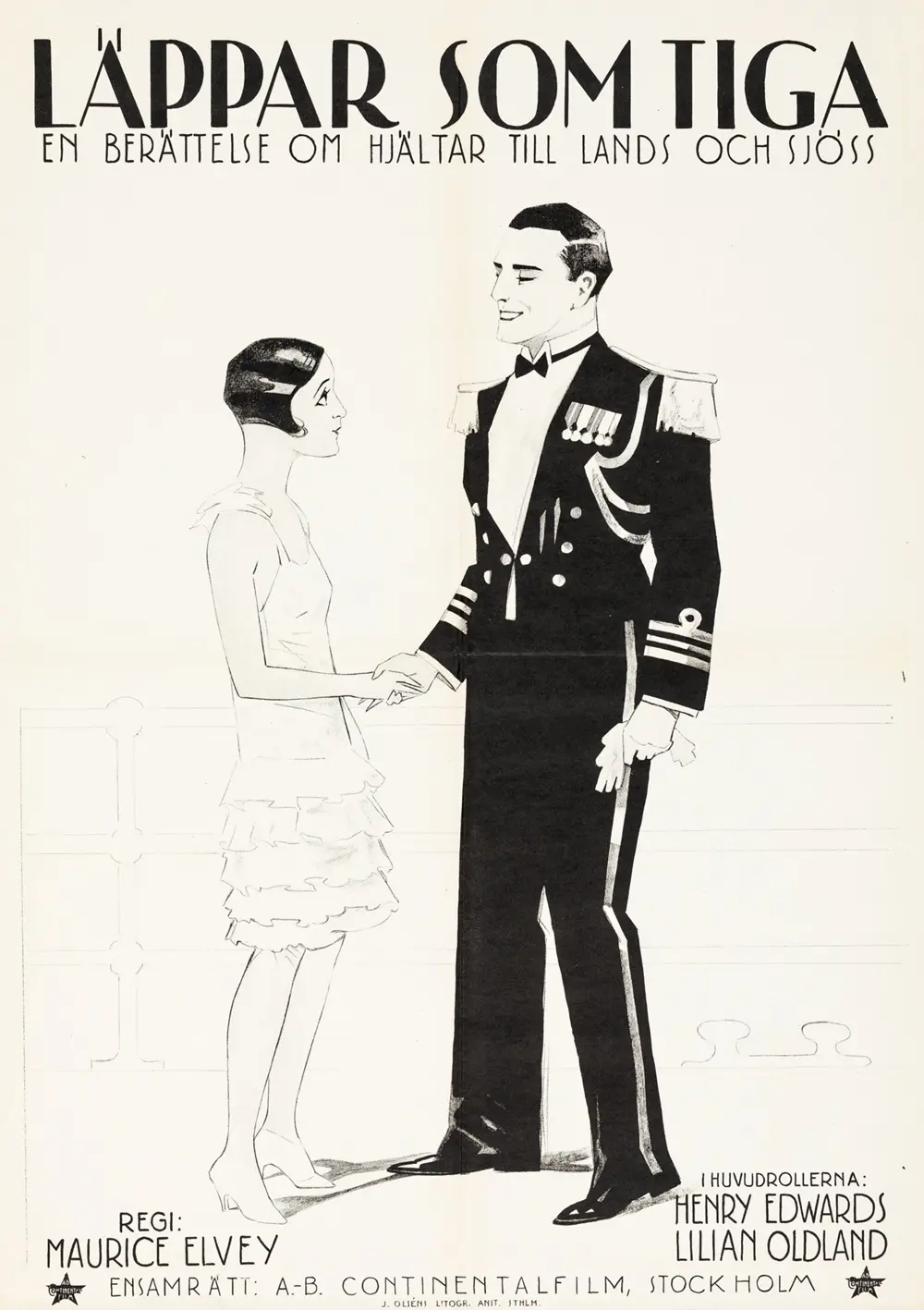
Is The Flag Lieutenant worth watching today? Short answer: yes, but with significant caveats that demand a particular kind of viewer. This film is an intriguing historical artifact for enthusiasts of early cinema and military dramas, yet it will likely test the patience of anyone accustomed to contemporary narrative rhythms or seeking overtly progressive storytelling.
For those willing to engage with its particular style, it offers a fascinating window into the dramatic conventions and moral quandaries of its time. However, if your preference leans towards fast-paced action or emotionally explicit narratives, you might find its silent solemnity a challenging proposition.
Let's get straight to the core questions that often plague silent film discussions. Does its narrative resonate? Are its performances compelling enough to bridge the decades? The answer is nuanced, much like the film itself.
It’s a film that requires patience and an understanding of its historical context, rewarding those who bring both to the viewing experience.
At its core, The Flag Lieutenant is a profound examination of reputation and the fragile nature of truth. The narrative unfurls around a crisis at a remote military outpost, where the very fabric of duty is tested. When the fort faces an overwhelming threat, a dedicated lieutenant, portrayed with earnest intensity by Frank Dane, steps into the breach.
His actions are decisive, heroic even, saving the beleaguered position from certain collapse. Yet, fate, in its cruelest twist, conspires against him. The major, his commanding officer, suffers a debilitating amnesia during the critical moments of the battle. Upon recovery, and with no memory of the lieutenant's pivotal role, the major inadvertently claims the glory.
This fundamental misunderstanding sets off a chain reaction, branding Dane’s character a coward in the eyes of his peers and the public. The film delves deep into his internal struggle, the silent agony of a man unjustly condemned, choosing duty and the preservation of his superior's honor over his own vindication. It’s a narrative rich with dramatic irony, exploring how easily heroism can be obscured and how damaging a false narrative can become.
In the silent era, acting was a delicate balance of exaggerated gesture and nuanced facial expression, a theatricality often lost on modern viewers. Frank Dane, as the titular Flag Lieutenant, embodies this challenge. His performance is a masterclass in conveying internal torment without a single spoken word, relying on a deeply expressive face and often deliberate, symbolic movements.
Consider the scene where the whispers of his supposed cowardice begin to circulate through the barracks. Dane doesn't just react; he physically retracts, his shoulders slumping, his gaze fixed on some unseen point of despair. It's a powerful, if somewhat melodramatic, depiction of a man carrying an unbearable secret.
While some might find this style dated, it forces the audience to become active interpreters, reading every flicker of emotion in Dane's eyes. His portrayal of stoicism under duress is particularly compelling, showcasing a quiet strength that transcends the era’s typical histrionics. He doesn't just act the part; he internalizes the character's profound sense of injustice, making his silence speak volumes.
The supporting cast, including Fewlass Llewellyn as the amnesiac major and Humberston Wright, provides a sturdy backdrop for Dane's central performance. Llewellyn, in particular, manages to convey the major's initial confusion and subsequent unwitting appropriation of glory with a subtle grace that avoids outright villainy, making the tragedy even more poignant.
Director Henry Edwards, alongside writers W.P. Drury and Patrick L. Mannock, crafts a visually driven narrative that, while constrained by the technology of the time, effectively communicates its complex emotional beats. The cinematography, credited to Leo Tover, utilizes stark contrasts and dramatic lighting to underscore the film's themes.
The depiction of the fort under siege, for example, is masterfully orchestrated. Wide shots emphasize the isolation and vulnerability of the position, while close-ups on the faces of the soldiers convey their terror and resolve. The use of shadows and light is particularly effective in scenes of internal conflict, with Dane often framed in chiaroscuro, symbolizing his moral dilemma.
The film’s visual language, though rooted in a different cinematic grammar, demands a particular kind of attention. It’s a testament to Edwards’ direction that even without dialogue, the stakes feel palpably high.
Intertitles, the narrative backbone of silent films, are deployed judiciously, providing essential plot points and character thoughts without overwhelming the visual flow. They guide the audience through the story’s twists, ensuring clarity while allowing the performances to carry the emotional weight.
Compared to more experimental silent films like Mania. Die Geschichte einer Zigarettenarbeiterin, The Flag Lieutenant adheres to a more traditional, almost theatrical, visual style. This isn't a flaw, but rather a characteristic that defines its era, focusing on clear storytelling and character emotion over avant-garde techniques.
The pacing of The Flag Lieutenant is, by modern standards, deliberate. Even slow. It’s a film that takes its time, allowing scenes to unfold with a measured rhythm that can feel alien to contemporary audiences used to rapid cuts and constant narrative propulsion. This is not a criticism, but an observation of its historical context.
The film’s tone is consistently earnest, leaning into the melodramatic without fully succumbing to caricature. The gravity of the lieutenant's situation is never trivialized, and the emotional stakes are always clear. There's a certain stoic patriotism woven throughout, reflecting the values often celebrated in military dramas of the 1920s.
One might argue that a slightly brisker pace could have heightened the tension, particularly during the fort's siege or the lieutenant's public disgrace. However, the extended scenes also allow for a deeper immersion into the characters' emotional states, a luxury rarely afforded in today's quicker narratives. It works. But it’s flawed.
The core themes of The Flag Lieutenant remain remarkably potent. It explores the often-unseen sacrifices made in the name of duty and the profound personal cost of upholding a greater good, even when it means one's own reputation is tarnished.
The lieutenant's decision to remain silent, allowing the amnesiac major to unwittingly claim his glory, is a truly debatable point. Is it noble self-sacrifice or a tragic refusal to defend one's honor? The film presents this dilemma without easy answers, forcing the audience to grapple with the complexities of military ethics and personal integrity.
This narrative choice, to foreground the internal struggle over external vindication, is what elevates the film beyond a simple tale of mistaken identity. It speaks to a deeper understanding of courage, one that encompasses enduring false accusation as much as facing down an enemy. This is a film about the quiet heroism of bearing an unjust burden.
Absolutely, for the right audience. The Flag Lieutenant is a significant piece of silent cinema history. It offers a window into early filmmaking techniques and dramatic conventions. The themes of honor, duty, and false accusation are timeless. Frank Dane's performance is compelling for its era. It's an excellent choice for film scholars. Military history buffs will find its premise engaging. However, if you prefer modern pacing, dialogue, or overt action, this film might not be for you. It demands patience and an appreciation for its unique artistic context.
The Flag Lieutenant stands as a compelling, if demanding, piece of cinematic history. It’s a film that asks for your patience but rewards it with a poignant narrative about the burdens of duty and the quiet dignity of a man wrongly accused. While its silent-era conventions, particularly its pacing and acting style, might prove a barrier for some, its thematic depth and Frank Dane’s dedicated performance ensure its enduring relevance.
This isn't just a film; it's an artifact, a testament to a bygone era of storytelling that, despite its limitations, manages to stir profound emotions. For those with an appreciation for the medium's origins and a taste for thoughtful drama, The Flag Lieutenant is unequivocally worth seeking out. It’s a powerful reminder that heroism comes in many forms, often silent and unacknowledged.
IMDb —
1917
Community
Log in to comment.