DbcultAccessing Vault...
6/10
Senior Film Conservator
A definitive 6/10 rating for a film that redefined the boundaries of cult cinema. Smoked Out remains a cornerstone of transgressive art.
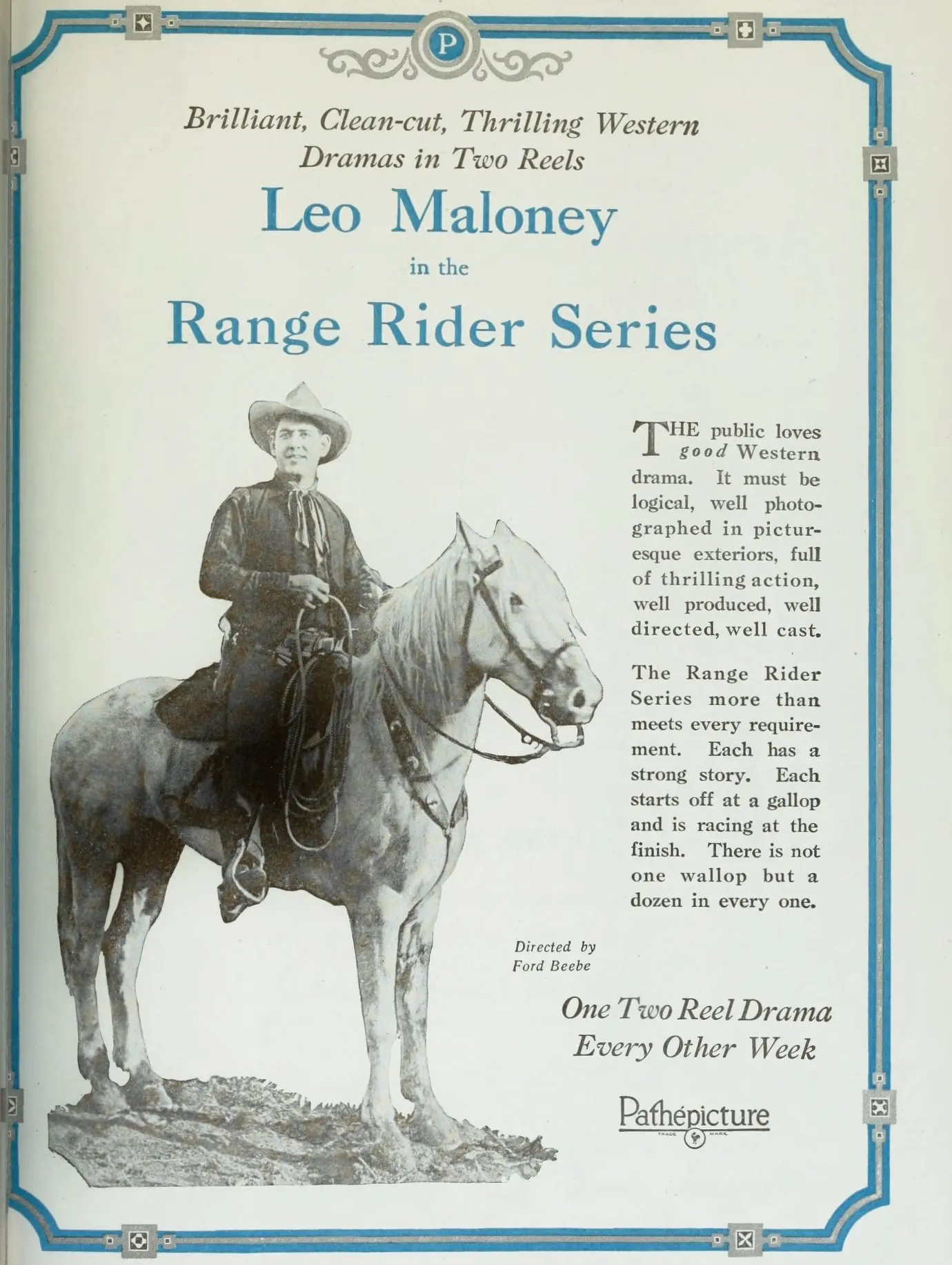
The silent era of the American Western is frequently dismissed as a monochromatic parade of white hats and black hats, yet Smoked Out (1923) emerges as a startlingly sophisticated subversion of these tropes. Directed and written by the formidable duo of Ford Beebe and Leo D. Maloney, this film navigates the murky waters of identity and moral obligation with a dexterity that rivals the psychological depth found in The Labyrinth. The plot, while ostensibly a tale of frontier imposture, functions more accurately as a meditation on the transformative power of the 'white lie' and the heavy toll of assumed responsibility.
Walt Rogers, portrayed with a stoic vulnerability by Tom Grimes, is not your typical swashbuckling hero. He is a man of the soil, a drifter whose moral compass is recalibrated by a singular act of mercy. When he discovers the broken body of a returning son, the film shifts from a survivalist narrative into a complex domestic drama. The cinematography, though restricted by the technological limitations of 1923, utilizes the vast, empty spaces of the ranch to mirror the internal isolation Rogers feels as he steps into another man's boots. This sense of displacement is reminiscent of the thematic core in Her Hour, where the protagonist is similarly untethered from their own reality.
The emotional gravity of the film is anchored by Minna Redman, whose portrayal of the dying mother is nothing short of haunting. In the silent medium, the face is the primary landscape of storytelling, and Redman’s expressions convey a yearning so profound that Rogers’ deception feels less like a crime and more like a sacrament. The film poses a harrowing question: is the truth worth more than a peaceful death? This moral ambiguity echoes the narrative tensions found in Mother, I Need You, another work that explores the sacrificial nature of the parent-child bond, albeit through a different cultural lens.
As Rogers settles into the rhythms of the ranch, we see a gradual metamorphosis. He is no longer just playing a role; he is being 'smoked out' of his own identity, forced to adopt the virtues and burdens of the man he replaced. The presence of Pauline Curley provides a romantic counterpoint, yet her character is more than a mere love interest; she represents the burgeoning community and the potential for a future built on a foundation of sand. The tension is palpable, a slow-burning fuse that Beebe and Maloney expertly manage throughout the second act.
The arrival of the robber—the true architect of the chaos—introduces a visceral threat that shifts the film back into the realm of the traditional Western thriller. Bud Osborne delivers a performance of chilling pragmatism. He doesn't just want the money; he wants the legitimacy that the stolen papers provide. This creates a fascinating structural irony: the 'good' man is a liar, and the 'bad' man holds the legal truth. This subversion of legalism versus morality is a recurring motif in Maloney’s work, often seen in the gritty realism of The Vengeance Trail.
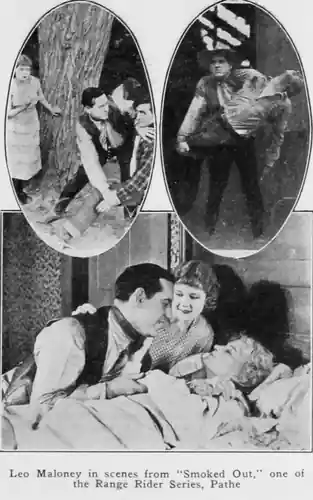
The robber’s attempt to claim the ranch using the stolen documents serves as a critique of the burgeoning bureaucracy of the West. In a world where a piece of paper can overwrite a lifetime of absence, the physical presence of Rogers becomes a radical act of resistance. The confrontation is not merely a shootout but a battle for the soul of the ranch. The suspense generated here is comparable to the atmospheric dread of The Face at the Window, where the unknown intruder represents a total collapse of domestic safety.
Ford Beebe’s direction in Smoked Out exhibits an early understanding of the 'action-reaction' shot progression that would later define the genre. The pacing is deliberate, allowing the audience to marinate in the awkwardness of Rogers’ interactions with the ranch hands, including the always-reliable Harry Belmour and Ray Myers. There is a specific scene involving a shared meal that is framed with such geometric precision that it highlights the fractured nature of the family unit, a technique that feels remarkably modern.
In terms of comparison, the film lacks the whimsical lightness of Dandy navigateur, opting instead for a heavy, earthy texture. The dusty roads and weathered structures of the ranch are not just settings; they are characters that demand a certain toll from the inhabitants. This grounded aesthetic aligns the film more closely with the European sensibilities of Der Wilderer, where the landscape is an indifferent witness to human folly. The use of natural light, particularly in the outdoor sequences, creates a stark chiaroscuro effect that underscores the binary conflict between Rogers’ secret and the robber’s greed.
Beyond the personal drama, Smoked Out touches upon the economic anxieties of the post-frontier era. The ranch is a symbol of stability in a world of flux. The robber’s attempt to seize it through fraud reflects a broader societal fear of the 'outsider'—the nomadic predator who exploits the vulnerabilities of the settled. This theme of rural exploitation is explored with similar intensity in Clay Dollars, where the value of land and the integrity of the man who works it are under constant siege.
The film also briefly touches upon the concept of social lethargy, or L'accidia, in the way the community initially accepts the new 'son' without rigorous questioning. There is a collective desire to believe the lie because the truth is too painful to bear. This collective delusion is what allows Rogers to survive as long as he does, highlighting a fascinating aspect of human psychology that Beebe and Maloney exploit for maximum dramatic effect.
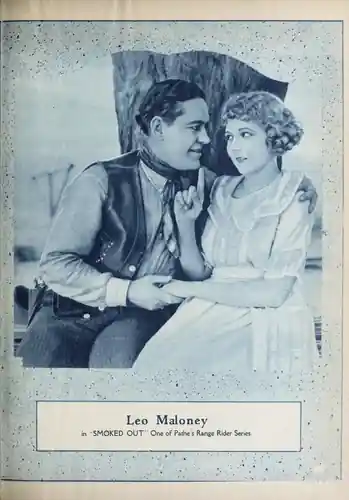
The final act of the film is a masterclass in silent tension. As the robber closes in, the 'smoke' of the title becomes literal and metaphorical. Rogers is forced to shed his disguise and face the consequences of his actions. The resolution is not a simple return to the status quo but a complex synthesis of his two identities. He has been forged in the fire of this deception, emerging as a man who has earned the right to the land, if not by blood, then by sweat and sacrifice. This resolution of a mystery through physical trial is a staple of the era, much like the narrative puzzles found in The Mystery of No. 47 or the convoluted path of Crossed Clues.
The performances of Pat Rooney and Leo D. Maloney himself provide the necessary supporting weight to make the world feel lived-in. Maloney, in particular, demonstrates why he was such a pivotal figure in the early Western, bringing a rugged authenticity that many of his contemporaries lacked. His influence on the genre cannot be overstated, and Smoked Out stands as a testament to his vision of a more nuanced, morally complex frontier.
Released during a period of transition for the film industry, Smoked Out anticipates the more mature Westerns of the 1940s and 50s. It lacks the overt melodrama of 'A Santanotte, focusing instead on a lean, muscular narrative that prioritizes character over spectacle. While it may not have the sophisticated romantic banter of The Love Expert, it possesses a raw honesty that remains compelling a century later.
The film also serves as a precursor to discussions about the 'right to love' and the 'right to belong,' themes that would be more explicitly explored in The Right to Love. In Smoked Out, these rights are not given; they are fought for in the dirt. The ending, while satisfying, leaves a lingering sense of melancholy. Rogers has saved the ranch, but at the cost of his own anonymity. He is a man who found himself by losing himself in another's life.
In the final analysis, Smoked Out is a vital piece of cinematic history. It showcases the burgeoning talents of Ford Beebe and the reliable charisma of Leo D. Maloney. For those who enjoy the maritime escapism of His Beach of Promise, this film offers a much grittier, more terrestrial alternative. It is a story of shadows and light, of the lies we tell to protect those we love, and the inevitable moment when the smoke clears and we must stand as we truly are.
This film is a must-watch for aficionados of the silent Western. Its exploration of identity theft and moral duty is surprisingly contemporary. The chemistry between Tom Grimes and Pauline Curley provides a much-needed emotional core, while Bud Osborne’s villainy keeps the stakes high. If you are looking for a film that combines action with genuine pathos, Smoked Out is a quintessential example of the genre's early potential.
IMDb —
1932
Community
Log in to comment.