DbcultAccessing Vault...
5.6/10
Senior Film Conservator
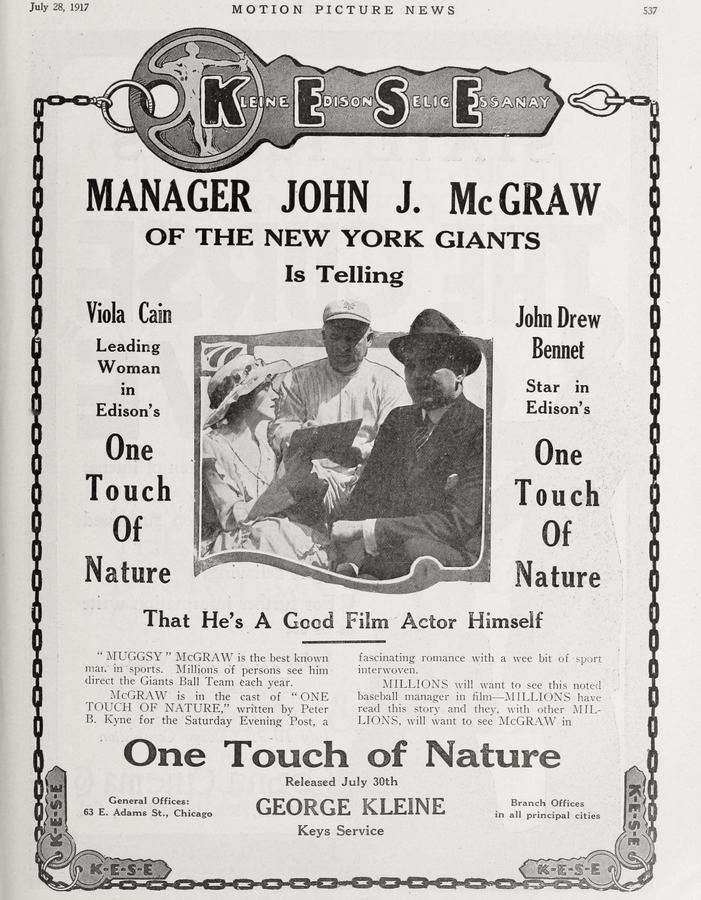
A definitive 5.6/10 rating for a film that redefined the boundaries of cult cinema. One Touch of Nature remains a cornerstone of transgressive art.
The cinematic landscape of the early 20th century often grappled with the friction between traditionalist values and the burgeoning celebrity culture of professional sports. In One Touch of Nature, this conflict is not merely a subplot but the very marrow of the film's existence. As we observe the protagonist, a rookie pitcher for the New York Giants, we are witnessing more than just a struggle for a pennant; we are observing the disintegration of the American patriarchal unit. Unlike the more overt moralizing found in Hypocrisy, this film opts for a nuanced exploration of how personal resentment can paralyze professional excellence. The pitcher’s delivery, once a fluid motion of kinetic perfection, becomes a stuttering mess of nerves, reflecting a mind haunted by the specter of an unforgiving father.
The casting of John Drew Bennett provides a sturdy anchor for this melodrama. Bennett possesses a physicality that suggests both the strength required for the Major Leagues and a peculiar fragility in his gaze. When he stands atop the mound, the camera captures the isolation of the athlete—a theme later echoed in films like The King's Game, though here the stakes are rooted in the dirt of the ballpark rather than the marble of a palace. His performance captures the quintessential 'rookie' anxiety, where every strikeout is a temporary reprieve and every hit allowed is a confirmation of his father’s low expectations.
Edward Lawrence, portraying the father, embodies a stern, unyielding archetype that feels almost Shakespearean in its rigidity. His disapproval of the New York Giants—a team that represented the pinnacle of urban success—serves as a fascinating historical marker. To the elder generation, baseball was a frivolous distraction, a sentiment we see explored through different social lenses in The High Hand. Lawrence’s character doesn't just hate the game; he hates the autonomy it grants his son. This is a man who views his progeny as an extension of his own will, and any deviation—be it a career in sports or a marriage to a woman he deems unsuitable—is treated as an act of high treason.
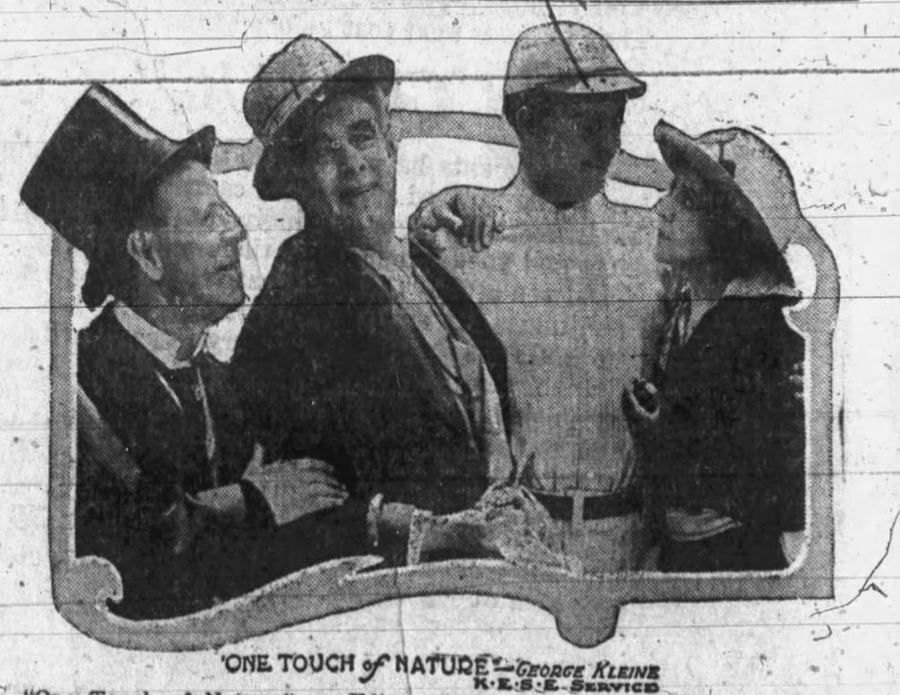
The marriage subplot, featuring Viola Cain and Helen Strickland, introduces a layer of domestic tension that elevates the film beyond a simple sports flick. The woman the rookie marries is not merely a love interest; she is the catalyst for his final break from the ancestral home. In many ways, her presence in the film mirrors the disruptive feminine energy found in The Salamander, though here she is a source of support rather than social predation. The chemistry between the leads is palpable, providing a soft counterpoint to the jagged interactions between father and son. When the father disowns him, the silence of the film era actually enhances the emotional weight; we don't need to hear the shouts to feel the crushing finality of the door slamming shut.
Writer Peter B. Kyne, known for his ability to weave complex moral dilemmas into accessible narratives, excels here by grounding the high-flown drama in the gritty reality of the New York Giants. The Giants were more than a team; they were a symbol of New York's pugnacious spirit. By placing a troubled rookie in this environment, Kyne highlights the irony of a man who is a hero to thousands but a failure to the one person whose opinion he craves. This duality is a recurring motif in Kyne's work, often exploring the price of success in a way that reminds one of the social critiques in Within Our Gates, albeit focusing on class and family rather than racial politics.
The film’s pacing is deliberate, allowing the psychological rot to set in before offering any hope of redemption. We see the rookie's game decline in real-time—the missed catches, the wild pitches, the loss of velocity. It is a visual representation of a soul in retreat. The comparison to The Lash is inevitable, as both films deal with the psychological scars inflicted by those in power, though One Touch of Nature finds its 'lash' in the form of cold, silent rejection rather than physical violence. The cinematic language used to describe the baseball sequences is surprisingly sophisticated for the time, using wide shots to emphasize the pitcher's loneliness against the vastness of the stadium.
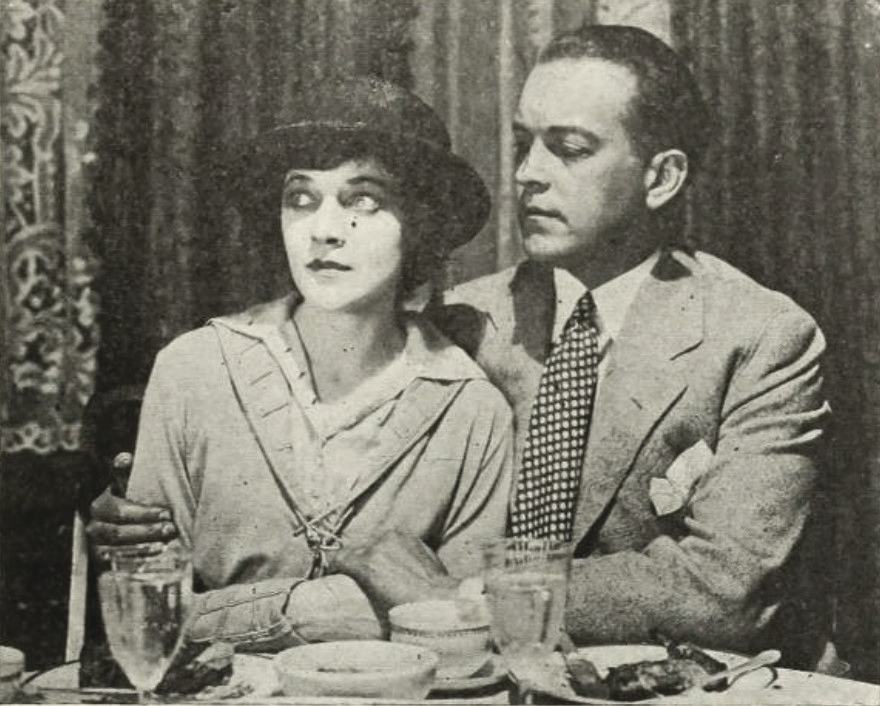
Visually, the film utilizes light and shadow to delineate the two worlds the protagonist inhabits. The ballpark is often flooded with a harsh, exposing light, while the father’s study is a cavern of darkness and heavy drapery. This visual dichotomy reinforces the theme of 'nature'—the natural talent of the son versus the stifling 'nurture' of the father. The title itself, One Touch of Nature, suggests a return to something primal, an escape from the artificial constraints of social standing and paternal whim. It reminds me of the atmospheric tension in The Secret Sin, where the environment serves as a mirror to the character's internal decay.
As the narrative progresses toward its climax, the tension between the personal and the professional reaches a fever pitch. Can a man truly perform when his foundation is crumbling? The film suggests that the 'touch of nature'—perhaps a moment of pure, unadulterated connection or a return to one’s true self—is the only antidote to the poison of resentment. This thematic resolution is handled with more grace than the somewhat melodramatic endings of The Mating or Pamela Congreve. It feels earned, a hard-won victory in a life that has been defined by the struggle for approval.
In the broader context of sports cinema, One Touch of Nature stands as a precursor to the modern 'prestige' sports drama. It understands that the game is never just a game; it is a stage where we play out our deepest traumas. The inclusion of John Henry and Edward O'Connor in supporting roles adds a layer of authenticity to the Giants' dugout, creating a sense of camaraderie that contrasts sharply with the coldness of the protagonist’s home life. This ensemble dynamic is reminiscent of the intricate character webs in Under Cover, where every minor player contributes to the overall tension.
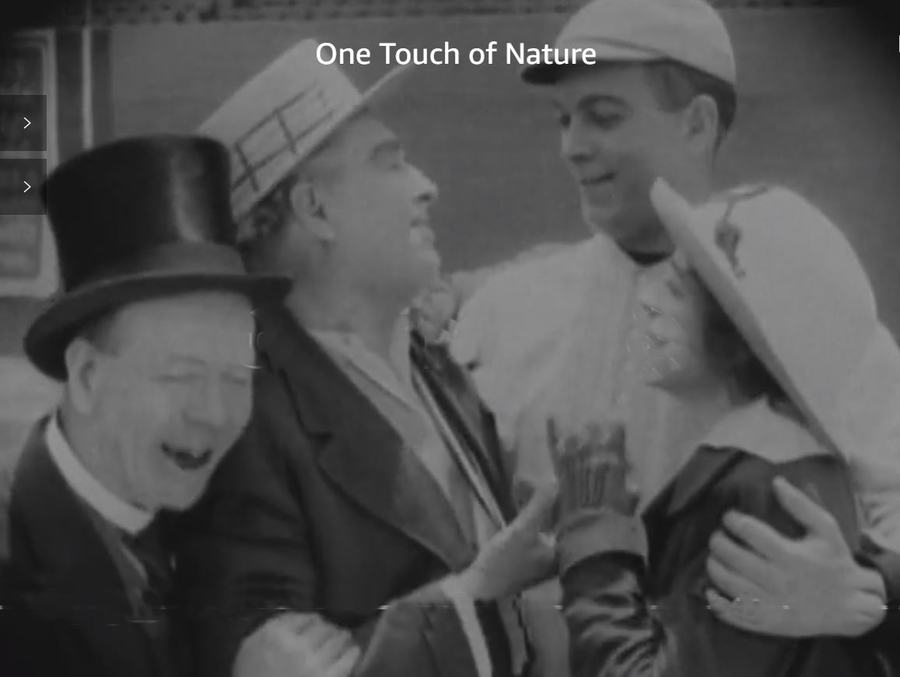
Furthermore, the film’s exploration of the 'woman in the middle'—the wife who must balance her husband’s career with the weight of his family’s hatred—is surprisingly modern. She is not a passive observer but an active participant in his survival. This portrayal avoids the clichés often found in The Princess of India, where female characters are often relegated to exoticized plot devices. Here, she is the emotional glue holding the rookie together when the New York Giants' management begins to lose faith.
Ultimately, One Touch of Nature is a triumph of silent-era storytelling that refuses to settle for easy answers. It acknowledges that some wounds, particularly those inflicted by a parent, may never fully heal, even in the glow of a championship win. The film's ability to balance the high-octane energy of professional baseball with the quiet, suffocating atmosphere of a broken home is a testament to the direction and Kyne’s script. It lacks the escapist fantasy of The Purple Mask or the sprawling adventure of The Sunny South or The Whirlwind of Fate, but what it loses in spectacle, it gains in psychological depth.
For the modern viewer, the film serves as a poignant reminder of the early 20th-century struggle to define manhood. Is a man defined by his adherence to his father’s path, or by his ability to forge his own, even if that path leads to the dirt of a baseball diamond? Like the characters in The End of the Rainbow, our protagonist is searching for a pot of gold that isn't material, but emotional. One Touch of Nature is a somber, beautiful, and ultimately redemptive piece of cinema that deserves a place in the pantheon of great American dramas. It captures a fleeting moment in time when the Giants were kings, and a single pitch could mean the difference between salvation and obscurity. This is not just a film about baseball; it is a film about the terrifying, beautiful necessity of becoming one's own man.
The technical aspects, from the crisp editing of the game sequences to the emotive close-ups, demonstrate a medium coming into its own. While it may not have the budget of Money Madness, it possesses a soul that many of its contemporaries lacked. It is a work of quiet intensity, a slow-burn drama that culminates in a finale that is as much about the silence between a father and son as it is about the roar of the crowd. In the end, the 'touch of nature' is the realization that we are all, regardless of our status or skill, bound by the same fundamental need for acceptance and the same inevitable drive to surpass those who came before us.
IMDb 7
1931
Community
Log in to comment.