DbcultAccessing Vault...
4.6/10
Senior Film Conservator
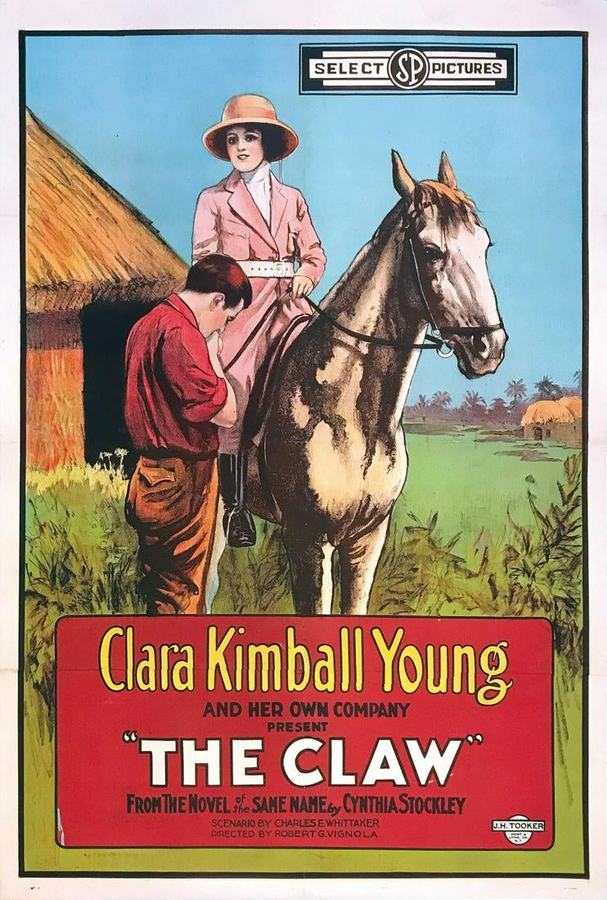
A definitive 4.6/10 rating for a film that redefined the boundaries of cult cinema. The Claw remains a cornerstone of transgressive art.
In the annals of early cinema, where grand narratives often wrestled with nascent storytelling techniques, films like 1918's 'The Claw' stand as fascinating artifacts. This silent drama, adapted from Cynthia Stockley's novel by Charles E. Whittaker, plunges viewers into the tumultuous landscape of the South African veld, a setting that is as much a character as the protagonists themselves. It’s a tale steeped in the melodrama of its era, yet one that grapples with timeless themes of love, betrayal, honor, and the agonizing path to redemption. For those accustomed to the rapid-fire editing and psychological nuance of modern cinema, diving into 'The Claw' offers a unique opportunity to witness the raw power of visual storytelling, where every gesture, every lingering gaze, carries the weight of unspoken emotion.
The film introduces us to Mary Saurin, portrayed with a captivating blend of vulnerability and resolve by Marcia Manon, as she arrives in the British colonial outpost to visit her brother, Richard. Her arrival immediately sets a romantic entanglement in motion, as she quickly falls for the distinguished Major Anthony Kinsella, played with a stoic gravitas by Jack Holt. Their engagement signifies a promise of stability and happiness against the backdrop of an untamed land – a promise that is, predictably for such a drama, destined to be violently interrupted. The narrative's pivot point arrives with a brutal native revolt, a plot device common in films of this period to inject high-stakes conflict and test the mettle of its European characters. Kinsella's troops are mercilessly cut down, and he himself is captured, presumed dead.
It is here that the film introduces its most morally complex character: Maurice Stair, brought to life by Milton Sills. Stair, a figure whose initial portrayal hints at a darker undercurrent, returns from the battle with a chilling fabrication: Kinsella’s supposed dying wish that Mary marry him, Maurice. This act of profound deception, born of cowardice and opportunism, forms the agonizing core of the drama. Mary, grief-stricken and bound by what she believes to be her beloved’s final request, acquiesces to this manipulated union. The audience, privy to Maurice’s lie, is left to witness Mary’s unwitting descent into a marriage built on a foundation of sand, anticipating the inevitable collapse of this fragile construct.
The subsequent discovery that Kinsella is, in fact, alive, and the brutal truth of Maurice’s flight from battle, shatters Mary’s world. Her predicament is agonizing: trapped in a marriage born of deceit, her heart still belonging to the man she believed lost. Maurice, confronted by the devastating consequences of his actions and the crushing weight of his own cowardice, embarks on a desperate path to redemption. His eventual, self-sacrificing rescue of Kinsella, though fatal to himself, is a poignant act that absolves him in death and, crucially, liberates Mary to pursue her destiny with Kinsella. This arc of betrayal, remorse, and ultimate sacrifice is what elevates 'The Claw' beyond simple melodrama, hinting at a deeper exploration of human fallibility and the possibility of atonement.
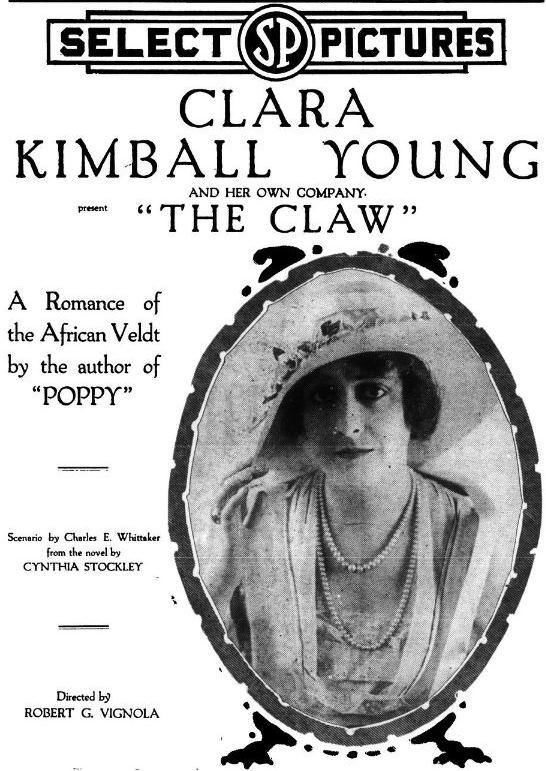
At its heart, 'The Claw' is a meditation on honor—both its presence and its devastating absence. Kinsella embodies the steadfast, duty-bound colonial officer, a figure of heroic virtue. Maurice, conversely, represents the insidious pull of self-preservation, a character whose moral compass is severely compromised by fear. His journey from craven liar to tragic hero is the film's most compelling element. It's a testament to the script by Cynthia Stockley and Charles E. Whittaker that Maurice isn't simply a villain but a deeply flawed individual whose conscience eventually compels him towards a fatal act of courage. This complexity, even within the confines of silent film acting, allows Sills to deliver a performance that transcends caricature.
Mary’s agency, though constrained by the societal norms of the period and the manipulative actions of others, is also a crucial thread. Her initial acceptance of Maurice's proposal, driven by a profound sense of loyalty to Kinsella's supposed dying wish, speaks to a deeply ingrained sense of duty. Her subsequent realization of the deceit unleashes a torrent of emotional turmoil, making her ultimate freedom hard-won and profoundly meaningful. The film subtly critiques the vulnerability of individuals to manipulation, particularly when cloaked in the guise of honorable intentions.
In silent cinema, the burden of conveying emotion rests almost entirely on physical expression and facial nuance. Milton Sills, as Maurice Stair, delivers a standout performance. His trajectory from deceptive opportunist to remorseful savior is etched across his features and conveyed through his body language with remarkable clarity. One can almost feel the internal struggle, the gnawing guilt that eventually drives him to his heroic, albeit fatal, act. Sills manages to imbue Maurice with a humanity that makes his ultimate sacrifice resonant, rather than merely convenient for the plot. It is a performance that demands attention, showcasing the power of an actor to communicate complex inner states without a single spoken word.
Marcia Manon, as Mary Saurin, navigates a challenging emotional landscape. Her portrayal of grief, confusion, and eventual disillusionment is compelling, anchoring the film's emotional core. She convincingly conveys the impossible bind her character finds herself in, making her eventual liberation feel like a deserved triumph. Jack Holt's Kinsella, while perhaps less outwardly expressive than Sills, provides a solid foundation of integrity and strength, making his survival and eventual reunion with Mary all the more satisfying. The supporting cast, including Mary Mersch, Clara Kimball Young, Henry Woodward, and Edward Kimball, contribute to the tapestry of the colonial setting, each adding a layer of authenticity to the dramatic proceedings.
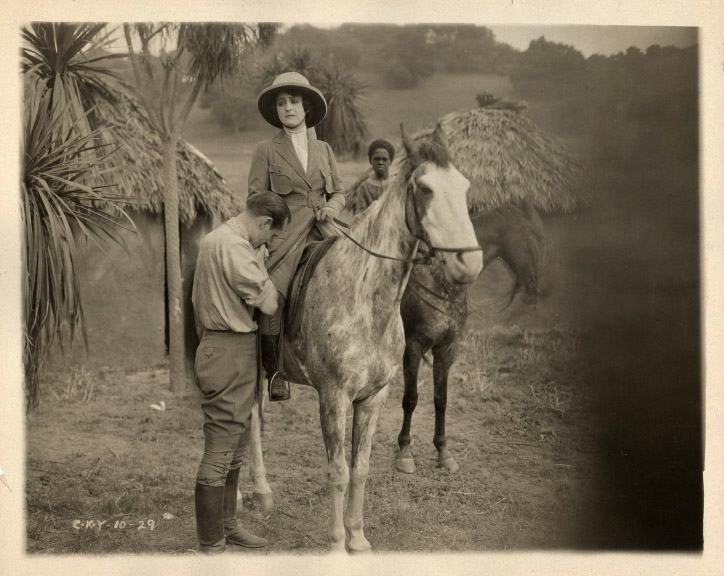
The depiction of the South African veld and the native revolt, while characteristic of its time, warrants a contemporary lens. Early 20th-century cinema often portrayed non-European cultures through a highly problematic, colonialist perspective, and 'The Claw' is no exception. The 'natives' are largely depicted as an undifferentiated, threatening force, serving primarily as a catalyst for the European characters' drama. A modern viewing necessitates an awareness of these historical biases and a critical understanding of how such narratives reinforced prevailing imperialistic ideologies. While this aspect of the film is a product of its era, it is important to acknowledge it when assessing the film's broader cultural impact.
In terms of its dramatic intensity and focus on wartime personal struggles, 'The Claw' shares some thematic DNA with other films of its period. One might draw a parallel to the raw, visceral experience of conflict seen in films like Over the Top, though 'The Claw' quickly shifts its focus from the battlefield itself to the psychological and moral aftermath of conflict. The narrative's reliance on a dramatic deception and a subsequent journey towards moral reckoning could also find echoes in the intense melodramas of the era, where character flaws and societal pressures often drove convoluted plots. The intricate web of lies and personal sacrifice recalls the heightened stakes often found in stories where individuals are tested to their moral limits, a common trope in both literature and film of the period.
Despite its age and the inherent limitations of silent film, 'The Claw' manages to deliver a compelling narrative. The power of its visual storytelling, the carefully orchestrated expressions, and the dramatic intertitles work in concert to draw the audience into its world. It serves as a powerful reminder that compelling cinema does not require dialogue to convey profound emotion or complex moral dilemmas. The film's ability to maintain suspense, evoke empathy, and ultimately deliver a satisfying, albeit tragic, resolution speaks to the foundational strengths of cinematic narrative. It’s a masterclass in how to build tension and character through purely visual means, a skill that modern filmmakers could still learn from.
Ultimately, 'The Claw' is more than just a historical curiosity; it is a robust silent melodrama that, while firmly rooted in its era's sensibilities, still resonates with universal themes. The performances, particularly Sills' nuanced portrayal of Maurice Stair, elevate the material beyond mere spectacle. It’s a film that asks us to consider the true cost of deceit, the weight of guilt, and the extraordinary lengths to which a person might go to reclaim their honor. For cinephiles and students of film history, 'The Claw' offers a valuable window into the early development of cinematic narrative and character-driven drama. It's a testament to the enduring power of a well-told story, even one delivered in the grand, expressive silence of a bygone era. Rediscovering films like 'The Claw' allows us to appreciate the foundational artistry that paved the way for the complex narratives we consume today, reminding us that the core elements of human drama remain eternally captivating, regardless of the technological advancements that shape their presentation.
IMDb 5.4
1928
Community
Log in to comment.