DbcultAccessing Vault...
Cult Review
Senior Film Conservator
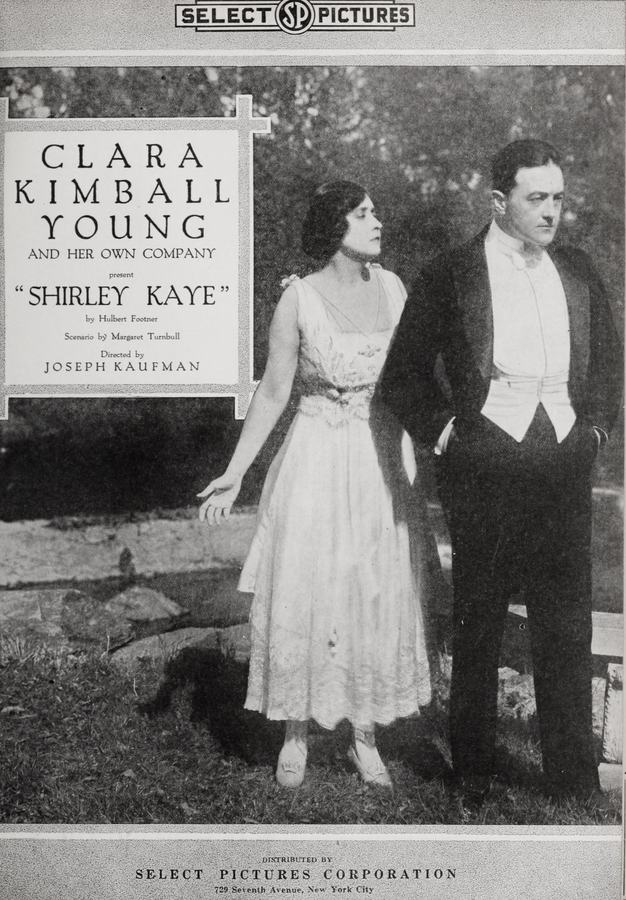
In the cinematic landscape of 1917, few features managed to encapsulate the friction between inherited prestige and the burgeoning meritocracy of the American West as poignantly as Shirley Kaye. This is not merely a chronicle of corporate maneuvering; it is a sophisticated character study that positions the female protagonist at the very nexus of industrial warfare and social diplomacy. While contemporary audiences might glance at the premise and anticipate a standard Victorian melodrama, the film subverts these expectations through the luminescent performance of Clara Kimball Young. As Shirley, she portrays a woman who recognizes that her social capital is a currency every bit as volatile and powerful as the stocks traded on Wall Street.
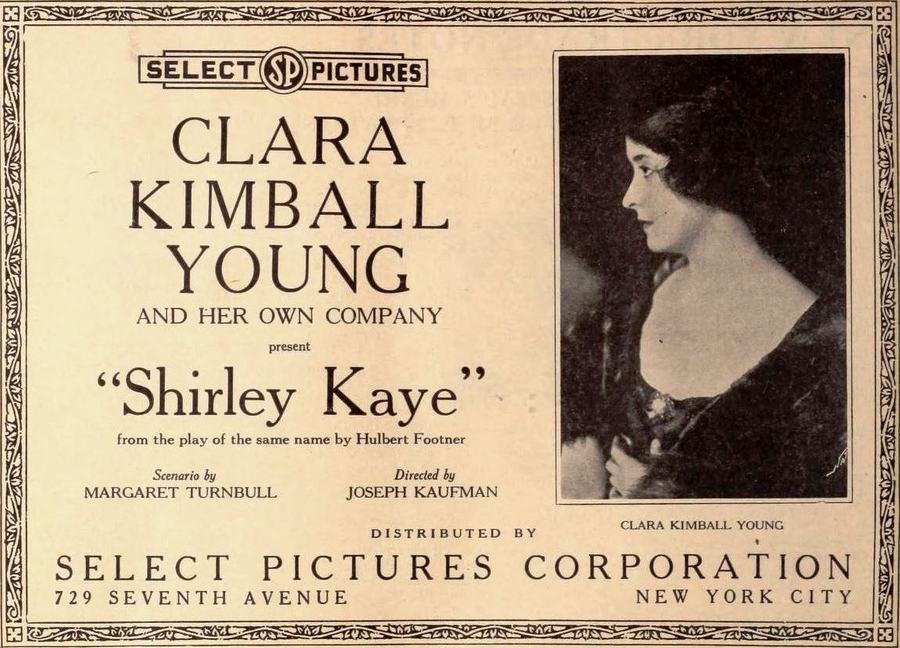
The narrative architecture, penned by Margaret Turnbull and Hulbert Footner, presents a fascinating dichotomy. On one side, we have the Union Central Railroad, a symbol of the old guard, decaying under the stewardship of Egerton Kaye (played with a palpable sense of weary entitlement by George Backus). On the other, we have the 'new blood' represented by T.J. Magen (Dan Mason) and John Rowson (Corliss Giles). This conflict mirrors the real-world anxieties of the era, where the 'Pirates' of the previous century were being replaced by a new breed of financier. Unlike the protagonists in The Devil's Bondwoman, who grapple with metaphysical moralities, Shirley Kaye operates in the cold, hard reality of proxies and dividends.
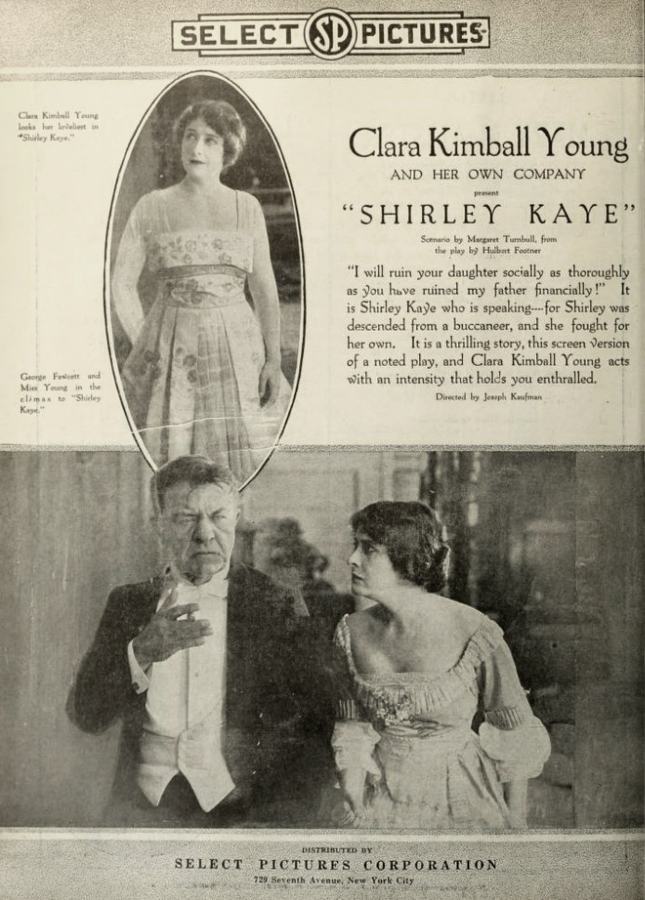
The magnetism of this film rests almost entirely upon the shoulders of Clara Kimball Young. In an era where female roles were often bifurcated into the categories of the helpless ingenue or the predatory vamp, Shirley Kaye occupies a middle ground of intellectual agency. She is 'clever as she is lovely,' a description that the film takes pains to demonstrate through her interactions with the Magen family. When she realizes that her father’s empire is crumbling, she doesn't retreat into the domestic sphere—a theme explored with far more tragic results in A Doll's House. Instead, she weaponizes her social standing.
"Shirley Kaye represents the transition of the cinematic heroine from a passive recipient of fate to an active participant in the machinery of capitalism."
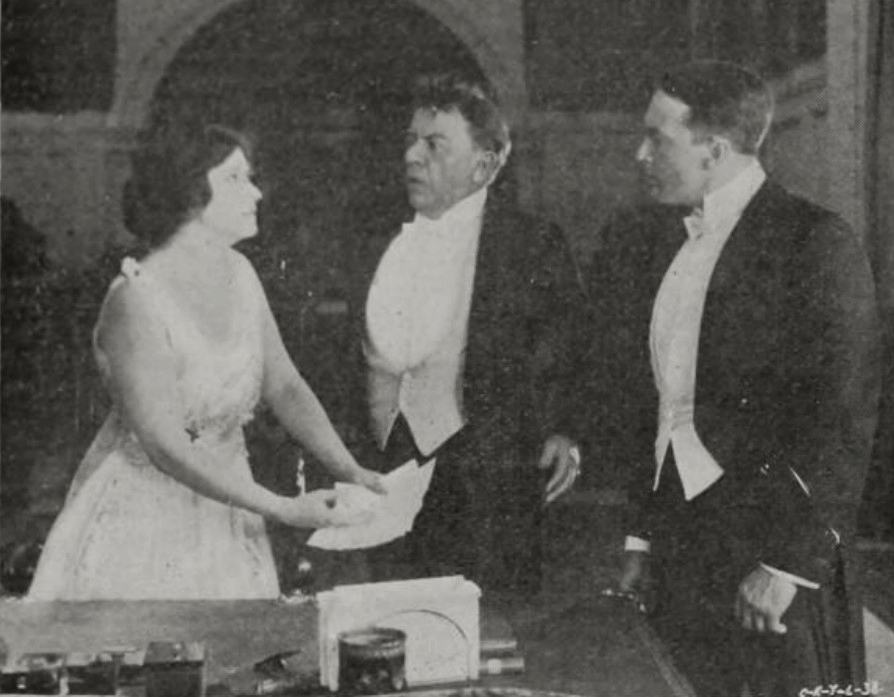
The brilliance of her performance lies in the nuance of her 'wiles.' There is a scene where she negotiates with T.J. Magen that feels remarkably modern. She understands that Magen, despite his rough exterior and 'lion-hearted' financier persona, has a vulnerability: his daughter Daisy’s social ambition. By recognizing that social access is a commodity Magen cannot simply buy with his millions, Shirley proves herself the true heir to the 'Pirate' Kaye. She isn't just saving a railroad; she is engaging in a sophisticated trade of cultural capital for industrial survival.
The arrival of T.J. Magen and John Rowson serves as the catalyst for the film’s exploration of class-based xenophobia. Rowson, portrayed by Corliss Giles with a stiff, almost abrasive intensity, embodies the 'Western' resentment toward the perceived decadence of the 'Eastern' elite. His hatred for women, specifically those of Shirley’s set, is presented not just as a personal quirk but as a philosophical stance against the perceived frivolity of the wealthy. This creates a compelling tension that elevates the film above a simple romance.
Unlike the characters in The Man from Oregon, who might resolve their differences through rugged frontier justice, Rowson and Kaye must navigate the labyrinthine rules of the boardroom. The film cleverly uses the character of Magen’s wife—a simple woman overwhelmed by wealth—to ground the story. Her discomfort in the 'exclusive Long Island set' serves as a poignant reminder of the human cost of rapid social mobility. It provides a contrast to Daisy (Claire Whitney), whose desperate yearning for acceptance drives the subplot and provides Shirley with her primary leverage.
Technically, Shirley Kaye displays a sophisticated grasp of silent era visual language. The set design emphasizes the cavernous, almost tomb-like nature of the Kaye estate, suggesting a dynasty that has become stagnant. In contrast, the Magen household, while equally grand, is filled with a chaotic energy that reflects the 'new blood' they represent. The use of close-ups on Clara Kimball Young allows the audience to see the gears of her mind turning, a necessary tool when the dialogue is restricted to intertitles.
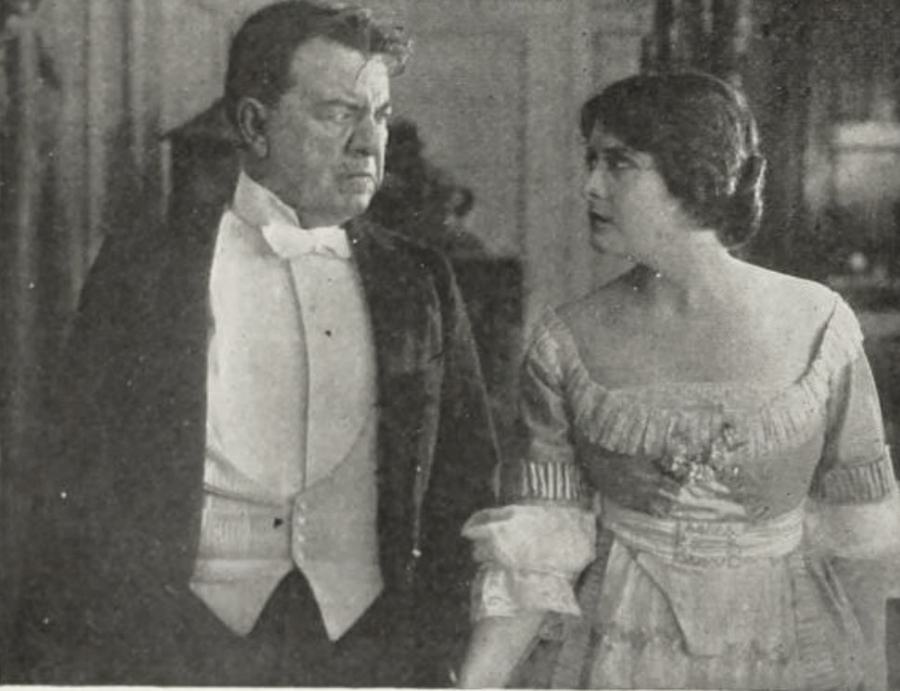
The pacing of the film is deliberate, building the corporate tension until the climactic directors' meeting. It is here that the film’s themes of 'love piracy' and 'high finance' converge. The cinematography during Shirley’s confrontation with Rowson utilizes shadows and framing to isolate the two characters, highlighting their ideological divide. While it lacks the raw physical intensity of The Corbett-Fitzsimmons Fight, it possesses a psychological weight that is equally captivating.
The final act of the film, where Shirley pursues Rowson to the West, is perhaps the most debated aspect of the narrative. To some, it may seem like a concession to traditional romantic tropes. However, seen through the lens of Shirley’s character arc, it is the ultimate expression of her agency. Having conquered the boardroom, she sets her sights on the one thing her social and financial power couldn't buy: the respect and heart of a man who despised everything she stood for.
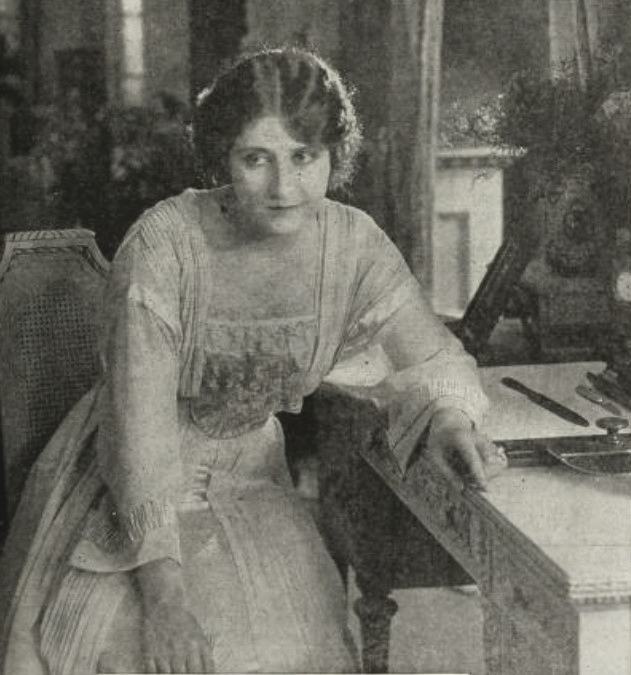
This 'love piracy' is a reclamation of her ancestor's spirit. She is no longer just protecting the Kaye name; she is expanding it. The film’s conclusion suggests that the divide between the East and West, between old money and new, can only be bridged through a synthesis of their respective strengths. Shirley brings the sophistication and tactical mind of the East, while Rowson provides the vigor and integrity of the West. It is a thematic resolution that feels far more earned than the coincidental endings of films like Destiny: or, the Soul of a Woman.
In the broader context of 1917 cinema, Shirley Kaye stands as a testament to the power of the 'woman’s picture' when elevated by intelligent writing and a powerhouse lead. It touches upon the same themes of social deception found in The Concealed Truth, but with a more triumphant, less cautionary tone. Shirley Kaye is not a victim of her circumstances; she is the master of them. The film remains a vital piece of silent cinema history, offering a rare glimpse into a heroine who is as comfortable with a proxy statement as she is with a parasol.
As we reflect on the legacy of Clara Kimball Young, this film serves as a reminder of her unique ability to portray complex, multi-faceted women. Shirley Kaye is a precursor to the corporate heroines of the 1930s and 40s, a woman who understood that in the world of high finance, the most valuable asset one can possess is oneself. Whether she is bargaining for her father’s dignity or chasing a man across the continent, Shirley remains an indelible icon of early 20th-century cinematic feminism. For those interested in the evolution of the female archetype in film, Shirley Kaye is an essential, if often overlooked, chapter that demands modern reappraisal.

IMDb 6.3
1931
Community
Log in to comment.