DbcultAccessing Vault...
5.9/10
Senior Film Conservator
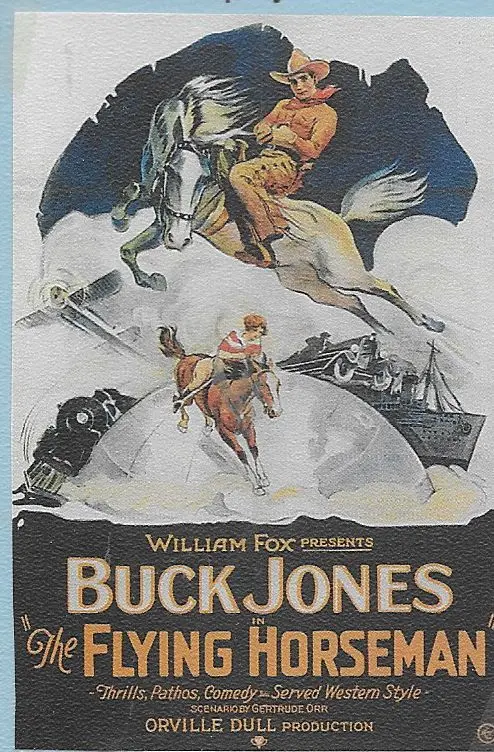
A definitive 5.9/10 rating for a film that redefined the boundaries of cult cinema. The Flying Horseman remains a cornerstone of transgressive art.
Is 'The Flying Horseman' a forgotten gem begging for rediscovery, or a dusty relic best left in the archives? For aficionados of classic Westerns and silent cinema, the answer is a resounding yes, offering a potent blend of heroics and melodrama that defined an era. However, those accustomed to modern narrative complexities and faster pacing might find its period conventions a challenging, if historically significant, watch.
This film carves out its niche, appealing directly to viewers who appreciate the foundational storytelling of early Hollywood and the charismatic, often understated, appeal of its stars. It is unequivocally for fans of Buck Jones, silent film historians, and anyone curious about the evolution of the Western genre. Conversely, it is decidedly not for audiences seeking rapid-fire dialogue, intricate psychological character studies, or action sequences heavy with modern CGI. Its charm lies in its simplicity and earnest execution.
At its core, 'The Flying Horseman' delivers a narrative steeped in classic Western tropes: a virtuous hero, a dastardly villain, a damsel in distress (of sorts), and a grand, climactic showdown. The film works because of Buck Jones's magnetic screen presence and its surprisingly intricate plot, which elevates it beyond a simple genre piece into a more sophisticated exploration of justice and vengeance. The stakes feel genuinely high, driven by personal vendetta rather than abstract ideals, which lends a potent emotional weight to the proceedings.
This film fails because some of its melodramatic flourishes, while typical of the era, can feel overbearing to contemporary audiences, occasionally sacrificing nuance for spectacle. The villain's motivations, while clear, sometimes border on caricature, diminishing the potential for a truly complex antagonist. You should watch it if you appreciate the foundational elements of the Western genre, enjoy strong, silent protagonists, and are curious about the storytelling techniques of the 1920s, particularly how moral clarity was conveyed without spoken dialogue.
The story of Mark Winton, played with admirable stoicism by Buck Jones, is a familiar one, yet it’s executed with a refreshing directness. Winton isn't seeking trouble; trouble finds him. His immediate intervention against Bert Ridley's cruelty towards one of Happy Joe's many sons establishes his character as a man of unwavering principle. This isn't just a hero riding into town; it's a hero whose moral compass is instantly visible, a quality vital in silent cinema where character had to be conveyed through action and expression.
The film cleverly uses the character of Happy Joe and his large family not merely as plot devices, but as a representation of vulnerability and innocence in the face of burgeoning corruption. Their plight grounds Winton's heroism in a very tangible, relatable way. It’s not just about a punch thrown; it’s about protecting the defenseless, a timeless theme that resonates deeply. The ranch setting of Colonel Savary provides a microcosm of society, where good and evil are clearly delineated, and justice is a commodity fiercely fought for.
Ridley's escalating campaign of vengeance is where the plot truly distinguishes itself. It moves beyond a simple fistfight into a calculated effort to destroy Winton's life, involving false accusations of murder and attempts to rig the Comanche Handicap. This escalation of stakes is crucial; it transforms a personal quarrel into a full-blown battle for reputation, freedom, and even the future of a beloved horse, Silver Dollar. The narrative is surprisingly layered for its time, maintaining a brisk pace despite its silent nature.
One could argue that the film’s portrayal of justice is simplistic, almost black and white, but this approach was a hallmark of the era, designed to provide clear moral guidance and escapism. The thematic undercurrents of honor, betrayal, and redemption are handled with a conviction that, while perhaps lacking modern subtlety, possesses an undeniable power. It’s a testament to the storytelling prowess of Gertrude Orr and Max Brand that they could weave such a complex web of deceit and heroism into a silent film format, relying heavily on visual cues and the audience's emotional investment.
Buck Jones, as Mark Winton, carries the film with the quiet strength that made him a Western icon. His performance is less about grand gestures and more about nuanced reactions, particularly in scenes where he confronts Ridley or shows tenderness towards Happy Joe’s children. His physicality in the initial confrontation with Ridley is impactful, conveying power and resolve without uttering a single word. Jones understood the demands of silent acting, using his eyes and body language to communicate a rich inner world. He doesn't just ride a horse; he *is* the horseman, a natural extension of the landscape.
Gladys McConnell, portraying June, Colonel Savary’s daughter, provides the necessary romantic interest and a touch of vulnerability. Her role, while somewhat conventional for the era, requires her to convey distress, hope, and eventual admiration for Winton through expressive facial work. She manages to avoid being a mere prop, imbuing June with a spirit that makes her more than just a prize for the hero. Her scenes with Ridley effectively convey the discomfort and fear she harbors towards his aggressive affections, adding another layer to the villain’s menace.
Bert Ridley, played by Joe Rickson, is a truly detestable villain. Rickson embraces the role with relish, portraying Ridley as a man consumed by petty jealousy and vindictiveness. His sneering expressions and aggressive posture are textbook silent film villainy, yet they are effective. He is not a nuanced antagonist, but a force of pure malice, which serves the plot’s clear-cut moral framework well. His character provides the essential dramatic friction against Winton’s unwavering heroism, making their inevitable clash all the more satisfying.
The supporting cast, including the numerous children of Happy Joe (played by young actors like Monty O'Grady and Billy Butts), contribute significantly to the film’s emotional landscape. Their collective innocence and vulnerability amplify the stakes, making Winton’s protective instincts entirely believable. Happy Joe himself, despite his derelict status, adds a touch of heartwarming eccentricity, a common trope in Westerns that provides a human anchor amidst the drama. The interactions, though wordless, are surprisingly potent, conveying family bonds and community spirit.
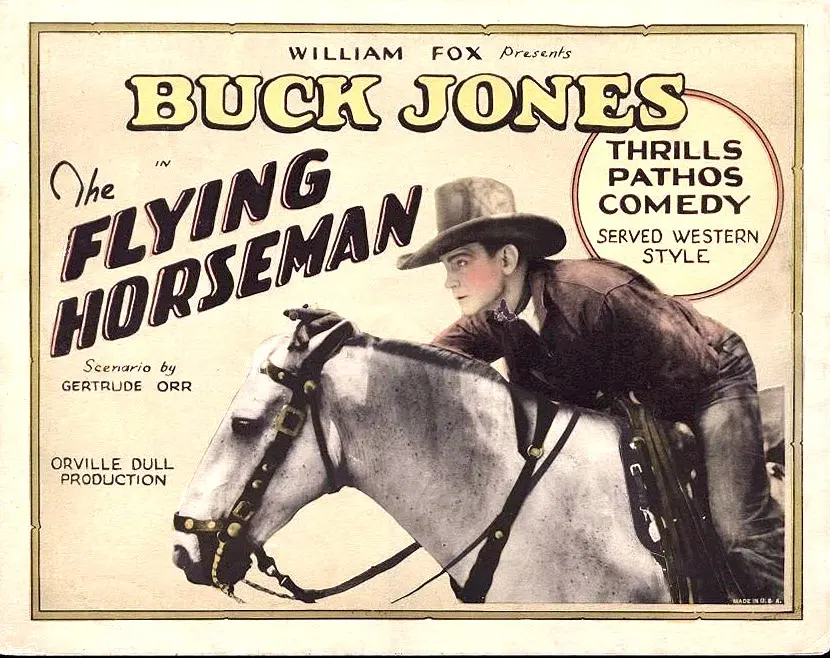
The direction of 'The Flying Horseman' is solid, prioritizing clear storytelling and effective visual communication. The filmmakers understood the necessity of strong visual cues in a silent picture. There’s a commendable attention to detail in staging the action sequences, particularly the horse-related scenes. The camera work, while not groundbreaking by modern standards, is competent and serves the narrative well, capturing the vastness of the Western landscape and the intimacy of close-up dramatic moments.
Cinematography plays a crucial role in establishing the mood and setting. The dusty roads, the sprawling ranch, and the open plains are all rendered with an authenticity that transports the viewer to the American West of the 1920s. While specifics of the cinematographer are not widely detailed, the visual language employed is consistent with the era's best Westerns. There are sweeping vistas that emphasize the isolation and grandeur of the setting, contrasted with tighter shots during moments of tension, such as the confrontation between Winton and Ridley.
One particularly effective sequence is the Comanche Handicap race. The camera manages to convey the raw energy and excitement of the event, building suspense as Silver Dollar vies for victory. This scene exemplifies how silent films could generate thrilling spectacle through careful editing and dynamic framing. The use of parallel editing between the race and Ridley's nefarious actions would have been particularly effective, heightening the drama and demonstrating a sophisticated understanding of cinematic tension building.
The film’s visual storytelling avoids excessive ornamentation, opting instead for a straightforward, engaging style. This directness, far from being a flaw, ensures that the audience's focus remains squarely on the unfolding drama and the characters' expressions. It's a pragmatic approach to filmmaking that prioritizes clarity over stylistic flourishes, a choice that ultimately benefits the film's accessibility and enduring appeal within its genre.
The pacing of 'The Flying Horseman' is characteristic of silent films from the 1920s. It takes its time to establish characters and conflicts, allowing scenes to breathe and emotional beats to land. This deliberate rhythm might feel slow to contemporary viewers accustomed to quick cuts and constant narrative propulsion. However, for those willing to adjust to its cadence, the pacing allows for a deeper immersion into the story and a greater appreciation for the actors' nuanced performances.
The tone is predominantly one of earnest melodrama, punctuated by moments of exciting action and genuine peril. There’s a clear moral compass guiding the narrative, with good and evil clearly defined. This creates a satisfying emotional journey, where the audience is encouraged to root wholeheartedly for the hero and despise the villain. The moments of light-heartedness, often involving Happy Joe or the children, provide welcome counterpoints to the more dramatic and suspenseful sequences, ensuring the film never becomes too heavy-handed.
The film's tone, while melodramatic, is never saccharine. The threats feel real, the betrayals sting, and the moments of triumph are hard-won. This balance is crucial for maintaining audience engagement. The unspoken nature of silent film also lends a certain universality to these emotions, allowing viewers to project their own understanding onto the characters’ struggles. It works. But it’s flawed. The reliance on broad emotional strokes, while effective, can sometimes feel simplistic.
Absolutely, 'The Flying Horseman' is worth watching today, especially for those with an appreciation for film history and the foundational elements of the Western genre. It offers a fascinating glimpse into the storytelling conventions of the 1920s, showcasing how compelling narratives were constructed without the aid of spoken dialogue. Buck Jones’s performance alone is reason enough to seek it out, embodying the quintessential silent Western hero with grace and power.
While it may not resonate with every modern viewer due to its pacing and melodramatic style, its historical significance and genuine entertainment value are undeniable. It's a robust example of popular cinema from its era, demonstrating how engaging character arcs and thrilling action could be conveyed through purely visual means. Consider it a masterclass in silent film performance and narrative construction, a vital piece of cinematic heritage.
Every film, especially one from a bygone era, comes with its own set of strengths and weaknesses. 'The Flying Horseman' is no exception, offering a distinct experience that balances classic appeal with period-specific limitations.
"The film's silent nature forces a greater reliance on visual storytelling, which, when executed well as it is here, can be incredibly immersive. It’s a different kind of magic, one that modern cinema often overlooks in its pursuit of auditory spectacle."
'The Flying Horseman' is more than just a historical curiosity; it's a vibrant, engaging piece of early American cinema that demonstrates the enduring appeal of the Western genre. While it demands a certain level of patience from modern audiences, the rewards are considerable. Buck Jones delivers a performance that solidifies his status as a silent-era legend, and the narrative, despite its age, manages to captivate with its blend of personal vendetta and thrilling action. It’s a film that speaks volumes without uttering a single word, a testament to the power of visual storytelling.
For those willing to embrace its unique charm, 'The Flying Horseman' offers a satisfying journey into a bygone era, proving that a compelling story, a charismatic hero, and a clear sense of purpose can transcend the passage of time. It's a recommended watch for anyone seeking to understand the roots of cinematic heroism and the art of silent film. If you enjoyed the raw energy of The Pony Express or the dramatic flair of Breed of the Border, you will find much to appreciate here.
IMDb 5.2
1923
Community
Log in to comment.