DbcultAccessing Vault...
Cult Review
Senior Film Conservator
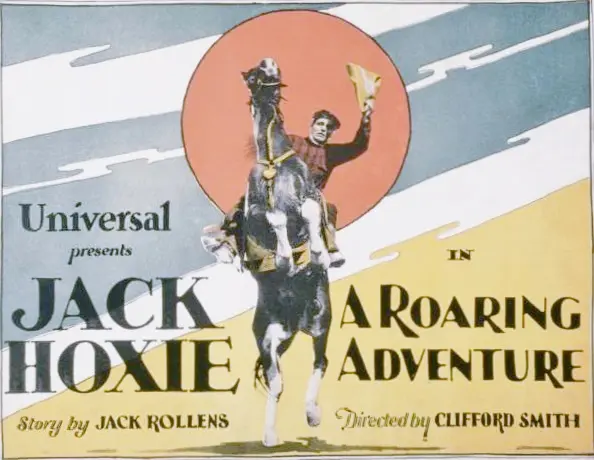
Short answer: yes, A Roaring Adventure is worth watching today, especially for silent film enthusiasts and those curious about the foundational elements of the Western genre. This film is for viewers who appreciate historical cinema, classic tropes, and the raw energy of early filmmaking, but it is emphatically not for audiences seeking modern pacing, complex character arcs, or high-fidelity visual spectacle.
It's a curious beast, this 1920 silent Western directed by Francis Ford. On one hand, it’s a straightforward narrative of justice and love on the frontier, packed with the kind of action and romance that defined the era. On the other, it's a stark reminder of how much film language has evolved, presenting a viewing experience that demands a certain patience and appreciation for its historical context. Yet, for those willing to meet it halfway, there are genuine delights to be found.
The story of A Roaring Adventure unfolds with a premise as classic as the Western genre itself: a hero returning home to right a wrong. Duffy Burns, played with a compelling physicality by Jack Hoxie, steps off the train from his Eastern college education only to find his family's ranch plagued by cattle rustlers. His father's livelihood, and indeed their very legacy, is being systematically dismantled by an unknown band of outlaws. Rather than charging in guns blazing, Duffy adopts a more cunning strategy: he conceals his identity and takes a job on his own ranch, intending to root out the culprits from the inside.
This undercover operation immediately introduces layers of dramatic irony and romantic entanglement. Duffy quickly falls for Gloria Carpenter (Mary McAllister), the spirited daughter of one of the very outlaws he seeks to expose. Their mutual affection forms the emotional core of the film, yet it's constantly tested by Duffy's need to maintain his disguise and, more perplexingly for Gloria, his seemingly inexplicable and frequent visits to the Widow Dodd. This romantic tension, coupled with the ticking clock of the ongoing rustling, propels the narrative forward toward its inevitable, action-packed conclusion.
Evaluating a film from 1920 requires a different lens than contemporary cinema. It’s not about comparing special effects or intricate dialogue, but rather assessing its storytelling efficacy, its performances within the silent idiom, and its historical significance. A Roaring Adventure, in many respects, holds its own.
Jack Hoxie, a true cowboy star of the silent era, anchors A Roaring Adventure with his rugged charm and believable action. His portrayal of Duffy Burns is less about nuanced emotional depth and more about embodying the archetype of the righteous, capable hero. Hoxie's physicality is undeniable; he rides, fights, and performs stunts with an authenticity that grounds the film's more fantastical elements. When he's on screen, whether galloping across the plains or engaging in a fistfight, he commands attention. His eyes convey determination, and his gestures, though sometimes broad, effectively communicate his character's resolve and affection for Gloria.
Mary McAllister as Gloria Carpenter provides a sweet, earnest counterpoint to Hoxie's stoicism. Her performance captures the innocence and romantic idealism expected of the era's heroines. Her confusion and distress over Duffy's secretive behavior, particularly his interactions with the Widow Dodd, are palpable, adding a layer of emotional conflict that elevates the romance beyond mere saccharine sweetness. The chemistry between Hoxie and McAllister, while not explosive, is gentle and convincing, making their eventual union feel earned.
The supporting cast, often credited as 'The Universal Ranch Riders,' contributes to the authenticity of the Western setting, providing a backdrop of rugged cowboys and frontier life. While individual performances from figures like Francis Ford (who also directed) or J. Gordon Russell might not be as prominently featured, they collectively contribute to the film's atmosphere. One could argue that the collective presence of these experienced riders lends a realism to the action sequences that a less seasoned ensemble might lack, making the cattle rustling and chases feel genuinely dangerous. It’s a testament to the era’s pragmatic approach to filmmaking, where genuine cowboy skills were as valuable as acting talent.
Francis Ford, an actor and director with a long list of credits, demonstrates a clear understanding of the Western genre's visual language. His direction in A Roaring Adventure is functional and effective, prioritizing clear storytelling and dynamic action. He utilizes the vast, open landscapes to great effect, ensuring that the audience always feels the expansive, untamed nature of the West. The wide shots of horsemen thundering across the plains are particularly impressive, showcasing the scale of the conflict and the beauty of the natural environment.
Ford's use of medium shots and close-ups, while perhaps not as innovative as some of his contemporaries, is sufficient to convey character emotion and drive the narrative. For instance, a close-up on Duffy's determined face as he makes a difficult decision, or Gloria's expression of bewilderment, effectively communicates their inner states without relying on intertitles for every feeling. This visual economy is crucial for silent film. The film avoids overly elaborate camera movements, opting instead for solid, well-composed frames that allow the action and performances to speak for themselves.
The cinematography, while certainly limited by the technology of 1920, manages to capture some striking images. The dusty roads, the rugged mountains, and the sun-drenched plains all contribute to a vivid sense of place. There's a raw, almost documentary-like quality to some of the outdoor sequences, a common trait in early Westerns that shot on location. This authenticity lends weight to the narrative, making the struggle against the rustlers feel more immediate and real. Compared to the more stylized studio productions of the era, the film embraces a grittier, more naturalistic aesthetic for its outdoor scenes.
The pacing of A Roaring Adventure is generally well-maintained. The film moves with a purpose, alternating between periods of narrative development, romantic tension, and bursts of action. The initial setup of the rustling problem and Duffy’s undercover plan is established efficiently. The romance with Gloria develops at a believable pace for the genre, allowing for moments of tenderness interspersed with the more urgent pursuit of justice. The climactic chase and confrontation sequences are particularly well-paced, building excitement through rapid cuts and dynamic visuals, culminating in a satisfying resolution.
The tone is largely one of earnest adventure and moral clarity. There's a strong sense of right and wrong, with Duffy representing the unwavering forces of justice against the shadowy outlaws. The romantic subplot adds a lighter, more emotional dimension, preventing the film from becoming too grim. However, the film doesn't shy away from the underlying tension of betrayal and the danger of frontier life. The humor, when present, is subtle and often derived from situational irony rather than overt gags, such as Gloria's genuine confusion over Duffy's seemingly inappropriate friendship with the Widow Dodd.
Thematic resonance is found in the classic Western ideals of justice, identity, and the reformation of character. Duffy's choice to go undercover highlights the theme of deception for a greater good, questioning the line between honesty and strategy. The eventual reformation of Gloria's father, while perhaps too swift for modern tastes, speaks to the era's belief in redemption, a common trope in many silent films, much like the moral lessons often presented in other dramas of the period such as Her Love Story. It works. But it’s flawed.
Yes, A Roaring Adventure is worth watching for its historical significance and foundational Western storytelling. It offers a clear glimpse into early silent cinema's charm and narrative directness, making it a valuable experience for cinephiles. It serves as an excellent example of how early filmmakers tackled popular genres, combining action, romance, and a clear moral compass.
While it lacks the sophisticated character development and complex narratives of later eras, its simplicity is part of its appeal. It’s a robust, entertaining piece of cinematic history that reminds us of the enduring power of classic storytelling. For those interested in the evolution of the Western or the early days of Hollywood, it's an essential watch. For casual viewers, it might require a slight adjustment to the silent film format, but the engaging plot and charismatic lead make it an accessible entry point.
A Roaring Adventure is more than just a historical artifact; it's a vibrant, if uncomplicated, silent Western that delivers on its promise of frontier action and romance. While its narrative simplicity and the conventions of its era might test the patience of some modern viewers, its strengths lie in its charismatic lead, clear storytelling, and an admirable commitment to classic genre tropes. It’s a sturdy entry in the silent Western canon, offering a genuine glimpse into the foundational years of Hollywood. For those willing to embrace its charms, it provides a genuinely engaging experience that resonates even a century later. It may not redefine cinema, but it certainly entertains.
IMDb 6.4
1925
Community
Log in to comment.