DbcultAccessing Vault...
Cult Review
Senior Film Conservator
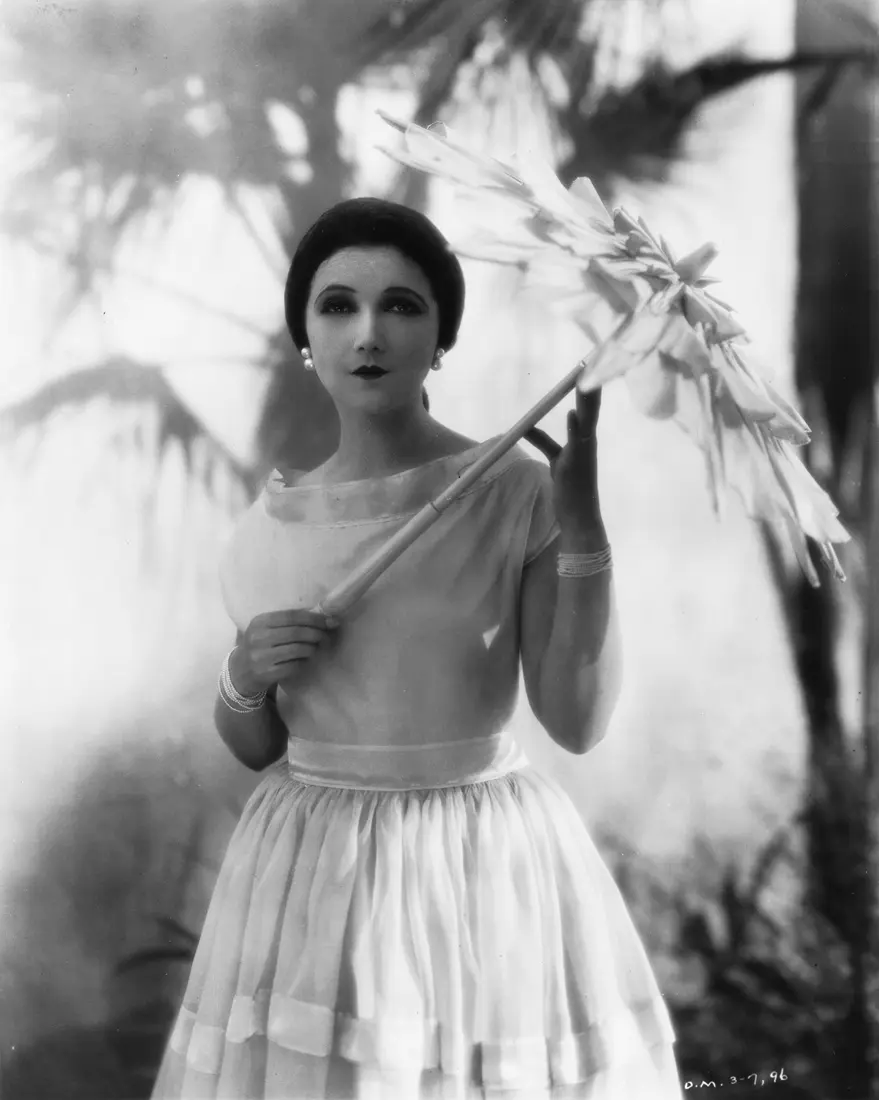
Short answer: yes, if you have an appetite for the high-octane emotional stakes that only late silent cinema can provide. This is a film for those who appreciate the 'femme fatale' archetype before she was sanitized by the Hays Code, but it is certainly not for viewers who demand modern narrative pacing or subtle, understated performances.
1) This film works because Jetta Goudal possesses a screen presence that transcends the limitations of silent acting, turning a potentially flat spy character into a complex, suffering woman.
2) This film fails because the third-act transition from psychological romance to military trial feels rushed and relies on a series of unlikely coincidences that strain even the most generous suspension of disbelief.
3) You should watch it if you are a student of 1920s cinematography or if you enjoy the visceral tragedy of stories where love and duty are fundamentally incompatible.
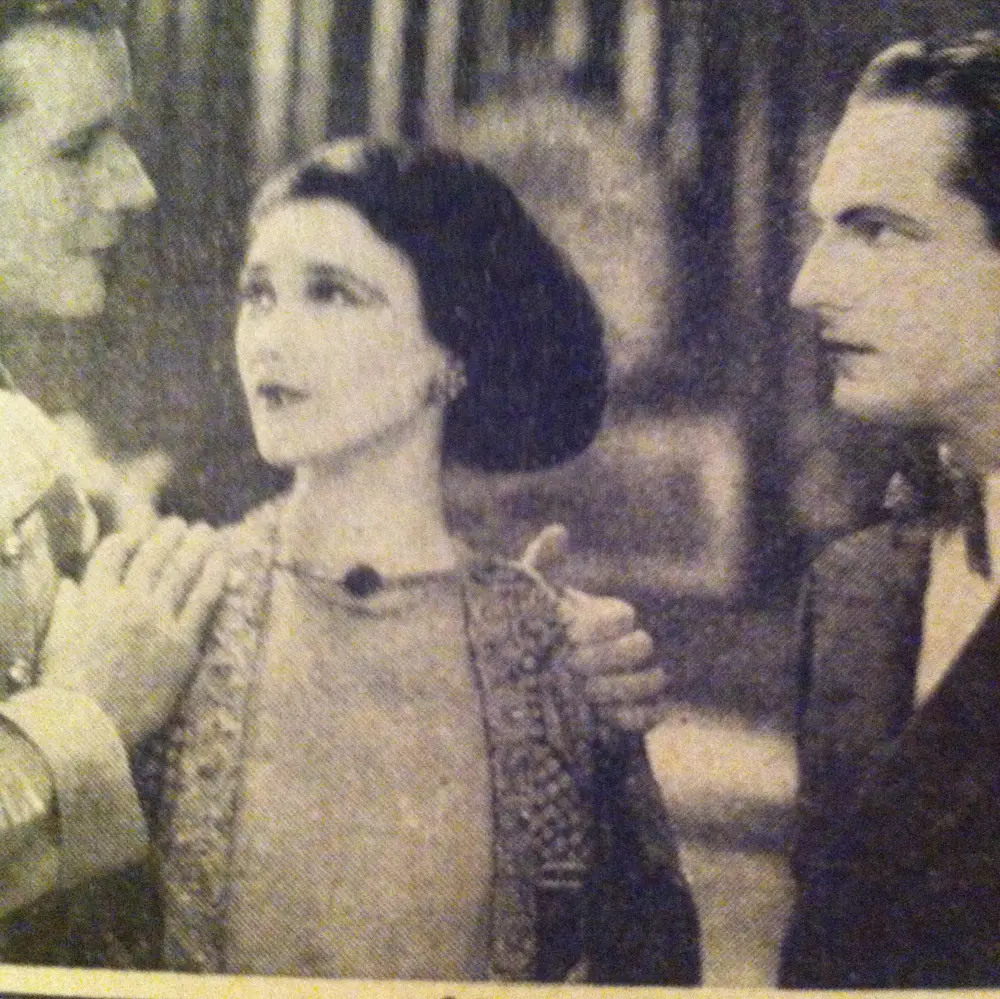
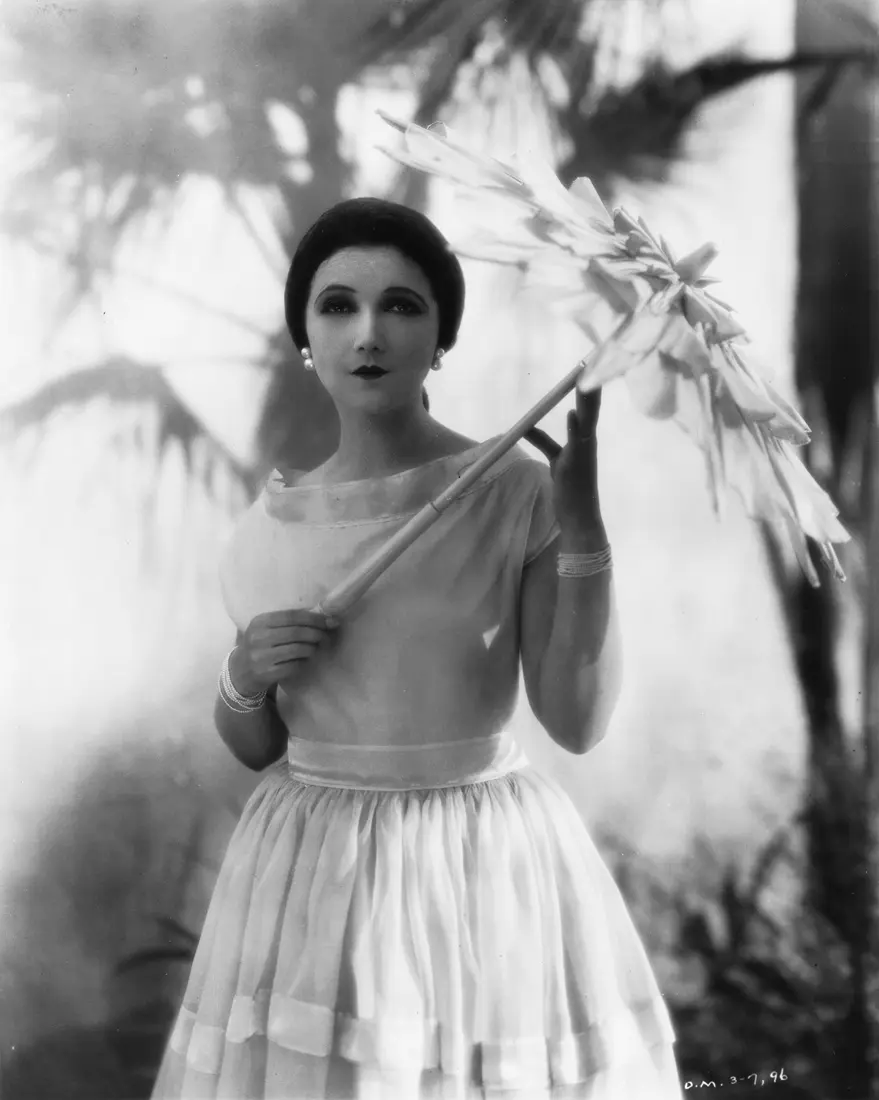
In 1927, Jetta Goudal was often marketed as an 'exotic' mystery, and in The Forbidden Woman, that persona is weaponized to great effect. Unlike the more wholesome stars of the era, Goudal plays Zita with a predatory grace that shifts into genuine vulnerability. There is a specific scene early in the film where she observes Colonel Pierre Gautier from behind a lattice screen; her eyes don't just watch him—they calculate his value as an asset. It is a chilling moment of silent characterization that sets the stage for her eventual downfall.
Goudal’s performance style is distinct from the frantic gesticulation often parodied in silent film. She uses her posture to convey the weight of her secrets. When she is with the Sultan, she is rigid, a soldier in silk. When she is with Jean, her body seems to collapse inward, suggesting a woman who is finally feeling the exhaustion of her double life. It is a masterclass in physical acting that remains impressive nearly a century later. Compared to the work seen in Her Temporary Husband, Goudal’s work here is significantly more grounded and haunting.
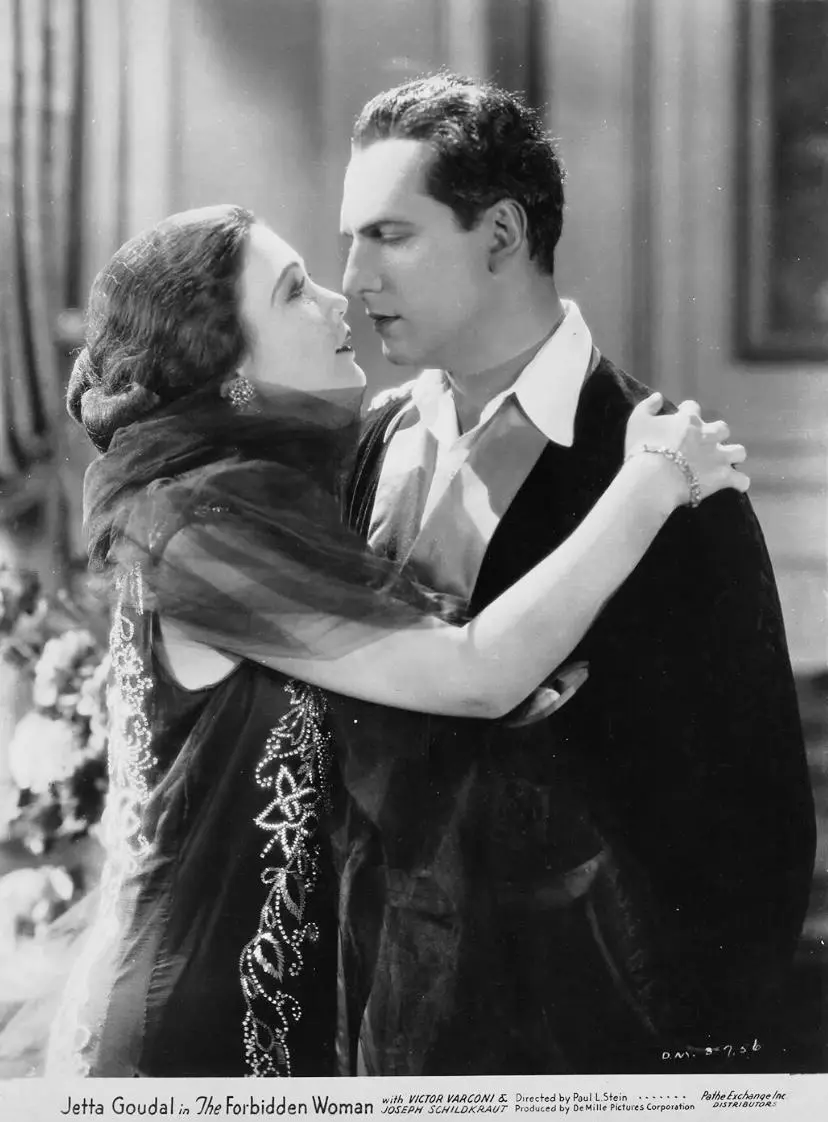
The introduction of Jean La Coste, played by Joseph Schildkraut, injects a necessary chaos into the narrative. Jean is the antithesis of his brother Pierre. Where Pierre represents the rigid, unyielding structure of the French military, Jean represents the fluid, emotional world of art. The violin becomes a central motif—a voice for the things Zita cannot say. When Jean plays for her on the deck of the ship, the cinematography uses soft-focus lighting to isolate them from the world, creating an ethereal bubble that makes their eventual collision with reality feel all the more violent.
The conflict between the brothers is the film’s emotional engine. Victor Varconi’s Pierre is played with a stiff-lipped dignity that makes his eventual heartbreak feel earned. The moment he discovers Zita and Jean together is staged with a brutal simplicity; there are no grand speeches, only the crushing realization that his marriage was a facade and his brother is his rival. This dynamic echoes the heavy familial themes found in Les Misérables, Part 1: Jean Valjean, though here the stakes are more intimately romantic than social.
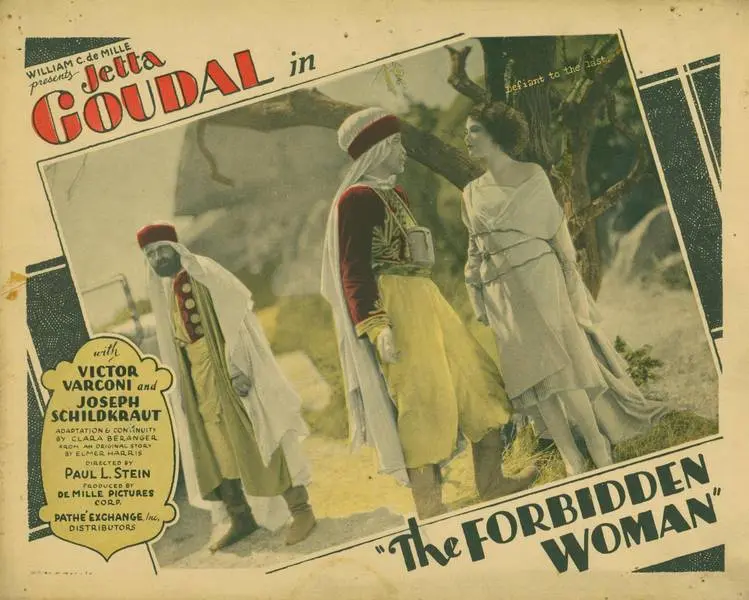
Director Paul L. Stein utilizes the shadows of the Moroccan court and the stark lines of French military barracks to highlight Zita’s displacement. The production design is lavish, yet it feels claustrophobic. Every room Zita enters feels like a trap. The use of mirrors in the French apartment scenes is particularly clever, reflecting her fractured identity as she transmits secrets to the Sultan through her maid. She is a woman literally seeing herself split in two.
The pacing in the middle section of the film is where the narrative truly breathes. The voyage to France is captured with a sense of impending doom. We know who Zita is, and we know who Jean is, but the film allows us to linger in their ignorance. This dramatic irony is the film’s strongest asset. It forces the audience to become accomplices in Zita’s deception, making her ultimate confession feel like a shared catharsis. It is a far more sophisticated approach than the straightforward melodrama of The Scarlet Road.
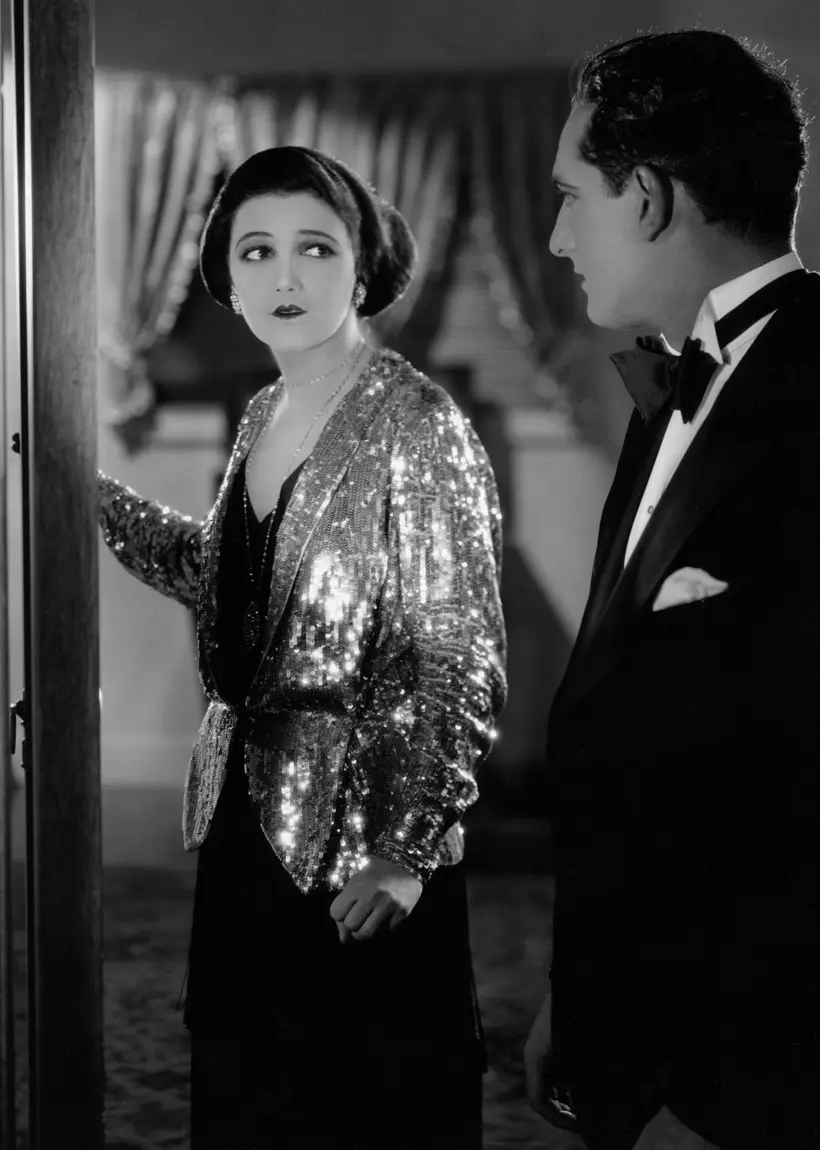
If you are looking for a historical curiosity that still packs an emotional punch, the answer is a resounding yes. The Forbidden Woman is a prime example of how silent cinema used visual metaphor to communicate complex internal states. While the plot beats may feel familiar to modern audiences, the execution—particularly the final execution scene—is handled with a somber intensity that bypasses the need for spoken dialogue. It is a film about the high cost of authenticity in a world built on political lies.
The finale is where the film takes its most daring stance. Zita’s decision to frame Jean is a moment of pure, petty spite—a very human reaction to rejection. However, her subsequent admission of guilt is not just a romantic gesture; it is a political suicide. By choosing Jean over her mission, she rejects the Sultan and the French army alike. She chooses to die as a woman in love rather than live as a successful spy. It is a bleak, uncompromising conclusion.
"She dies for love, not for country. In the end, the spy was the only one who was honest."
The image of the two brothers watching her execution is haunting. It strips away the romance and leaves only the cold, mechanical reality of the law. The film doesn't offer a happy ending because, in the world it has built, there is no place for a woman like Zita. She is a disruption that the system must eliminate. It works. But it is deeply flawed in its cynicism.
Pros:
Cons:
The Forbidden Woman is a fascinating artifact that manages to feel surprisingly modern in its psychological depth. While it carries the baggage of its era's Orientalism, it manages to transcend those tropes through the sheer force of its central performances. It is a film about the masks we wear and the terrifying moment when we decide to take them off. It is a mess, but a beautiful one. If you can forgive the occasionally creaky plot mechanics, you will find a story that still has the power to provoke and disturb. It stands tall alongside other 1927 releases like The Exiles, offering a more intimate, albeit more tragic, look at the human condition.

IMDb —
1922
Community
Log in to comment.