DbcultAccessing Vault...
6.1/10
Senior Film Conservator
A definitive 6.1/10 rating for a film that redefined the boundaries of cult cinema. Burglars of 'Baghdad' Castle remains a cornerstone of transgressive art.
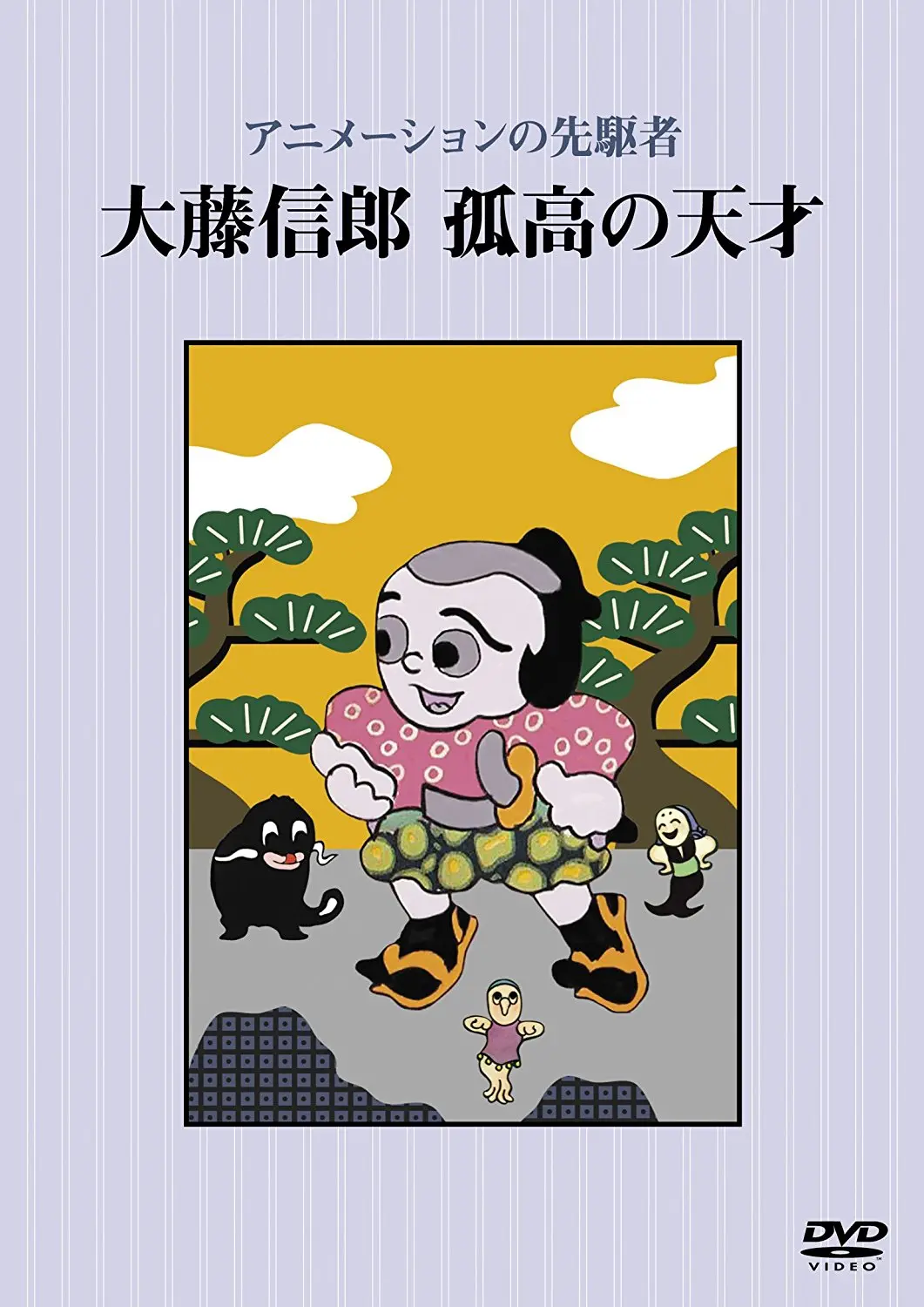
Is Burglars of 'Baghdad' Castle a film worth seeking out in the modern era? Short answer: yes, but with significant caveats. This early animated work by Noburō Ōfuji stands as a crucial historical artifact, a fascinating glimpse into the nascent stages of Japanese animation, yet it offers a viewing experience vastly different from contemporary cinema.
This film is unequivocally for animation historians, experimental film enthusiasts, and those with a deep appreciation for cinematic archaeology. It is absolutely not for viewers expecting a conventional narrative, high-definition spectacle, or immediate emotional gratification. Approach it as a moving painting, a historical document, and an exercise in pure visual storytelling, and you will find immense value.
Noburō Ōfuji's Burglars of 'Baghdad' Castle isn't just a film; it's a window into the formative years of a medium. Released in an era when animation was still finding its voice, Ōfuji, a true pioneer, pushed the boundaries of what was possible with paper, scissors, and ingenuity. The very title evokes an exoticism, a sense of adventure that was rare and captivating for audiences of the time.
The film, a silent, short animation, relies entirely on visual ingenuity to convey its story. There are no spoken words, no complex intertitles beyond perhaps a title card. It’s a purely optical experience, demanding that the viewer engage with the movement and composition on screen rather than relying on dialogue or exposition. This minimalist approach is both its greatest strength and, for some, its most significant hurdle.
This film works because of its groundbreaking artistry and historical significance, offering a rare look at early animation techniques. It fails because its abstract narrative and slow pace may alienate modern audiences accustomed to faster, more explicit storytelling. You should watch it if you are a film student, an animation enthusiast, or someone interested in the evolution of cinema.
Ōfuji’s direction in Burglars of 'Baghdad' Castle is a masterclass in economy and visual poetry. Working with what was likely a limited budget and rudimentary technology, he transforms simple cutouts into expressive characters and static backgrounds into dynamic environments. The 'Baghdad' Castle itself is not merely a setting, but almost a character, its intricate, stylized architecture becoming part of the challenge for the titular burglars.
The choice of cutout animation, a technique Ōfuji frequently employed in his early works, lends a unique aesthetic. The figures often appear as silhouettes or flat, two-dimensional shapes, moving with a distinct, almost puppet-like grace. This isn't the fluid, lifelike animation we see in later Disney or Ghibli films; instead, it possesses a charming, almost handcrafted quality that speaks directly to the artist's touch.
Consider the sequence where the burglars scale the castle walls. Instead of realistic climbing, Ōfuji likely uses a series of cleverly manipulated cutouts, creating the illusion of ascent through precise, rhythmic movements. The shadows cast by the paper figures, a frequent element in Ōfuji's work, would have added depth and drama, transforming simple shapes into dynamic forms against the backdrop. This deliberate pacing, this almost hypnotic repetition, defines the film's rhythm.
The director’s understanding of visual flow is paramount here. Each frame, each subtle shift in position, contributes to a larger, rhythmic whole. It’s less about a rapid-fire sequence of events and more about the contemplative observation of movement itself. This approach, while perhaps slow by today's standards, allows the viewer to truly appreciate the painstaking effort and artistic vision behind each animated second. It is a testament to Ōfuji’s belief in the power of pure visual storytelling.
To speak of 'cinematography' in the traditional sense for Burglars of 'Baghdad' Castle feels almost anachronistic, yet it's entirely appropriate when considering Ōfuji’s command of the frame. His 'camera' is the animator's eye, meticulously composing each shot, arranging the cutouts, and manipulating light and shadow to create atmosphere and narrative progression.
The visual language is stark yet evocative. The 'Baghdad' setting, while obviously not a literal depiction, is conjured through stylized Arabian motifs and architectural flourishes. Imagine ornate domes, minarets, and perhaps geometric patterns that hint at the exotic locale without needing hyper-realism. This abstraction is a strength, allowing the audience’s imagination to fill in the details, making the experience more interactive and personal.
The use of light and shadow, a hallmark of early silhouette animation, would have been critical. Ōfuji often experimented with cellophane and other translucent materials to create vibrant, shimmering effects. For instance, a moonlight scene over the castle might feature deep blues and purples, achieved through colored filters, with the black silhouettes of the burglars starkly contrasted against the luminous background. This wasn't merely decorative; it was integral to mood and narrative.
Compared to other silent-era films like Les Vampires, which relied on live-action photography and elaborate sets, Burglars of 'Baghdad' Castle builds its world entirely from scratch. This fundamental difference means every visual choice, from the texture of the paper to the angle of the 'shot,' is a deliberate artistic decision. It’s a constructed reality, beautiful in its artifice.
The pacing of Burglars of 'Baghdad' Castle is undeniably deliberate, even slow by contemporary standards. This is not a breathless chase film; it’s a meditative caper. The unfolding of events, the stealthy movements of the burglars, and their interactions with the castle's defenses are presented with a measured rhythm that allows the viewer to absorb each visual detail.
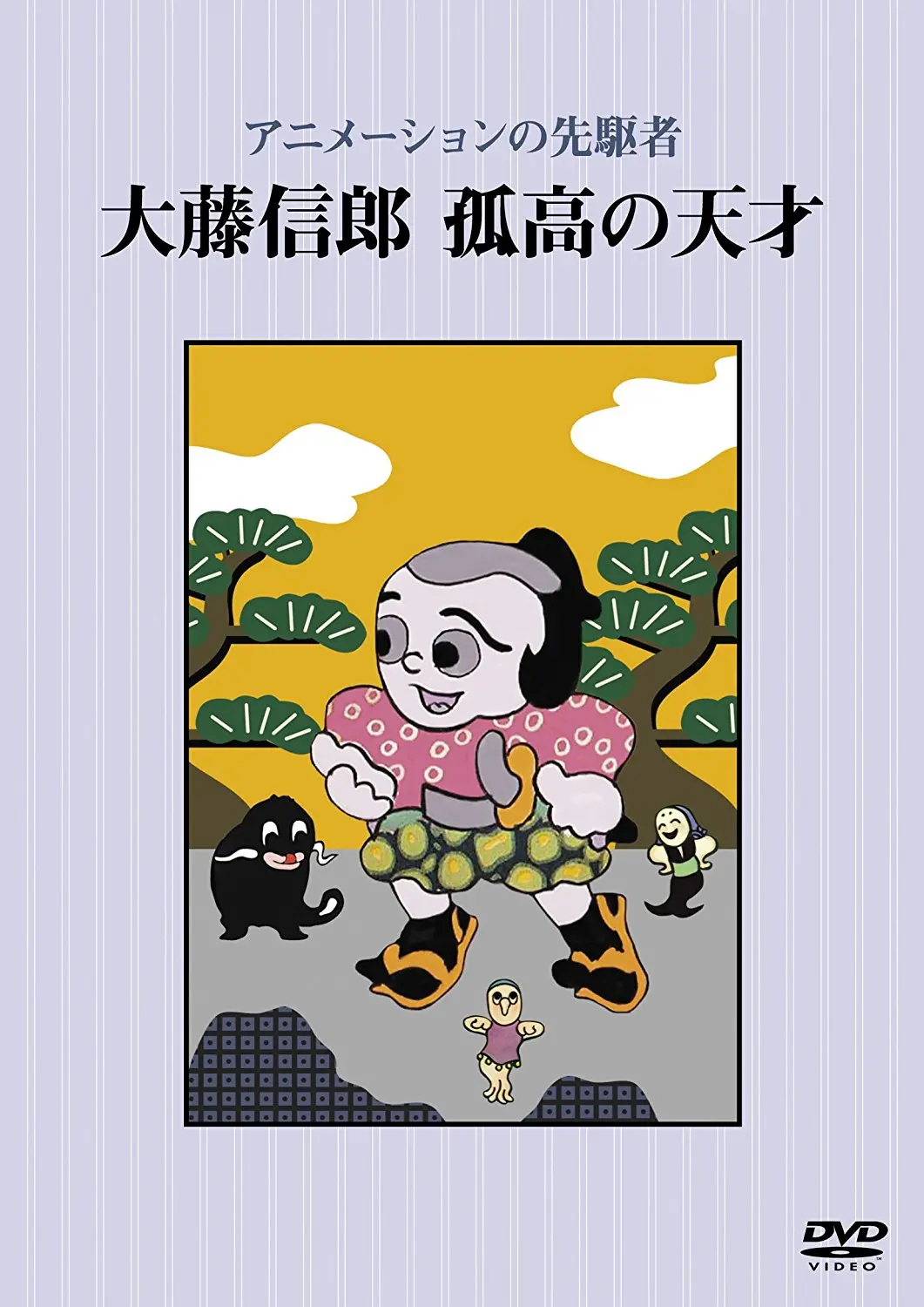
This measured pace isn't a flaw; it's a characteristic of early animation, where the sheer labor of creating each frame dictated a more contemplative style. It forces the audience to slow down, to appreciate the individual moments of animation, and to immerse themselves in the handcrafted world. While a modern audience might find it challenging to maintain focus, those willing to adjust their expectations will discover a unique form of cinematic engagement.
The tone is one of lighthearted adventure, tinged with a sense of wonder. There’s a playful mischievousness to the burglars, a sense that their endeavor is more about the thrill of the attempt than any grand criminal intent. This lightness prevents the film from feeling heavy or overly serious, maintaining an accessible, almost childlike charm that transcends its historical context.
It's a tone often found in early animated shorts, which frequently leaned into fantasy and whimsy. Unlike the stark realism of a film like Greed, which aimed for a brutal depiction of human nature, Ōfuji’s work provides an escape, a gentle foray into a world of imagination. This tonal consistency is one of the film’s quiet strengths.
In an animated film, especially one so early and abstract, 'acting' doesn't come from human performers but from the animators' ability to imbue their creations with life and emotion. Noburō Ōfuji, in this regard, is both director and lead 'actor,' breathing personality into his paper cutouts.
The expressiveness of the burglars, despite their often simplified forms, comes through their posture, their gestures, and the rhythm of their movement. A subtle tilt of a head, a hesitant step, or a sudden burst of speed—these are the 'lines' they deliver. Ōfuji’s skill lies in making these inanimate objects convey a sense of purpose, stealth, or even surprise.
Consider the interaction between the burglars and the castle’s defenses, or perhaps with each other. A moment of collaborative effort, a shared glance (implied through parallel movements), or a comical stumble would have been carefully choreographed to elicit a reaction from the audience. This is a different kind of performance, one where the artistry is in the manipulation, not the embodiment.
It’s easy to dismiss such early animation as primitive, but to do so is to miss the profound skill involved in creating compelling 'performances' with such limited tools. Ōfuji's work stands as a powerful reminder that compelling storytelling doesn't require complex technology; it requires vision and a deep understanding of visual communication.
Absolutely, Burglars of 'Baghdad' Castle is worth watching for specific audiences. Its value lies not in its ability to compete with modern blockbusters, but in its historical significance and artistic ingenuity. It represents a crucial step in the global development of animation, showcasing a unique Japanese sensibility that was distinct from its Western counterparts.
For anyone studying film history, animation techniques, or Japanese culture, this film is essential viewing. It offers tangible evidence of Ōfuji’s experimental spirit and his contributions to the medium. It's a foundational text, a primary source that illuminates the origins of a global art form.
However, for the casual viewer seeking modern entertainment, it will likely prove challenging. The lack of sound, the slow pace, and the abstract nature of the animation require a different kind of engagement. It demands patience and an open mind, a willingness to appreciate craftsmanship over conventional thrills.
Think of it like visiting a historical art exhibit. You don't expect a painting from the 17th century to have the same impact as a contemporary digital installation. You appreciate it for its context, its technique, and its place in the lineage of art. Burglars of 'Baghdad' Castle deserves the same respect and approach.
Noburō Ōfuji’s Burglars of 'Baghdad' Castle is a film that demands respect and a specific kind of viewership. It is not an entertainment piece designed for mass appeal in the 21st century. It is a piece of art history, a pioneering effort that showcases the boundless creativity of early animators working with incredibly restrictive tools. It works. But it’s flawed, as all early experiments are.
Its enduring legacy lies in its audacity and its unique visual language. To truly appreciate it, one must shed modern cinematic expectations and embrace it as a historical artifact, a moving painting, and a testament to one man’s vision. For the right audience, it’s not just worth watching; it’s an essential, enriching experience that deepens one’s understanding of film itself. It’s a film that reminds us where we came from, and how far the art of animation has traveled.

IMDb —
1917
Community
Log in to comment.