DbcultAccessing Vault...
Cult Review
Senior Film Conservator
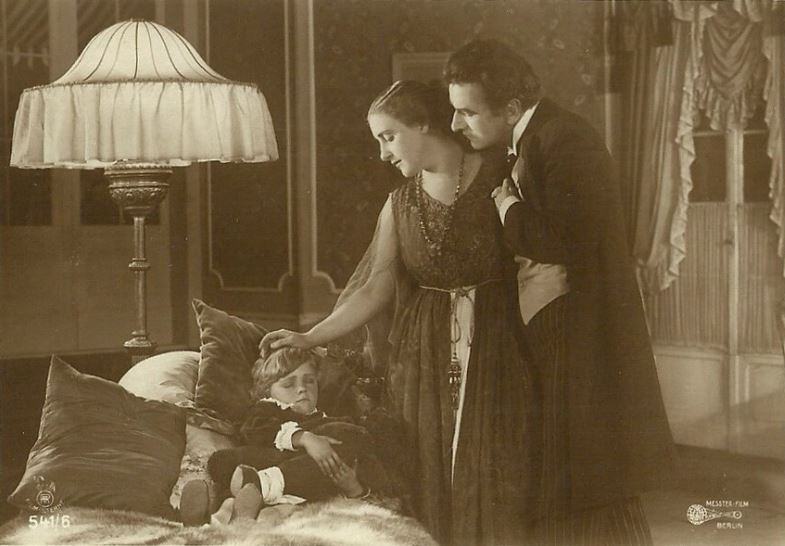
From the shadowy depths of early 20th-century German cinema emerges Das Maskenfest des Lebens, a profound and melancholic exploration of societal strictures, personal liberation, and the elusive nature of genuine human connection. This cinematic artifact, a testament to the emotional power of the silent era, transcends its historical context to deliver a narrative that still resonates with contemporary audiences grappling with identity and belonging. Directed with a nuanced hand and brought to life by a stellar ensemble, particularly the luminous Henny Porten, the film delves into the psychological landscape of a woman ensnared by circumstance, then unexpectedly set adrift, only to seek solace in the anonymity of a masked encounter.
At the heart of this poignant drama is Jolanthe von Brissac, portrayed with breathtaking subtlety by Henny Porten. Her initial predicament is one of quiet despair: a marriage to Count Falcon, a union devoid of affection, a mere transaction of status and property. Porten masterfully conveys Jolanthe's internal conflict, her demure expressions belying a soul yearning for something more profound than the gilded cage she inhabits. This forced matrimonial alliance, a common trope in period dramas, is rendered here with a tragic gravitas that feels deeply personal. The audience witnesses not a wilting flower, but a spirit slowly suffocating under the weight of expectation. Her marriage, rather than a celebration, is a protracted sigh, a visible burden that heavy on her delicate frame.
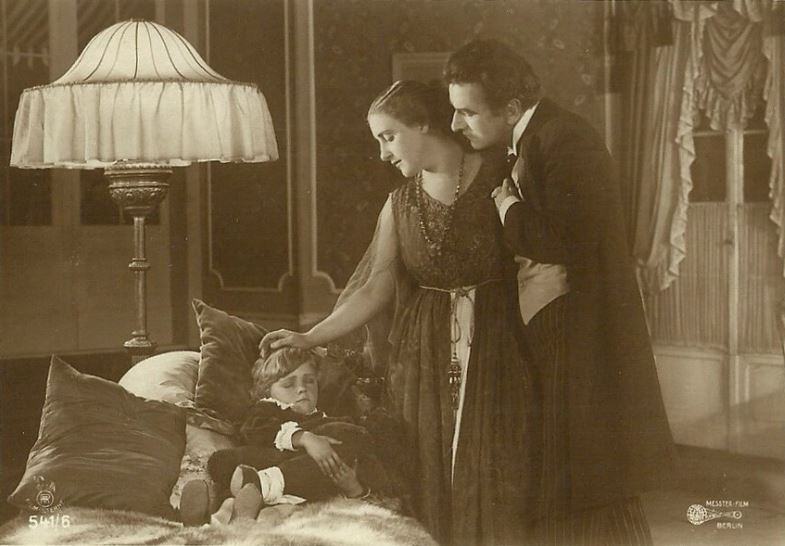
The cinematic language of the era, relying heavily on visual storytelling and the expressive capabilities of its actors, allows Porten to craft a character of immense depth. Every glance, every restrained gesture, speaks volumes about Jolanthe’s unspoken desires and her resignation to a fate not of her choosing. The film's early scenes establish this sense of entrapment with an understated elegance, preparing the viewer for the seismic shift that is to come. In an age when female agency was often curtailed, Jolanthe's plight serves as a microcosm of broader societal limitations, making her eventual journey towards self-discovery all the more compelling.
The narrative takes a dramatic turn with the sudden, fatal accident of Count Falcon. This event, while tragic, functions as a catalyst for Jolanthe's liberation. It's a moment of profound irony: freedom purchased at the cost of life, albeit a life that offered her no true joy. The film, in its silent eloquence, manages to convey the complex emotional aftermath for Jolanthe – perhaps a flicker of relief intertwined with the expected societal grief, a quiet acknowledgment of a path now cleared, albeit through somber means. This pivotal moment sets the stage for her subsequent exploration of self, a journey that might have been impossible had the Count lived.
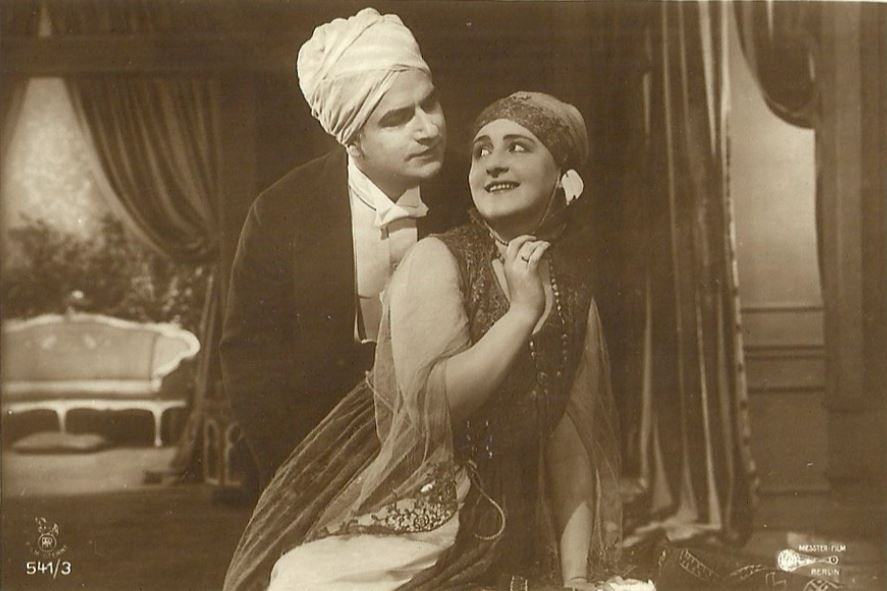
The quick succession of these events – the joyless marriage, the tragic death – propels the story forward with an almost fatalistic momentum. It speaks to the impermanence of human plans and the capricious nature of destiny. For comparison, one might consider the dramatic shifts and emotional intensity found in films like The Red, Red Heart, which also explores the sudden upheaval in a protagonist's life, or the often-unforeseen circumstances that drive the plot in The Concealed Truth. While the specifics differ, the common thread is the profound impact of unexpected events on the human psyche, forcing characters to confront new realities and redefine their existence.
The film's eponymous 'Maskenfest' – the masked ball – is where the narrative truly blossoms into its symbolic potential. This grand social event, a whirlwind of hidden faces and assumed identities, provides Jolanthe with an unprecedented opportunity for authentic connection. Freed from the scrutinizing gaze of society and the burdens of her past, she encounters an enigmatic stranger, a man whose features are obscured by a mask. This deliberate obfuscation is not merely a plot device; it is the very core of the film's philosophical inquiry. In a world where status, lineage, and appearance dictate so much, the mask strips away these superficial layers, allowing for a connection based purely on shared sensibility, on the 'soul' rather than the 'mask' of social standing.
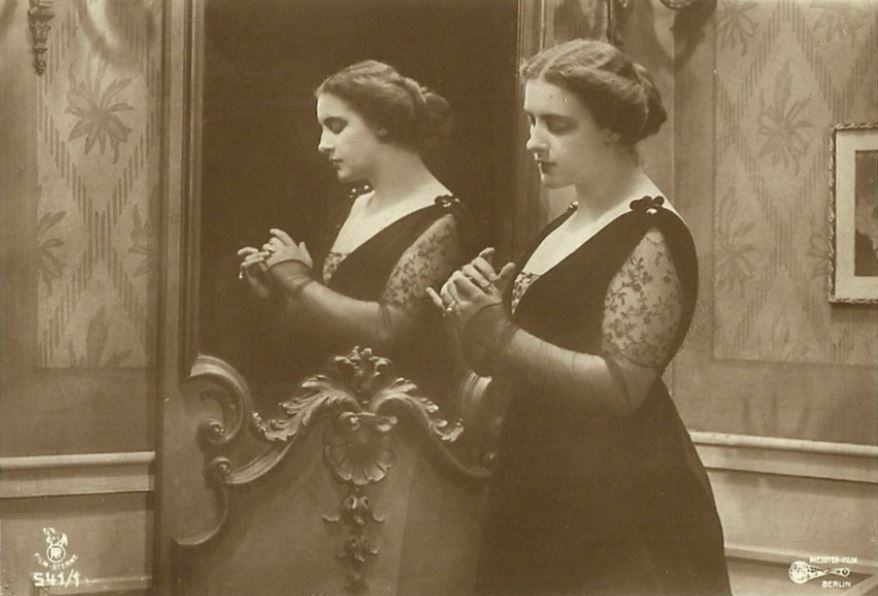
The tension and allure of this encounter are palpable, a masterclass in silent film's ability to create atmosphere and psychological drama. The dance, the fleeting glances, the unspoken understanding – all contribute to a sense of profound intimacy developing between two individuals who, paradoxically, know nothing of each other's outward identities. This scene is a powerful metaphor for the human desire to be seen and understood beyond the roles we are forced to play. It asks a fundamental question: can true love, true connection, only flourish when the societal masks are shed, even if temporarily?
While Henny Porten undeniably anchors the film with her remarkable portrayal of Jolanthe, the supporting cast contributes significantly to the film's rich texture. Olga Engl and Elsa Wagner, though their roles might be less central, embody the societal figures and familial pressures that define Jolanthe's world. Their performances, often subtle in their disapproval or expectation, serve as a constant reminder of the external forces shaping the protagonist's life. Walfried Mellin as Count Falcon, despite his brief appearance, effectively establishes the character's aristocratic bearing and the emotional distance he maintains from Jolanthe, making her subsequent liberation all the more impactful.
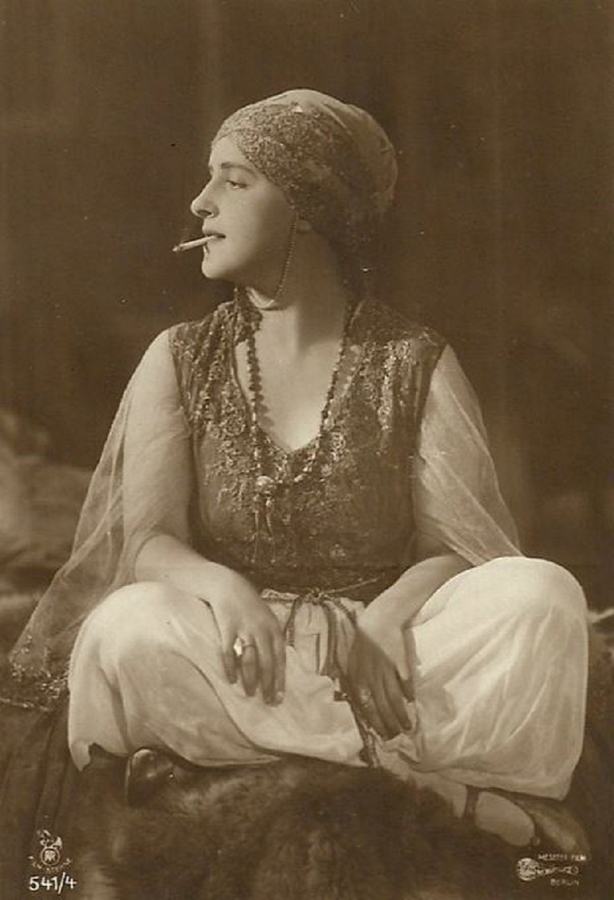
Bruno Decarli, Ernst Wendt, Carl Zickner, and Bruno Eichgrün, in their various capacities, populate the film's social landscape, adding layers of authenticity to the masked ball and other scenes of societal interaction. Each actor, through their nuanced pantomime and physical presence, helps to build a believable world for Jolanthe's emotional journey. The collaborative effort of this ensemble underscores the artistry of silent cinema, where every gesture, every expression, had to carry significant narrative and emotional weight. Their collective performances create a vibrant backdrop against which Porten's central drama unfolds, much like the intricate character dynamics seen in Children of the Stage; or, When Love Speaks, where an ensemble similarly contributes to the emotional resonance of the central narrative.
The narrative's thematic depth owes a considerable debt to the literary influence of Honoré de Balzac, whose pervasive examination of societal mores, class distinctions, and the human condition often centered on individuals navigating complex social landscapes. While W. Böllinghoff adapted the screenplay, the echoes of Balzac's keen observations on Parisian high society and the hidden lives of its denizens are unmistakable. The film, much like Balzac's novels, delves into the psychological intricacies of its characters, exploring the tension between societal expectations and individual desires. The 'mask' here can be seen as a literal manifestation of the figurative masks his characters so often wore in his literary works.
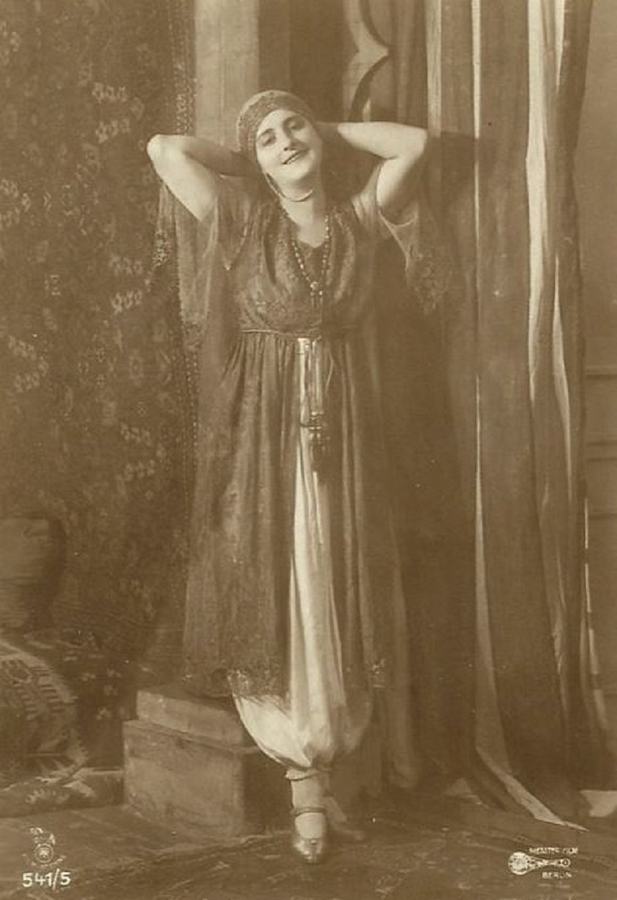
Böllinghoff's adaptation successfully translates these grand literary themes into the visual language of silent film. The script, though sparse in intertitles, is rich in dramatic implication, allowing the visuals and performances to carry the bulk of the storytelling. This is a testament to the era's understanding of cinematic narrative, where economy of dialogue necessitated a heightened reliance on visual metaphor and expressive acting. The writers craft a story that is both specific to its time and universally resonant, exploring questions of authenticity, identity, and the elusive pursuit of happiness in a world often governed by superficialities.
Beyond the literal masks worn at the ball, Das Maskenfest des Lebens is replete with metaphorical masks. Jolanthe herself wears a mask of societal compliance during her marriage, hiding her true feelings behind a veil of aristocratic decorum. The Count, too, wears a mask of indifference, perhaps to protect himself or simply because his nature dictates it. Society, with its rigid conventions and expectations, imposes masks on all its members, dictating how they should grieve, how they should love, and how they should live. The masked ball, therefore, becomes a space of temporary liberation, a liminal zone where these imposed identities can be shed, allowing for a fleeting glimpse of genuine self.
This exploration of hidden identities and inner truths resonates deeply with other films of the era that grappled with similar themes. One might consider The Gentle Intruder, which, in its own way, examines the disruption of established social orders by an external, often enigmatic, force. Or even the stark moral choices presented in a film like The Soul of Satan, where characters wrestle with their true selves versus the facades they present to the world. The power of Das Maskenfest des Lebens lies in its elegant simplicity in presenting these complex psychological ideas, making them accessible through compelling visual narrative.
The film's direction, while perhaps not as overtly experimental as some of its German Expressionist contemporaries, is nevertheless highly effective in conveying mood and narrative. The use of mise-en-scène, particularly in the opulent settings of the aristocratic world and the bustling energy of the masked ball, creates a vivid backdrop for the emotional drama. The cinematography, with its careful framing and lighting, often isolates Jolanthe, emphasizing her solitude even amidst grandeur. The pacing, characteristic of silent films, allows for moments of quiet reflection, drawing the audience into Jolanthe's internal world.
Even without the benefit of sound, the film communicates a rich tapestry of emotion, relying on the universal language of human expression. The score, were it extant and performed as intended, would undoubtedly amplify the film's pathos and romanticism. Its lasting impact stems from its timeless themes: the search for love, the struggle for individuality against societal pressure, and the courage to seek authenticity. It reminds us that even in an age dominated by grand gestures, the most profound dramas often unfold within the quiet confines of the human heart.
In conclusion, Das Maskenfest des Lebens stands as a compelling testament to the artistry and thematic depth of early German cinema. It is a film that, despite its age, speaks directly to the enduring human quest for genuine connection and the courage required to peel back the layers of societal expectation. Henny Porten's performance is a particular highlight, her nuanced portrayal of Jolanthe anchoring the film's emotional core and inviting deep empathy from the viewer. The film's exploration of the mask, both literal and metaphorical, offers a rich field for contemplation, making it far more than a simple romantic drama.
It encourages us to look beyond the surface, to question the roles we play and the identities we project, and to seek out the authentic self beneath. For those interested in the evolution of cinematic storytelling and the power of visual narrative, Das Maskenfest des Lebens is an essential viewing experience, a silent masterpiece that continues to resonate with its profound and timeless message about the human heart's yearning for truth amidst the grand masquerade of life.
IMDb 8.5
1929
Community
Log in to comment.