DbcultAccessing Vault...
5.9/10
Senior Film Conservator
A definitive 5.9/10 rating for a film that redefined the boundaries of cult cinema. The Foundling remains a cornerstone of transgressive art.
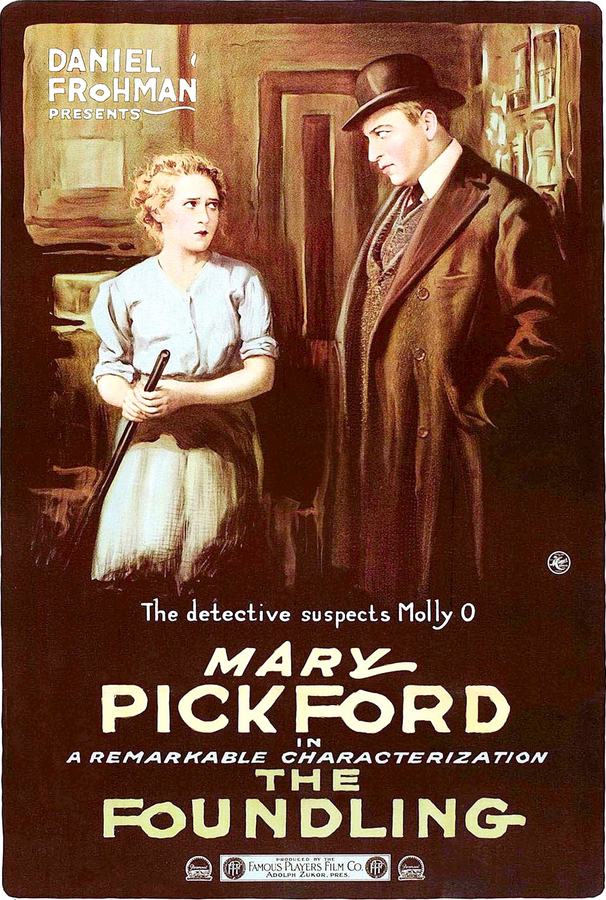
Ah, the silent era! A time when emotions were writ large across faces, when a flicker of an eye or the tremor of a hand could convey universes of feeling without a single spoken word. Among the pantheon of stars who mastered this ethereal art, one name shines with unparalleled brilliance: Mary Pickford. Her moniker, 'America's Sweetheart,' was no mere marketing gimmick; it was an earnest reflection of the affection and adoration she commanded from millions across the globe. In 1916, at the zenith of her creative powers, Pickford graced the screen in "The Foundling," a melodrama that, even today, retains its capacity to tug at the heartstrings and underscore the enduring power of maternal love.
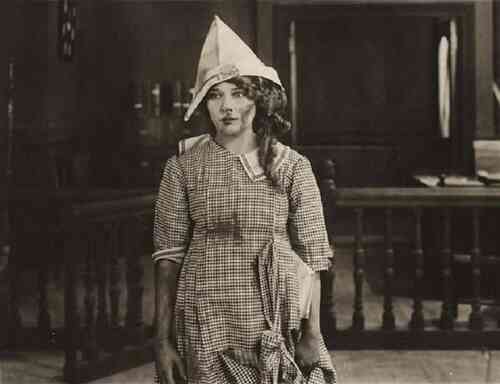
Under the astute directorial hand, and with a screenplay penned by the formidable Frances Marion, "The Foundling" delves into themes of societal judgment, class disparity, and the unbreakable bonds of family, all filtered through the captivating lens of Pickford's expressive performance. The narrative, both timeless and profoundly rooted in its period, introduces us to Mary O'Mara (Edythe Chapman), a young woman ensnared in the cruel grip of destitution. Faced with the unimaginable agony of abject poverty and the unforgiving moral landscape of early 20th-century society, she is compelled to make a heartbreaking choice: relinquish her infant daughter to the indifferent care of a foundling asylum. It is a decision born of desperation, a sacrifice etched with the deepest maternal anguish, yet one she believes offers her child a chance at a life she herself cannot provide.
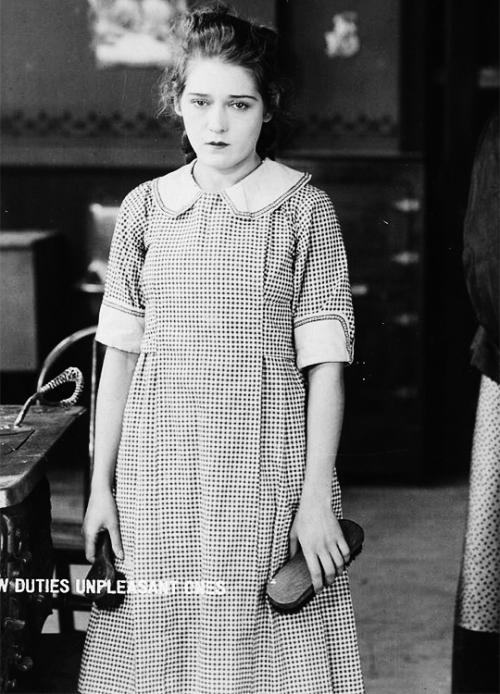
Years unfurl, and fate, in its often-capricious manner, begins to weave a tapestry of astonishing coincidence. The abandoned infant, also named Mary, blossoms into a spirited, somewhat mischievous, but ultimately resilient young girl within the austere confines of the orphanage. Pickford, with her signature blend of wide-eyed innocence and tenacious defiance, imbues the character of the foundling with an irresistible charm. Her Mary is not a passive victim of circumstance; she is a vibrant force, a beacon of hope against the drab backdrop of institutional life, often finding herself at odds with the strictures imposed by the matron and staff. Concurrently, Mary O'Mara, through a stroke of fortune or perhaps sheer will, ascends the social ladder, acquiring wealth and status. Yet, her newfound affluence cannot assuage the gnawing void left by her lost child. Haunted by the past, she lives with a secret sorrow, a maternal ache that no amount of luxury can fill.
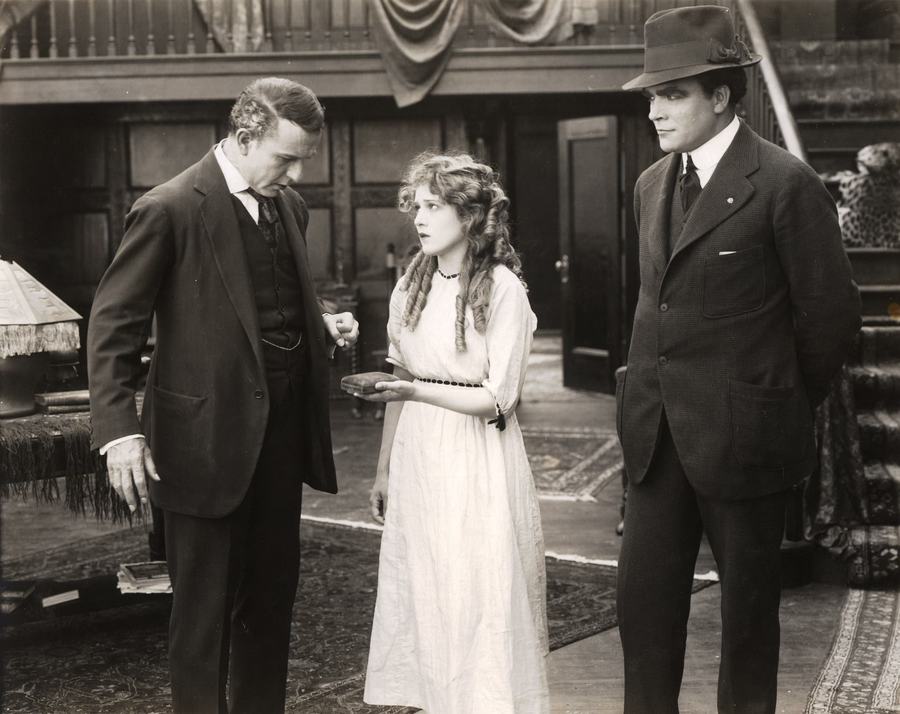
It is in this emotional crucible that the film's central conceit truly takes hold. Driven by an inexplicable yearning, Mrs. O'Mara decides to adopt a child, seeking to fill the emptiness in her grand, but desolate, home. And so, through a twist of irony that only melodrama can so perfectly orchestrate, she finds herself drawn to the very orphanage where she left her daughter, and, more astonishingly, to the very child she abandoned. The adoption proceeds, and young Mary, the foundling, is transplanted from the stark reality of the asylum into the opulent, yet emotionally complex, world of her birth mother. The dramatic tension here is palpable, a silent hum of impending revelation that permeates every frame. Neither woman is aware of their true connection, yet an unspoken bond, a primal recognition, seems to flicker between them.
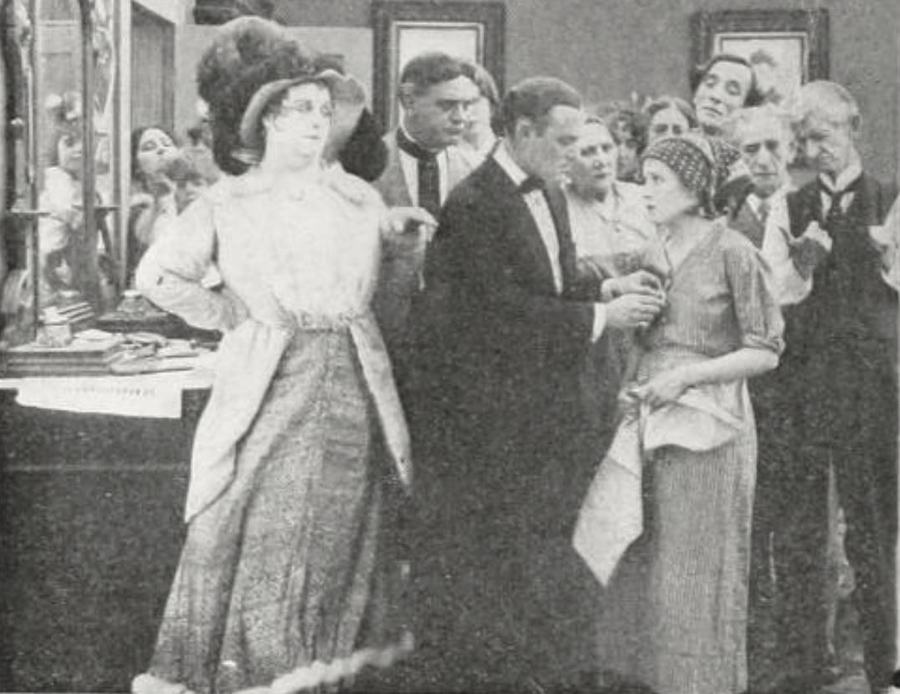
Pickford's performance during this period is a masterclass in subtlety. Her Mary, though now surrounded by finery, carries an inherent sense of displacement, a longing for something she cannot name. She is a wildflower in a manicured garden, her untamed spirit struggling against the confines of high society. Edythe Chapman, as the conflicted mother, skillfully conveys a woman torn between her present respectability and the ghosts of her past. Her gaze, often lingering on Mary, betrays a maternal instinct she cannot consciously acknowledge but which manifests as an overwhelming tenderness. The dynamic between them is a delicate dance of unspoken affection and unconscious recognition, making the audience yearn for the moment of truth.

The film cleverly introduces several supporting characters who either complicate or facilitate the eventual revelation. Harry Ham, often cast as Pickford's romantic interest, likely plays a sympathetic figure, perhaps a young man from the orphanage or a new acquaintance who sees Mary for who she truly is, beyond her status as a foundling. Figures like Robert Cain, Edward Martindel, and Donald Crisp could embody societal antagonists, skeptical relatives, or even benevolent benefactors, each adding layers to the unfolding drama. The societal pressures, the whispered judgments, and the potential for scandal are ever-present, reminding us that for women of that era, reputation was often as fragile as life itself.
Frances Marion's screenplay is a testament to her profound understanding of emotional storytelling. As one of the most prolific and successful screenwriters of her time, Marion had a knack for crafting narratives that showcased the strengths of her leading ladies, particularly Pickford. Here, she masterfully builds suspense, allowing the audience to anticipate the inevitable discovery, while simultaneously reveling in the quiet moments of nascent mother-daughter bonding. The visual language of the film, characteristic of the era, relies heavily on close-ups to capture the nuances of expression, elaborate sets to denote class distinctions, and carefully choreographed blocking to convey emotional distance or intimacy.
Comparing "The Foundling" to other films of its time reveals its unique strengths. While many melodramas often veered into excessive sentimentality, this film maintains a delicate balance, grounded by Pickford's authentic portrayal. It shares thematic resonance with films exploring social issues and the plight of women, much like Her Life for Liberty, which likely championed a strong female protagonist navigating societal challenges. The theme of fidelity and enduring familial bonds, so central to "The Foundling," finds echoes in a film such as Loyalty, where personal allegiances are tested against external pressures. The shadow of past mistakes and their lingering effects, a narrative device explored here through Mrs. O'Mara's secret, can also be seen in films like The Taint, which often dealt with social stigma and its consequences.
The climax of "The Foundling" is, as one might expect from a silent melodrama, a powerful and cathartic release. The truth of their relationship is unveiled, perhaps through a forgotten locket, a birthmark, or a dramatic confrontation where long-held secrets burst forth. The moment of recognition, the dawning realization in the eyes of both mother and daughter, is meticulously crafted to evoke maximum emotional impact. Pickford's ability to convey profound emotion – joy, relief, and the deep ache of reunion – without a single word, is truly breathtaking. It is a testament to her unparalleled skill as an actress and her innate understanding of the human condition.
This film, like many of Pickford's works, transcends mere entertainment; it offers a window into the social fabric and moral anxieties of its era. It speaks to the universal desire for belonging, the profound power of maternal love, and the resilience of the human spirit in the face of adversity. The journey of the foundling, from an anonymous child to a beloved daughter, resonates deeply, affirming that blood ties, however severed by circumstance, often find a way to reassert themselves. The film’s conclusion, a triumphant affirmation of family, provides the emotional closure that audiences of the time, and indeed today, crave.
In retrospect, "The Foundling" stands as a significant entry in Mary Pickford's illustrious filmography. It showcases her unparalleled talent for embodying characters who are simultaneously vulnerable and strong, innocent yet wise beyond their years. The film's enduring appeal lies not just in its compelling narrative or its star's charisma, but in its ability to tap into fundamental human emotions that remain timeless. It reminds us that even in the absence of spoken dialogue, the language of the heart can be universally understood. For aficionados of silent cinema, or anyone seeking to understand the foundational artistry of film, "The Foundling" remains a compelling and deeply moving experience, a testament to the magic that unfolded on screens over a century ago.

IMDb —
1931
Community
Log in to comment.