DbcultAccessing Vault...
4/10
Senior Film Conservator
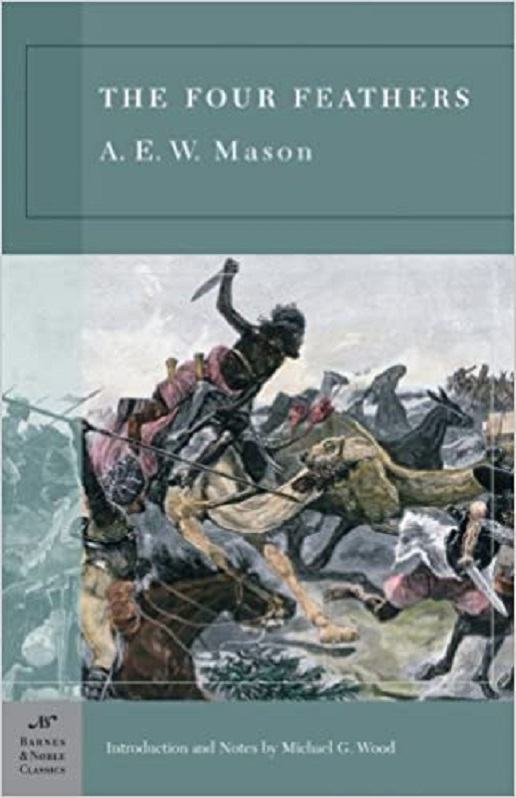
A definitive 4/10 rating for a film that redefined the boundaries of cult cinema. The Four Feathers remains a cornerstone of transgressive art.
In the annals of cinematic history, certain narratives resonate with an almost mythical quality, their thematic power transcending the limitations of their era. A.E.W. Mason's The Four Feathers, in its 1921 cinematic incarnation, stands as a formidable testament to this phenomenon. This early silent film, penned by Mason himself alongside Daisy Martin, plunges viewers into a world where honor is a tangible currency, cowardice a damning brand, and redemption an arduous, often solitary, pilgrimage. It's more than a mere adventure story; it’s a profound psychological drama cloaked in the grand tapestry of colonial warfare, examining the very essence of bravery and the societal pressures that shape our perceptions of it.
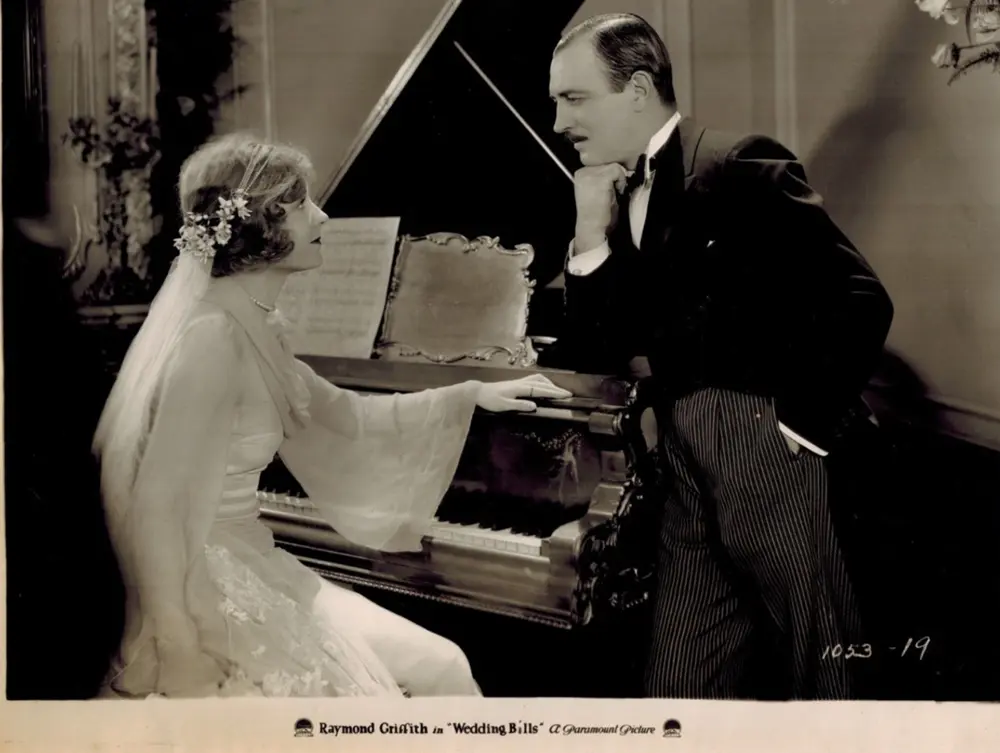
The film introduces us to Harry Faversham, portrayed with a nuanced vulnerability by Roger Livesey, a young officer from a distinguished military lineage, on the cusp of deployment to the Sudan. His world, ostensibly one of privilege and assured valor, is shattered by an internal tremor – a profound, almost paralyzing, fear of battle. This isn't the theatrical, easily dismissed cowardice of a villain, but a deeply human, almost existential dread that forces him to make a choice that will forever alter his trajectory. The decision to resign his commission, made on the eve of his regiment's departure, is met with swift and brutal judgment: three white feathers, symbols of utter disgrace, delivered by his closest comrades and his beloved fiancée, Gwen Williams. This moment, stark and unforgiving, is the crucible from which Faversham's true journey begins. It's a striking parallel to the internal and external conflicts explored in The Hidden Scar, where past transgressions or perceived flaws haunt protagonists, driving them to desperate measures for absolution.
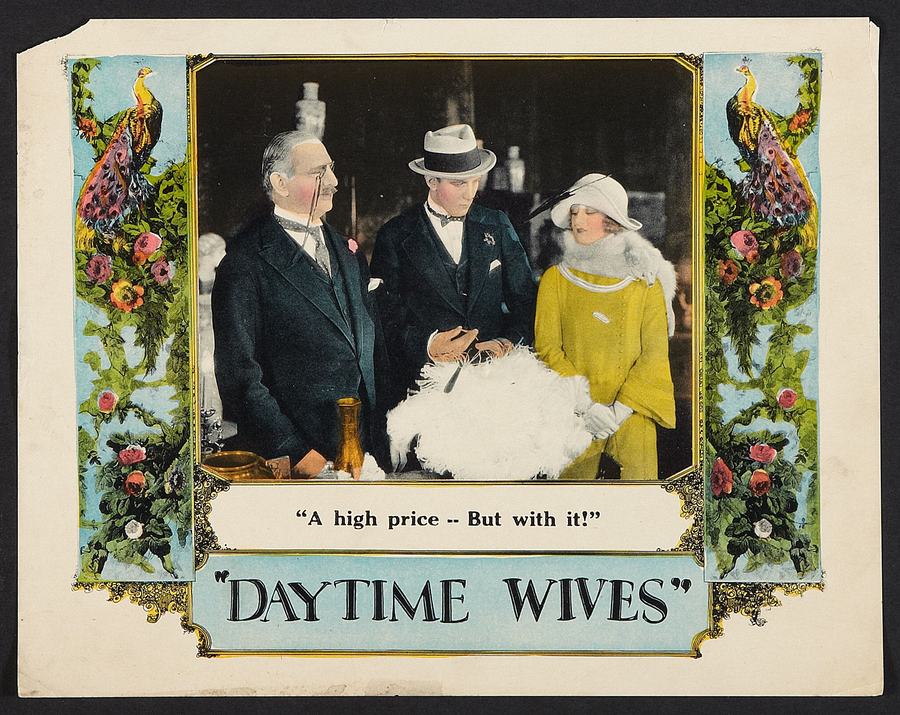
The white feather, an emblem of shame dating back to the Boer War, serves as the narrative's potent catalyst. It’s not just an object; it's a physical manifestation of societal scorn, a public denouncement that strips Faversham of his identity and his future. The brilliance of Mason's storytelling, faithfully translated to the screen, lies in transforming this act of perceived cowardice into the very impetus for an extraordinary display of courage. Faversham's subsequent quest isn't merely about proving his bravery to others, but about confronting his own demons, redefining what it means to be courageous, and ultimately, finding self-forgiveness. This profound exploration of personal accountability and the desire to rectify past errors echoes the core themes often found in films like Her Mistake, where characters grapple with the consequences of their choices and strive for redemption.
His decision to embark on a perilous, solitary mission to the Sudan, disguised as a mute Arab, 'Djinn', is an act of audacious self-immolation. He sheds his privilege, his identity, and his very voice, immersing himself in the alien, hostile landscape of the Dervish uprising. This transformation is not just physical; it's a spiritual crucible where his innate fears are tested, not in the structured environment of a military campaign, but in the raw, unpredictable chaos of espionage and survival. The film masterfully portrays the sheer audacity of this undertaking, making Faversham’s journey a compelling study in identity and sacrifice. He becomes an unseen guardian, a silent sentinel, meticulously orchestrating the rescue of his former comrades, all while enduring unimaginable hardship and the constant threat of exposure and brutal death.
The Sudanese setting is more than just a backdrop; it's an active character in Faversham's narrative. The harsh deserts, the fervent Dervish warriors, and the unforgiving climate all contribute to the overwhelming sense of peril and isolation. Director M. Gray Murray, with his vision, manages to convey the epic scale of the conflict, even within the confines of early silent cinema. The cinematography, while constrained by the technology of the time, still evokes a sense of sweeping grandeur and claustrophobic tension when Faversham is in disguise, navigating enemy territory. The film’s depiction of colonial military life, while certainly a product of its era, offers a fascinating glimpse into the mindset and perceived 'duty' of the British Empire, a theme that, while not directly comparable, shares a broad sense of nationalistic fervor and power dynamics with films like Power, albeit in vastly different contexts.
The gradual revelation of Faversham's true identity to his unsuspecting comrades, particularly Harry Ham's character, is handled with a delicate touch, building suspense and emotional impact. Each feather he retrieves, not through direct combat but through cunning, sacrifice, and unwavering dedication, represents a step towards personal and public absolution. The irony is poignant: the very acts that mark him as a hero are performed under the veil of a despised 'other', challenging the simplistic binary of friend and foe, brave and coward. This nuanced portrayal of heroism, where true courage manifests not in bravado but in quiet, self-sacrificing dedication, elevates the film beyond a simple adventure yarn.
For a silent film, the performances are remarkably expressive. Roger Livesey, as Harry Faversham, carries the emotional weight of the film with his intense gaze and subtle gestures. His transformation from a tormented officer to a hardened, resourceful operative is conveyed with compelling conviction. Gwen Williams, as Faversham's fiancée, brings a sympathetic depth to a character who must grapple with her own judgments and subsequent regret. Her initial disdain, followed by a growing realization of Faversham's true character, mirrors the audience's own evolving understanding. The supporting cast, including Henry Vibart and Robert English, effectively embody the stiff-upper-lip ethos of British officers, making Faversham's deviation all the more stark. The silent era demanded a particular physicality and exaggerated expressions, yet the actors here manage to convey genuine emotion without descending into melodrama, a testament to their craft.
The film’s pacing, while perhaps deliberate by today's standards, allows for a meticulous unfolding of the plot, building tension through intertitles and dramatic visual cues. The use of location shooting, when possible, adds an authentic texture, transporting the audience to the sun-baked landscapes of the British colonial enterprise. While technological limitations meant certain sequences might lack the visceral impact of later adaptations, the storytelling remains robust and emotionally engaging. It's a testament to the enduring power of a well-crafted narrative that it can still captivate audiences a century later, relying on its core themes rather than special effects.
Beyond the thrilling adventure and the personal redemption arc, The Four Feathers delves into deeper philosophical questions. It challenges the conventional definitions of courage, suggesting that true bravery often lies not in the absence of fear, but in the willingness to act despite it. It explores the corrosive nature of societal judgment and the profound impact it can have on an individual. Faversham's journey is an exploration of self-discovery, where he sheds the expectations of his class and family to forge his own path to honor. His transformation from an outwardly disgraced officer to an inwardly resolute hero offers a compelling blueprint for overcoming personal failings and societal condemnation. This struggle for internal peace amidst external chaos finds echoes in narratives of profound personal crisis, such as those that might be implied in the overarching themes of Life's Whirlpool, where characters are buffeted by circumstances beyond their control but find strength within.
The film also touches upon themes of identity and disguise, elements that are perennial favorites in storytelling. Faversham's adoption of an Arab identity is not merely a plot device; it forces him to inhabit the world of the 'other,' gaining a perspective that his privileged upbringing would never have afforded him. This immersion in a different culture, even under duress, subtly broadens his understanding of the world and himself. It's a form of profound empathy born out of necessity, transforming his character in ways that conventional heroism never could. The act of shedding his past and assuming a new persona, albeit temporary, is a powerful metaphor for the internal shedding of his perceived cowardice.
The enduring appeal of Mason's story is evident in its numerous adaptations across various decades, each attempting to capture the essence of this timeless tale. Yet, the 1921 silent version holds a unique charm. It’s a snapshot of early cinematic prowess, showcasing how powerful storytelling could be conveyed without synchronized sound, relying instead on visual narrative, compelling performances, and the evocative power of intertitles. It reminds us that the core elements of human drama – fear, courage, honor, and redemption – remain universal, regardless of the technological advancements in filmmaking.
Ultimately, The Four Feathers (1921) is more than a historical curiosity; it's a vibrant, emotionally resonant film that continues to speak to contemporary audiences. It challenges us to look beyond superficial judgments, to question the nature of true bravery, and to recognize the profound strength that can emerge from vulnerability. It’s a compelling narrative of a man who, branded a coward, undertakes an extraordinary odyssey to reclaim his honor, not through a display of conventional heroism, but through a clandestine, self-sacrificing valor that redefines the very meaning of courage. For those willing to immerse themselves in the rich tapestry of early cinema, this film offers a deeply satisfying and thought-provoking experience, a journey into the heart of human nature and the timeless pursuit of redemption.
It’s a story that compels us to ponder: what does it truly mean to be brave? Is it the absence of fear, or the triumph over it? Is honor bestowed by others, or earned through one's own actions, however unseen? The film doesn't offer simplistic answers but rather a complex, deeply human exploration that resonates long after the final frame. The silent era, often underestimated, here delivers a narrative of immense power and emotional depth, proving that true artistry transcends the limitations of its medium. The Four Feathers, in this early form, remains a vital piece of cinematic heritage, a beacon of adventurous spirit and profound introspection.
IMDb 6.4
1925
Community
Log in to comment.