DbcultAccessing Vault...
5.6/10
Senior Film Conservator
A definitive 5.6/10 rating for a film that redefined the boundaries of cult cinema. The Sins of the Mothers remains a cornerstone of transgressive art.
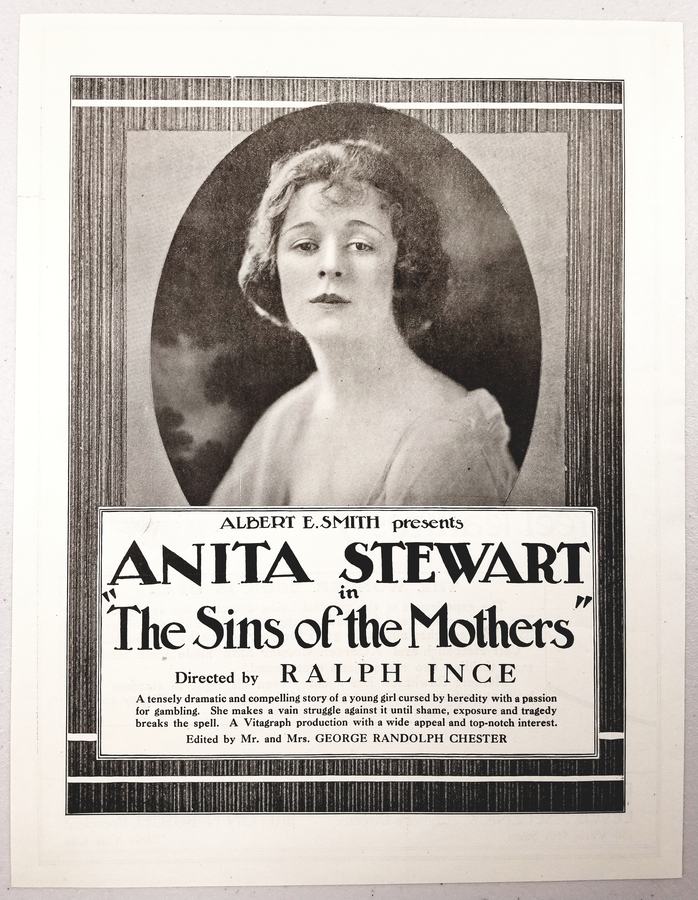
The 1914 Vitagraph production, The Sins of the Mothers, stands as a haunting testament to the early cinema's obsession with biological determinism. Long before the modern psychological thriller dissected the nuances of addiction, this silent-era masterwork proposed a far more terrifying concept: that vice is a legacy, an unshakeable phantom lurking within the very marrow of one's bones. Directed with a surprisingly modern sense of pacing by Ralph Ince, the film navigates the treacherous waters of Victorian morality while dipping its toes into the burgeoning realism that would eventually define the medium. It is a film that doesn't merely depict a fall from grace; it chronicles a preordained descent into a hell crafted by the previous generation.
Anita Stewart, in a performance that oscillates between ethereal innocence and a manic, wide-eyed desperation, portrays Trix. She is a character caught in the crosshairs of a societal transition. On one hand, she represents the pure, convent-bound ideal of femininity; on the other, she is the vessel for a 'gambling fever' inherited from her mother, Mrs. Raymond. This juxtaposition is not merely a plot point; it is the central architectural pillar of the film's drama. Unlike the more straightforward moralism found in The County Chairman, Ince’s work here delves into a darker, more fatalistic territory that feels strikingly similar to the naturalism found in Zola or Ibsen.
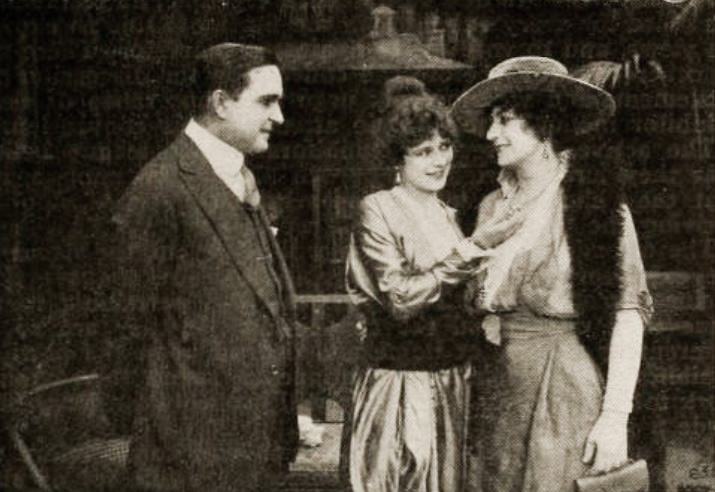
The narrative structure of the film is a masterclass in tension. We begin with the attempt to 'cleanse' the bloodline. Mrs. Raymond, portrayed with a weary, tragic gravitas by Julia Swayne Gordon, understands the poison she carries. Her decision to send Trix to a convent is an act of desperate exorcism. The silent medium excels here—the stark, white-washed walls of the convent stand in visual opposition to the ornate, shadow-drenched dens of the gambling resort. This visual dichotomy prepares the audience for Trix’s inevitable failure. When Trix expresses a desire to become a nun, we see a flicker of hope, but the film’s cruel irony demands she test her faith in the 'social world.' It is a classic 'one year' trial that feels like a sentence rather than an opportunity.
As Trix enters the gay social set, the film’s aesthetic shifts. The cinematography captures the dizzying whirl of the elite, where the 'beginner's luck' of the gaming table acts as a gateway drug. The way Ralph Ince frames Stewart’s face during her first win is chilling. There is a primal hunger that flickers across her features—a transformation that suggests the 'mother's sin' has finally found its host. This isn't just about money; it's about the dopamine hit of the risk. It echoes the thematic weight of Et Syndens Barn, where the past acts as a tether that eventually pulls the protagonist into the abyss.
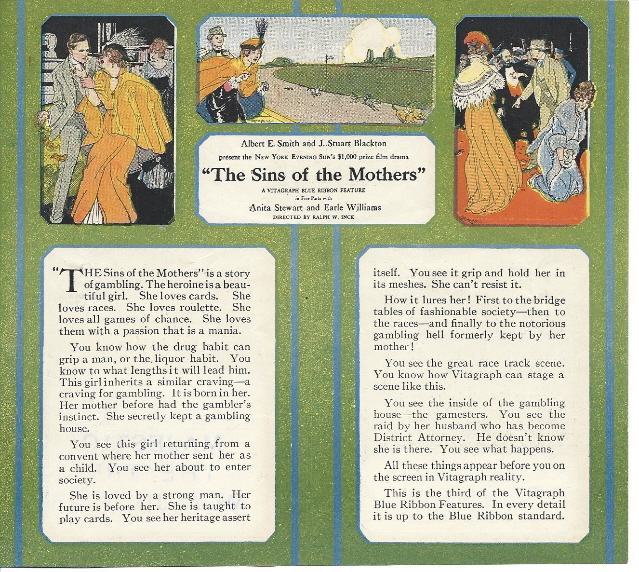
The mid-section of the film focuses on the domestic consequences of Trix’s addiction. Her marriage to Norris (Earle Williams) should be her salvation. Norris represents the law, the order, and the stability of the burgeoning American middle class. However, the 'gambling fever' is a clandestine rot. The scenes where Trix bets on horse races behind her husband's back are played with a palpable sense of anxiety. The stakes are heightened when she begins to borrow from Dovey, the old servant. This is a crucial turning point—the addiction has moved from a personal vice to a social parasite, consuming those who are most loyal to her.
The theft and subsequent pawning of the necklace is a sequence that rivals the tension in The Cheat. When Dovey is accused, the moral weight of the film becomes almost unbearable. Trix’s silence is her greatest sin. The performance by Mary Maurice as Dovey provides the film’s emotional anchor; her willingness to lie for her mistress highlights the tragic disparity between the classes. Trix isn't just a gambler; she is a predator, albeit an involuntary one. The discovery of the pawn ticket by Norris is a moment of pure cinematic catharsis, a confrontation that strips away the veneer of respectability and reveals the 'almost insane' state of the addict.
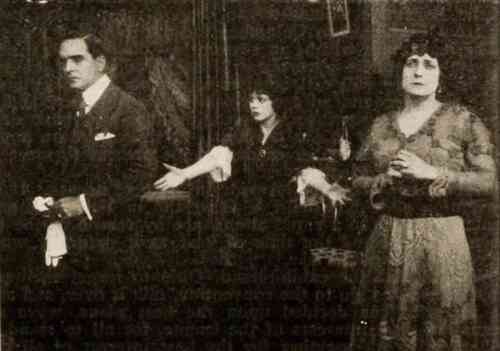
The final act shifts into the realm of the political and the sacrificial. Norris, now the District Attorney, becomes the literal embodiment of the law. His crusade against gambling creates a collision course with his own wife. This narrative device—the hunter unknowingly pursuing his own heart—is a staple of melodrama, but it is executed here with remarkable grit. The character of Henri De Voie (Paul Scardon) serves as the perfect antagonist: a shark who has purchased Mrs. Raymond's old business and now lures Trix back into the fold. The gambling house is depicted not as a place of glamour, but as a trap, a labyrinth from which there is no escape.
The raid sequence is the film’s technical highlight. The use of lighting and movement creates a sense of chaotic urgency. When Norris bursts through the doors, the revelation of his wife’s presence is a devastating blow. The film cleverly avoids a simple moralistic ending by introducing the element of physical danger. De Voie’s attempt to assassinate Norris shifts the focus from Trix’s guilt to her mother’s redemption. Mrs. Raymond, who has spent the film watching her daughter repeat her own mistakes, finally finds a way to break the cycle. Her death is not just a plot convenience; it is a ritualistic shedding of the 'sins of the mother.'
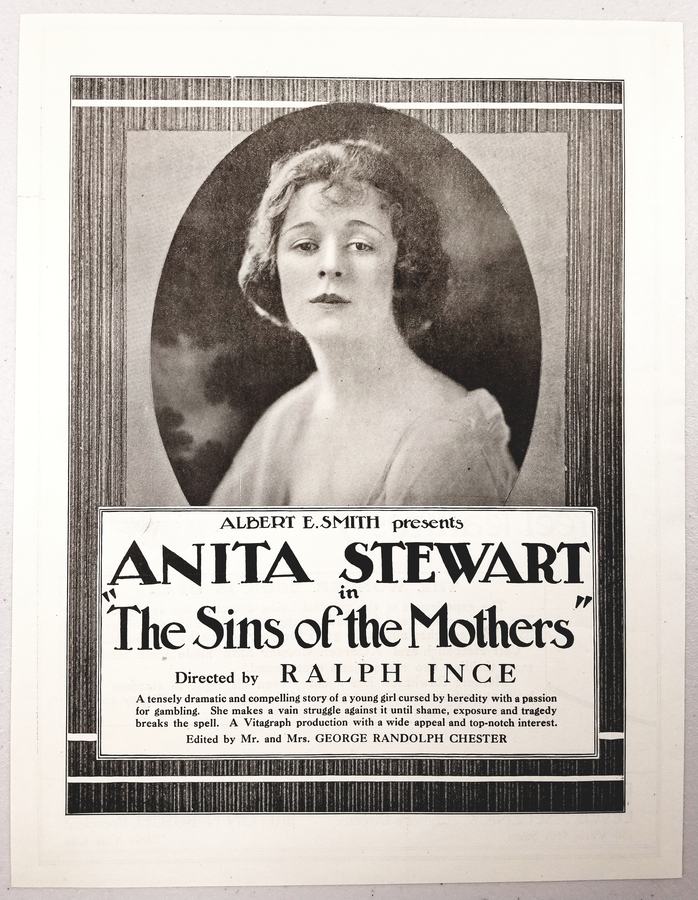
Ralph Ince’s direction deserves significant praise. In an era where many films were still stagey and static, The Sins of the Mothers utilizes deep focus and meaningful blocking to tell its story. The way characters are positioned within the frame often reflects their moral standing—Norris is frequently seen in high-key, stable compositions, while Trix is often engulfed by the shifting shadows of the gambling dens. The editing, particularly during the climax, shows a sophisticated understanding of cross-cutting to build suspense.
Anita Stewart’s portrayal of Trix is a landmark of silent acting. She avoids the over-the-top gesticulation common in the period, opting instead for a more internalised struggle. Her eyes convey the 'fever' with a haunting intensity that makes the character’s relapse feel inevitable rather than merely weak-willed. Julia Swayne Gordon provides the perfect counterpoint, her face a map of regret and maternal agony. The chemistry between the cast members gives the film a weight that transcends its melodramatic roots, making it feel more like a precursor to the film noir of the 1940s than a simple morality play from 1914.
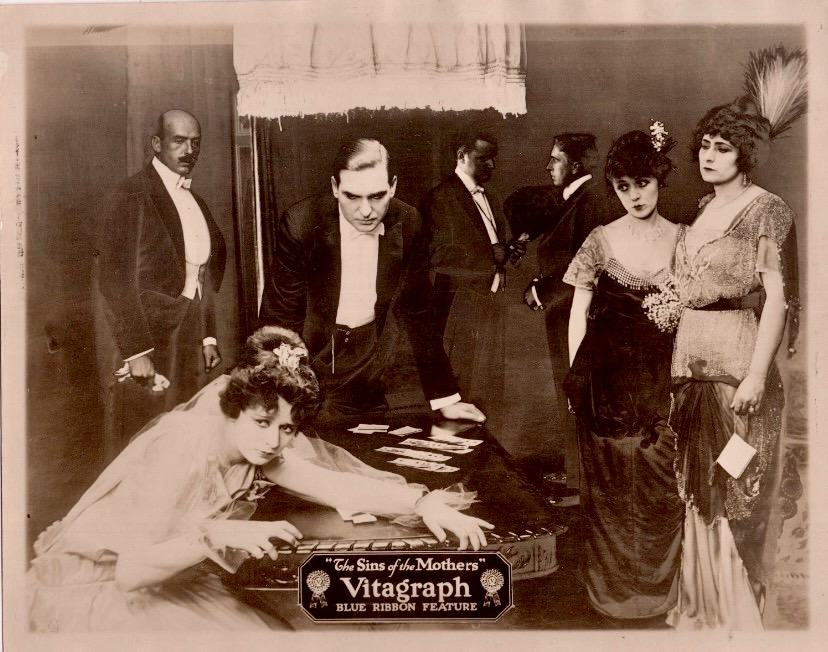
While films like Oliver Twist deal with the environment’s role in shaping a person, The Sins of the Mothers is much more concerned with the internal, biological drive. It shares a certain DNA with The Walls of Jericho in its critique of the upper-class social set, but its focus remains laser-targeted on the mother-daughter dynamic. The film’s conclusion, where Trix turns her back on the gaming table 'forever,' is a standard concession to the censors of the time, yet the preceding 80 minutes suggest a much more complex and perhaps more pessimistic view of human nature.
In the broader context of 1914 cinema, which saw the release of diverse works like The Flying Circus and Jess of the Mountain Country, Ince’s film stands out for its psychological depth. It doesn't rely on the spectacle of the circus or the ruggedness of the mountains; it finds its drama in the quiet, agonizing twitch of a hand reaching for a betting slip. It is a film that demands to be seen not just as a historical curiosity, but as a genuine piece of art that grapples with the eternal questions of agency, heritage, and the possibility of change.
The Sins of the Mothers is a bruising, brilliantly acted drama that serves as a grim reminder of cinema's long-standing fascination with the darker side of the human psyche. With its sharp direction and a powerhouse performance by Anita Stewart, it remains one of the most compelling explorations of addiction from the silent era. It is a haunting, visual poem about the ghosts we inherit and the high price of exorcising them. If you are a fan of early cinema that takes its themes seriously, this Vitagraph gem is an essential watch.
IMDb —
1916
Community
Log in to comment.