DbcultAccessing Vault...
5.9/10
Senior Film Conservator
A definitive 5.9/10 rating for a film that redefined the boundaries of cult cinema. The Fungi Cellars remains a cornerstone of transgressive art.
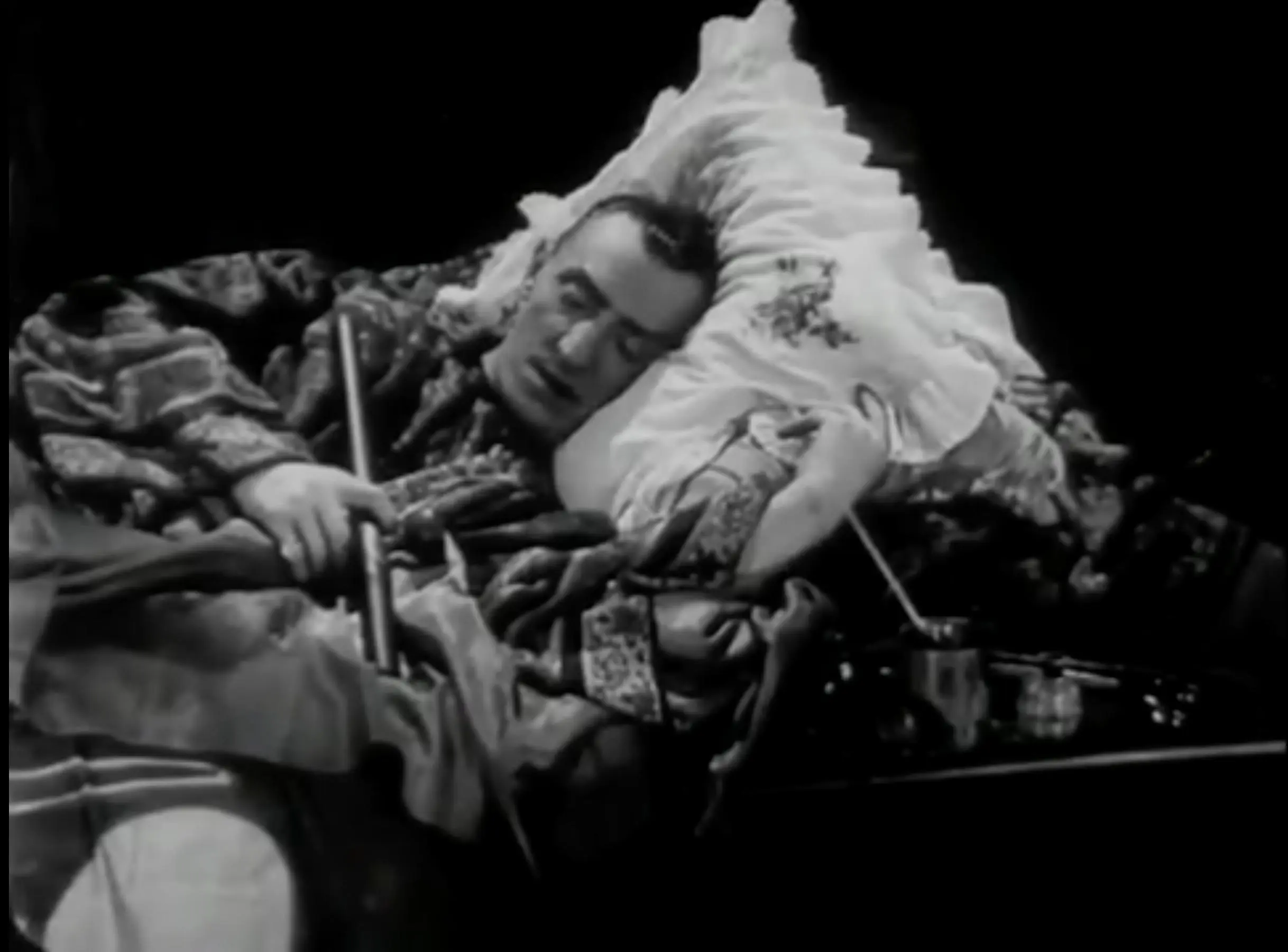
When the name Dr. Fu‑Manchu surfaces, the audience instinctively braces for a spectacle of diabolical cunning wrapped in exotic intrigue. In The Fungi Cellars, the sixth episode of the series, the mastermind’s villainy is transmuted from the usual razor‑sharp machinations into a visceral, almost primordial threat: a cavernous vault teeming with gigantic mould spores that threaten to annihilate the very air the protagonists depend upon.
The episode commences with Sir Nayland Smith and Dr. Petrie pursuing Fu‑Manchu through a rain‑slicked alley that feels ripped from a noir tableau. The cinematography, drenched in chiaroscuro, hints at the impending plunge into darkness. The camera’s slow dolly into a rust‑caked grate foreshadows the descent into a chamber where nature herself becomes the antagonist.
Once inside, the audience is greeted by a cavern that resembles a cathedral of decay. The walls are slick with a viscous, amber‑tinged slime that glistens under a single, flickering bulb. Gigantic mould spores, each the size of a basketball, dangle like grotesque ornaments, releasing clouds of spores that swirl in a slow, hypnotic vortex. The set designers clearly consulted mycological diagrams, as the mycelial patterns etched into the stone evoke the fractal geometry of real fungal networks.
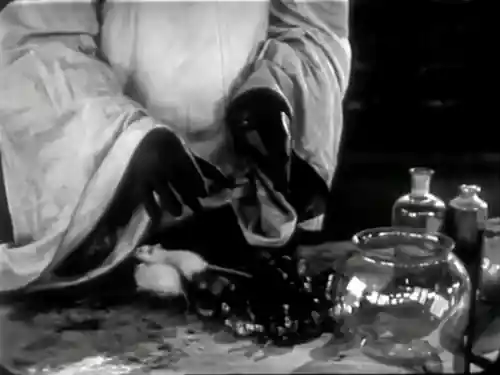
The auditory design is equally meticulous: a low, constant hum reminiscent of a distant hive, punctuated by the occasional pop of a spore bursting. This soundscape amplifies the claustrophobic tension, making the audience feel as though the very air is thickening around them.
Humberston Wright, embodying Sir Nayland Smith, delivers a performance that balances stoic resolve with a flicker of vulnerability. His eyes, often narrowed against the choking haze, convey a silent dialogue with the audience: “I will not be outwitted by a fungus.” Fred Paul, as Dr. Petrie, injects a scientific curiosity that feels authentic to the era’s fascination with microbiology. Their banter, peppered with dry wit, serves as a counterpoint to the oppressive environment, preventing the scene from descending into pure dread.
Pat Royale’s fleeting appearance as a captured informant adds a human cost to the spores’ lethal potential, reminding viewers that Fu‑Manchu’s cruelty extends beyond abstract evil.
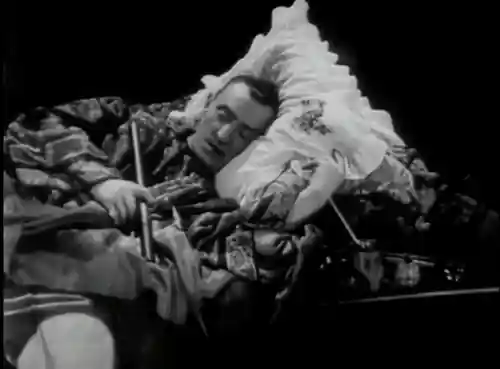
The script, co‑written by A.E. Coleby and Sax Rohmer, cleverly intertwines scientific exposition with high‑stakes action. As the spores release their toxic payload, Petrie improvises a makeshift respirator using a discarded metal canister and a length of cloth—an homage to the era’s resourceful ingenuity. Smith, meanwhile, employs his military training to destabilize the spore cluster by striking at the structural supports, creating a cascading series of tremors that threaten to collapse the entire chamber.
The tension reaches its apex when the duo must decide whether to trigger a controlled implosion that could either seal Fu‑Manchu’s plans or bury them—and themselves—under a mountain of fungal decay. The decision is rendered with palpable urgency, each second stretched by the rhythmic thudding of their heartbeats, amplified by the film’s meticulous sound design.
The director’s choice to bathe the chamber in a palette dominated by dark orange (#C2410C), sickly yellow (#EAB308), and muted sea blue (#0E7490) creates a visual tension that mirrors the narrative stakes. The orange glows from the sporadic sparks of the failing bulb, casting elongated shadows that seem to writhe like living tendrils. The yellow, present in the spore’s luminescence, provides a lurid, almost poisonous contrast against the blackened stone. The sea blue appears in the faint reflections on the damp floor, offering a fleeting sense of calm before the chaos erupts.
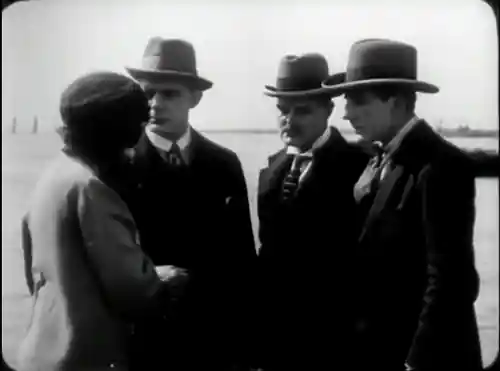
These colors are not merely decorative; they serve as visual metaphors for the episode’s themes: orange for the burning resolve of the heroes, yellow for the lethal toxicity of the environment, and sea blue for the cold, calculating intellect of Fu‑Manchu lurking beyond the walls.
While The Fungi Cellars stands alone in its fungal terror, it shares structural DNA with other period pieces that juxtapose human cunning against natural threats. For instance, the atmospheric dread of Arsena Kachagi mirrors the claustrophobic suspense here, though the latter relies on political intrigue rather than biological horror. Similarly, the relentless chase sequences echo the kinetic energy found in Brigadier Gerard, albeit with a more fantastical twist.
At its core, the episode probes the age‑old conflict between civilization and the untamed forces of nature. Fu‑Manchu’s use of spores as a weapon reflects a perverse understanding of biology—a theme that predates modern concerns about bioterrorism. The narrative suggests that the most insidious threats are those that infiltrate the very breath we take, a notion that feels eerily prescient in today’s world.
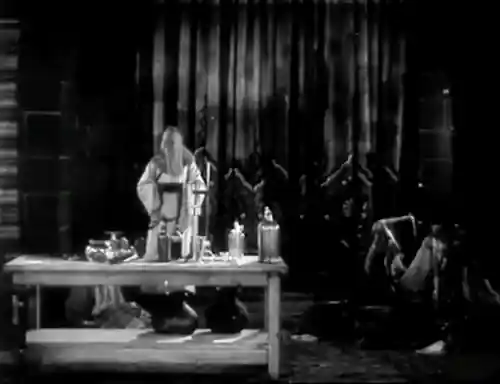
Moreover, the episode subtly critiques colonialist attitudes. The protagonists, representatives of British imperial order, confront an exotic, “othered” threat that is both literal and symbolic. Their reliance on scientific rationalism to combat the spores can be read as a metaphor for the era’s confidence in technology to subdue the unknown.
Director Frank Wilson orchestrates a rhythm that oscillates between breath‑holding stillness and frantic motion. The opening chase is shot with kinetic handheld cameras, creating a sense of immediacy. Once inside the chamber, the camera adopts a slower, more deliberate pace, lingering on the spores’ pulsating forms and the protagonists’ strained faces. This shift in tempo heightens the audience’s anxiety, as the visual tempo mirrors the characters’ dwindling oxygen supply.
The editing is crisp, with cuts that never feel gratuitous. Each splice serves to either amplify tension or provide a momentary respite, allowing viewers to process the escalating danger before being thrust back into the fray.
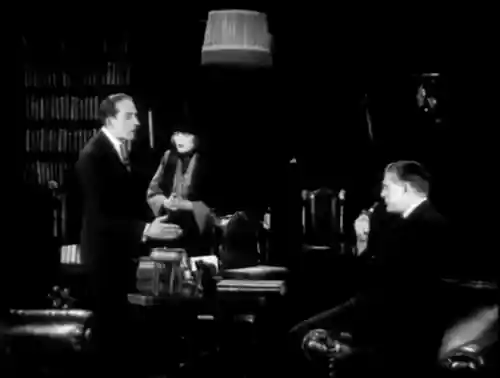
The score, a low‑drone string arrangement punctuated by percussive clangs, underlines the oppressive atmosphere. When the spores release their toxic cloud, a high‑pitched violin screech mimics the sensation of breath being torn from the lungs. The sound design’s meticulous layering—creaking metal, distant dripping water, the faint rustle of mycelium—creates an immersive soundscape that feels as threatening as the visual threats.
Decades after its initial release, The Fungi Cellars remains a benchmark for early horror‑thriller hybrids. Its willingness to blend scientific terror with classic adventure tropes paved the way for later genre‑bending works, such as The Net (1923), which also explored the intersection of technology and menace.
The episode’s influence can also be traced in modern cinema’s fascination with bio‑horror—think of contemporary films where pathogens become the primary antagonists. The visual language established here—the looming, organic structures, the claustrophobic lighting—has been echoed in countless later productions.
In sum, The Fungi Cellars succeeds on multiple fronts. Its narrative ingenuity, atmospheric set design, and thematic depth coalesce into an episode that feels both of its time and startlingly timeless. The performances, though rooted in the theatrical stylings of the 1930s, convey a sincerity that anchors the outlandish premise. The episode’s visual palette—anchored in dark orange, yellow, and sea blue—creates a striking aesthetic that continues to inspire contemporary filmmakers.
For aficionados of vintage suspense, the film offers a rewarding blend of intellectual intrigue and visceral horror. For newcomers, it serves as a reminder that the most potent monsters are often those that grow unseen, waiting to suffocate the very air we trust.
If you appreciate a story where science clashes with superstition, where the hero’s ingenuity is tested against a living, breathing threat, then The Fungi Cellars deserves a spot on your watchlist. Its legacy, cemented by its daring use of fungal terror, ensures it remains a reference point for anyone exploring the evolution of horror‑adventure cinema.
IMDb —
1912
Community
Log in to comment.