DbcultAccessing Vault...
7.1/10
Senior Film Conservator
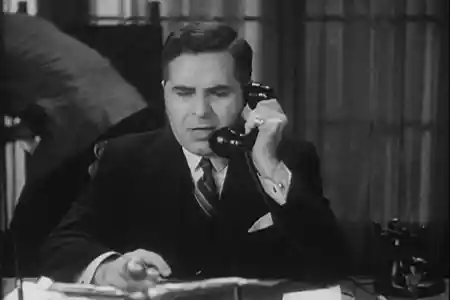
A definitive 7.1/10 rating for a film that redefined the boundaries of cult cinema. The Gigolo Racket remains a cornerstone of transgressive art.
So, The Gigolo Racket. It's one of those pictures from way back, you know? Like, if you're into the really early talkies, the ones with a certain charm, you might find something here. Folks who love seeing how movies figured out how to talk and move at the same time will probably get a kick out of it. But if you need everything to be slick and fast-paced, this one might feel like watching paint dry. It’s a definite niche watch, honestly. 🕰️
The whole setup is pretty straightforward: a musical comedy star, Ann Barton (Winifred Harris), needs a bit of a buzz. Her solution? Announce an engagement to some young fella she *thinks* is a gigolo. Joseph Striker plays this supposed gigolo, Bob, and he's got this earnest, almost bewildered look through most of it. You can see the wheels turning in his head, trying to figure out what she's on about.
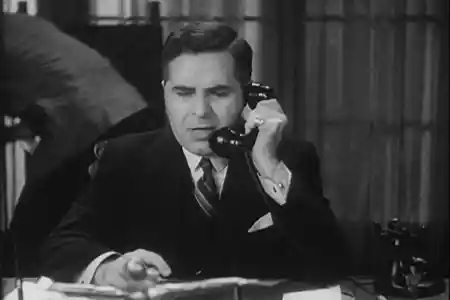
It’s a classic case of mistaken identity fueling a romance, which wasn’t exactly new even then. But the way it plays out, especially in the early scenes, has this kind of slow-burn absurdity. Ann’s insistence that Bob is "that kind of man" is just… persistent. She's so sure of her own cleverness, even when Bob is clearly just a nice, maybe a little naive, guy trying to get by. His protests are so gentle they almost get lost.
Winifred Harris, as Ann, really goes for it. She’s got this grand, theatrical way of speaking, which feels right for a stage star. There’s a scene where she’s practically *ordering* him to be her fake fiancé, and it's less a request and more a declaration. Her conviction is almost fun to watch, even if you’re shouting at the screen, "Just tell her you're not!"
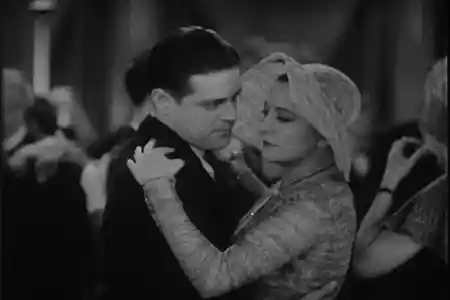
The film doesn’t linger too much on the "racket" part, not really. It's more about the awkwardness and eventual softening between Ann and Bob. You see them go from this weird, transactional arrangement to something… genuinely sweet. The turning point isn't a huge dramatic reveal; it's more like a slow dawning for Ann, realizing she actually *likes* the guy she hired to pretend to like her.
One moment that stuck with me was when Bob talks about his real aspirations, very quietly. It’s easy to miss, buried under Ann’s bigger personality. It humanizes him in a way the "gigolo" label never could. It’s a small beat, but it lands. You just wish someone would listen to him more. 👂
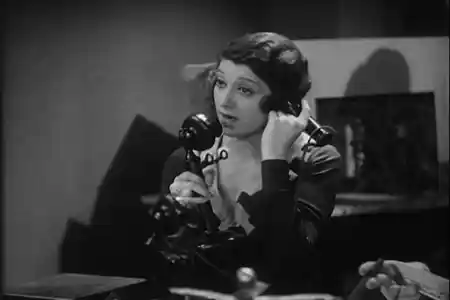
Helen Morgan has a smaller role here, and she brings a certain melancholic vibe that’s quite distinct. Her presence, even in brief appearances, adds a layer of… something else. Like a quiet sadness peeking through the main story’s rom-com antics. She’s not playing for laughs, that’s for sure.
Barton MacLane pops up too, and he’s always a presence. Here, he’s got this kind of gruff, no-nonsense energy. His character seems to exist mostly to create a bit of conflict, and he does it well enough. He's not in it for long, but he leaves an impression. You know he means business, even if it's just about a misunderstanding.
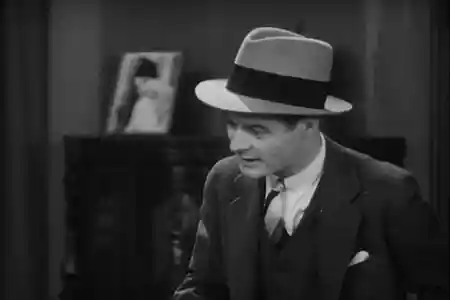
The pacing is definitely of its era. There are moments that just... hold. Like, a beat too long, where you might expect a quick cut today. But that's part of the charm, I guess. It makes you lean in a bit more. The dialogue sometimes feels a little stilted, like they’re still figuring out how to make conversations sound natural on film. It's not a bad thing, just different.
The whole "publicity stunt" angle feels like a very *Hollywood* problem, even back then. You can almost feel the studio logic behind it. It's a quick way to get two people who otherwise wouldn't meet into a room together. And then, well, love finds a way, right?
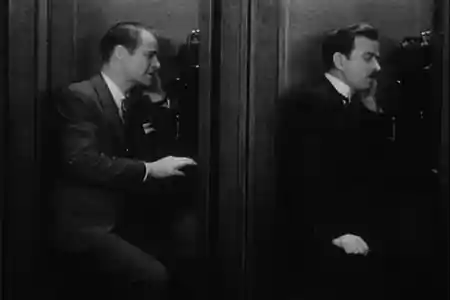
It's not a grand cinematic statement, and it’s certainly not a hidden masterpiece that’s going to change your world. But for a specific kind of viewer, one who appreciates the foundations of narrative film and a bit of old-fashioned melodrama, it’s a perfectly agreeable way to spend an hour or so. It’s got a certain unassuming sweetness to it, once you get past the slightly silly premise. And the acting, while not always subtle, is committed. Sometimes that’s all you need. 😊
What really works here is the *chemistry*, however understated, between Harris and Striker. You see Ann’s initial arrogance slowly melt away into genuine affection. It’s a slow burn, but it gets there. Bob’s quiet dignity in the face of her assumptions is surprisingly endearing.
One particular scene, fairly late in the film, where Ann finally drops her guard and actually *talks* to Bob like a real person, without the pretense, felt like a breath of fresh air. It’s not flashy, just a simple conversation, but it shifts the entire dynamic. It's easy to miss if you're not paying attention to the little things.
IMDb —
1935
Community
Log in to comment.