DbcultAccessing Vault...
Cult Review
Senior Film Conservator
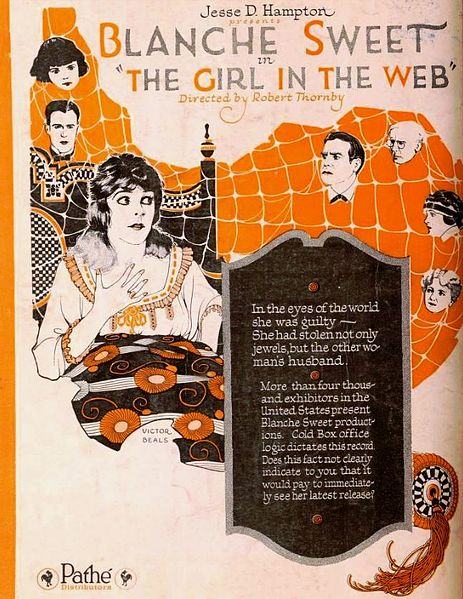
Picture a society that powders its face with respectability while its pockets jingle with IOUs; that is the brittle world The Girl in the Web surveys through a cool, unblinking lens. Released in the wake of post-WWI disillusionment, the film arrived when audiences craved both escapism and a mirror. Director Robert Z. Leonard—never as mythologized as Griffith or DeMille—delivers here a chamber-piece of moral corrosion that feels startlingly modern, prefiguring noir’s cynicism by at least two decades.
The camera glides past marble statuettes and into the nicotine-staked card room where Christine Mayo’s Chapman Price nurses a losing hand. Mayo, often dismissed in fan magazines as merely “decorative,” layers panic beneath rouge: the tremor of a woman who realizes her body is the only collateral left. Notice how she fingers a mother-of-pearl chip—its iridescence matched moments later by the sheen of tears she refuses to shed. The gesture is silent yet voluble, a harbinger of the film’s visual grammar in which objects speak louder than title cards.
Enter Blanche Sweet as Esther Maitland, the secretary whose downcast eyes and economical movements suggest a lifetime of translating other people’s chaos into tidy columns. Sweet, fresh from her triumph in Suzanne, pivots from tragedienne to suspected viper with astonishing agility. The screenplay—co-written by pulp novelist Geraldine Bonner and future MGM scribe Waldemar Young
Leonard’s blocking deserves a master-class: in one bravura sequence the camera occupies the safe’s viewpoint, gazing out at Chapman’s trembling fingers rifling through emptiness. The reverse shot—of the dark metal maw—turns a domestic appliance into a silent accuser. This is silent cinema that anticipates The Derelict’s expressionist angles, but without the Germanic gloom; instead, it’s American daylight filtered through lace curtains and guilt. When the kidnapping occurs, the film’s tonal register pivots from drawing-room melodrama to urban gothic. Cue rain-slick streets, a ransom letter assembled from newspaper scraps, and the sublime interlude of the baby’s empty cradle rocking under a dangling mobile—each metallic star a cold planet in a forsaken galaxy. Note the sound you almost hear: the creak of wood against silence, a lullaby inverted. Dick Ferguson, essayed by Nigel Barrie with square-jawed warmth, becomes the audience’s surrogate believer. Yet the film withholds easy valor; his investigative zeal is tinged with class entitlement—he assumes access to parlors and police desks alike. Leonard undercuts this privilege in a sly visual pun: Ferguson’s servant—portrayed by Tom Guise—threads through every stratum of the plot like an unassuming shuttle, underscoring how the affluent depend on invisible labor. When the servant’s larceny is exposed, the script lands its most subversive blow: the burglary that set the narrative motor running was not masterminded by a professional criminal but by the help whose invisibility is the family’s most valued luxury. Meanwhile, Adele Farrington’s Mrs. Janney—a society matron who could out-snipe Edith Wharton’s grande dames—embodies the era’s transactional maternal love: her affection is a ledger, her charity a lien against future obedience. Watch her at the charity bazaar, auctioning “surplus” heirlooms while the kidnapped grandchild’s absence hovers like a bad perfume. The sequence marries Striking Models’ voyeurism with the moral vertigo of Judge Not. Technically, the film flirts with proto-noir chiaroscuro—faces half-eclipsed by venetian-blind shadows—but grounds such flourishes in quotidian detail: a doorknob’s glint, the chalk smudge on a tailor’s sleeve. Cinematographer Allen Siegler, years before his noir tenure at Columbia, achieves textures that invite fingertip memory: the nap of velvet, the dust motes in a shaft of morning light that seems to smell of lilac and old coin. The revelation—that the detective is both kidnapper and puppet-master—lands less as gimmick than as societal diagnosis. He is the era’s professional paranoiac, monetizing distrust. Leonard stages the confrontation in a shuttered telegraph office, wires humming like anxious neurons, where truth crackles through perforated tape. The detective’s sneer collapses into a silent plea as handcuffs glint, a moment that prefigures the bitter comeuppances in Hungry Eyes. Some contemporary critics carped about the film’s “convoluted” plot; modern eyes will detect a narrative DNA shared with Held for Ransom yet predating it by months. The difference lies in emotional temperature—where later potboilers turn up heat, The Girl in the Web stays cool, almost forensic. Performances ripple with micro-gestures: Evelyn Shelby’s cameo as a gossip columnist lingers at ballrooms’ edges, scribbling venom with a smile that never reaches her brow. Peaches Jackson, the child actor, supplies cinema’s most heartbreaking non-presence—her off-screen cries (rendered via intertitle) become a Morse code of dread. The restoration available on streaming platforms derives from a 2018 4K scan of a Czech nitrate print. Scratches remain, but the grain patterns shimmer like watered silk, and the original amber-and-teal tinting—long thought lost—has been reinstated. The new score by Monica Henkel interpolates Debussy-esque harp arpeggios with brushed-snare jazz, wedding Belle Époque fragility to syncopated modernity. Headphones recommended: faint typewriter clacks and distant steam-whistles surface in the mix, embedding the viewer inside the city’s circulatory system. Yet the film’s lingering triumph is ethical, not aesthetic. It asks: Whom do we instinctively trust, and why? It indicts collective eagerness to find villains in proximate, powerless figures while granting impunity to those who weaponize authority. Nearly a century later, the question ricochets through headlines, twitter streams, boardrooms. Compare it to Under the Greenwood Tree’s pastoral innocence or Marie, Ltd.’s flapper fizz, and you’ll find The Girl in the Web occupies a twilight zone—too cynical for escapism, too elegant for nihilism. It ends not on a kiss but on a cautious rapprochement: the Prices reconciling over the cradle’s restored occupant while Esther and Ferguson retreat into a modest doorway, their silhouettes framed by a sunrise that feels provisional. The final intertitle—“Tomorrow is an unwritten ledger”—delivers a jolt of modernist ambiguity mainstream Hollywood wouldn’t hazard again until the 1940s. For cinephiles tracking proto-feminist arcs, Esther’s exoneration is less a romantic reward than a societal concession: the community admits its misjudgment, yet her future remains contingent on male patronage. The film neither celebrates nor castigates; it observes, with the chill clarity of a surgeon counting ribs beneath an X-ray. Bottom line: The Girl in the Web is an unjustly overshadowed gem whose tangled threads gleam anew in high-definition. It offers suspense, visual poetry, and a sociological sting that lingers like Turkish coffee grounds at cup’s bottom. Stream it late at night when city lights outside your window imitate the flicker of silver nitrate, and let the film’s silken noose—gentle, implacable—tighten around your assumptions. Verdict: Essential viewing for silent-era completists, noir archaeologists, and anyone who suspects that every era’s “safe” contains more air than gold.
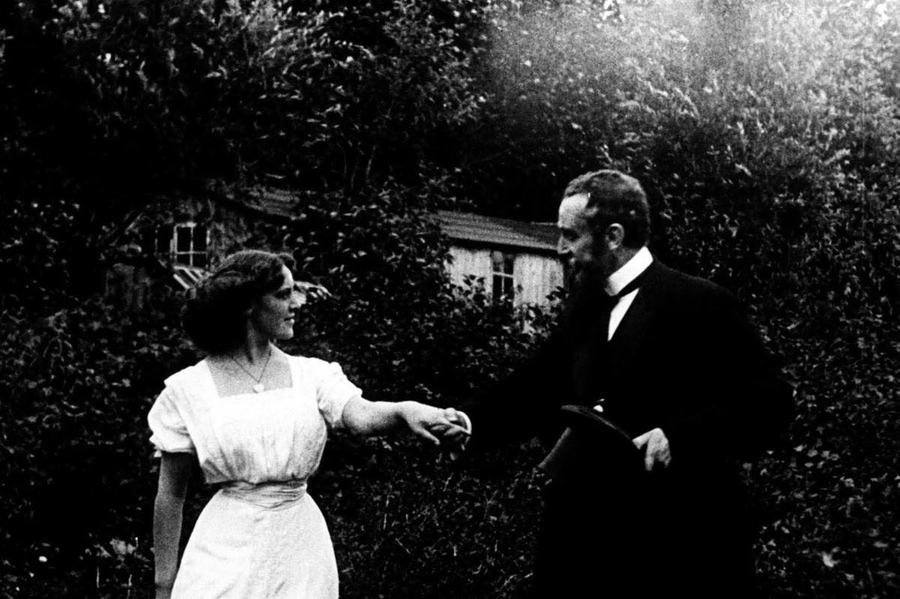
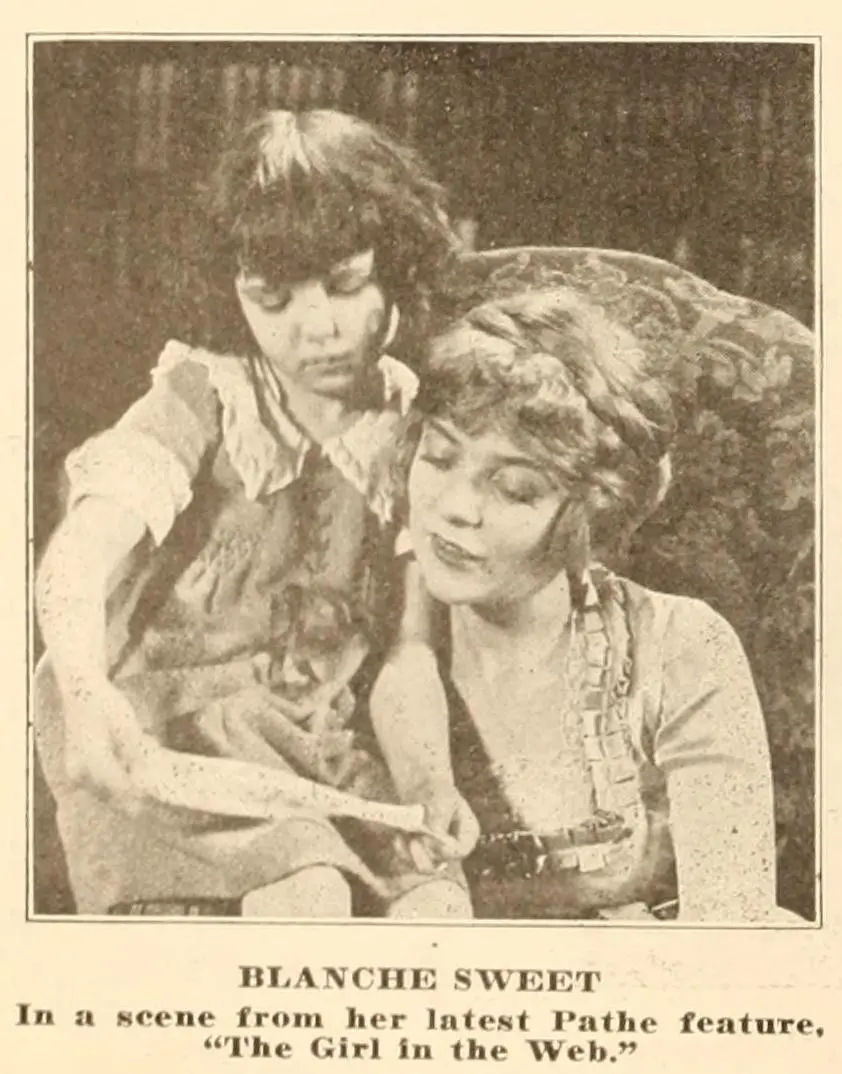 Cinematic perspective: Exploring the visual vocabulary of The Girl in the Web (1920) through its definitive frames.
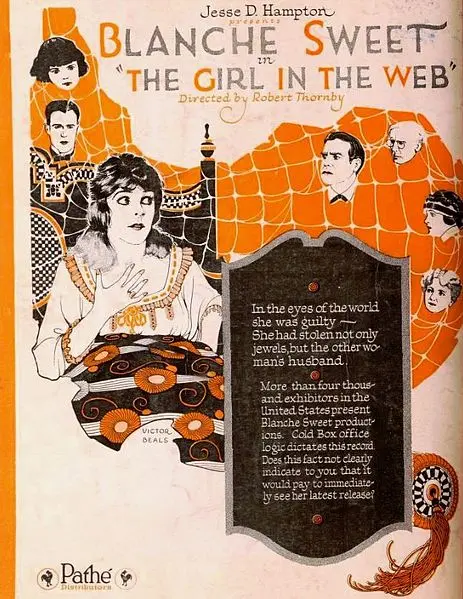 Cinematic perspective: Exploring the visual vocabulary of The Girl in the Web (1920) through its definitive frames.
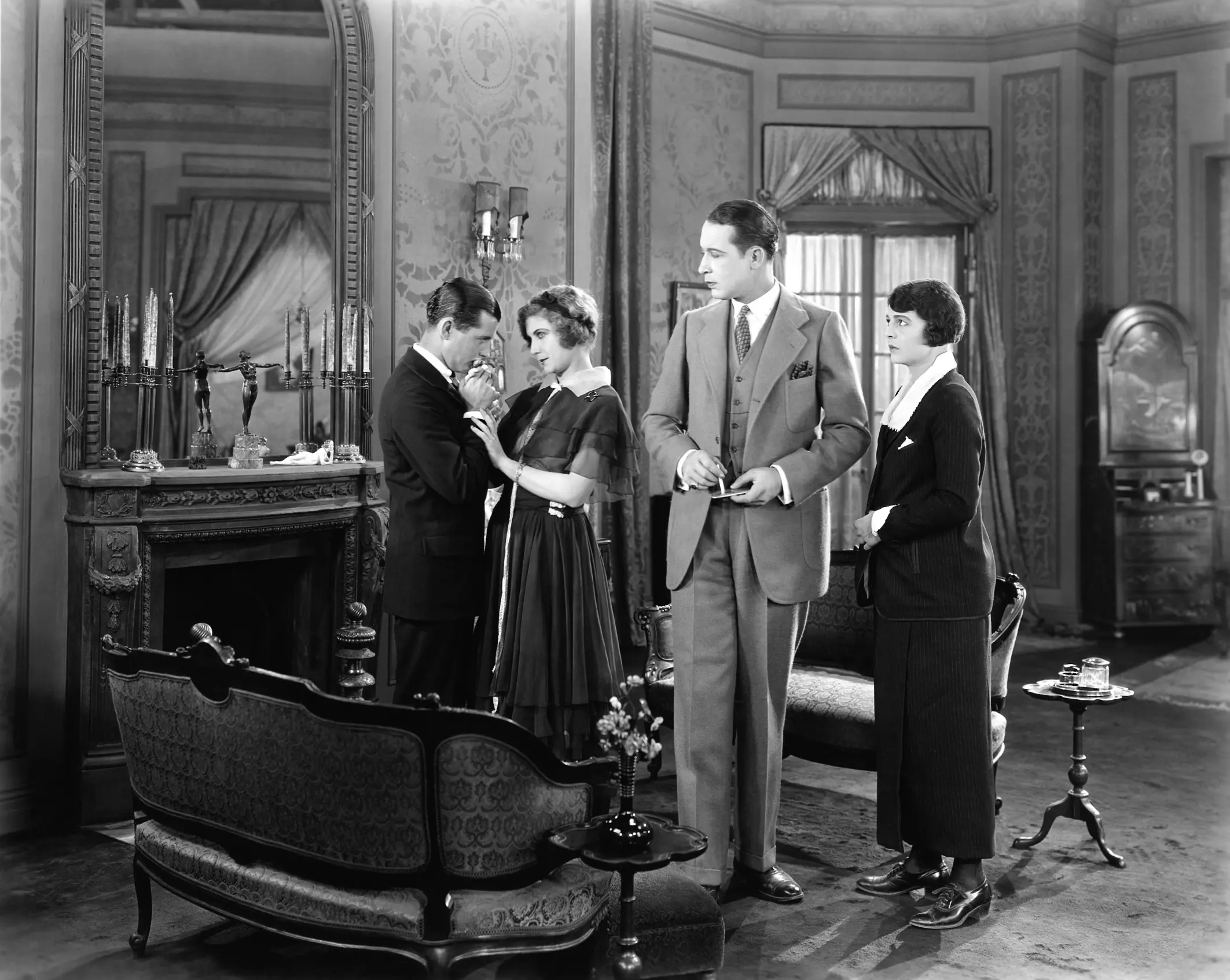
IMDb —
1924
Community
Log in to comment.