DbcultAccessing Vault...
7.5/10
Senior Film Conservator
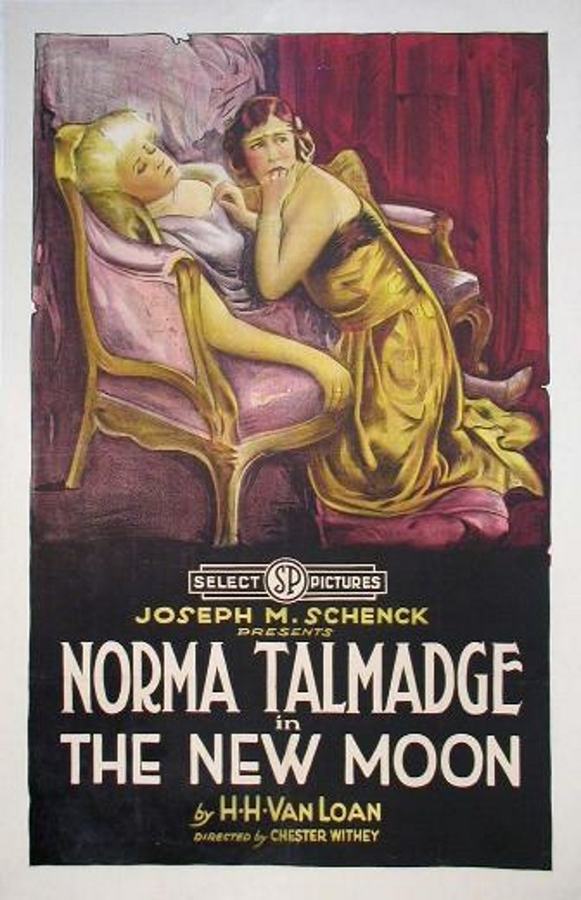
A definitive 7.5/10 rating for a film that redefined the boundaries of cult cinema. The New Moon remains a cornerstone of transgressive art.
Stepping into the world of The New Moon is akin to being transported to a turbulent crossroads of history, where the grand narratives of romance and revolution collide with visceral force. This 1919 silent film, a compelling creation from the minds of H.H. Van Loan and Chester Withey, with Withey also at the helm as director, is far more than a mere period piece; it’s a searing exploration of power, oppression, and the unyielding human spirit. From its initial moments of aristocratic splendor violently shattered by anarchist bombs, the film immediately thrusts its audience into a geopolitical maelstrom, painting a vivid, if melodramatic, tableau of a society teetering on the precipice. It’s a drama that speaks volumes without uttering a single word, relying instead on the potent language of gesture, expression, and meticulously crafted visual storytelling to convey its weighty themes. The narrative unfurls with an urgency that belies its age, drawing us into a world where personal desires clash with political dogma, and the fight for freedom becomes an intensely personal crusade.
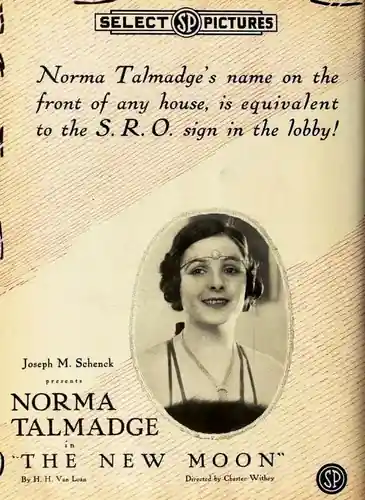
At the heart of this unfolding chaos stands Princess Marie Pavlovna, portrayed with captivating intensity by the luminous Norma Talmadge. Her journey is perhaps the most compelling arc within the film. Initially presented as the demure, if spirited, fiancée, her world is abruptly fractured by the very real threat of political extremism. The idyllic scene of her engagement ball disintegrates into pandemonium, forcing her swift, desperate escape alongside Prince Michail Koloyar. This abrupt transition marks the genesis of Marie’s transformation. What follows is not the passive flight of a victim, but the determined evolution of a leader. Talmadge, a master of silent film acting, imbues Marie with a remarkable blend of aristocratic grace and nascent revolutionary fire. Her expressive eyes and deliberate movements convey a profound inner strength, particularly as she sheds her royal identity to embrace the guise of a humble shopkeeper. This disguise is not merely for concealment; it symbolizes her immersion into the plight of the common people, allowing her to become the galvanizing force behind a women's resistance movement. Her defiance against Kameneff’s tyrannical edict—which seeks to reduce all women between seventeen and thirty-two to state property—is a powerful statement on autonomy and dignity. Unlike the often-constrained female protagonists of some contemporary films, Marie actively challenges her fate, positioning her as a proto-feminist icon in a tumultuous era. Her refusal to submit, even when confronted by Kameneff’s personal overtures, solidifies her as a symbol of unyielding ethical conviction, making her a truly unforgettable figure.
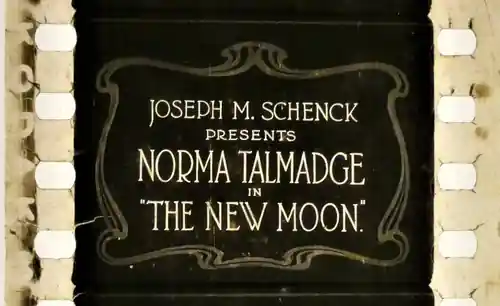
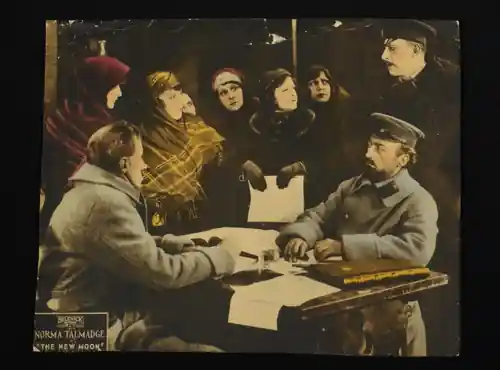
The antagonist of our story, Theo Kameneff, brought to chilling life by Marc McDermott, is a meticulously crafted portrait of authoritarian ambition. Kameneff’s rise to power is swift and unsettling, underscored by the revelation that he is secretly in the pay of a foreign government, adding a layer of insidious external manipulation to the internal strife. His dictatorial decree, targeting women for state ownership, is not merely an act of political consolidation but also deeply personal, driven by his predatory desire for Princess Marie. McDermott’s portrayal is replete with the dramatic flourishes characteristic of the era, yet he manages to convey a complex villainy. Kameneff is a man consumed by power, his gestures radiating menace, yet moments of profound internal conflict shine through. The most striking example is his palpable dismay upon learning of his beloved sister’s brutal killing, a direct consequence of the very edict he instituted. This tragic irony offers a fleeting glimpse into the man beneath the tyrant, suggesting a flicker of humanity, however warped, that distinguishes him from a purely cardboard cutout villain. It's a nuanced touch that elevates Kameneff beyond the simplistic evil often found in narratives of the time, providing a more unsettling, because more human, depiction of tyranny. His character offers a stark contrast to the more straightforward moral dilemmas presented in films like Within the Law, where the lines between right and wrong, while tested, remain largely unambiguous. Kameneff's tragic flaw is his inability to see beyond his own power, even when it consumes those he holds dear.
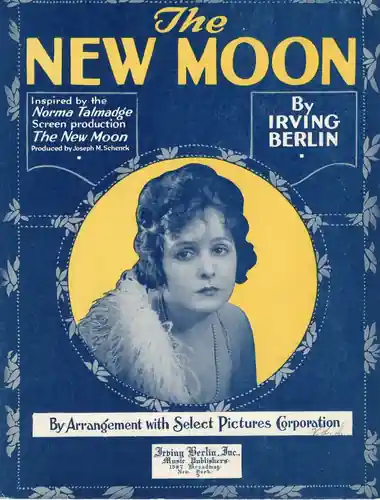
Prince Michail Koloyar, embodied by the steadfast Pedro de Cordoba, serves as the unwavering pillar of support and strategic counterforce in this unfolding drama. His immediate, decisive action to rescue Marie from the chaos of the bombing establishes his character as both a protector and a man of action. However, Michail is far from a simplistic hero; his subsequent infiltration of the Bolshevik ranks reveals a deeper commitment to justice and a strategic mind capable of operating within the very heart of the enemy. De Cordoba conveys Michail’s quiet determination and resourcefulness with compelling conviction. His willingness to risk everything, even facing a firing squad, to dismantle the oppressive regime from within underscores his profound loyalty not only to Marie but to the ideals of freedom itself. The sequence detailing his narrow escape from execution is one of the film’s most gripping, a masterclass in silent suspense that keeps the audience on tenterhooks. Michail's journey mirrors the perilous paths taken by countless real-life revolutionaries and spies, a testament to the courage required to oppose tyranny from its darkest corners. His unwavering presence provides a crucial emotional anchor, demonstrating that even amidst widespread political upheaval and personal danger, loyalty and love can endure, offering a glimmer of hope in the bleakest of circumstances. This unwavering commitment to a cause, despite overwhelming odds, resonates with the determined spirit seen in other period pieces, though few capture the sheer personal stakes quite so vividly.
The thematic tapestry woven by The New Moon is surprisingly rich and resonant, particularly for a film of its era. At its core, it’s a chilling expose on the insidious nature of totalitarian rule, portraying a society where individual liberties are systematically eroded, culminating in the dehumanizing edict that reduces women to mere state assets. This terrifying concept of governmental overreach and the subsequent pushback by an oppressed populace finds powerful, albeit allegorical, expression in the silent medium. The film deftly explores the profound impact of political chaos on personal relationships, showcasing how love, loyalty, and conviction are tested and, in the case of Marie and Michail, ultimately strengthened amidst extreme adversity. The stark contrast between Kameneff’s cynical power grab and the protagonists’ genuine affection provides the emotional bedrock, highlighting the devastating human cost of ideological extremism. Moreover, the film’s depiction of women organizing and actively resisting, rather than passively accepting their fate, was remarkably progressive for its time. It boldly challenges conventional gender roles, presenting female solidarity as a potent and necessary force for change, a theme that echoes the communal spirit often championed in social dramas. This collective spirit, however, eventually gives way to a more individualized, heroic resolution, a common narrative trope that still delivers a satisfying, if less revolutionary, conclusion. The themes explored here — the fragility of freedom, the courage of conviction, and the enduring power of human connection — ensure its continued relevance, transcending the specific historical context it portrays.
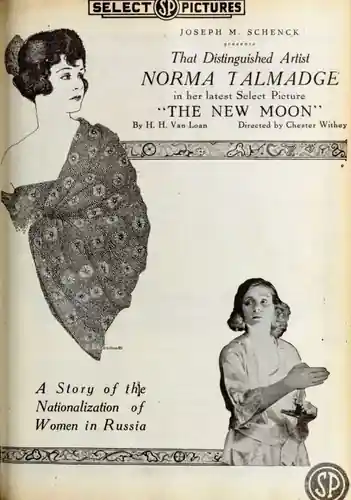
Chester Withey’s direction, in collaboration with the potent performances, navigates the inherent challenges of silent cinema with considerable artistry. The visual storytelling is paramount, relying heavily on the exaggerated yet nuanced gestures of the actors, the intricate details of the set designs, and the strategic deployment of intertitles to convey dialogue, exposition, and emotional nuance. Norma Talmadge, a true luminary of the silver screen, masterfully employs her facial expressions and body language, turning her face into a canvas for a spectrum of emotions, from fierce defiance to profound despair. The dramatic tension is meticulously built through a combination of techniques: rapid cuts during sequences of action and pursuit, contrasted with lingering close-ups that allow the audience to fully absorb moments of emotional intensity. The cinematography, while perhaps not revolutionary by contemporary standards, effectively establishes the grim, oppressive atmosphere of a nation under siege, juxtaposed with the opulent decay of its former aristocracy. The film's pacing, though occasionally deliberate, serves to immerse the viewer deeply into the characters' plights, ensuring that each narrative beat, from the initial bomb blasts to the final, frantic escape, lands with impactful resonance. This meticulous craftsmanship is a hallmark of the era, where films like Madame Jealousy similarly relied on heightened dramatic portrayals and visual cues to forge a powerful connection with their audiences. The New Moon stands as a testament to the expressive power of silent film, demonstrating its capacity to tell complex, emotionally charged stories without the benefit of spoken dialogue.
The film does not flinch from depicting the brutal realities of totalitarian control and the harrowing consequences faced by those who dare to resist. Orel Kosloff, Kameneff’s ruthless henchman, chillingly embodies the regime’s capacity for unbridled violence, orchestrating the mass execution of women who refuse to comply with the registration edict. This horrific brutality reaches its tragic crescendo with the killing of Kameneff’s own sister, an unintended but direct casualty of the very policies he championed. This pivotal moment serves as a stark reminder of the indiscriminate nature of tyranny, often consuming even those within its inner circle. The scene where Kameneff grapples with the devastating reality of his sister's demise offers a crucial glimpse into the tragic irony of unchecked power, hinting at a momentary crack in his formidable façade. It’s a powerful narrative choice that elevates the film beyond a simplistic good-versus-evil dichotomy, introducing complex shades of moral ambiguity and illustrating the devastating ripple effects of absolute power. The subsequent, visceral act of personal revenge exacted by the potter, whose daughter was ravished, adds another layer of raw, chaotic justice. This individual vendetta, culminating in Kameneff’s dramatic and deserved end, provides a cathartic, if unsettling, resolution to his reign of terror, underscoring the idea that even the most powerful dictators can be undone by the cumulative weight of personal grievances. This element of direct, personal retribution, while perhaps melodramatic, resonates deeply with audiences, offering a visceral sense of justice for the oppressed.
While The New Moon may not command the same widespread recognition as some of its silent era contemporaries, its enduring thematic resonance is undeniable. The struggle against authoritarianism, the fight for fundamental human rights, and the unwavering power of love in the face of despair are timeless narratives that continue to echo through the corridors of history and cinema. This film serves as a valuable historical artifact, offering compelling insight into the political anxieties and social commentary prevalent in the immediate aftermath of World War I. Its ability to seamlessly weave together elements of romance, political thriller, and poignant social commentary into a coherent and engaging narrative speaks volumes about the ambition and skill of its creators. For aficionados of silent cinema, it presents a compelling viewing experience, showcasing the dramatic prowess of its star, Norma Talmadge, and the evolving language of early filmmaking. It stands as a powerful testament to the fact that even without spoken dialogue, cinema possessed a profound capacity to explore complex human experiences and universal struggles, leaving an indelible mark on its audience, much like the compelling character studies in The Fear of Poverty. The film's conclusion, with Marie and Michail’s precarious escape across the border, offers a bittersweet triumph, a hard-won freedom that reminds us of the constant vigilance required to safeguard liberty. It’s a compelling piece of cinematic history that continues to invite reflection on the cycles of power, protest, and perseverance.
The nuanced performances, particularly from Talmadge and McDermott, elevate the material beyond simple melodrama. Talmadge, with her striking presence, manages to convey not only the princess’s inherent dignity but also the grit required of a revolutionary leader. Her scenes of organizing the women, though silent, are charged with an unspoken urgency, her determination palpable. McDermott, on the other hand, masterfully balances Kameneff’s outward brutality with those fleeting moments of inner turmoil, making him a more memorable and unsettling villain. The supporting cast, including Harry Sothern as Orel Kosloff, effectively contributes to the oppressive atmosphere, making the threat feel immediate and pervasive. The filmmakers’ choice to integrate personal vengeance, such as the potter’s brutal act, into the broader political narrative is a daring one, blurring the lines between justice and retribution. This raw, emotional response underscores the profound human cost of Kameneff’s tyranny, making his downfall all the more impactful. It's a narrative device that ensures the audience feels the weight of every loss and every act of defiance. The meticulous attention to period detail in costumes and sets, while not explicitly highlighted, contributes significantly to the immersive experience, transporting the viewer into a believable, if heightened, world of political turmoil. The careful interplay between the grand political machinations and the intimate personal struggles is what truly gives The New Moon its lasting power, marking it as a significant, though perhaps overlooked, contribution to early cinema.
Ultimately, The New Moon stands as a testament to the enduring power of silent film to tackle complex socio-political themes with profound emotional depth. It’s a thrilling, often harrowing, journey through a world teetering on the brink of collapse, where the courage of a princess and the unwavering loyalty of her prince ignite a powerful flame of resistance against an oppressive regime. The final, desperate escape across the border, while providing a triumphant resolution for the protagonists, leaves a lingering impression of the fragility of peace and the constant vigilance required to safeguard freedom. This film is more than just a historical curiosity; it’s a vibrant, compelling piece of cinematic art that continues to resonate with its timeless exploration of power, protest, and the indomitable human spirit. Its themes of resistance against tyranny, the fight for individual liberty, and the enduring strength of human connection are universal, ensuring that its silent voice speaks loudly across the decades. It invites us to consider the echoes of its narrative in contemporary struggles, proving that the silent screen was, and remains, a powerful mirror reflecting the human condition. For those seeking a deeper dive into the rich tapestry of early cinema, The New Moon offers an experience both historically significant and emotionally engaging, a true gem waiting to be rediscovered by new generations of film enthusiasts.
IMDb 6.6
1927
Community
Log in to comment.