Summary
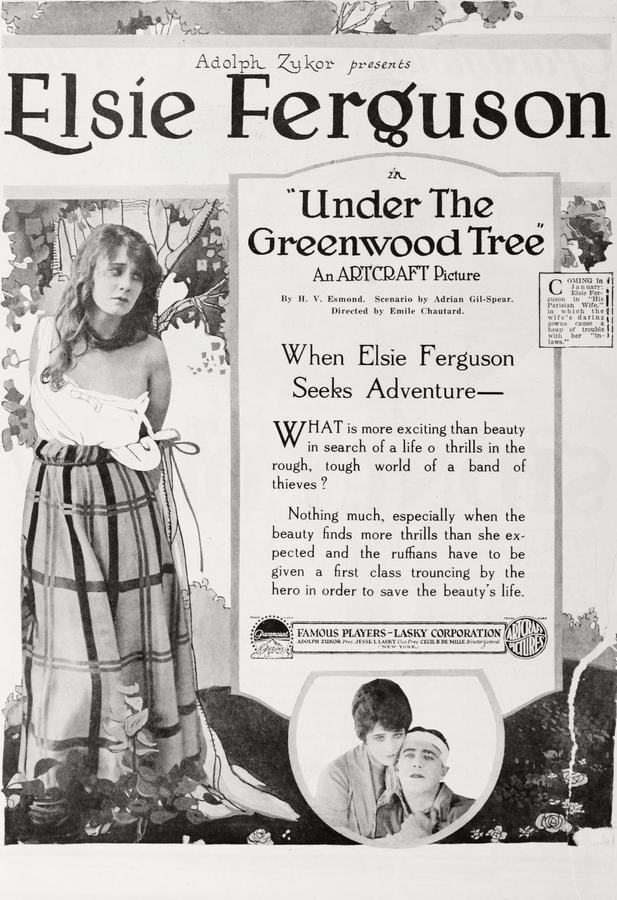
An unconventional heiress, Mary Hamilton, driven by a profound aversion to the superficiality of aristocratic fortune hunters and an innate communion with nature, orchestrates a dramatic departure from her privileged existence. Accompanied by her loyal secretary, Peggy Ingledew, she immerses herself within the itinerant world of a Romani encampment. This deliberate embrace of a simpler, unburdened life quickly intertwines with the machinations of her former world when Sir Kenneth Graham, one of her persistent, titled admirers, infiltrates the sylvan community, disguised as a fellow wanderer, in a misguided attempt to reclaim her affections. The rustic idyll, however, is abruptly shattered by Jack Hutton, a landowner determined to purge his woodlands of the Romani presence, leading to Sir Kenneth's unjust incarceration. Jack's subsequent confrontation with Mary, initially fueled by his eviction agenda, undergoes an immediate, profound metamorphosis upon witnessing her ethereal beauty bathed in the glow of a moonlit pond. This serendipitous encounter ignites a mutual, undeniable infatuation. Following a shared meal, a nefarious act of banditry leaves Mary bound and vulnerable. Jack's chivalrous intervention is met with brutal resistance, leaving him incapacitated. Fortuitously, Sir Kenneth, now liberated, arrives with Peggy, and together they free Mary before embarking on their own journey toward matrimony. As Mary diligently nurses Jack back to health, the layers of societal pretense are shed, her true identity is unveiled, and their burgeoning romance culminates in a pledge of enduring commitment, cementing a union forged not by status, but by genuine connection amidst the wild embrace of nature.
Synopsis
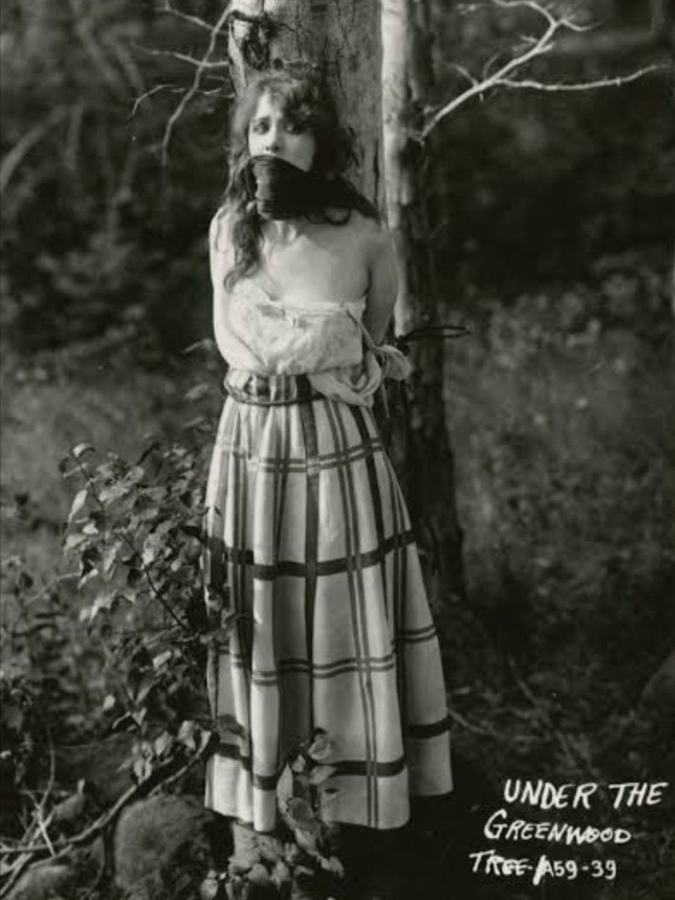
Acting on her love of nature and loathing of titled fortune hunters, heiress Mary Hamilton leaves home with her secretary, Peggy Ingledew, to join a band of roving gypsies. One of Mary's suitors, Sir Kenneth Graham, follows the two young women into the woods, dressed in gypsy garb, but when Jack Hutton decides to rid his forested land of gypsies, Sir Kenneth is thrown into jail. Jack then enters Mary's camp intent upon evicting her, too, but when he catches sight of her swimming in a moonlit pond, he immediately falls in love with her. Similarly smitten, Mary invites Jack to dine with her, but, after he leaves, a group of gypsies rob her wagon and tie her to a tree. Jack tries to rescue her but is beaten into unconsciousness just as Sir Kenneth, finally released from jail, arrives with Peggy. After the two "gypsies" untie Mary, they leave to be married, and the roving heiress, having nursed Jack back to health, reveals her true identity and agrees to marry him.
Review Excerpt
"Ah, the silent era! A time when narratives often possessed a charming, almost fable-like quality, where grand gestures and stark thematic contrasts held sway. Under the Greenwood Tree, a 1918 cinematic offering, is a delightful exemplar of this period, a pastoral romance that, beneath its seemingly straightforward surface, unfurls a compelling critique of societal artifice and the enduring allure of authenticity. Directed with a keen eye for both natural beauty and human emotion, this film, penn..."