DbcultAccessing Vault...
Cult Review
Senior Film Conservator
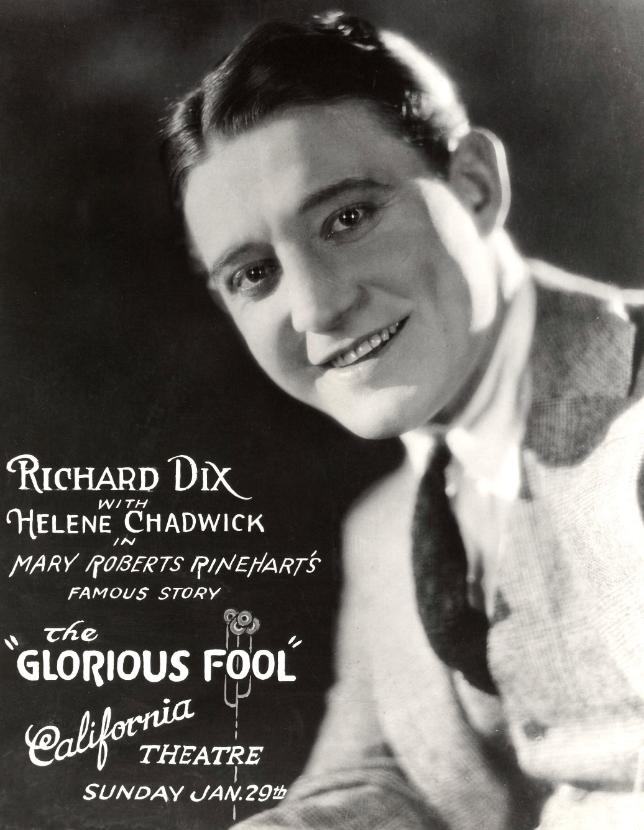
From the very first flickering frames, The Glorious Fool (1922) unfolds as a compelling, if somewhat cynical, exploration of human nature, wealth, and the unexpected detours of the heart. It’s a narrative that begins with a startling act of desperation and evolves into a nuanced examination of identity and affection, all against the backdrop of an era grappling with moral ambiguities. The film, adapted from a story by the prolific Mary Roberts Rinehart and penned for the screen by J.G. Hawks, presents a canvas rich with character study and the inherent drama of a life upended by circumstance.
Our protagonist, Billy Grant, played with a compelling blend of roguish charm and underlying vulnerability by the inimitable Richard Dix, is introduced not as a hero, but as a cautionary tale. An indolent scion of immense wealth, his existence is characterized by a profligate disregard for consequences, culminating in a harrowing, alcohol-fueled automobile crash. This catastrophic event leaves him teetering on the precipice of death, a state of profound physical fragility that paradoxically sharpens his mental acuity. It is in this moment of extreme vulnerability that his more cynical instincts surface, fueled by an acute awareness of his rapacious relatives – a veritable pack of vultures circling his substantial estate.
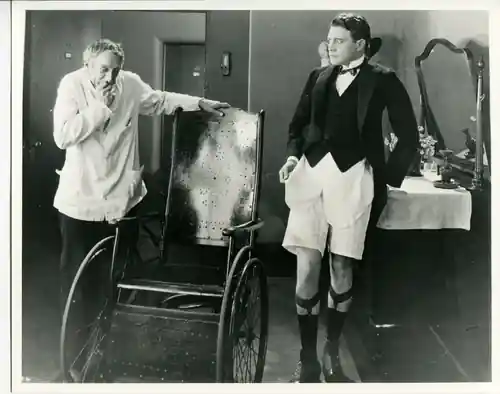
The cinematic portrayal of Billy’s initial predicament immediately sets a tone of high stakes and moral compromise. His fear of his greedy family, a common yet effective dramatic device, isn't just about losing his fortune; it’s about denying them the satisfaction, the perceived victory. This primal aversion to his kin, vividly brought to life by the supporting cast including Kate Lester and John Lince, provides the impetus for his audacious scheme. He needs an heir, a legal impediment to his relatives’ designs, and he finds one in the most unlikely of places: his nurse, Jane Brown.
Jane Brown, portrayed with understated grace and burgeoning strength by Helene Chadwick, is the moral compass around which much of the film’s emotional weight revolves. She is introduced as a figure of quiet competence and compassionate professionalism, entirely unprepared for the bizarre proposal thrust upon her. Billy’s proposition – a marriage of convenience, a temporary legal shield against his family’s avarice – is born of desperation, a calculated gambit from a man who believes he has nothing left to lose. Jane’s acceptance, whether driven by a sense of duty, a flicker of pity, or an unarticulated hope, immediately plunges her into a situation of profound ethical complexity. This is not merely a contractual agreement; it is an entanglement that will irrevocably alter the trajectory of her life, a theme explored with similar depth, albeit different circumstances, in films like The Woman on the Index, where female characters often find their fates dictated by external pressures.
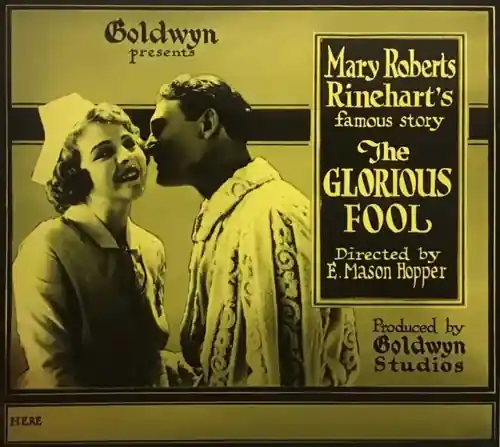
The genius of the narrative lies in what transpires after Billy’s miraculous recovery. The expected outcome, perhaps, is a swift annulment, a return to their separate lives. Instead, the film deftly explores the unforeseen consequences of their hastily forged bond. Billy, no longer confined to a sickbed, is confronted with the living embodiment of his desperate pact. Jane, in turn, finds herself not merely a temporary placeholder but a legitimate spouse, navigating the complexities of a household that views her with suspicion, if not outright hostility. The ensuing domestic drama, underscored by the continued machinations of the relatives – Lillian Langdon, Otto Hoffman, and Frederick Vroom embody the varying shades of familial greed – becomes a crucible for character development.
Chadwick’s performance as Jane is particularly noteworthy. She conveys a spectrum of emotions – bewilderment, quiet resolve, a burgeoning sense of dignity, and eventually, a tender vulnerability – without the aid of spoken dialogue. Her expressive eyes and subtle gestures communicate volumes, making her character’s internal struggle palpable to the audience. This mastery of silent acting is a testament to the era’s finest talents, allowing for a nuanced portrayal that transcends mere melodrama. Her journey from unassuming caregiver to a woman asserting her unexpected position mirrors the quiet resilience seen in some of the stronger female roles of the period.
As Billy regains his health, his initial cynicism begins to erode, replaced by a growing awareness of Jane’s inherent goodness and the genuine affection that, perhaps, blossoms within him. The film meticulously charts this transformation, avoiding simplistic resolutions. Is his newfound appreciation for Jane genuine, or merely another calculated move? Dix masterfully keeps the audience guessing, his expressions shifting from amused detachment to a dawning realization of the depth of his wife’s character. This evolving dynamic between the two leads is the beating heart of The Glorious Fool, transforming what could have been a mere farcical premise into a poignant study of unexpected love.
The film’s thematic explorations are surprisingly profound for a silent picture. It delves into the corrosive nature of avarice, the superficiality of social standing, and the surprising ways in which genuine human connection can emerge from the most unlikely of circumstances. The greedy relatives serve as a stark contrast to Jane’s integrity, highlighting the film’s critique of a society often blinded by wealth and status, a theme resonant in enduring literary works like Thackeray’s Vanity Fair. The question of who the 'glorious fool' truly is lingers throughout: Is it Billy for his initial recklessness, for his ill-conceived scheme, or for his eventual susceptibility to genuine emotion? Or is it perhaps the society that values inheritance over intrinsic worth?
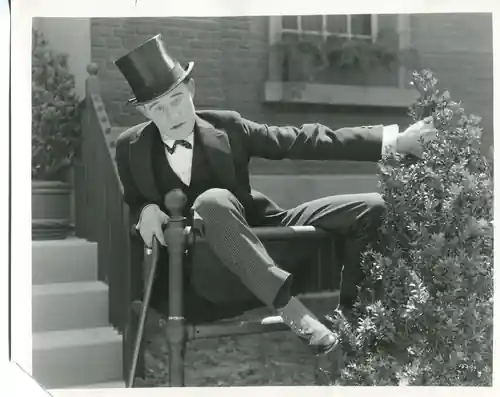
The direction, though not explicitly credited to a single auteur in the provided information, demonstrates a keen understanding of visual storytelling inherent to the silent era. The use of intertitles is judicious, providing necessary dialogue and exposition without interrupting the flow of the visual narrative. Cinematography effectively conveys mood and emotion, from the stark reality of Billy’s accident to the more intimate moments of dawning affection between the leads. The pacing is deliberate, allowing scenes to breathe and emotions to register fully, a hallmark of well-crafted silent cinema that prioritized visual impact and physical expression.
The supporting performances further enrich the tapestry of the film. Beyond the aforementioned relatives, actors like Theodore von Eltz, Vera Lewis, and George Cooper each contribute to the bustling, often hypocritical, world that Billy and Jane inhabit. Their collective presence underscores the societal pressures and expectations that constantly impinge upon the central couple, adding layers of external conflict to their internal struggles. The film skillfully balances these ensemble elements with the intimate focus on Dix and Chadwick, preventing the narrative from becoming overly crowded.
Comparisons to other films of the period reveal both the conventions and unique qualities of The Glorious Fool. While it shares the melodramatic underpinnings of films like The Fatal Ring or the intricate romantic machinations of The Romance Promoters, its strength lies in its character-driven evolution. It transcends simple plot mechanics to delve into the psychological shifts of its protagonists. The film avoids the overt villainy of some contemporary pictures, instead presenting a more nuanced exploration of human flaws and eventual redemption, or at least, profound change.
The screenplay by J.G. Hawks, based on Mary Roberts Rinehart’s story, is remarkably adept at building tension and developing characters through action rather than exposition. Rinehart was renowned for her intricate plots and ability to infuse popular fiction with psychological depth, and this is clearly evident in the film’s structure. The dramatic turns feel earned, the emotional beats resonate, and the overall progression of the story maintains a compelling grip on the viewer, a testament to the quality of the source material and its adaptation.
In conclusion, The Glorious Fool stands as a captivating example of early 1920s filmmaking. It’s more than just a period piece; it’s a timeless narrative about the unexpected turns life can take and the transformative power of human connection. Richard Dix and Helene Chadwick deliver performances that are both era-appropriate and surprisingly modern in their emotional authenticity. The film challenges its audience to look beyond initial impressions, to question motivations, and to appreciate the intricate dance between fate and free will. It is a testament to the enduring power of silent cinema to tell complex stories with eloquence and profound emotional impact, leaving a lasting impression long after the final fade-out.
IMDb 5.7
1936
Community
Log in to comment.