DbcultAccessing Vault...
Cult Review
Senior Film Conservator
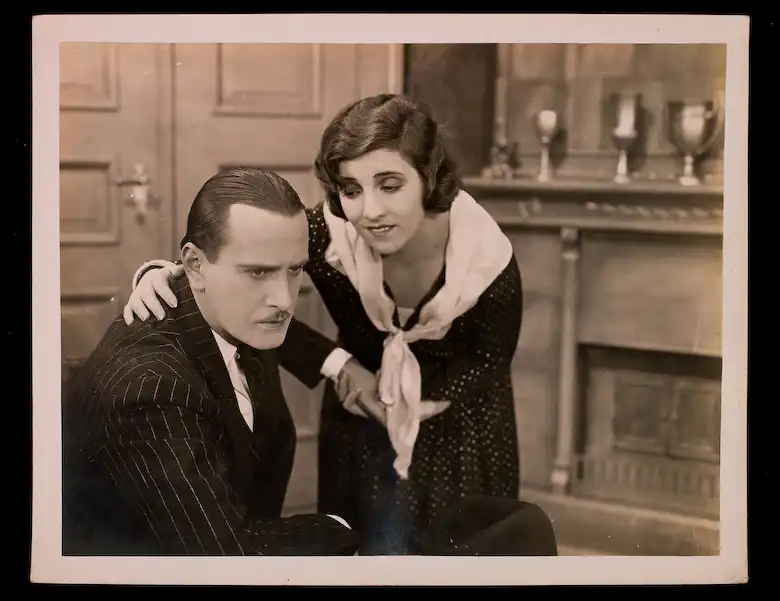
Okay, so you’re wondering about Ariadne in Hoppegarten? Look, if silent films aren't your usual Friday night pick, you might struggle a bit here. But for anyone who actually enjoys getting lost in the *expression* of early cinema, or just wants to see some really strong performances from the era, this is absolutely worth digging up. If you need sound and fast cuts, well, probably best to give this one a miss. 🐴
The film, like many from its time, has this quiet confidence, even when the plot itself feels a little… *convoluted* sometimes. Maria Jacobini as Ariadne, wow. Her face tells a whole story in just a flicker. There's this one scene where she's just watching the horses race, and you can almost feel the tension in her shoulders. It’s not just acting, it's *being* there. What she does with her eyes, unbelievable.
Alfred Abel, he's got that presence, you know? He plays this sort of shadowy figure, always lurking. I kept thinking, *is he good or bad*? The way his eyes follow Ariadne across the crowded Hoppegarten grandstand, it’s just unsettling. A really strong villain, or maybe a misunderstood protector? The film kinda leaves you hanging on that for a bit too long.
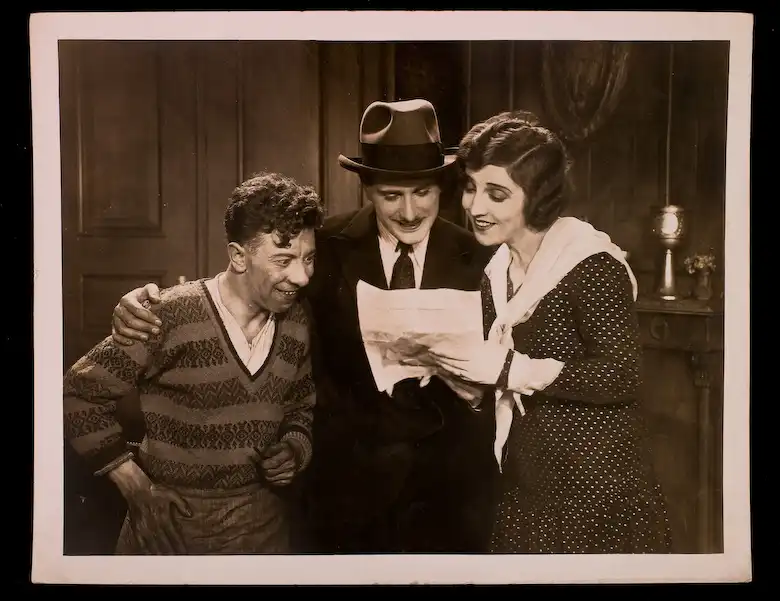
The pacing is… deliberate. There are moments, especially in the middle section, where a scene just holds. Like the shot of the rain on the track. It goes on about 15 seconds too long, and it feels less like a mood piece and more like they just needed to fill time. But then it cuts to a close-up of Ariadne’s tear-filled eyes, and you forget the slightly dull bit before. *Almost*.
What really sticks with you are the visuals. The Hoppegarten racetrack, it’s captured beautifully. All those people in their finery, the way the light catches the silks of the jockeys. It’s a real snapshot of a specific place and time. The crowd scenes have this energy, a real buzz, even without sound. You can practically hear the roar. 🗣️
The story itself, it’s pretty straightforward. A young woman, some trouble, a man who might save her. Classic stuff for the period. But it's *how* they tell it. The intertitles are mostly short, which is a blessing. No huge chunks of text to read, which keeps the flow moving. Most of the heavy lifting is done by the actors’ faces and bodies. And they are *working*.
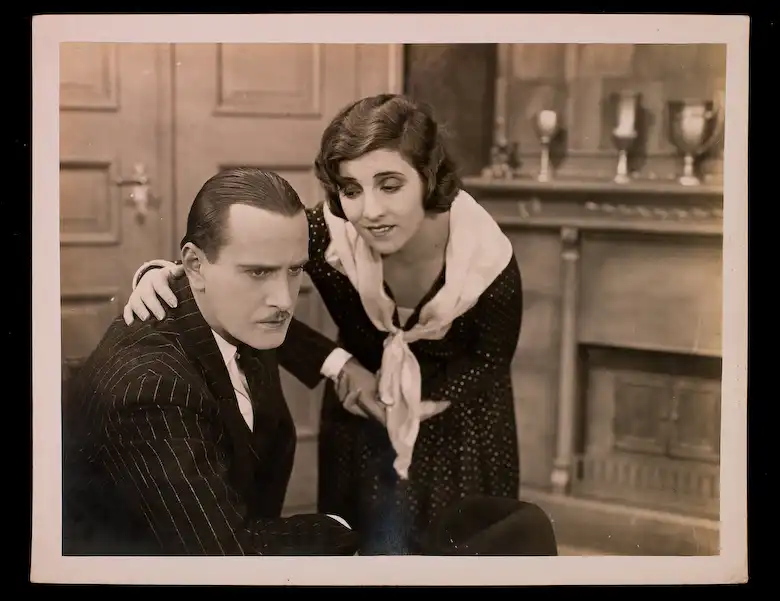
There's this moment with Jean Bradin's character, the sort of dashing hero type. He gives Ariadne this flower, and the way she takes it, so delicate, like it’s the most precious thing. It really sells the romance without a single word. Then he promptly almost gets himself into a duel. *Boys will be boys, even in 1928, I guess*. 🤦♀️
I did notice one peculiar thing. In a close-up of a telegram, the text is actually a bit blurry, like they didn't quite focus the camera right or maybe it was a quick reshoot. It’s a tiny detail, probably nobody cares, but it just made me chuckle a little. A little human error, you know?
The ending feels a little rushed. Like they ran out of film or something. All this build-up, and then BAM, resolution. It feels a little *too* neat. But then again, maybe that's just how stories worked back then. Not everything needed to be a huge, drawn-out thing. Just get to the point. And they do.
So, yeah. *Ariadne in Hoppegarten*. It’s a silent film that proves that even without dialogue, strong performances and a compelling setting can carry you through. It’s not perfect, has its slow spots, but it’s got a real heart. And Maria Jacobini is just *mesmerizing*.
IMDb —
1917
Community
Log in to comment.