DbcultAccessing Vault...
5.8/10
Senior Film Conservator
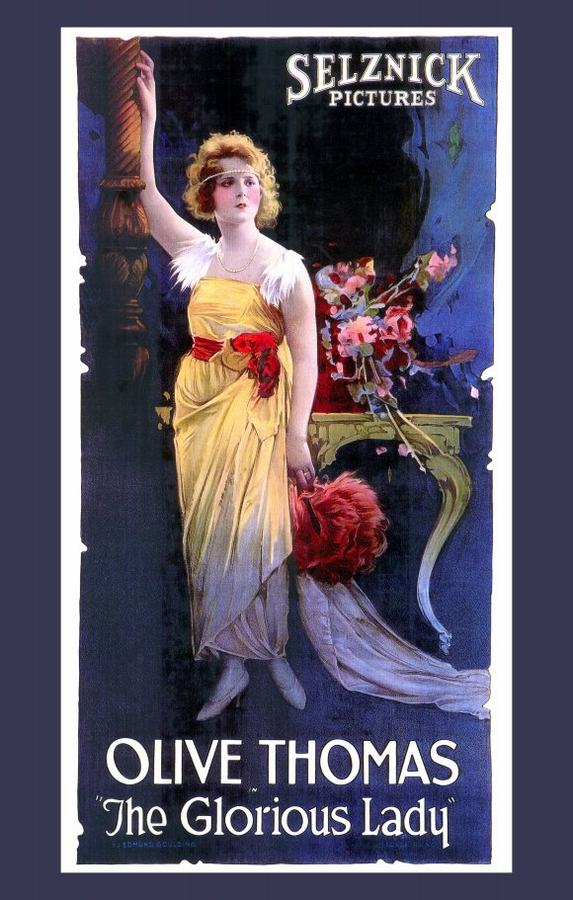
A definitive 5.8/10 rating for a film that redefined the boundaries of cult cinema. The Glorious Lady remains a cornerstone of transgressive art.
Stepping back into the silent era of cinema often feels like a journey through a dreamscape, where emotions are writ large on faces and narratives unfold with an almost poetic grandeur. Among the myriad treasures unearthed from this bygone epoch, 1922's The Glorious Lady emerges as a particularly resonant piece, a melodrama steeped in the timeless conflict between love and societal stratification. Directed with a keen eye for human drama by George M. Arthur and Edmund Goulding, the film masterfully navigates a narrative that, while ostensibly simple, delves into the complex machinations of class, desire, and the relentless pursuit of happiness against formidable odds. It’s a testament to the power of visual storytelling, where every gesture, every lingering glance, every subtle shift in posture carries the weight of unspoken dialogue, drawing the viewer into a world both familiar in its emotional beats and distant in its historical context.
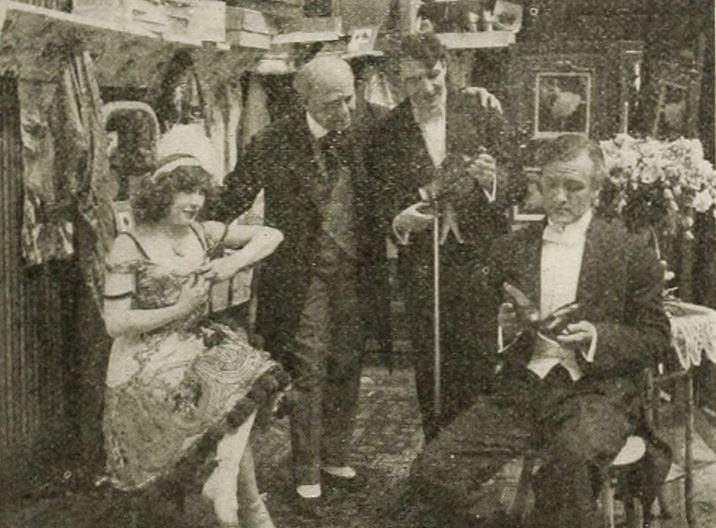
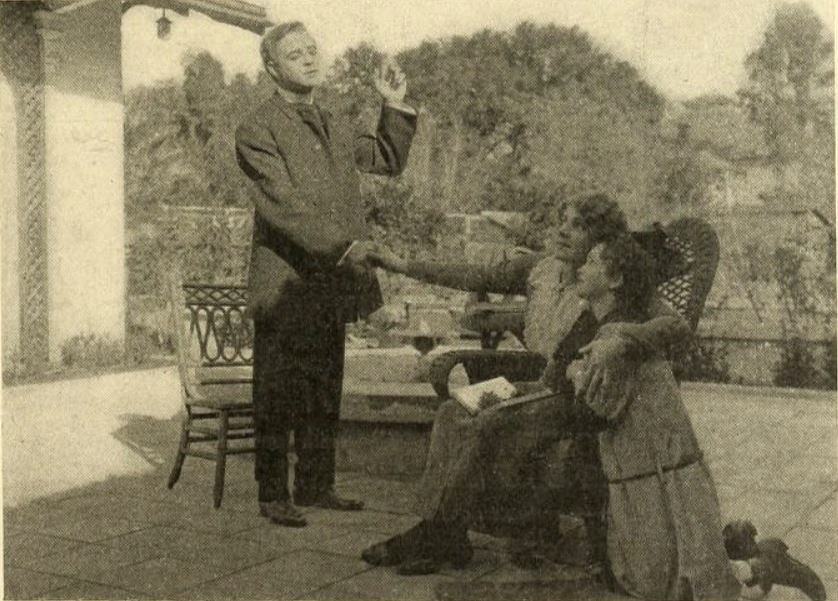
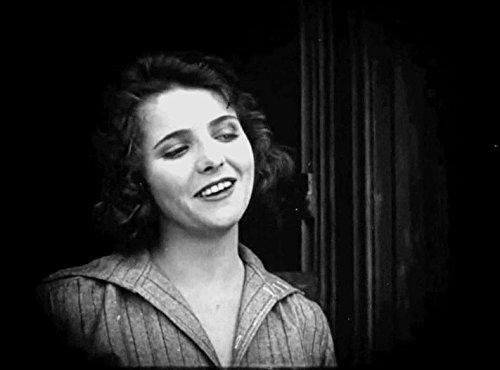
The film's genesis is a classic romance trope: the serendipitous encounter that sparks an undeniable connection across social divides. Our protagonist, Ivis, portrayed with a remarkable blend of vulnerability and quiet strength by the luminous Evelyn Brent, is a humble peasant woman whose life is irrevocably altered by an act of spontaneous heroism. When a Duke, played by the dashing Huntley Gordon, is unceremoniously unseated from his horse, it is Ivis who rushes to his aid, her selfless act forging an immediate, profound bond. This initial incident, reminiscent of the dramatic catalyst in films such as The Rescue, transcends mere plot contrivance in The Glorious Lady. It becomes the crucible in which a love story, both tender and defiant, is forged, setting the stage for a compelling exploration of personal agency versus preordained destiny. The ensuing romance is depicted with a delicate touch, emphasizing the genuine affection that blossoms between Ivis and the Duke, a stark contrast to the transactional nature of aristocratic unions.
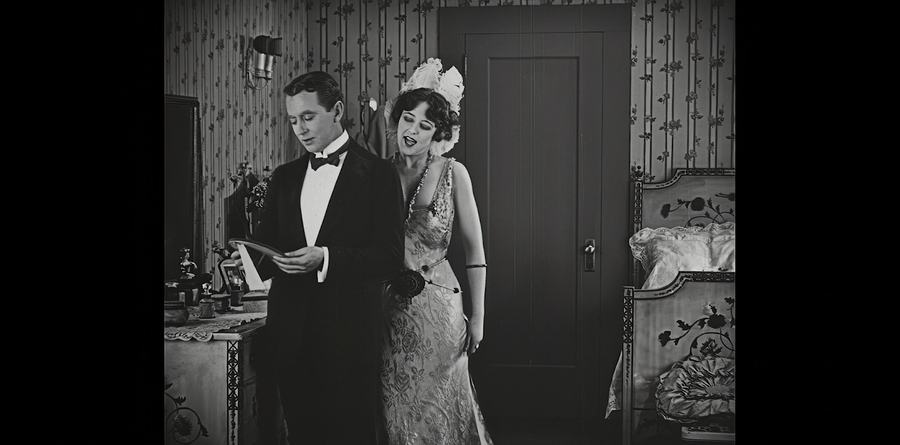
Evelyn Brent's portrayal of Ivis is nothing short of captivating. She imbues the character with a profound inner dignity that belies her peasant origins, making her a formidable, yet entirely empathetic, figure. Ivis is not merely a damsel in distress or a passive recipient of noble affection; she is an active participant in her own destiny, her love for the Duke tempered by an acute awareness of the social chasm separating them. Brent’s expressive eyes and subtle physicality convey a world of emotion, from the initial shyness of new love to the quiet resolve in the face of relentless opposition. Her performance anchors the film, making Ivis's struggle and eventual triumphs feel deeply personal and authentic, a true 'glorious lady' not by birth, but by spirit.
Huntley Gordon, as the Duke, shoulders the burden of a man torn between duty and desire. His performance is nuanced, conveying the internal conflict of a man accustomed to privilege but awakened by genuine affection. The Duke’s journey is one of gradual enlightenment, as he grapples with the expectations of his lineage and the profound pull of his heart. Gordon effectively communicates this internal struggle through his posture and reactions, revealing a character who, while initially perhaps somewhat naive to the harsh realities of his world, grows in conviction as the narrative progresses. His chemistry with Brent is palpable, lending credibility to their forbidden romance and making the audience genuinely root for their unconventional union.
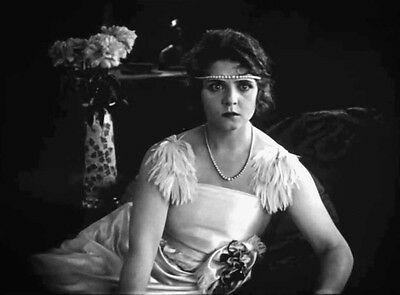
No compelling romance is complete without formidable antagonists, and The Glorious Lady delivers them in spades. The Duke's mother, portrayed by Mrs. Henry Clive, is a force of nature, a bastion of aristocratic propriety whose every fiber rebels against the notion of her son marrying beneath his station. Her cold disdain and calculated machinations are chillingly effective, embodying the rigid social structures of the era. Mrs. Clive delivers a performance that makes the mother more than a caricature; she is a woman convinced of her righteousness, driven by a desire to preserve her family's standing, even if it means crushing her son's happiness.
Complementing her formidable presence is Olive Thomas as Lady Eileen, the Duke's mother's preferred choice for his bride. Thomas, with her ethereal beauty and subtle expressions, crafts a character who is initially presented as the ideal aristocratic match but whose underlying jealousy and entitlement slowly emerge. Lady Eileen is not merely a rival; she is a symbol of the suffocating expectations placed upon the nobility, her own desires perhaps secondary to her role in maintaining the social order. The plotting of these two women forms the narrative's central conflict, creating a web of intrigue and betrayal that constantly threatens to unravel Ivis and the Duke's fragile love. Their schemes are not merely petty; they are deeply rooted in the societal norms of the time, making their opposition feel both personal and systemic, a chilling reminder of the power wielded by the entrenched elite.

The brilliance of The Glorious Lady lies not just in its compelling narrative but in the exquisite craftsmanship of its direction and screenwriting. George M. Arthur and Edmund Goulding, working from a story that resonates with timeless themes, demonstrate a profound understanding of the silent medium. The pacing is deliberate, allowing moments of emotional intensity to fully register, while also maintaining a steady forward momentum that keeps the audience invested. The use of intertitles is judicious, providing necessary exposition without overwhelming the visual storytelling. Instead, much of the narrative is conveyed through the actors' performances, the careful framing of shots, and the evocative set designs, which transport the viewer directly into the opulent world of the aristocracy and the simpler, yet equally rich, life of the peasantry.
The visual language of the film is particularly striking. Cinematography effectively utilizes light and shadow to enhance mood and character. The grandeur of the Duke's estate is contrasted with the rustic charm of Ivis's surroundings, visually reinforcing the class divide. Close-ups are employed strategically to capture the raw emotions playing across the actors' faces, ensuring that even without dialogue, the audience comprehends the depth of their joy, sorrow, anger, and love. The direction ensures that every scene contributes meaningfully to the overarching narrative, building tension and pathos with an almost architectural precision. The performances of supporting cast members like Matt Moore, Marie Burke, Mona Kingsley, and Robert Taber, though perhaps less central, are integral to fleshing out the world and adding layers to the societal backdrop against which the central drama unfolds, each contributing to the tapestry of aristocratic life and its rigid conventions.
At its heart, The Glorious Lady is a powerful commentary on the enduring themes of class, sacrifice, and the pursuit of authentic love in a world dictated by convention. It shares thematic DNA with other silent-era dramas that dared to critique societal hierarchies. For instance, much like A Rich Man's Darling, this film scrutinizes the inherent unfairness and often cruel nature of rigid social structures that prioritize lineage and wealth over genuine human connection. Both films explore the immense pressure faced by individuals attempting to bridge the gap between disparate social strata, highlighting the emotional toll such endeavors can exact. However, The Glorious Lady distinguishes itself through its focus on the active resistance of its heroine, Ivis, whose strength of character shines through every trial.
The film also touches upon the universal journey of love overcoming obstacles, a narrative thread common in romantic dramas across all cinematic eras. In this regard, it finds a kindred spirit in films like The Love Route, where the path to true romance is fraught with external challenges and internal doubts. Yet, The Glorious Lady elevates this through the sheer scale of the opposition presented by the Duke's family, transforming a personal love story into a broader allegory about challenging the status quo. The writers, George M. Arthur and Edmund Goulding, craft a narrative that, while rooted in its time, speaks to the timeless human desire for acceptance and belonging, irrespective of birthright.
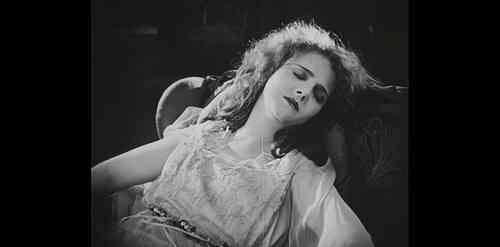
For contemporary audiences, The Glorious Lady offers more than just a glimpse into silent-era filmmaking; it provides a compelling narrative that remains relevant even today. The struggle against prejudice, the courage to defy expectations, and the unwavering power of love are themes that transcend generations and cinematic trends. Evelyn Brent's performance, in particular, stands as a testament to the emotive capabilities of silent acting, proving that profound characterization doesn't require dialogue. Her Ivis is a beacon of resilience, a woman whose inherent goodness and strength illuminate the screen and capture the audience's heart.
The film's intricate plot, driven by the calculated cruelty of the Duke's mother and Lady Eileen, serves as a stark reminder of the social barriers that once dictated human relationships, and in some forms, continue to do so. The resolution, while providing the emotional catharsis expected of a melodrama, also leaves a lingering impression of the sacrifices made and the battles fought to achieve a semblance of happiness. The Glorious Lady is a film that demands to be seen, not just as an artifact of a bygone cinematic age, but as a vibrant, emotionally rich drama that continues to speak volumes about the human spirit's capacity for love, defiance, and enduring hope. It is, unequivocally, a glorious entry in the annals of silent cinema, a narrative jewel that shines brightly with timeless appeal and profound emotional depth.
IMDb 5.4
1924
Community
Log in to comment.